AR Interior Design: How to Visualize Your Room Before It’s Built
AR interior design helps visualize furniture and layouts in real spaces, enabling smarter design decisions and more confident home and commercial planning.
Interior design has always relied on imagination. Designers sketch concepts, clients study floor plans, and everyone tries to visualize how a space will feel once everything comes together. But no matter how detailed the drawings or mood boards are, there’s always a gap between concept and reality.
That gap is exactly where AR interior design comes in.
By layering digital elements directly onto real-world environments, augmented reality allows designers, brands, and homeowners to see interior spaces as they will actually look—before a single piece of furniture is moved or a wall is painted. The result is a more immersive, confident, and efficient design process.
What Is AR Interior Design?
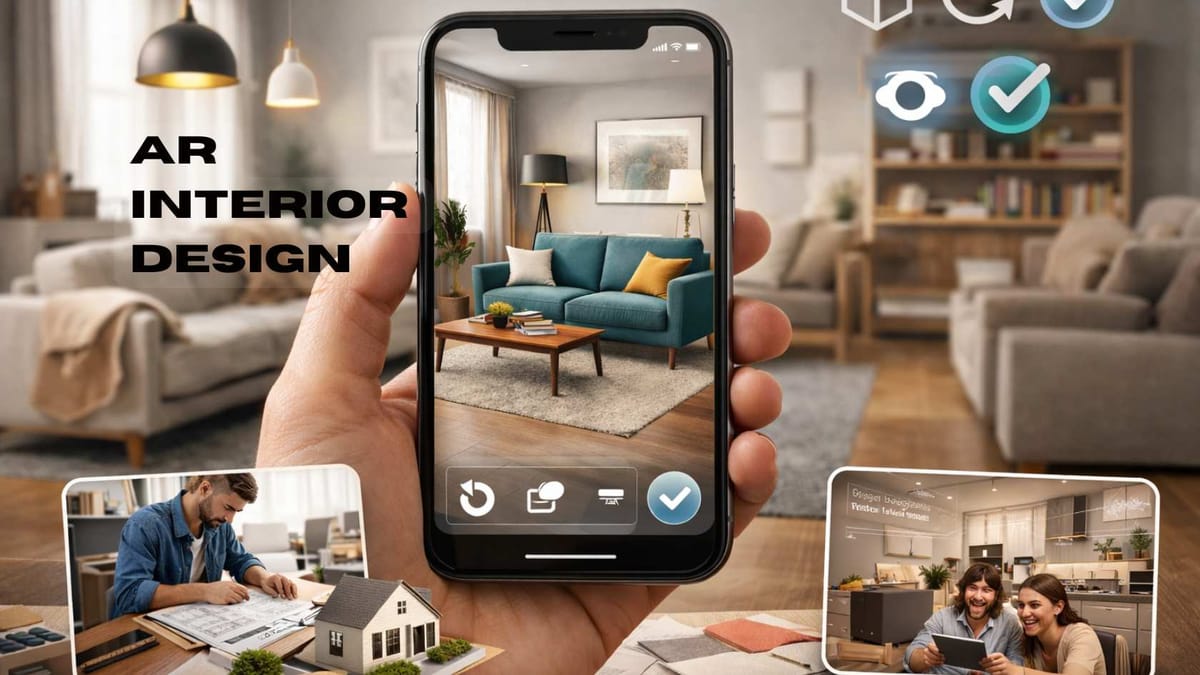
AR interior design refers to the use of Augmented Reality to visualize furniture, decor, materials, and layouts directly within a physical space. Using a smartphone, tablet, or XR headset, users can place digital 3D objects into real rooms at true scale and interact with them in real time.
Unlike traditional interior design tools—such as static images, 2D floor plans, or rendered mockups—AR interior design allows people to experience a space in context. You’re no longer guessing how a sofa fits against a wall or whether a lamp matches the room’s lighting. You can see it instantly.
At its core, AR interior design is part of a broader shift toward phygital experiences, where physical environments and digital content blend into a single, cohesive design workflow.

How AR Interior Design Works
Most AR interior design experiences rely on three simple components:
1. A camera-enabled device
2. Smartphones and tablets detect surfaces, depth, and scale within a room.3D interior assets
3. Furniture, decor, lighting, or architectural elements appear as realistic 3D models.Real-time interaction
Users can place, rotate, resize, and move items while viewing them in the actual space.Many modern AR interior design solutions now run directly in the browser using WebAR, meaning users don’t need to download a dedicated app. A simple QR code or link can launch the experience instantly, reducing friction and making AR accessible to a much wider audience.
Common Use Cases of AR Interior Design
AR interior design is no longer just a concept or experimental tool. It’s already being used in practical, everyday scenarios across homes, businesses, and real estate, helping people make clearer decisions about how spaces should look and feel.
Furniture and Decor Visualization
One of the most familiar applications is furniture and decor visualization. Instead of relying on product photos or imagination, users can place digital versions of sofas, tables, lighting, or wall art directly into their own rooms. Seeing an item at true scale and in real surroundings makes it much easier to judge proportions, colors, and overall fit. This “try before you buy” experience is particularly helpful for larger or more expensive purchases, where a wrong decision can be costly or frustrating.
Residential Interior Design
In residential interior design, AR is often used during renovations or redecorating projects. Homeowners and designers can experiment with different layouts, furniture arrangements, and decorative styles without moving a single object in real life. It’s especially valuable in smaller apartments or compact spaces, where efficient use of space matters and small changes can have a big impact. By visualizing ideas directly inside the home, AR interior design turns vague concepts into something concrete and easy to evaluate.
Commercial and Retail Spaces
AR is also finding strong adoption in commercial and retail spaces. Offices, hotels, restaurants, and retail stores use AR interior design to preview layouts, furniture placement, and branding elements before committing to physical installations. Designers and decision-makers can walk through proposed setups, assess how a space flows, and make adjustments early in the process. This reduces guesswork, speeds up approvals, and helps ensure that the final space aligns with both functional needs and brand identity.
Real Estate and Property Staging
In real estate and property staging, AR interior design offers a practical alternative to traditional staging. Empty apartments or unfinished properties can be visually furnished using AR, allowing potential buyers to better understand the scale and potential of a space. Instead of trying to imagine how a room might look, viewers can see it furnished and styled in context. This often creates a stronger emotional connection and helps people picture themselves in the space, without the cost or logistics of physical staging.
Across all of these scenarios, AR interior design serves the same purpose: it makes spaces easier to understand before any real-world commitment is made. By bringing design ideas into the real environment, it reduces uncertainty and helps people move forward with confidence.
Real-World Use Cases
● Retail Giants (IKEA & Wayfair): IKEA’s Kreativ app is the gold standard. It doesn't just add furniture; it uses AI to "erase" your existing messy furniture from the view so you can start with a clean slate. Wayfair’s "View in Room" feature has become so essential that customers who use it are significantly more likely to complete a purchase than those who don't.
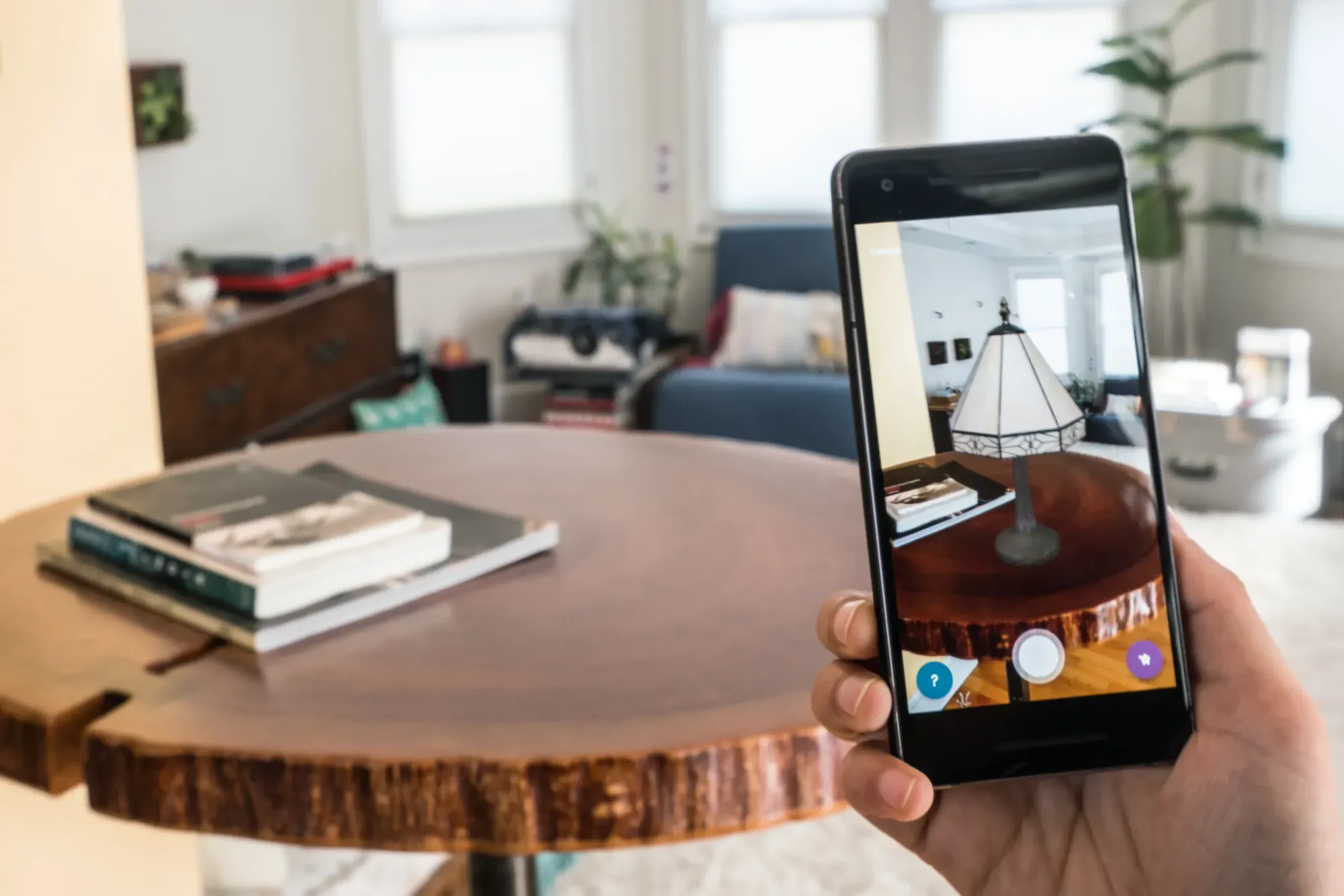
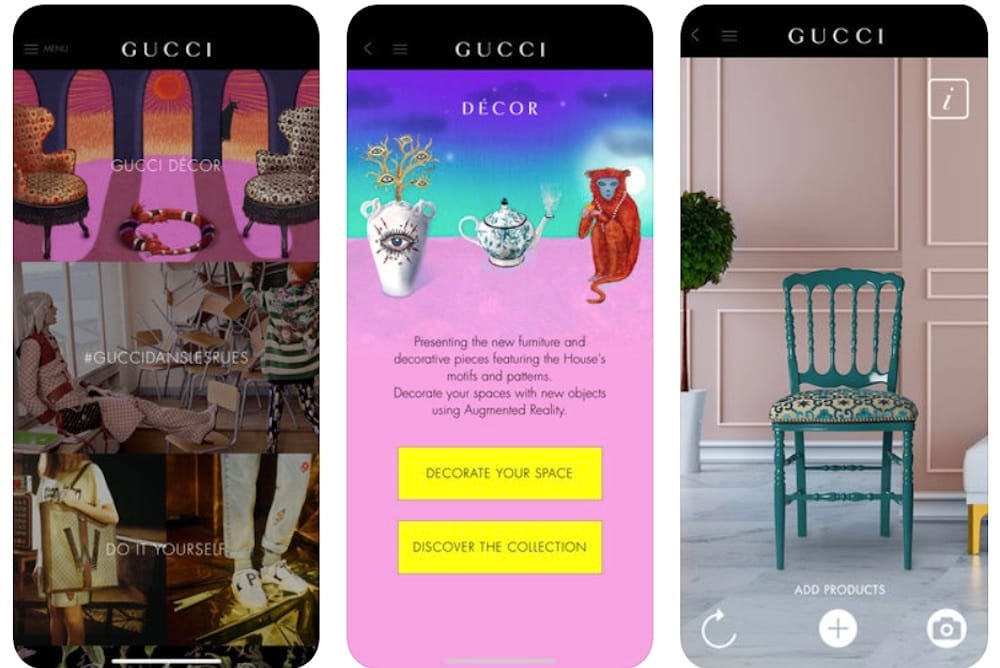
● The Luxury Market : High-end furniture brands use AR to protect their brand prestige. Gucci’s Décor SLAM AR experience lets users preview luxury home products in their own spaces, helping them understand design details and fit before purchasing. By using AR to visualize high-end home items—an area consumers are often less familiar with—brands can reduce hesitation, build confidence, and speed up purchasing decisions despite higher price points.
● Real Estate Staging: Empty homes are notoriously difficult to sell because most buyers lack spatial imagination. Virtual staging firms allow realtors to "furnish" an empty house in various styles (boho, modern, industrial) via an iPad, XR headset allowing a buyer to see the potential of a space without the cost of physical furniture rental.

Benefits of AR Interior Design
Better Space Visualization: One of the biggest challenges in interior design is scale. AR interior design solves this by showing objects at true size inside real rooms. Designers and clients can immediately understand proportions, spacing, and flow—something that’s difficult to achieve with flat images or samples.
Faster Decision-Making: When clients can see options instantly, decisions happen faster. Colors, layouts, and furniture choices no longer require endless back-and-forth revisions. AR interior design helps align expectations early, saving time and reducing costly changes later.
Increased Client Confidence: Seeing a design “come to life” creates trust. Clients feel more confident approving plans when they’ve already experienced the space visually. This emotional clarity leads to smoother projects and stronger designer–client relationships.
AR Interior Design for Brands and Retailers
For home decor and furniture brands, AR interior design has become a powerful engagement tool.
Instead of browsing static product images, customers interact with products in their own environments. This leads to:
● Higher engagement and longer browsing sessions
● Better-informed purchase decisions
● Lower product return rates
● Stronger brand perception through innovative experiences
AR interior design transforms products from catalog items into interactive experiences, turning inspiration into action.
How to Create AR Interior Design Experiences Easily
In the past, creating AR experiences required technical teams and custom development. That’s no longer the case.
Modern no-code platforms allow designers and brands to build AR interior design experiences using templates, drag-and-drop tools, and prebuilt interactions.
This makes AR accessible not only to developers, but also to marketers, designers, and creative teams.
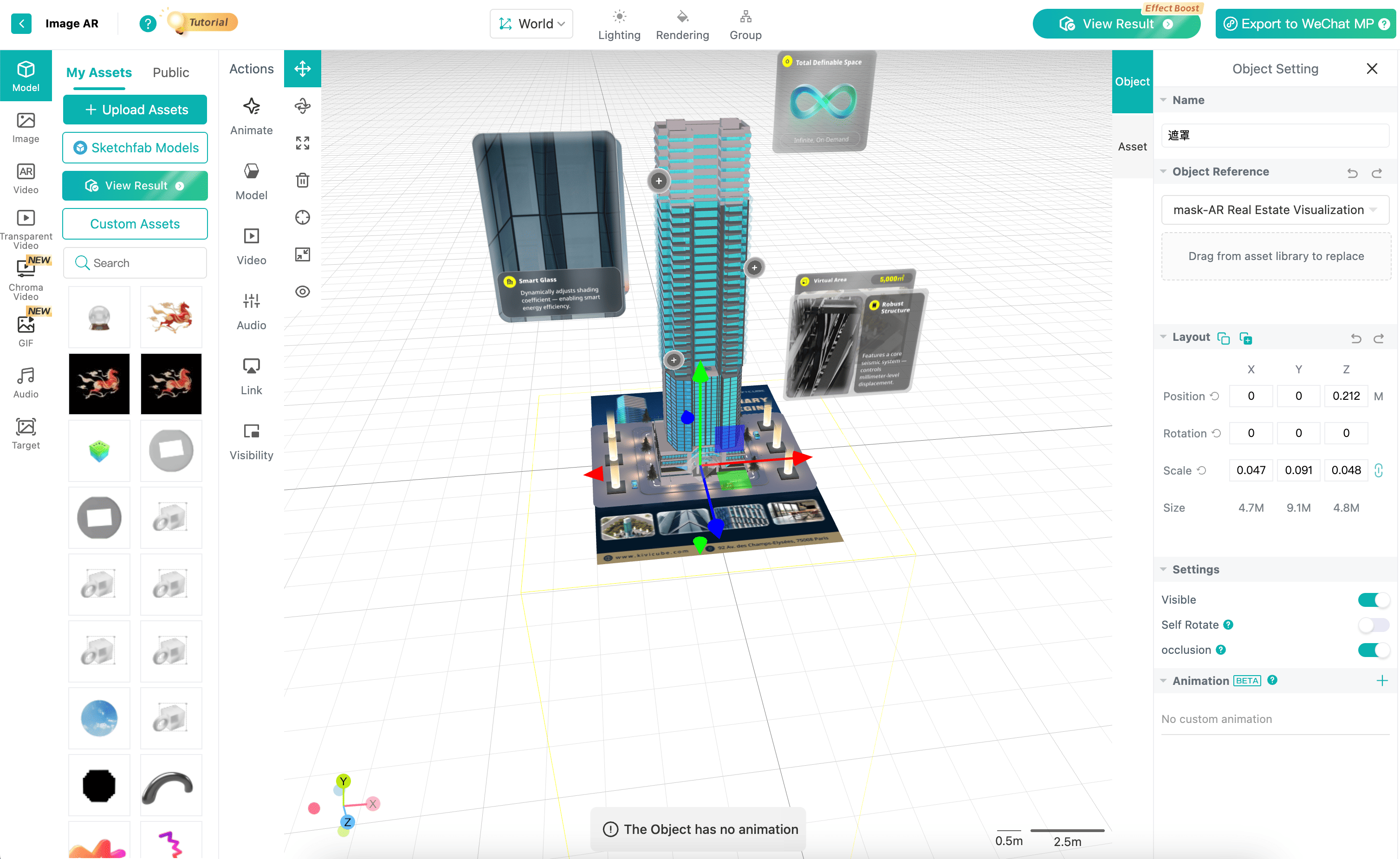
Platforms like Kivicube, for example, enable no-code, WebAR interior design experiences that work instantly in the browser. Designers can upload 3D assets, set triggers like QR codes, and publish interactive interior scenes without writing a single line of code.
This shift removes technical barriers and lets creative teams focus on what matters most: design, storytelling, and user experience.
The Future of AR Interior Design
As AR technology continues to evolve, interior design is becoming more intelligent and personalized. The next phase of AR interior design will likely combine:
● AI-powered recommendations
● Real-time material and lighting simulations
● Spatial computing for more precise interactions
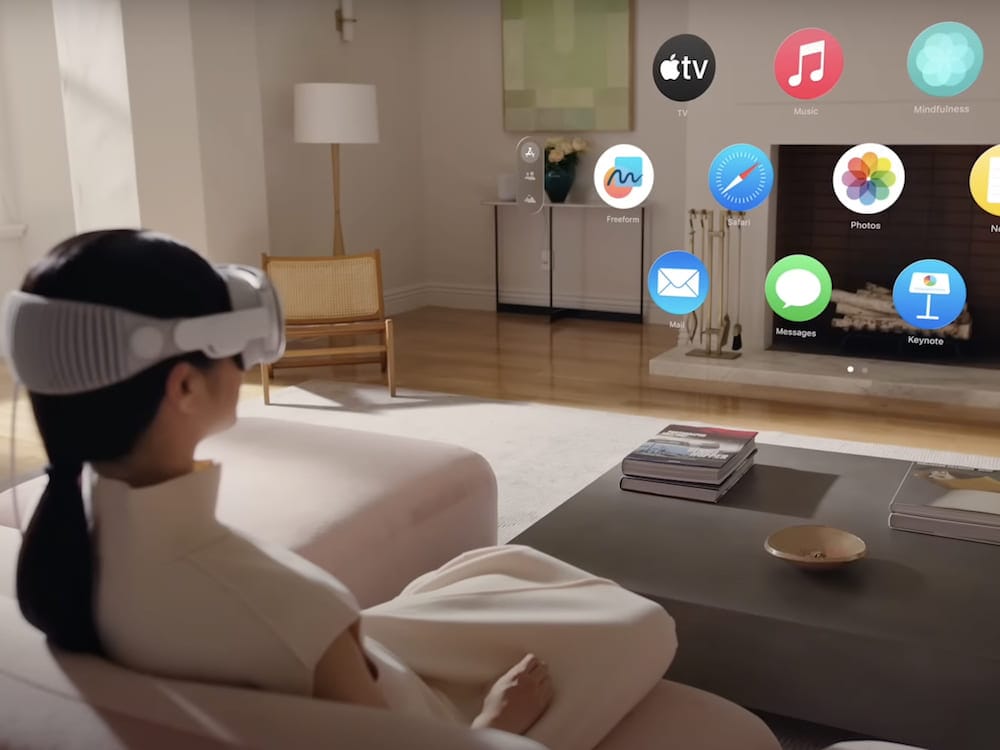
What started as a visualization tool is quickly becoming a core part of everyday design workflows. In the near future, AR interior design won’t feel like a novelty—it will feel essential.
Why AR Interior Design Is Becoming the New Standard
AR interior design is changing how spaces are imagined, communicated, and experienced. By closing the gap between idea and reality, it empowers designers, brands, and homeowners to make better decisions with confidence.
As digital and physical environments continue to merge, AR interior design stands at the center of modern spatial creativity—turning static concepts into immersive, interactive experiences that people can truly step into.
Ready to transform your design process? Contact us now to start exploring AR interior design today with Kivicube and bring your spaces to life instantly.