AR Merch: Turning Physical Products into Interactive Experiences
In this guide, we explore what AR merch is, the most popular use cases today, and how creators and brands can easily bring phygital products to life using no-code tools like Kivicube.
Physical merchandise has long been a cornerstone of branding and cultural expression. Whether it’s a limited fashion drop, a museum souvenir, or promotional packaging, merch serves as a tangible connection between a brand and its audience.
However, the traditional model is reaching a saturation point. In a crowded marketplace, static products often struggle to maintain relevance once they leave the shelf. For a modern audience that craves storytelling and digital integration, traditional merch can feel—quite literally—static.
By bridging the gap between the physical and the virtual, AR merch transforms everyday objects into dynamic gateways. It evolves a product from a simple possession into a living experience that tells a story, sparks emotion, and extends brand engagement long after the initial purchase.
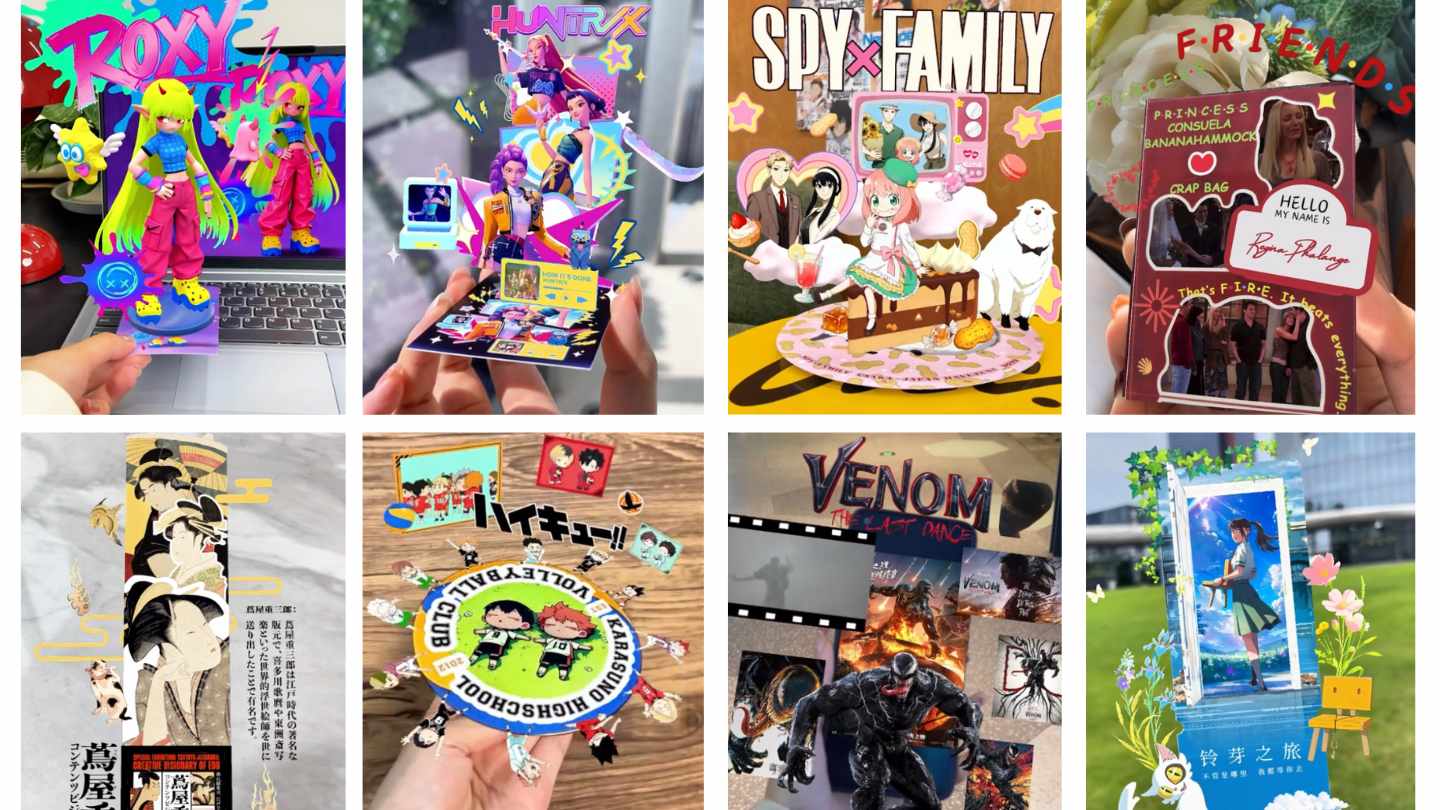
What Is AR Merch?
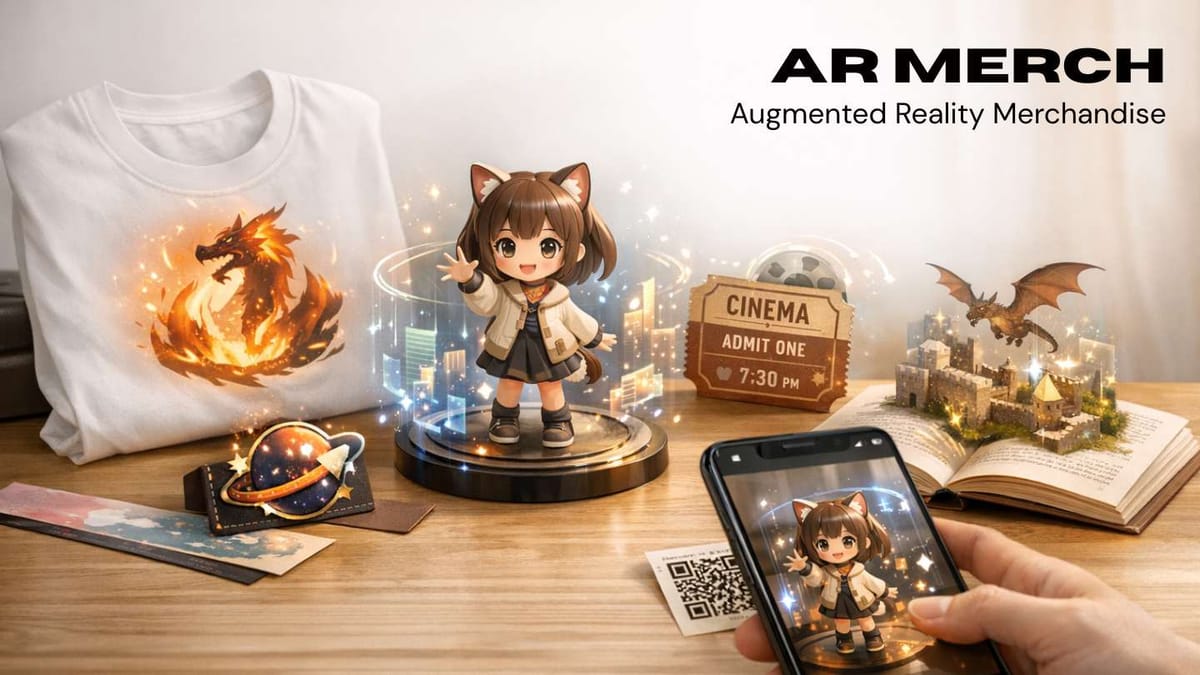
AR merch (Augmented Reality merchandise) consists of physical products embedded with digital layers. By scanning a QR code or an image trigger with a smartphone, users unlock immersive content—no dedicated app required. It is the evolution of the "phygital" landscape, making the physical world interactive.
Popular Types of AR Merch: Bridging the Physical and Digital
Unlike traditional merchandise, which is limited by its physical form, AR-enhanced products add a dynamic digital layer to everyday items. This creates "phygital" experiences—seamless hybrids that transform static goods into interactive touchpoints.
Here are the most popular ways brands and creators are using AR to redefine merchandise:
🎨 Original Character (OC) Merch
For independent artists and creators, AR brings Original Characters to life. Scanning an OC badge or acrylic stand can trigger a custom animation or a character greeting, offering fans an exclusive, immersive way to interact with their favorite lore.
🎟️ Movie Tickets & Event Memorabilia
Physical ticket stubs are becoming interactive keepsakes. Scanning a ticket can unlock exclusive behind-the-scenes footage, movie trailers, or AR filters related to the film, extending the cinematic experience long after the credits roll.
🔖 Bookmarks & Stationery
Small items like bookmarks and postcards offer surprisingly deep engagement. A simple scan can reveal a mini-narrative, an animated historical scene, or a hidden 3D world, turning inexpensive keepsakes into memorable storytelling devices.
🏅 Badges & Pins
Pins and enamel badges are ideal for events and fan clubs. Through AR, these small accessories can unlock digital rewards, display hidden status symbols, or trigger "easter egg" animations that encourage community sharing.
👕 AR Apparel & Fashion
Clothing is no longer just a style choice; it’s a digital canvas. T-shirts, hoodies, and tote bags can trigger 3D animations, hidden messages, or digital "wearables" for social media when scanned. This turns a standard garment into a viral, shareable experience—perfect for limited-edition drops.
🧸 Toys & Collectibles
Figurines and plushies come to life through AR. By scanning a collectible, fans can unlock voiceovers, character animations, or interactive scenes. This deepens the emotional connection between the fan and the character, significantly increasing the "play value" of the item.
At its core, AR merch represents a move toward experience-driven ownership. By overlaying digital narratives onto tangible products, creators aren't just selling "stuff"—they are providing interactive, story-driven gateways that build lasting brand loyalty and emotional value.
How Brands Are Using AR Merch Today
AR merch is currently transforming how diverse industries connect with their audiences. By acting as a bridge between the physical and digital, it turns static items into high-value engagement tools.
🏛️ Museums & Exhibitions: Souvenirs now extend the cultural narrative. A museum postcard or catalog can reveal 3D historical recreations or "behind-the-canvas" stories, turning a simple keepsake into a portable educational tool.
🏙️ Tourism & City Culture: Interactive souvenirs like city magenets bring city identity to life. These "phygital" items can display cute animals, history or act as keys to city-wide digital scavenger hunts and local storytelling.
🎨 Creator Economy & IP: For artists and influencers, AR merch is the ultimate fan experience. Scanning a character pin or apparel can trigger custom animations, or exclusive digital content, deepening the bond between creator and community.
Why AR Merch is a Game-Changer for Brands and Creators
AR merch is more than a novelty; it is a strategic solution to the modern challenges of differentiation and audience retention.
From Passive Products to Active Experiences Traditional merch is passive; AR merch is participatory. Instead of merely "owning" an object, users scan and explore it. This interactivity significantly increases dwell time and encourages repeat engagement, especially since the digital content can be updated or refreshed remotely without changing the physical product.
Deepening Emotional Resonance AR allows creators to embed "soul" into their products. Whether it’s a character coming to life, a message from a designer, or an immersive brand story, AR adds a layer of depth that 2D design cannot match. This transforms a one-off item into a memorable emotional touchpoint that fans are more likely to share on social media.
How to Create AR Merch Easily Using Kivicube
Creating AR merch no longer requires a development team or complex coding. Platforms like Kivicube (by Kivisense) offer a streamlined, no-code environment that allows brands and creators to launch professional "phygital" products in minutes.
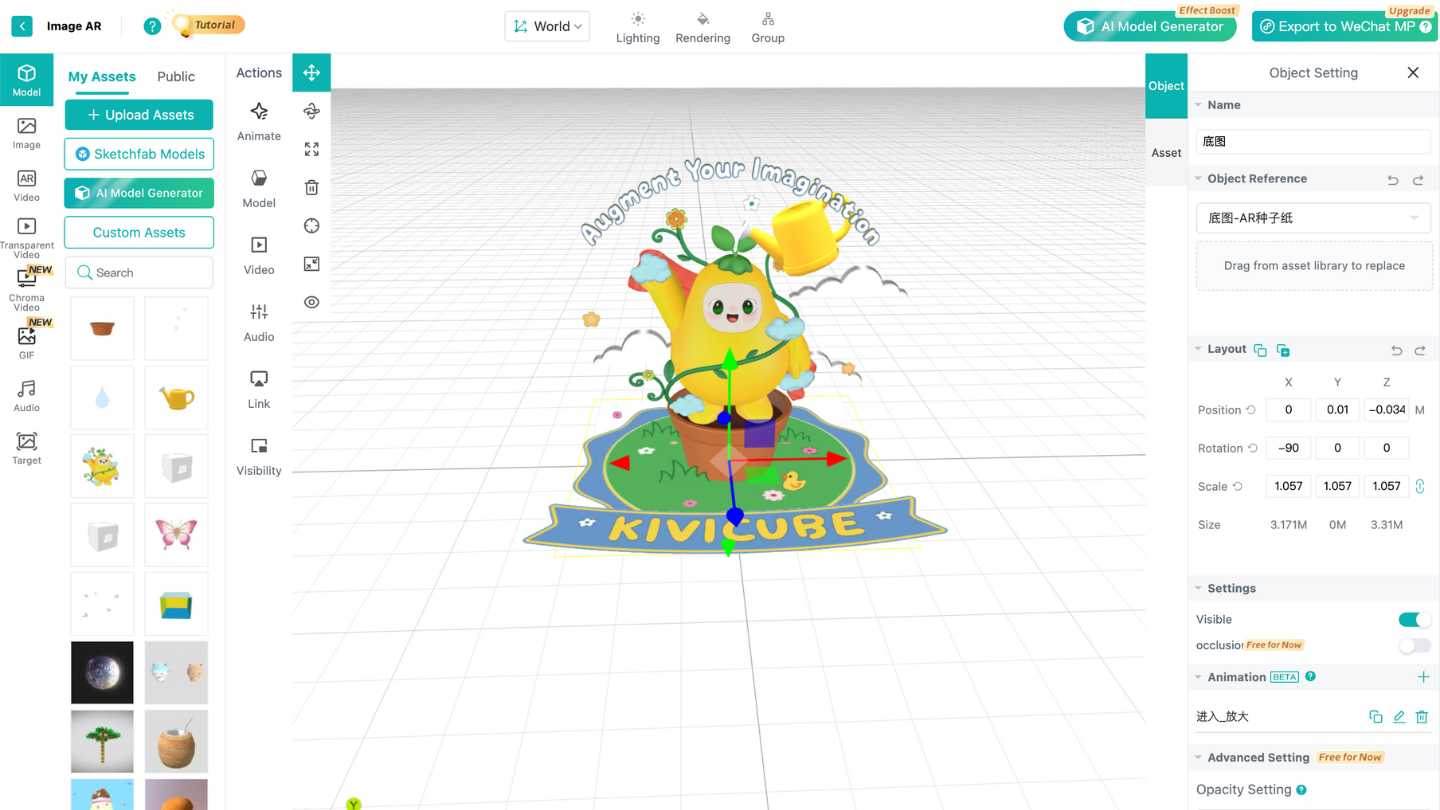
Kivicube is built to be accessible, offering a clear path from experimentation to commercial success:
● Free for Create: You can start building and testing your AR scenes with the free plan. This is ideal for students, hobbyists, or artists who want to explore AR storytelling and build a portfolio without any upfront cost.
● Commercial Licenses: For those ready to sell digitalized merch or launch brand campaigns, Kivicube’s Commercial License removes watermarks and unlocks professional features. This allows businesses and independent creators to monetize their work and provide a seamless, branded experience to their customers.
Key Features of Kivicube:
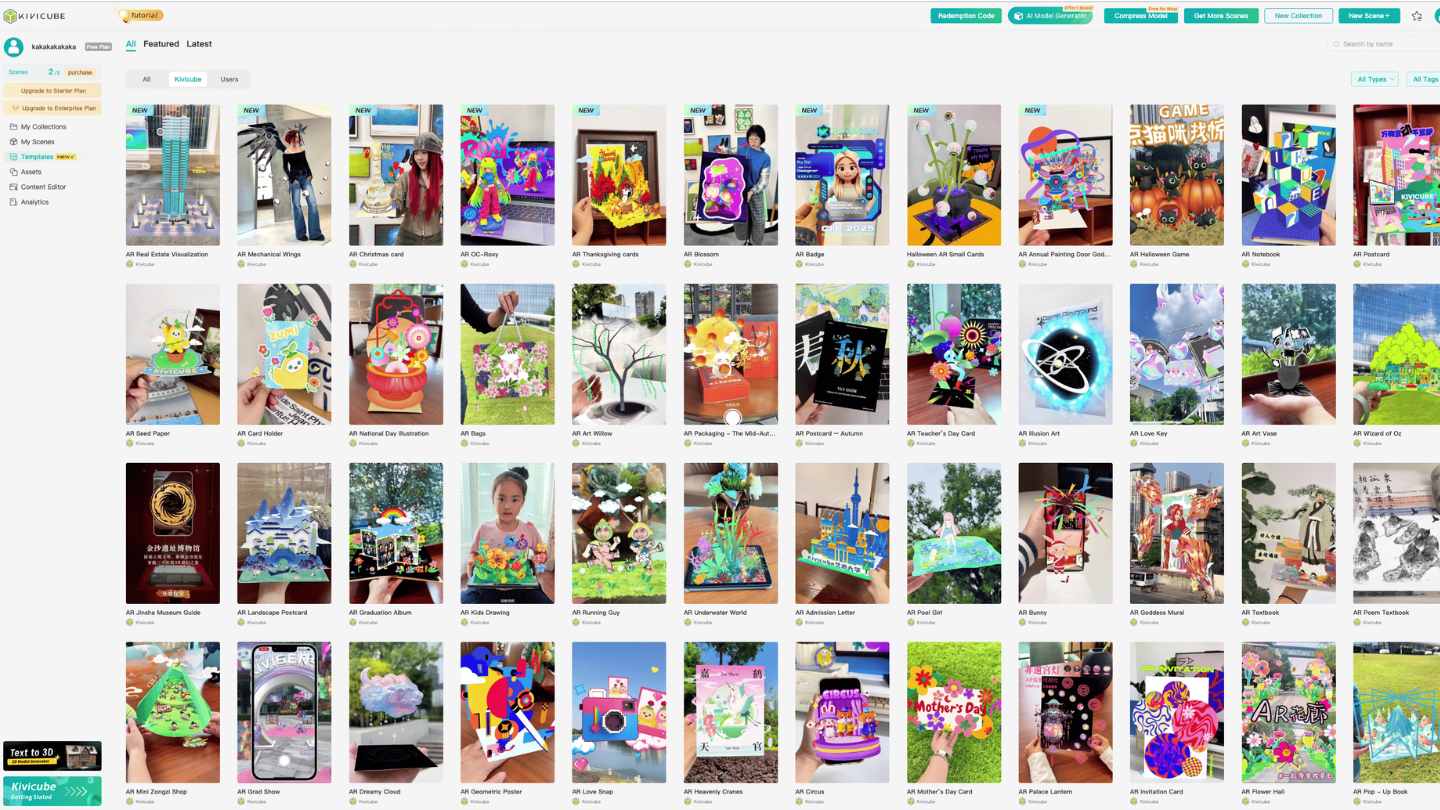
● No-Code AR Editor: Use a drag-and-drop interface to design AR scenes. If you can use a basic photo editor, you can create an AR experience.
● Ready-to-Use Templates: You don’t need to start from a blank canvas. Kivicube offers a vast library of hundreds of ready-to-use templates specifically designed for popular merch categories.
● Instant WebAR: There’s no need for customers to download an app. Your merch triggers the experience instantly through a simple QR code scan or image recognition in a mobile browser.
Whether you’re producing T-shirts, collectibles, or interactive packaging, Kivicube turns your physical items into immersive storytelling tools—helping you bridge the gap between "stuff" and "experience."
The Bigger Picture
AR merch represents a broader shift in how we think about products. As audiences increasingly value experiences over objects, merchandise must evolve to meet those expectations.
By blending physical products with digital storytelling, AR merch creates deeper engagement, stronger emotional connections, and longer-lasting value—for brands, creators, and cultural institutions alike.
Platforms like Kivicube make this transformation accessible to anyone, helping brands innovate and connect in ways that were previously difficult, expensive, or technically complex.Whether you're an independent artist or a marketing manager, it provides all the tools to transform traditional merchandise into high-value, story-driven touchpoints.