AR Packaging: How Augmented Reality Is Transforming Product Experience
Discover how AR packaging is transforming product experiences. Explore interactive packaging benefits, real-world examples, and how to create.
For a long time, packaging had one job: get the product from point A to point B in one piece. If it looked good on a shelf, that was a bonus. But today, the "unboxing" isn't just a utility—it's an event.
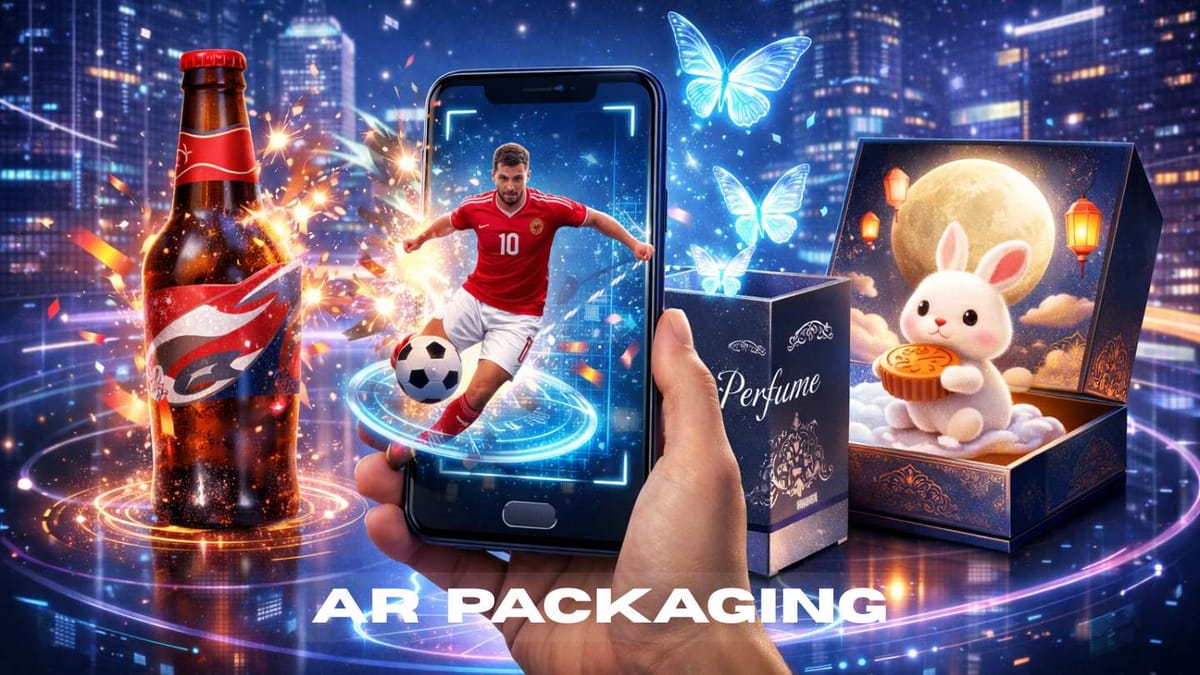
Enter AR packaging. It’s the bridge between the physical box sitting on your kitchen counter and the digital world we live in every day. By using Augmented Reality, brands are turning ordinary bottles, boxes, and labels into interactive portals.
It’s not just a "tech gimmick," either. Whether you’re a designer looking to break the boundaries of a small label or a business owner wanting to tell a deeper story, AR allows you to capture attention in a way a static image never could. In this guide, we’re going to look at how this technology is actually being used, why it’s sticking around, and how you can start using it to make your products unforgettable.
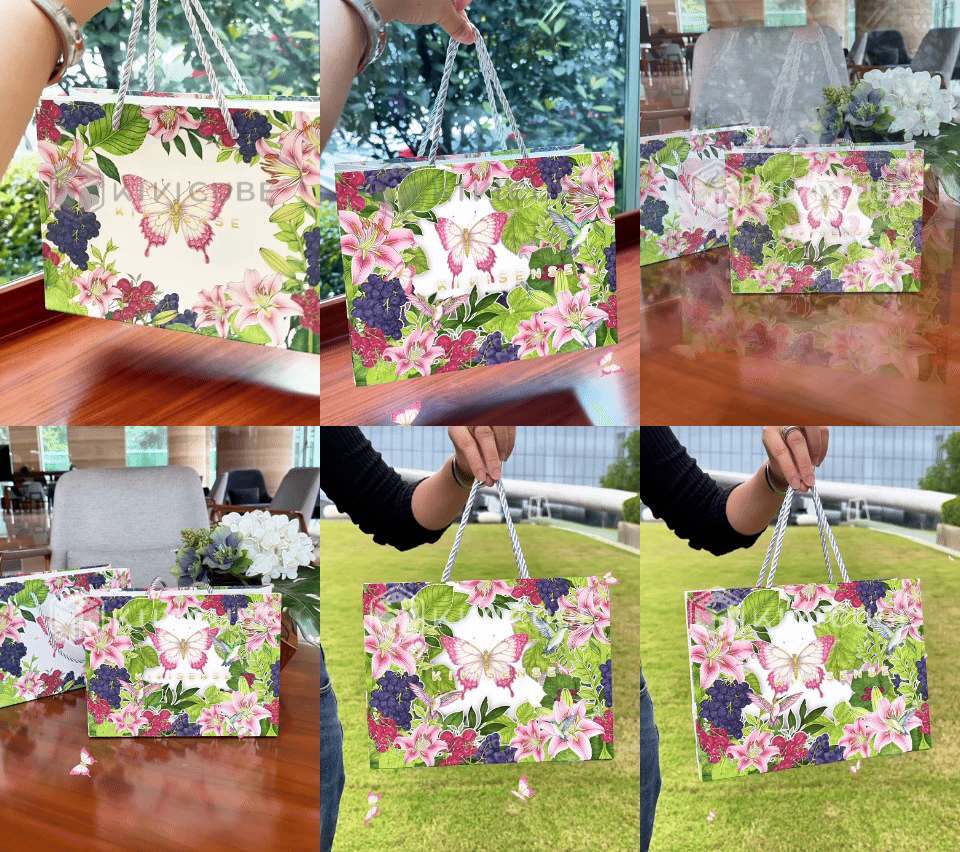
What Exactly Is AR Packaging?
Think of AR packaging as a "digital layer" hidden on your product.
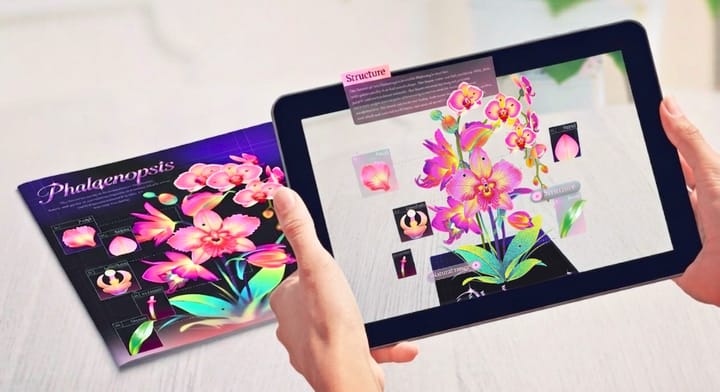
At its core, it’s pretty simple: a customer points their smartphone at your packaging, and suddenly, the label comes to life. Instead of just reading a list of ingredients, they might see a 3D animation of where the product was made, watch a quick video tutorial, or even play a mini-game.
The magic of AR is that it makes packaging dynamic. While a traditional cereal box just sits there, an AR-enabled one might bring a mascot into your living room to chat. It blurs the line between the physical item in your hand and the digital experience on your screen, making the whole interaction feel less like a transaction and more like a moment of discovery.
AR Packaging in Action: Real-World Case Studies
It’s one thing to talk about "digital layers," but it’s another to see them in the wild. AR is working across almost every industry right now, turning simple purchases into immersive stories. Let’s look at a few brands that are getting it right.
Food & Beverage: More Than Just a Drink
In the world of snacks and drinks, AR is the ultimate "surprise and delight" tool. Brands are using it to launch mini-games, introduce mascots, or drop seasonal content that makes you want to buy that second bottle just to see what happens next.
Budweiser’s World Cup Avatars: During the World Cup, Budweiser didn't just sell beer; they sold a connection to the game. By scanning limited-edition bottles from eight different countries, fans could unlock a cartoon-style AR avatar representing their nation. These weren’t just static images—they actually interacted with users through AI-powered voice conversations. It turned a quick drink into a global celebration. Watch the Budweiser AR Experience
Martell’s Artistic Storytelling: For their Jacky Tsai limited edition, Martell used AR to turn a bottle of spirits into a 360-degree art gallery. When scanned, a dynamic visual experience wrapped around the entire bottle, blending history with high-tech art. It transformed a premium product into a must-have collectible. Watch the Martell AR Story
Beauty & Fashion: Luxury You Can Feel
Luxury is all about the experience, and beauty brands are using AR to make the "unboxing" feel like an event. It adds a layer of magic and storytelling to the moment you open your purchase.
Diptyque’s Fragrance in Bloom: How do you visualize a scent? Diptyque found a way. By scanning their perfume packaging, users see virtual flowers bloom right off the box, visually representing the fragrance’s style. It’s an elegant, emotional way to connect with a scent before you even spray it. See the Diptyque Glow Up
L’Oréal’s Invitation card: L’Oréal took the classic invitation card and gave it a digital heartbeat. Scanning the card allowed users to see their hero cream in 3D and take a quick quiz about its ingredients. It’s education and engagement wrapped into one simple scan.
Seasonal Magic & Limited Editions
AR is the secret weapon for holiday campaigns. It creates "buzz" because it’s temporary, festive, and highly shareable.
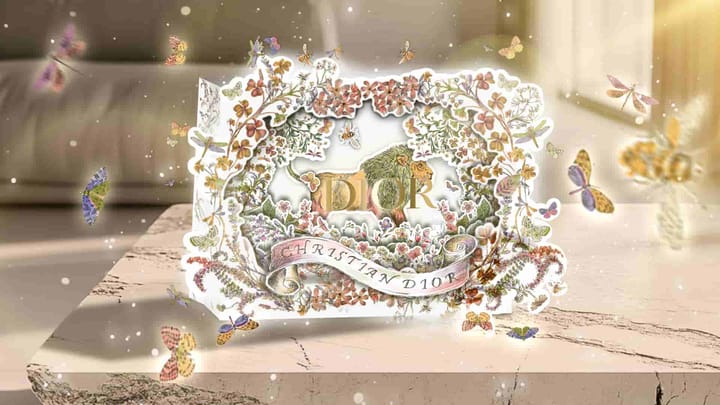
The Dior Christmas Butterfly: Dior’s holiday gift bags became a viral sensation by unlocking a world of elegant AR butterflies in motion. They even included a refined face filter, blending high-end luxury with the playfulness of social media. Watch the Dior Butterfly Magic
Mid-Autumn Mooncakes: Traditional festivals are getting a tech-infused update. Scanning mooncake boxes triggered adorable AR rabbits holding mooncakes, adding a sense of warmth and modern charm to a centuries-old tradition. See the Mooncake AR Surprise
AR packaging isn't just for food or fashion. It’s popping up in everything from virtual toys to everyday household goods. We’re moving away from packaging that just sits on a shelf to packaging that tells a story, extends the conversation past the checkout counter, and builds a real emotional bond with the person holding it.
What used to be a "cool novelty" is quickly becoming a must-have tool for any brand that wants to stand out in a crowded world. The question is no longer if you should use it, but how you’ll use it to tell your story.
How to Create AR Packaging
Thinking this sounds too technical? Good news: you don't need to hire a massive development team to launch an AR experience. Thanks to powerful, accessible platforms, creating AR packaging is easier than ever.
The entry barrier has dropped dramatically, meaning marketers, designers, and small business owners can design their own interactive content with minimal technical expertise.
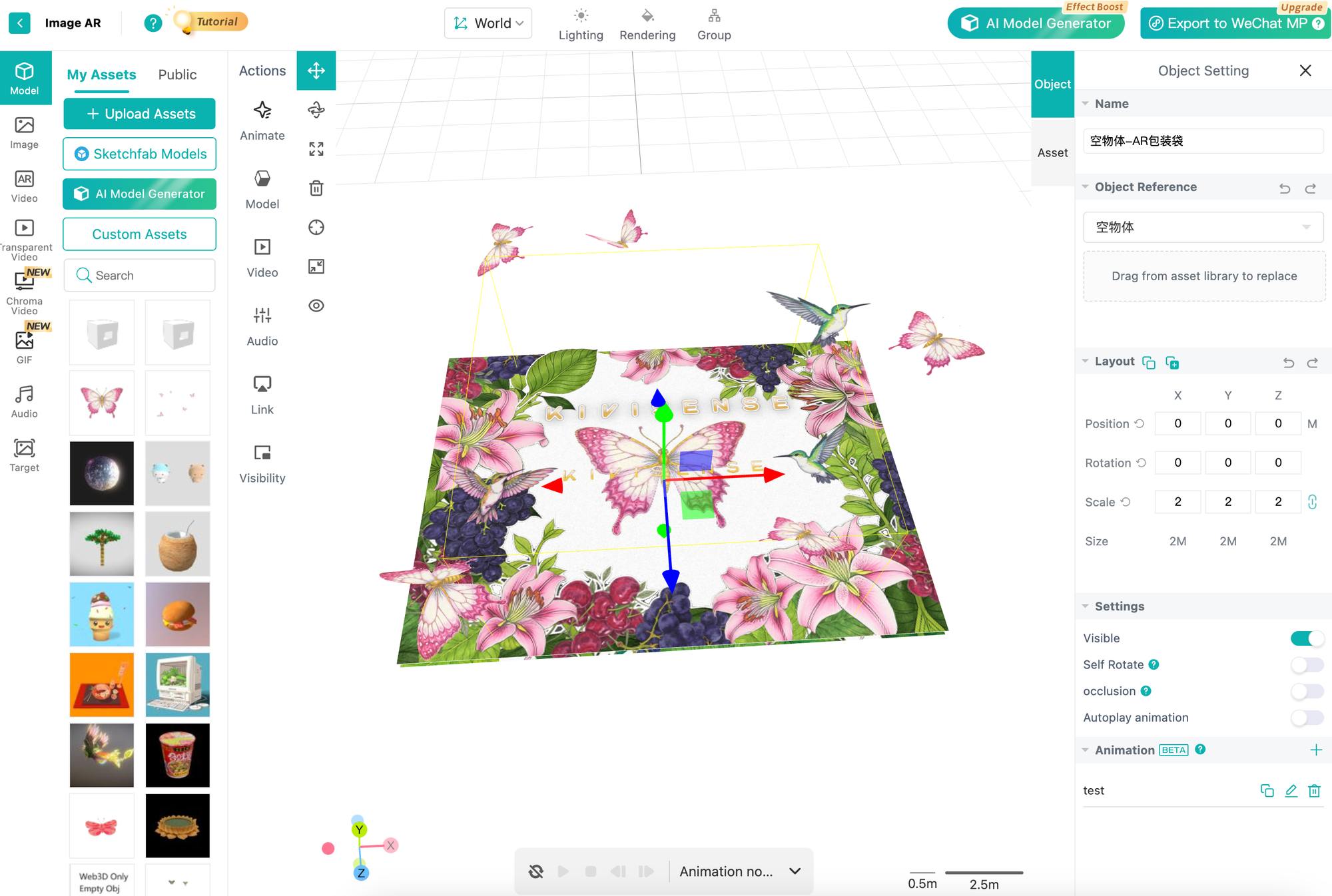
Your AR Toolkit: Accessible Platforms
The key shift has been the rise of no-code tools and WebAR, which allow your packaging to come to life instantly.
Platforms like Kivicube offer intuitive, no-code tools with ready-to-use templates, making AR creation accessible to everyone. Simply drag, drop, and design immersive experiences—no coding required. This approach is ideal for small teams and marketers who want professional-quality results without long development cycles.
There’s also no app download required. Users just scan a QR code and the AR experience launches instantly, removing friction and boosting engagement. With instant access powered by familiar QR triggers, the experience feels natural, effortless, and intuitive for every customer.
Key Design Considerations: Make It Work
Once you have your tools, keep these points in mind to make sure your experience actually lands with your audience:
1. Keep it Simple (UX): The process should be seamless. Ensure your AR content is intuitive, fast to load, and accessible for everyone. If it’s too hard to use, they won't use it.
2. Stay On-Brand: Your AR should look and feel like your brand. The animation and colors should reflect your tone and style perfectly.
3. Make it Interactive: Give them a reason to stay. Whether it’s a mini-game or a hidden coupon, interactivity is what turns a one-time view into a loyal customer relationship.
Not sure where to start? We’re here to help. If you're feeling uncertain, we offer a complete, free end-to-end service—from the initial creative concept to the visual content and the entire AR production workflow.
Why AR Packaging is a Game-Changer
AR isn't just a "cool" extra—it’s a powerful way to solve real marketing challenges. Here is why it’s sticking around:

WebAR and No-Download Experiences
No one wants to download an app. With WebAR, customers just scan and play instantly in their browser. It’s seamless, fast, and actually gets used.
Enhances Customer Engagement
Instead of glancing at a label for two seconds, people spend minutes playing with your brand. That "active" time builds real loyalty.
Showcases Products More Effectively
AR packaging can show exactly how a product works or looks. Through 3D models, animations, or AR overlays, brands can demonstrate product features or usage in ways that flat packaging simply cannot.
Drives Conversions
AR packaging can include call-to-action prompts, tutorials, or upsell suggestions that make the buying decision easier.
The Bottom Line
AR Packaging is no longer just a container—it’s a conversation. By blending physical products with digital magic, you create something that people actually want to share.
As the tech becomes more accessible, AR won't be a novelty anymore; it will be the standard. Brands that start now are the ones that will win the "shelf war" and build deeper connections with their customers.
Ready to give your products a digital heartbeat? Start small with a WebAR campaign and watch how your customers see your brand in a whole new dimension.