
AR Poster Revolution: Why a Piece of Paper Can Outperform an App as Marketing's New King in 2026
Part I: Introduction — When a "Piece of Paper" Becomes Smarter Than an App
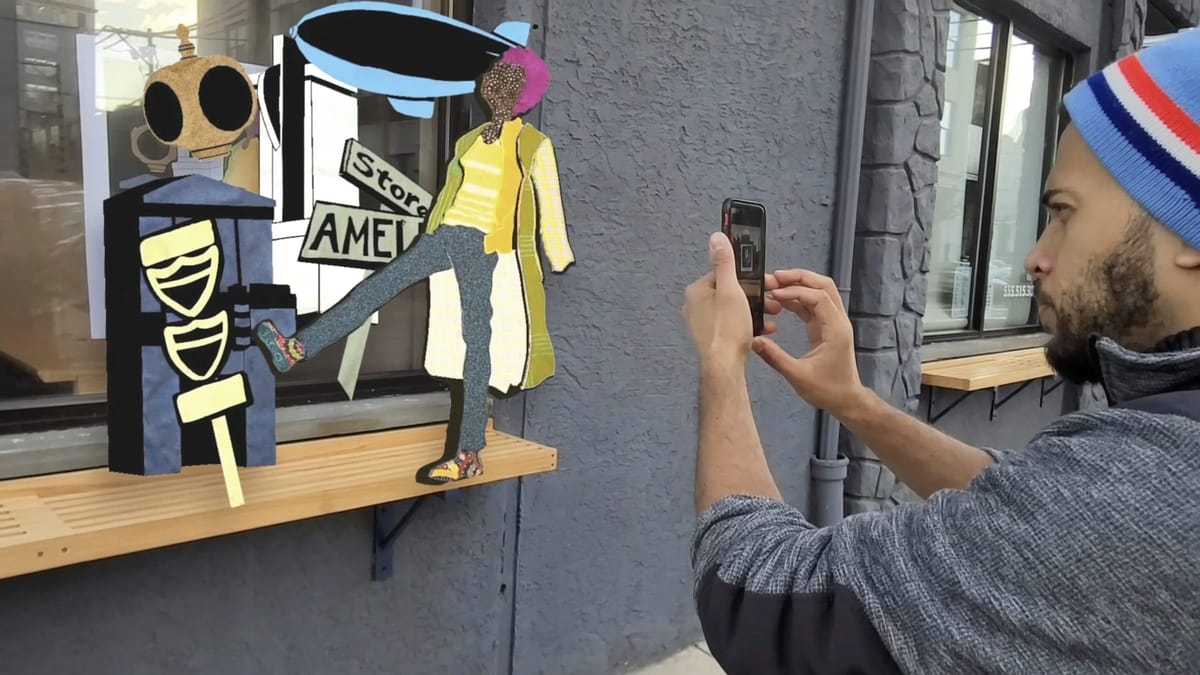
You glance at a movie poster for two seconds and forget it. Now scan it with your phone: the lead character jumps out, stands next to you, and you can take a selfie, interact, and pre-order tickets—instantly, no app, no download.This is the AR poster, 2026’s most underrated marketing weapon. For years, we were told augmented reality lives in apps—wall-gardens requiring downloads, storage, and commitment. AR posters flip this: let the experience live where the user already is.A printed poster costs pennies; an AR poster turns one-way ads into two-way conversations. In an age of 8-second attention spans, that’s gold.
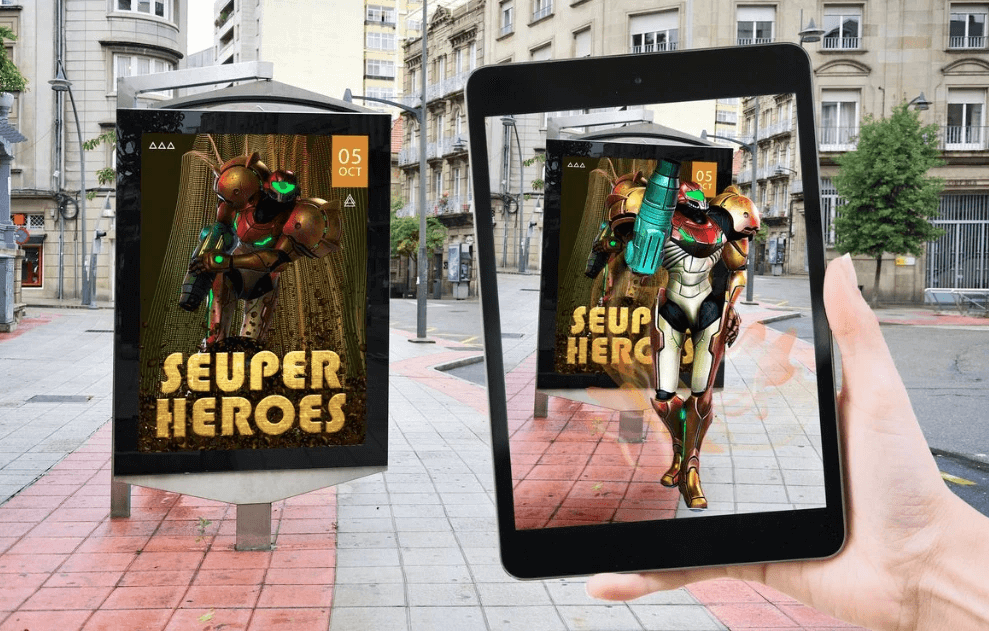
What is an AR poster? An AR poster (augmented reality poster) is a printed poster enhanced with web-based or app-based augmented reality technology that allows users to scan it with a smartphone browser and unlock interactive 3D, video, or animation experiences.
Part II: The Technology Behind AR Posters — Why Now?
AR has been "the next big thing" for years—but it finally works seamlessly now, thanks to joint R&D from multiple companies and tech giants. Google paved the way with its built-in WebXR capabilities on Chrome (Android and iOS), laying the technical foundation for Web AR. Meanwhile, pioneers like 8th Wall and platforms like Kivicube have continuously optimized Web AR tools, making the technology accessible to more brands. That’s the game-changer for AR posters: scan, experience, done. No downloads, universal device support, and instant content updates—one poster, infinite campaigns. The tech fades into the background, letting the magic shine.
Part III: The Business Logic — From "Attention" to "Conversion"
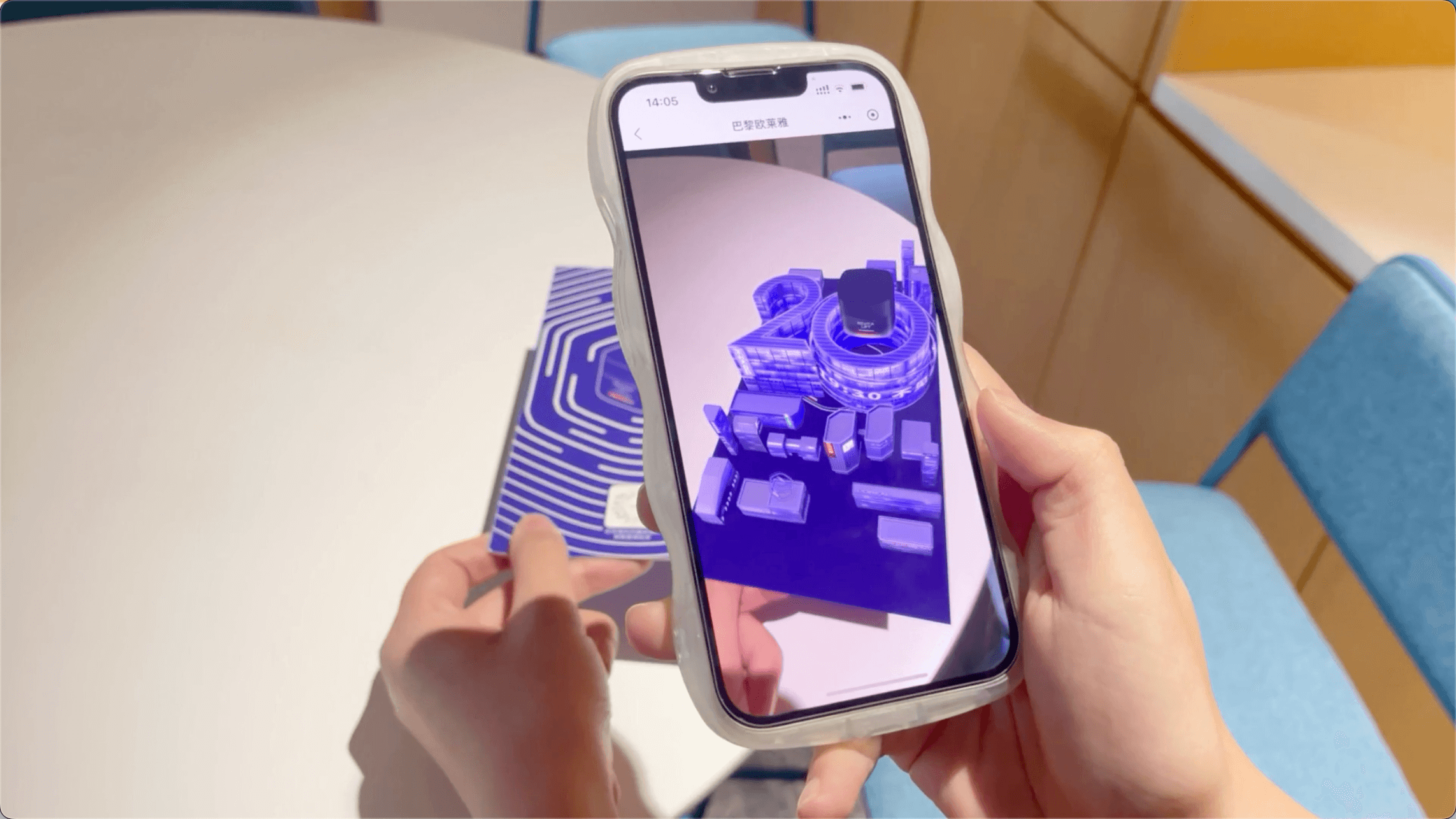
Marketers’ biggest pain? Wasting half their budget on unmeasurable ads. Traditional posters tell you how many people walked past—not who cared. AR posters fix this with measurable, ROI-driven engagement.When someone scans your AR poster, you track exactly when, how long, what they interacted with, and if they converted. Examples: Russia’s MTS turned 1,800 posters into AR gateways, tracking demographics and performance. L'Oreal used AR technology in the invitations for its new product launch event to enhance the user experience and boost engagement. AR posters don’t replace print—they make it accountable.
Part IV: AR Posters in Action — Four Battlefields
Entertainment Marketing: Box Office Fuel
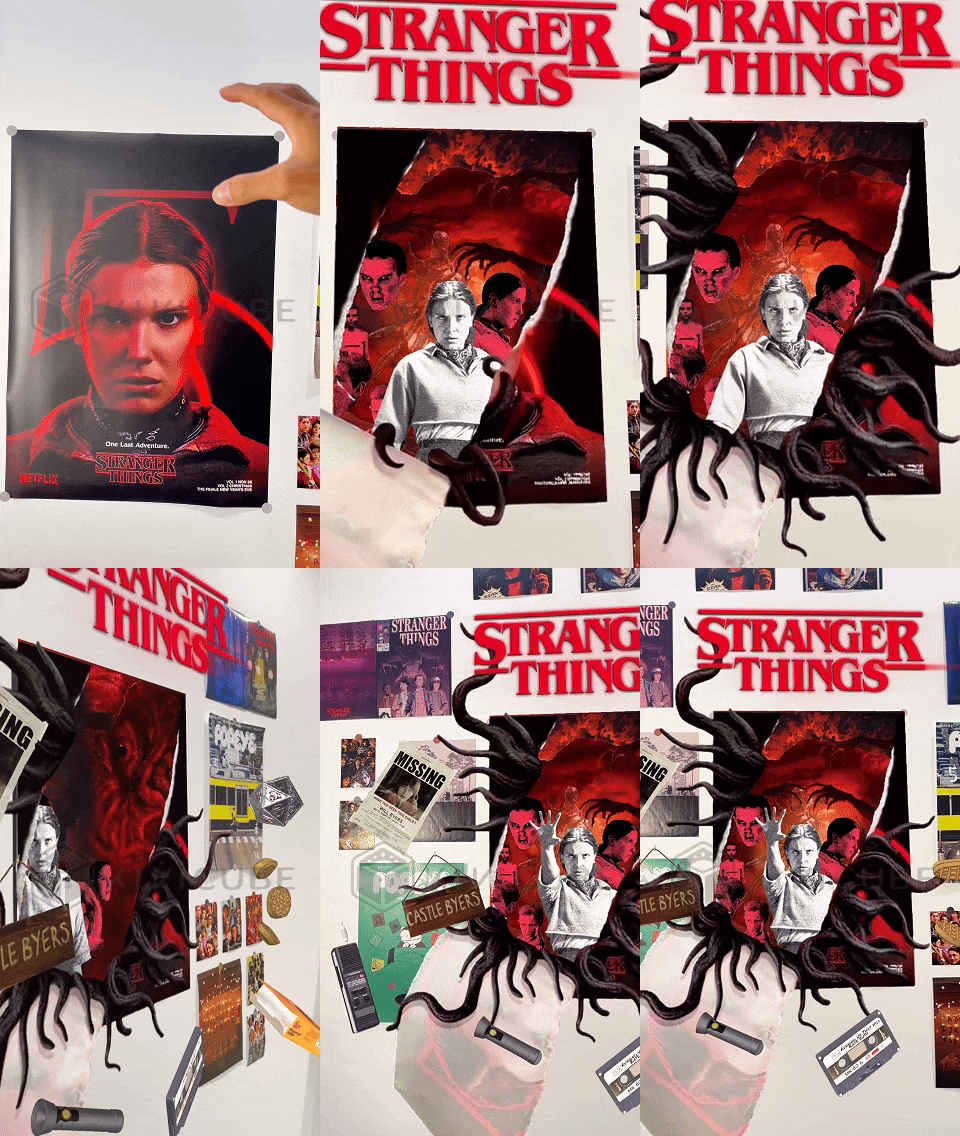
Scan a movie or TV show poster (e.g., Stranger Things) to see 3D characters swing, take shareable selfies, and link directly to ticket sales or jump to the reservation viewing page. It’s not just a poster—it’s user-generated content and free advertising rolled into one.
Culture and Education: Living Experiences
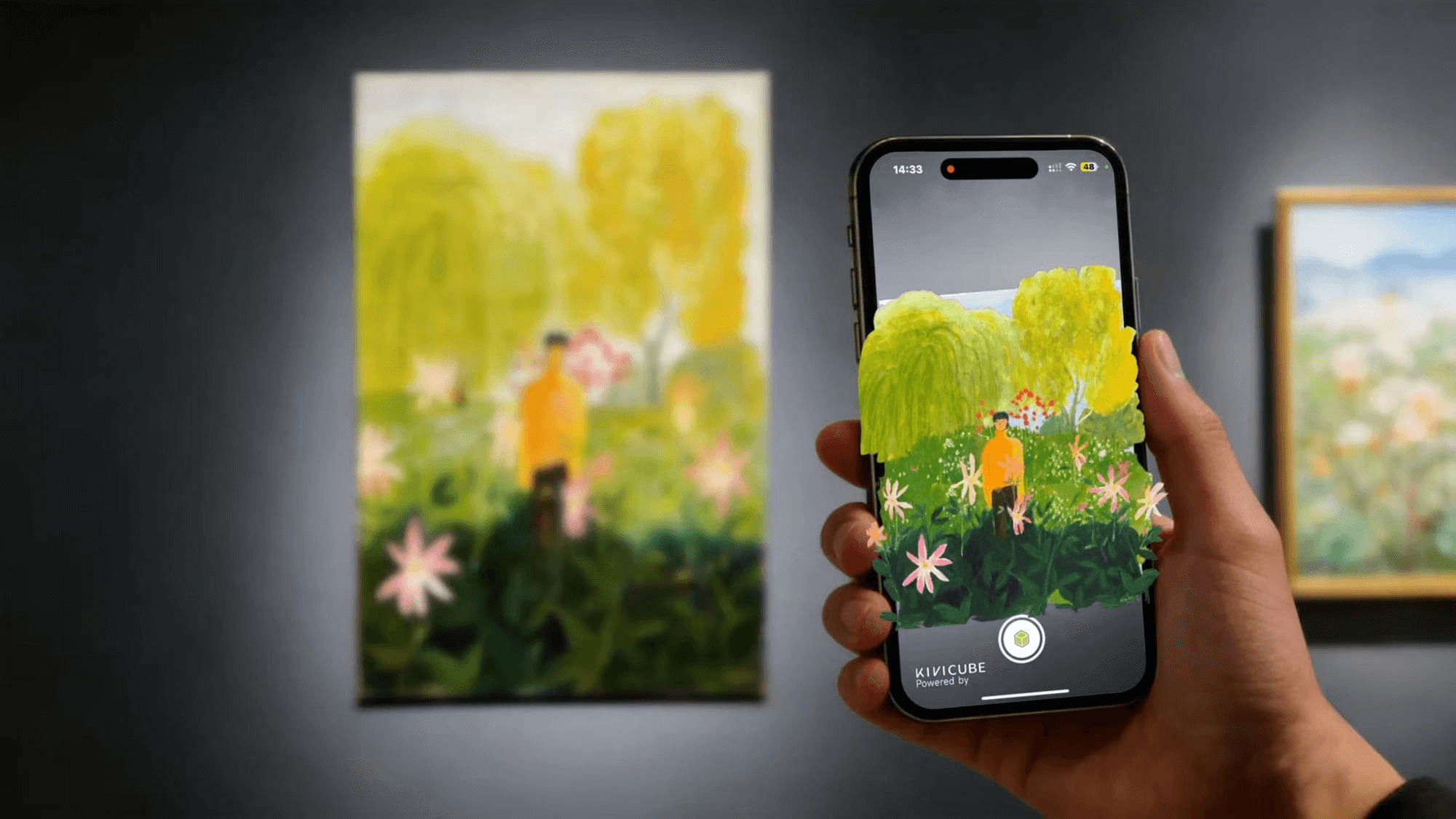
Art students turn exhibition posters into interactive portfolios: scan to see time-lapses, artist commentary, and 3D models. Museums (like Van Gogh Museum) make static art come alive—swirling skies, audio stories. Dinosaur posters place life-sized 3D dinosaurs in homes, turning learning into exploration.
Retail and Commerce: AR Posters as Marketing Media
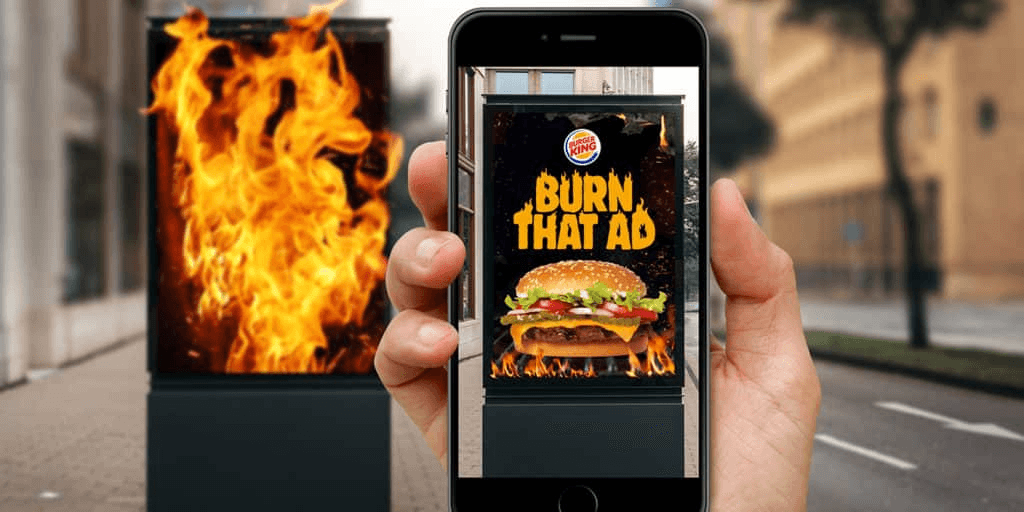
Years ago, Burger King launched a viral AR marketing campaign—when users scanned a McDonald’s poster via the campaign, the AR technology would "burn" the McDonald’s poster and turn it into a Burger King poster. This iconic case proved the creativity of AR in marketing early on. Today, similar ideas thrive: scan a Coca-Cola label for virtual idols and discount wheels, or real estate posters let users "walk through" virtual showrooms—sold before they visit. Your product becomes its own marketing tool.
Brand Events: Invitations That Hyped
AR invitations preview pop-up shops or charity campaigns (e.g., WWF’s snow leopard poster places a 3D leopard beside you, driving donations). Empathy becomes action; anticipation becomes attendance.
Part V: The AR Poster Creation Revolution — From Code to Drag-and-Drop
A few years ago, AR posters required dev teams and big budgets—even for basics—putting them out of reach for most brands. For years, WebAR pioneer 8th Wall was developers’ go-to for building browser-based AR, but its shutdown left a critical void—one quickly filled by Kivicube.
Kivicube solves this pain point: great AR doesn’t need a computer science degree. Its zero-code, drag-and-drop platform lets marketers, designers, and students build AR posters in hours—not months. Unlike other tools (and 8th Wall, which required coding), it balances simplicity and quality, fully optimizing for WebAR (works on all browsers, no glitches), with free/affordable tiers accessible to SMBs and powerful enough for enterprises.
Kivicube WebAR Capabilities Overview
Part VII: The Future — Will AR Posters Become Standard?
AR posters are following QR codes’ trajectory: weird → everywhere → invisible (background habit).
The ingredients are here: Chrome/WebXR (tech), QR codes (distribution), Kivicube (accessibility), and proven ROI (business case).Soon, every poster, menu, and package will have a digital layer—not because AR is cool, but because it works.
Part VIII: FAQ — Your AR Poster Questions Answered
Q1: How much does an AR poster cost?
Free (Kivicube’s free tier) for simple experiences; affordable paid plans for complex 3D content—cheaper than most billboards or video production.
Q2: Do users need software?
No. Modern phones with Chrome/Safari handle Web AR chrome natively—scan, allow camera access, and go.
Q3: Can I track scans?
Yes. Kivicube provides analytics like scan counts, interaction time, demographics, and device types.
Q4:Best platform for AR posters?
Kivicube (2026’s top pick). No coding, web-based, works on all devices, and fills 8th Wall’s gap—perfect for brands/designers of all sizes.
Q5: Do AR posters work indoors/outdoors? Yes—as long as the poster is visible and well-lit. Extreme glare/darkness may interfere (rare for most placements).
Q6: How long to create one?
Under an hour with Kivicube: We’ve prepared a simple tutorial to help you get started quickly—upload your poster (as the AR trigger), add 3D models or videos (as interactive content), make simple adjustments to fit your needs, and click publish. No coding skills required at all.
 Caroline Yuan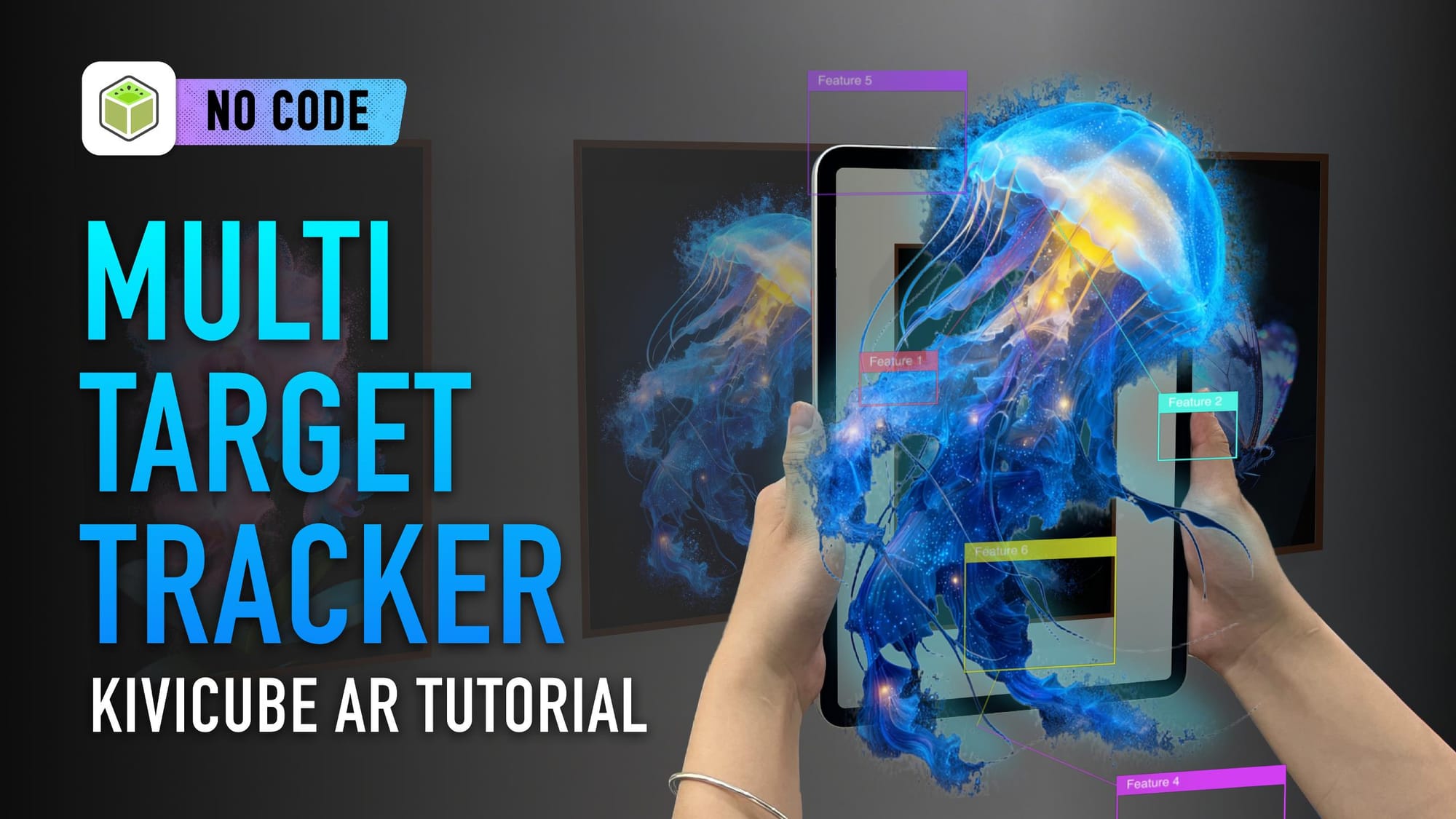
Q7: Is this a trend?
No—AR is a permanent shift in how we interact with information. Pairing it with print (one of the oldest media) is evolution, not a fad.
Conclusion: Interactivity Is the New Credibility
In 2026, static posters feel incomplete. Users expect interactivity and AR posters deliver, turning print into a digital, active experience.The barriers are gone: Chrome powers the tech, QR codes handle distribution, and Kivicube makes creation accessible. The future of marketing isn’t in apps—it’s on subway walls, coffee counters, and gallery doors. It’s on paper. It’s on AR posters.And it’s waiting for you to scan!