
When Stories Leap Off the Page: How AR Is Reshaping the Future of Reading?
AR turns books into immersive portals. Discover how this technology enhances engagement, simplifies complex ideas, and creates magical reading experiences for all ages—now accessible to any creator with no-code tools. Step into the future of storytelling.
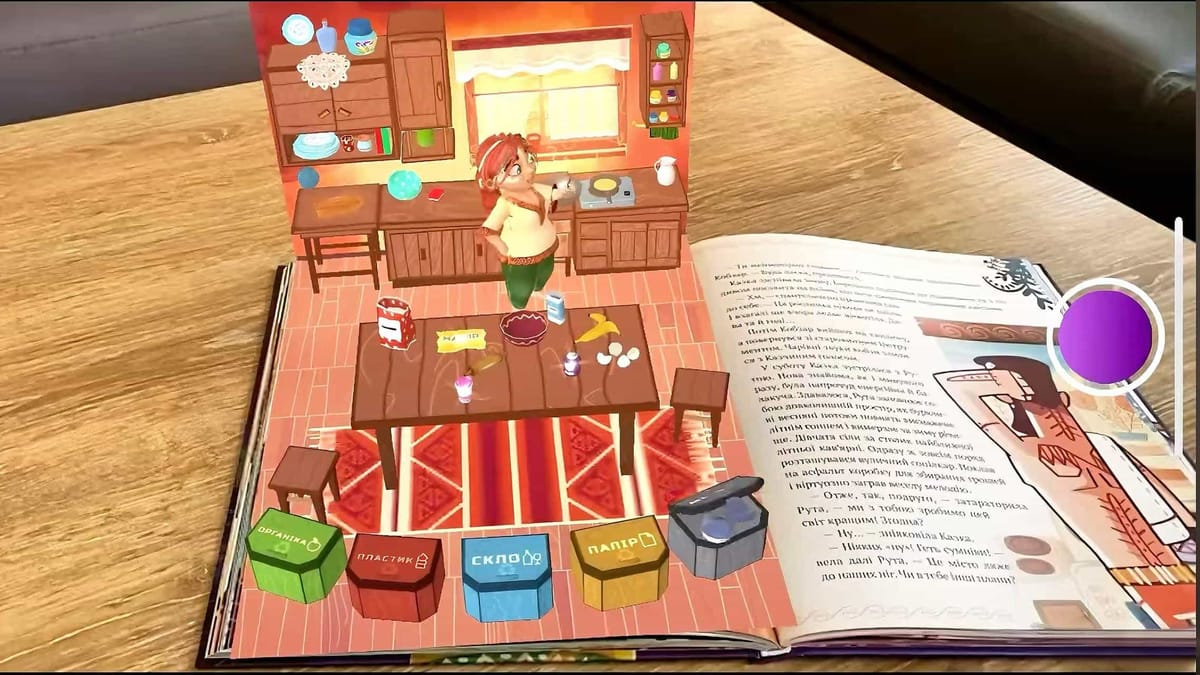
What if a book could do more than tell a story?
What if the characters and scenes could break free from the page, appear right in front of you, and interact with you?
This is no longer science fiction. Augmented Reality (AR) is bringing a real transformation to the publishing industry. This article explores how AR technology brings about changes to the traditional publishing industry and how creators can adopt this innovation with virtually zero technical barriers.
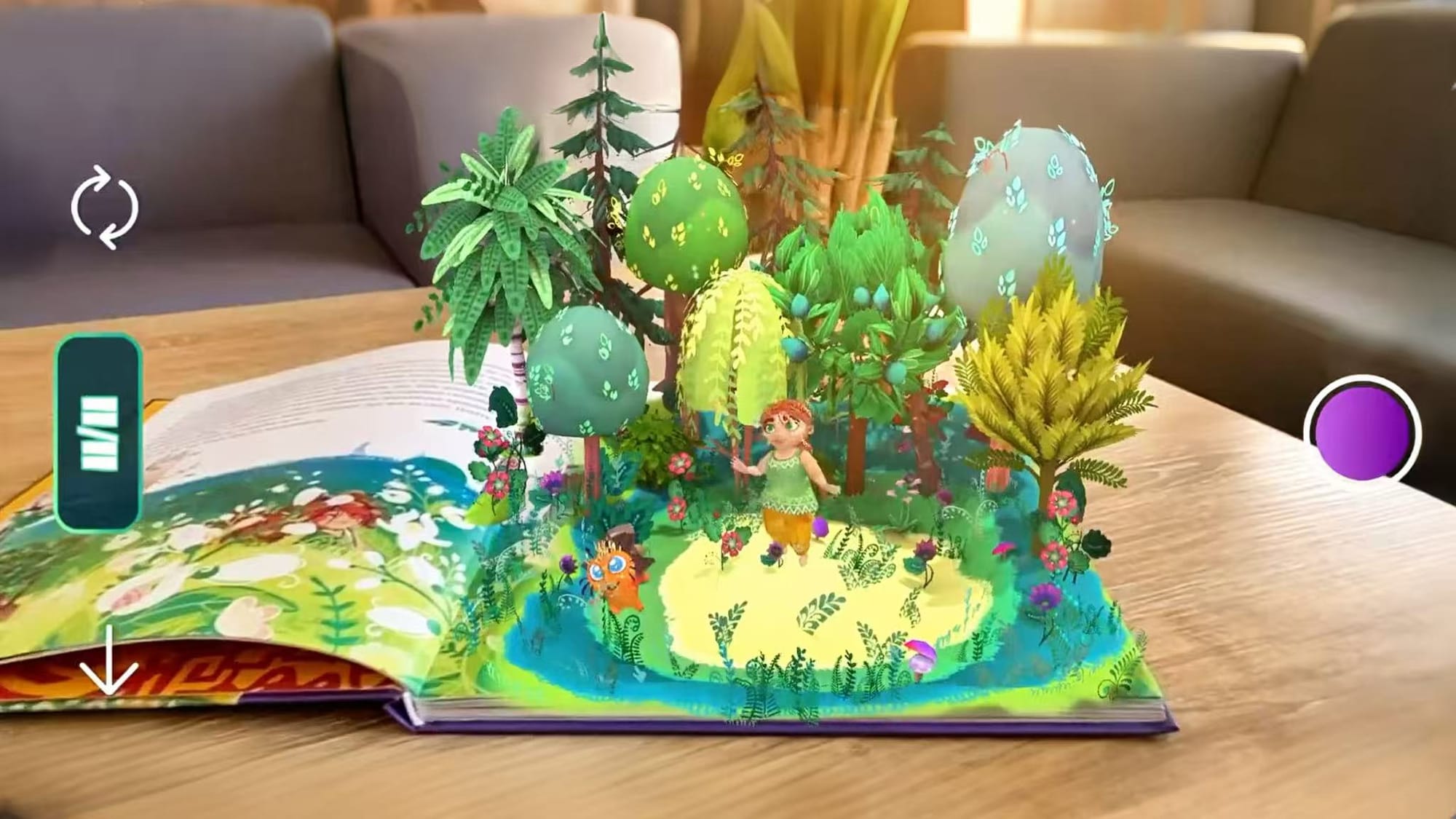
Why Do Books Need AR? Four Core Benefits
In an age of information overload, static text and images often struggle to capture attention and convey complex ideas. By overlaying digital content onto physical pages, AR offers a powerful solution:
1.Expanding Information Depth
AR breaks free from physical page limits by embedding videos, 3D models, and animations. A single book can become a multimedia knowledge hub, offering richer and deeper content.
2.Reinventing the Reading Experience
Dynamic, interactive visuals instantly engage readers — especially younger audiences — transforming reading from passive consumption into active exploration.
3.Simplifying Complex Concepts
Abstract ideas and microscopic structures (such as human organs or molecular movement) can be visualized in 3D, making difficult concepts intuitive and easy to understand.
4.Boosting Engagement and Learning Efficiency
Immersive, multi-sensory experiences make reading more enjoyable while significantly improving focus and information retention.
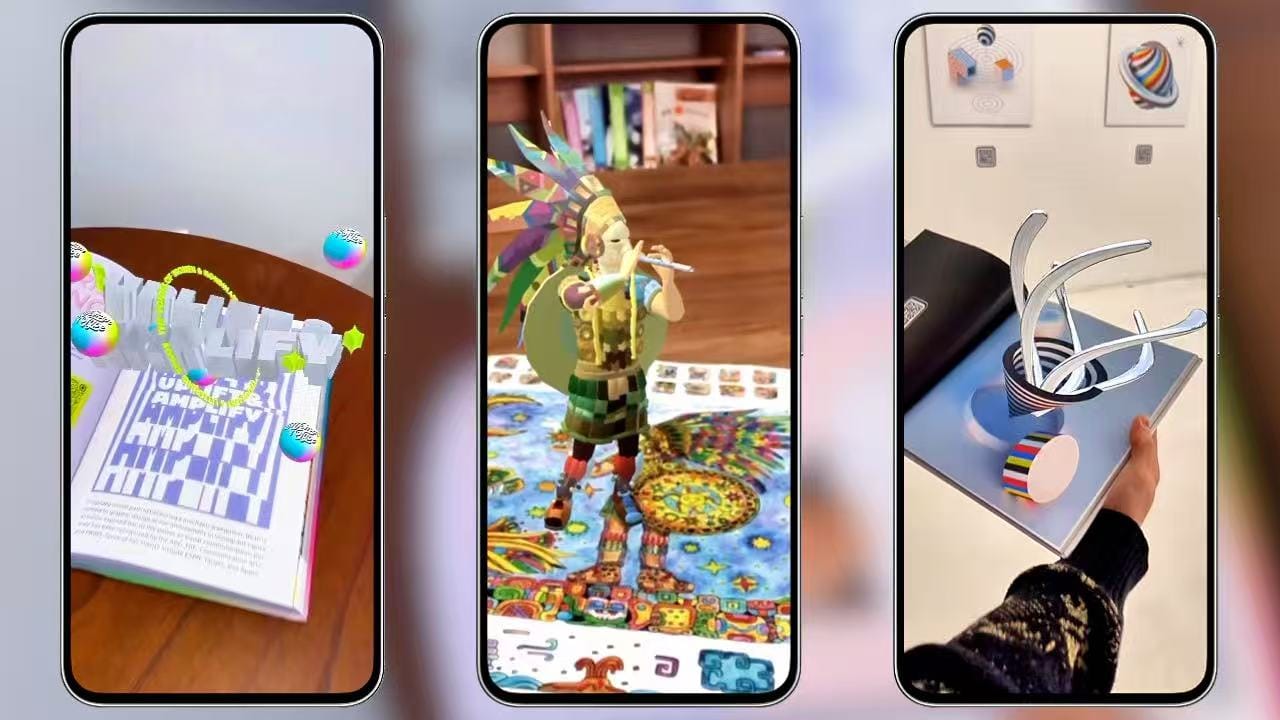
AR in Action: Real-World Book Applications Across Genres
AR technology is already enhancing many types of books, delivering impressive results :
AR Art Books: Revealing the Creative Process
Case: Street Art & Photography with AR
Readers scan the pages to unlock behind-the-scenes stories, artist interviews, and videos related to each artwork. The experience evolves from simply viewing art to truly understanding it.

AR Popular Science Books: Making Abstract Knowledge Tangible
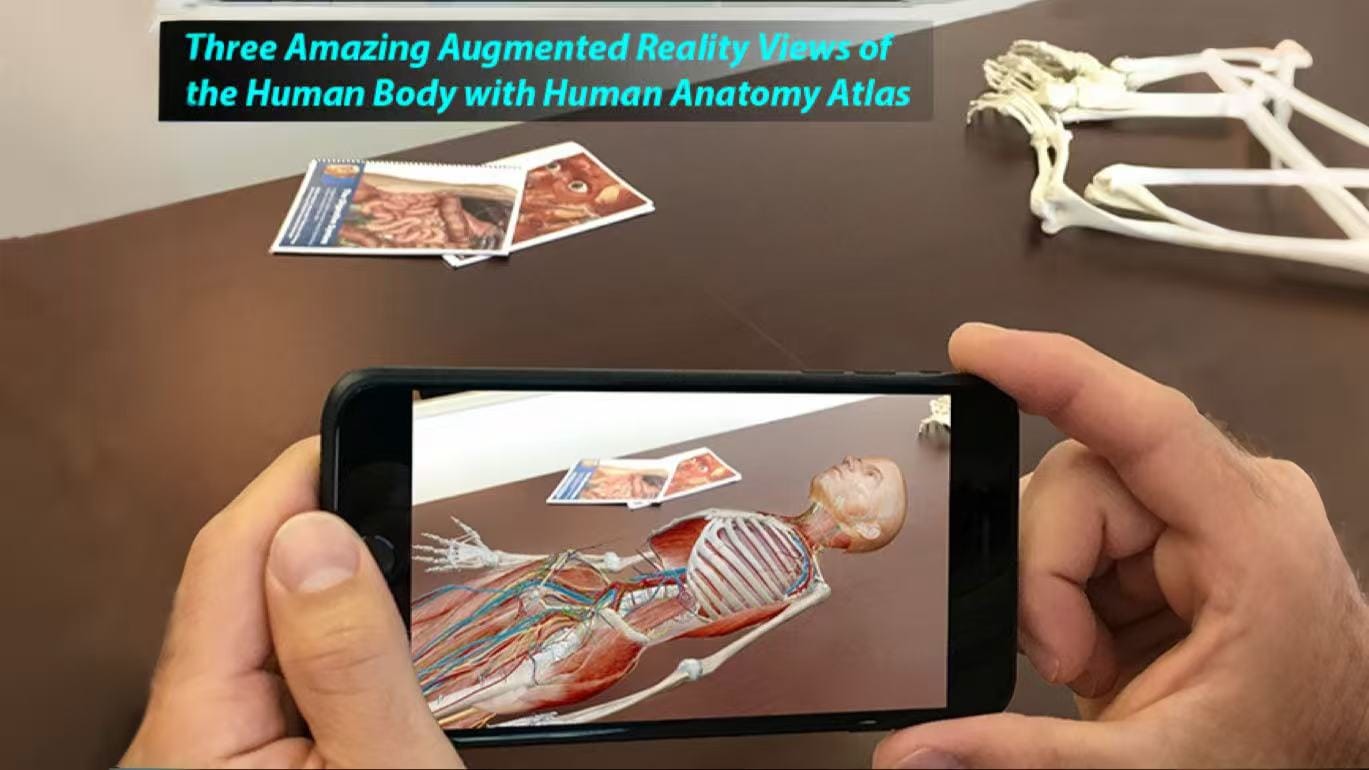
Case: iExplore Human Body
AR transforms traditional anatomy content by displaying interactive 3D human body models. Readers can observe internal structures and see organs in motion, turning complex physiology into a clear, visual experience.
AR Children’s Picture Books: Stories That Perform Themselves
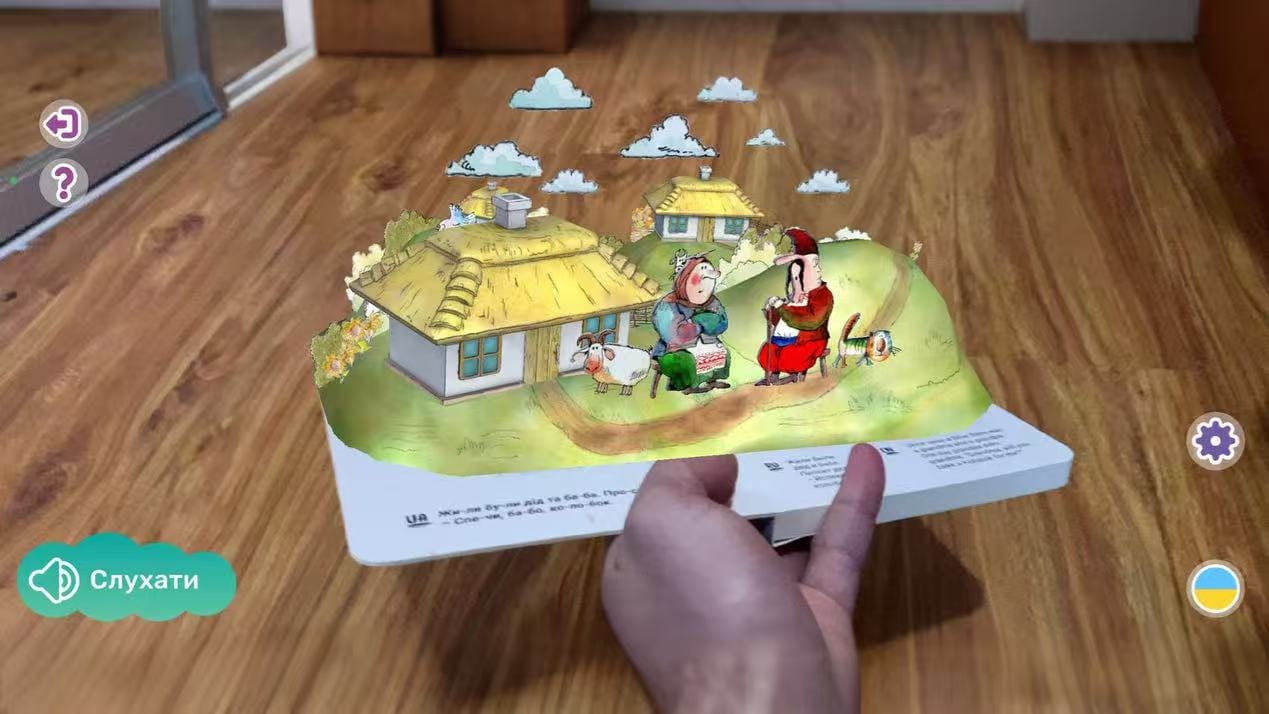
Case: Ukrainian Folk Tale: Kolobok and The Three Little Pigs
Characters leap off the page and perform scenes in AR. Combined with voice narration, the book becomes an interactive storytelling theater that sparks imagination and deepens engagement for young readers.
The Key Tool: How to Create an AR Book Without Coding
In the past, producing AR books required high budgets and custom apps. Today, WebAR enables instant, app-free experiences — and no-code platforms like Kivicube remove technical barriers entirely.
Why Choose Kivicube?
What is Kivicube, Youtobe source: kivicube
1.No-Code Visual Editor
Build AR scenes as easily as creating a presentation — simply drag and drop, no programming required.
2.Pure WebAR Experience
Readers access content directly through a browser. No app downloads, instant access.
3.Extensive Built-in Resources
Over 100,000 3D models and animations, plus 200+ industry templates, making it easy to start from zero.
4.Advanced Interaction & Scalability
Supports interactive animations and open APIs, suitable for everything from simple projects to complex custom solutions.
Three Simple Steps to Create Your First AR Book
STEP 1 Prepare Content
Identify which pages to enhance and gather digital assets such as videos, 3D models, images, or text.
STEP 2 Build Interactions
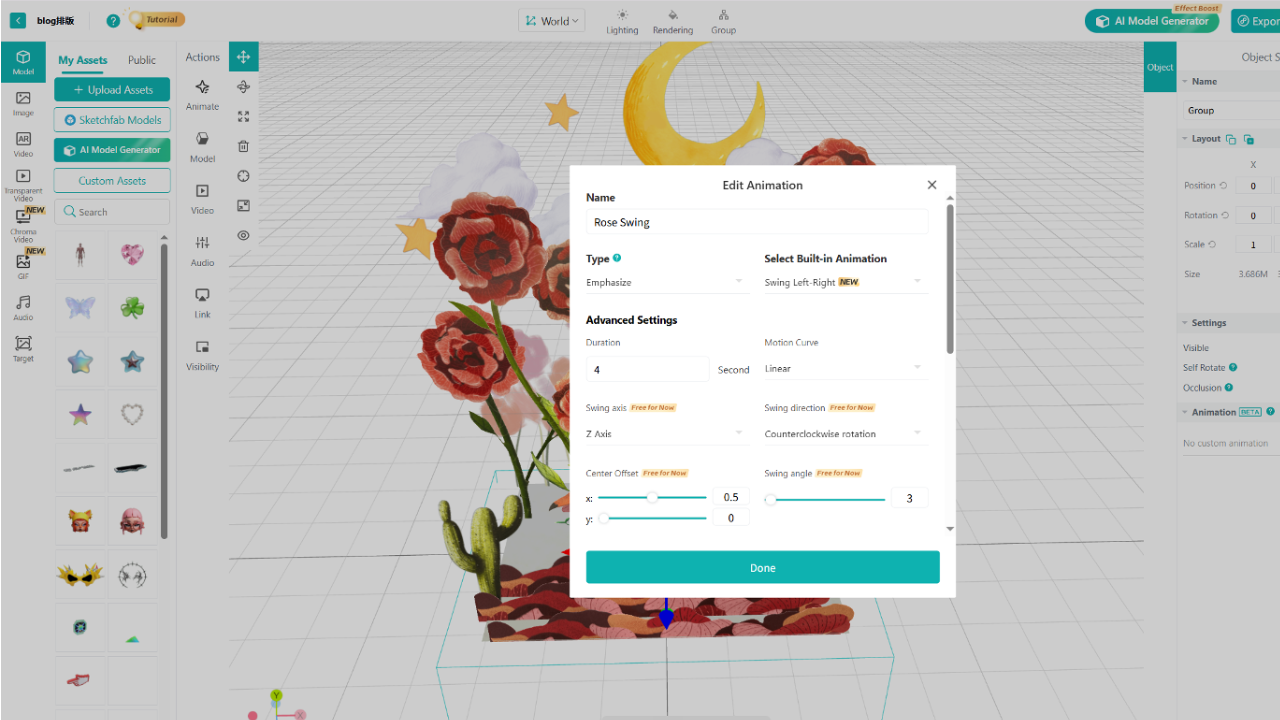
Log into Kivicube, create an AR scene, upload assets, and arrange interactions using the visual editor.
STEP 3 Publish & Print
Generate a unique QR code and place it in the book. Readers scan it to instantly access the AR experience.
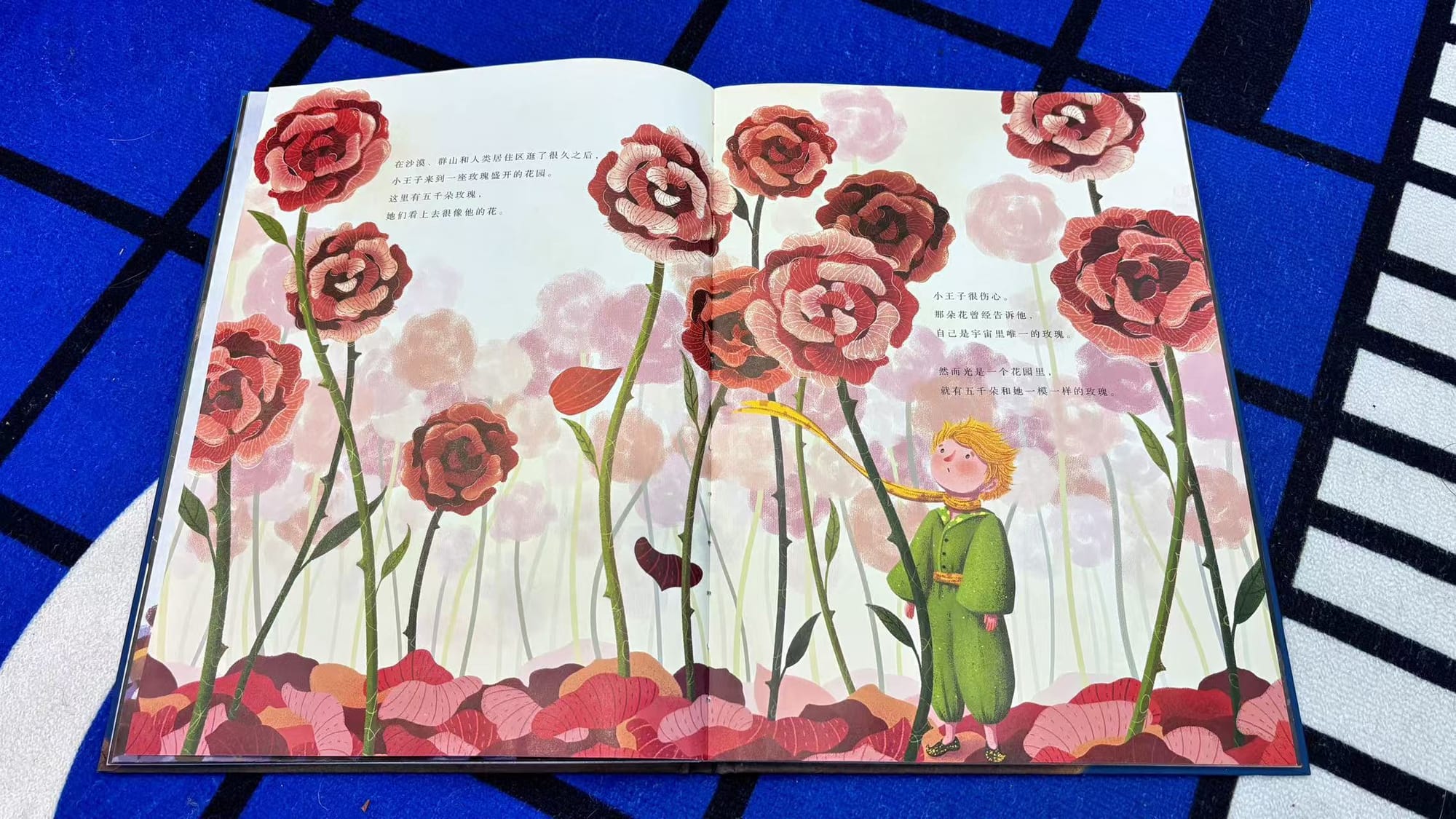
Experience The Little Prince in AR, youtobe source: kivicube
Conclusion: Enter the Era of AR Publishing
WebAR has dramatically lowered the entry barrier for immersive reading experiences, and platforms like Kivicube make AR creation accessible to everyone. AR is no longer expensive or exclusive — it’s a powerful storytelling tool available to every publisher and creator.
Ready to bring your stories to life?
Start creating your first augmented reality book for free on Kivicube — no code required, just your creativity.