
Augmented Reality in Retail: Applications, Benefits & Real-World Examples (2026)
What is Augmented Reality?
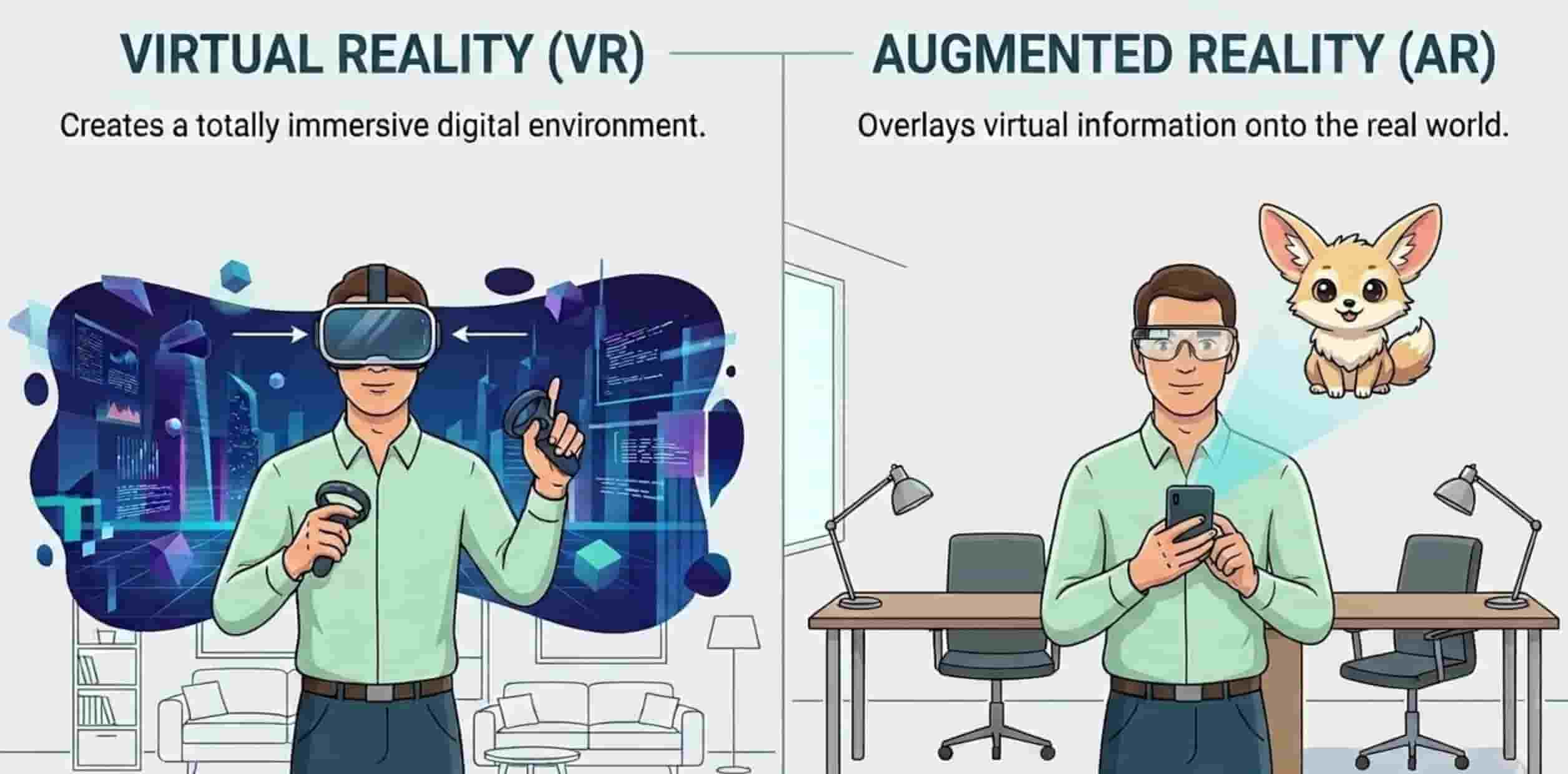
Before diving into the retail shift, it’s essential to clarify the Augmented Reality meaning. Unlike Virtual Reality (VR), which creates a entirely digital environment, Augmented Reality (AR) overlays virtual data onto the physical world. It uses your smartphone or AR glasses to "augment" what you see, blending digital objects with your actual surroundings.
In 2026, the retail sector has moved past treating AR as a novelty. It is now a core conversion engine. Market data suggests the global AR investment scale will hit $747.3 billion this year, with a massive 86% of brands reporting that AR directly drives new sales channels.
Real-World AR Retail Campaigns (2026)
AR Campaigns
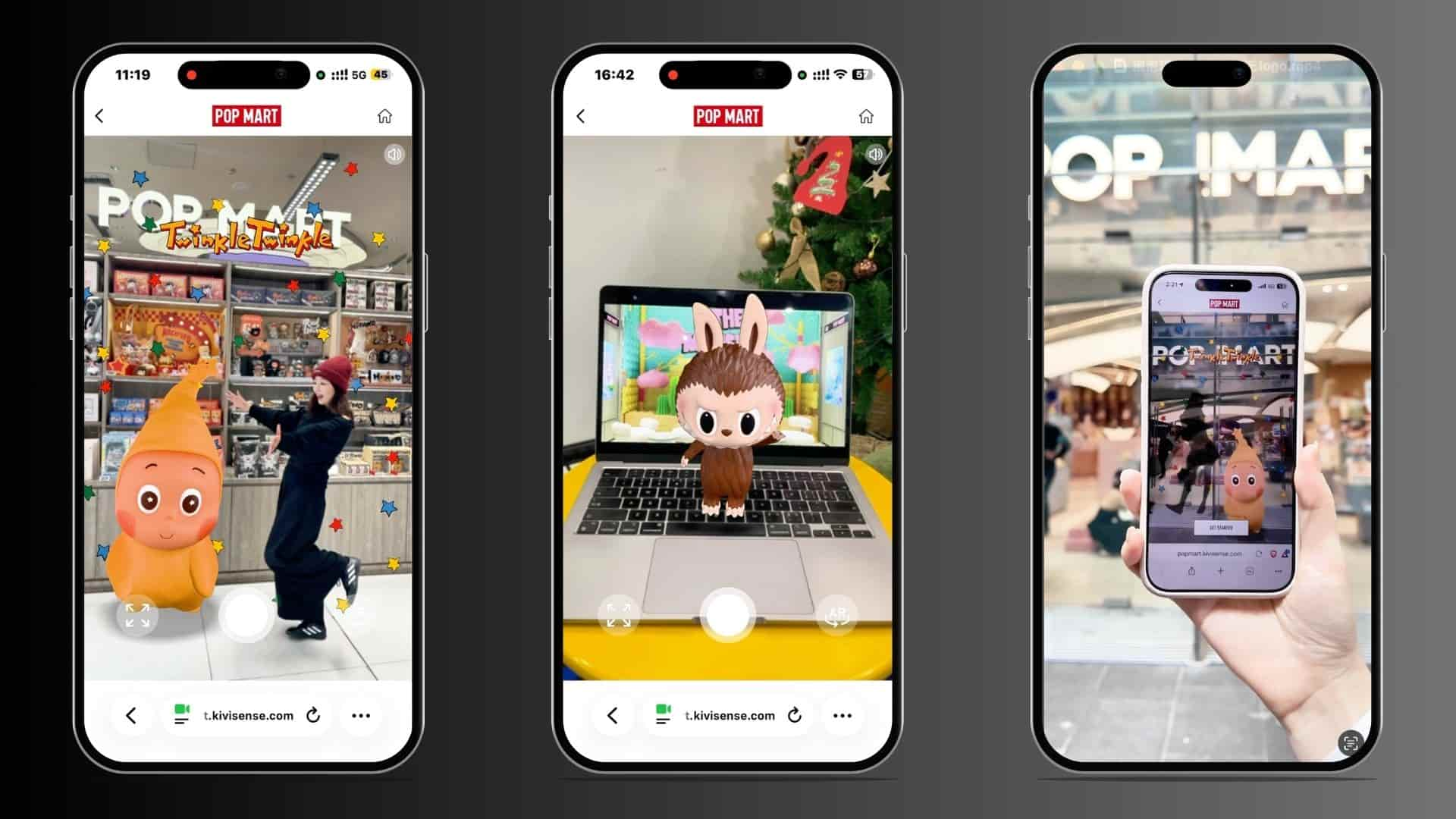
POP MART’s Australian flagship store launched a storewide AR activation centered on its iconic Labubu, Molly, and Starman IPs. The experience is based on webAR technology — shoppers can simply scan a QR code in-store to access the AR experience, no app download required. This webAR activation combines interactive installations, a gamified in-store treasure hunt, and shareable IP-themed face filters, which not only engages customers but also boosts in-store foot traffic and brand advocacy.
You can create similar viral AR filters for your retail brand in minutes with our step-by-step guide: Create your own viral AR filter in 3 minutes with this ultimate webAR guide.
AR Packaging
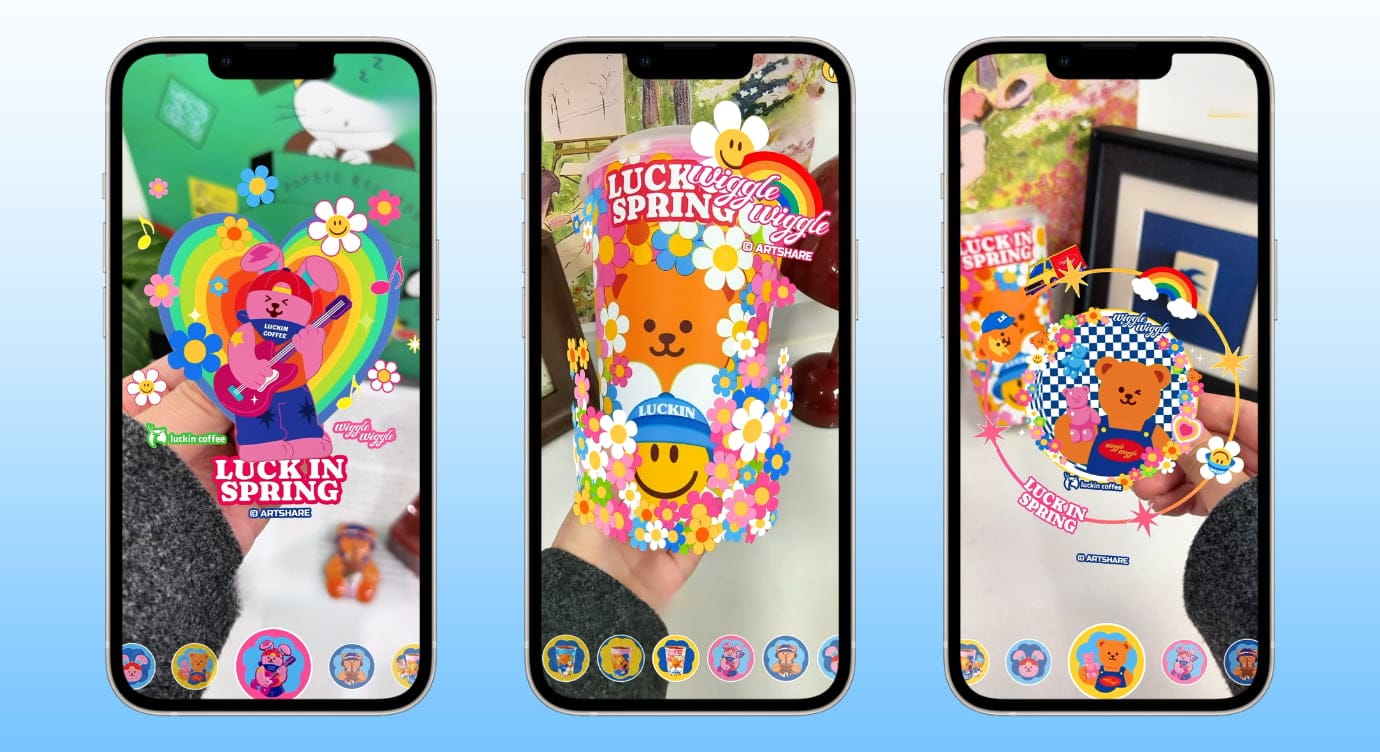
Luckin Coffee has launched a limited-edition co-branding collection with Wiggle Wiggle, allowing users to scan both the co-branded coffee cups and the accompanying merchandise including badges and mirrors to trigger interactive AR effects. This WebAR packaging strategy is specifically designed to boost sales of the co-branded merchandise and encourage users to upgrade to larger cup sizes.
Augmented Reality Accessories
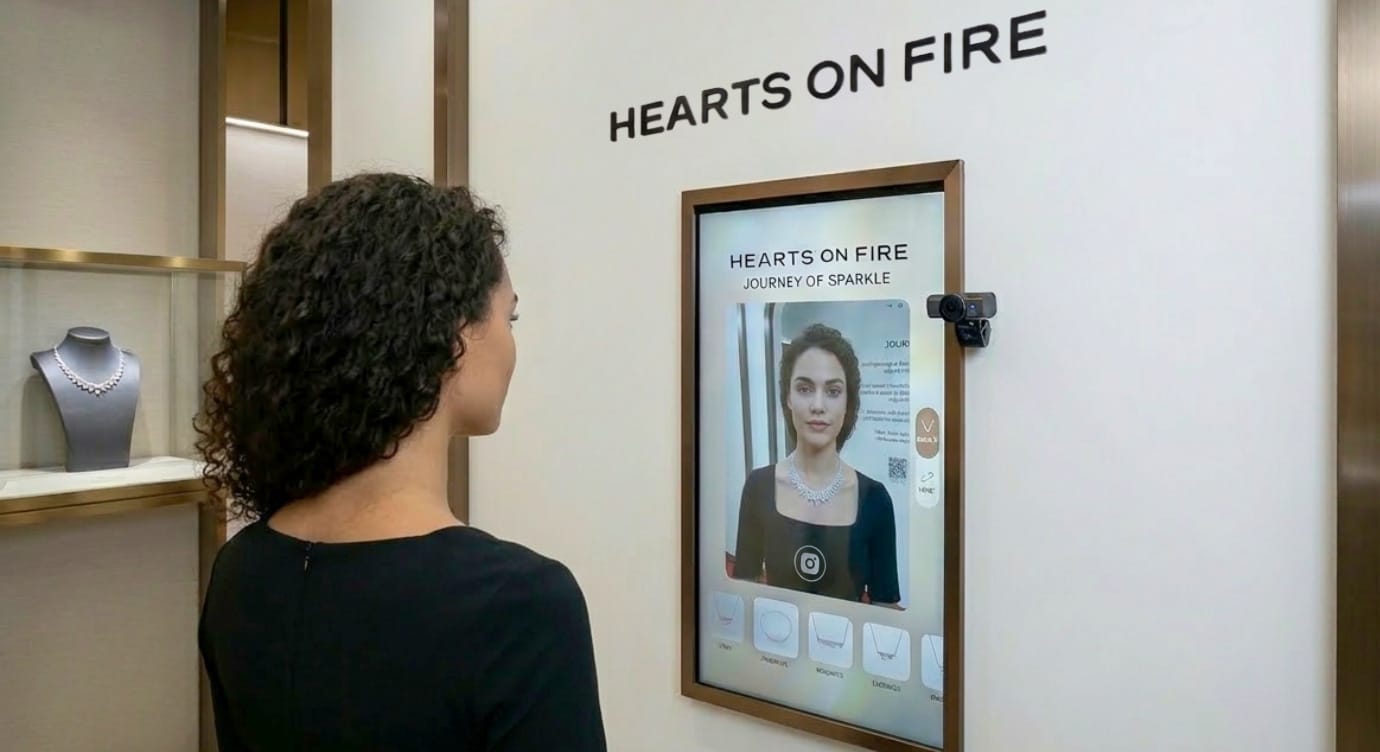
U.S. jewelry brand Hearts on Fire introduced AR try-on experiences powered by webAR technology—this browser-based AR solution allows shoppers to access the virtual try-on feature across its official website, in-store terminals and official app, ensuring a consistent experience wherever they engage. The webAR driven try-on lets shoppers virtually try on high-end jewelry pieces before ordering, effectively solving the issue of limited in-store stock for high-end jewelry and making it easier for customers to explore and select their preferred pieces. This webAR try-on model is equally effective for eyewear retailers, as seen in our detailed guide on How WebAR simplifies online eyewear shopping without any coding required.
In-Mall AR Experiences
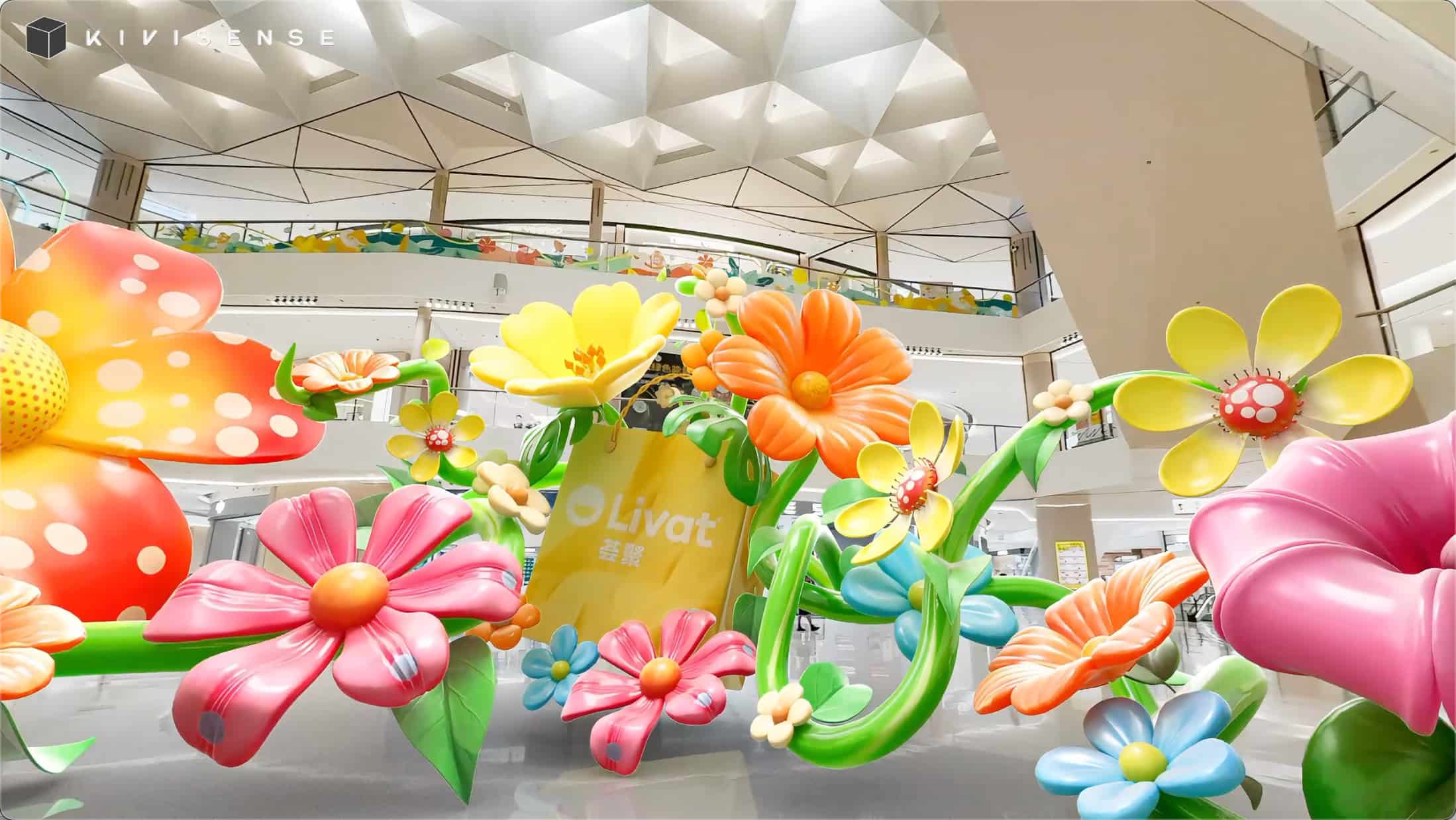
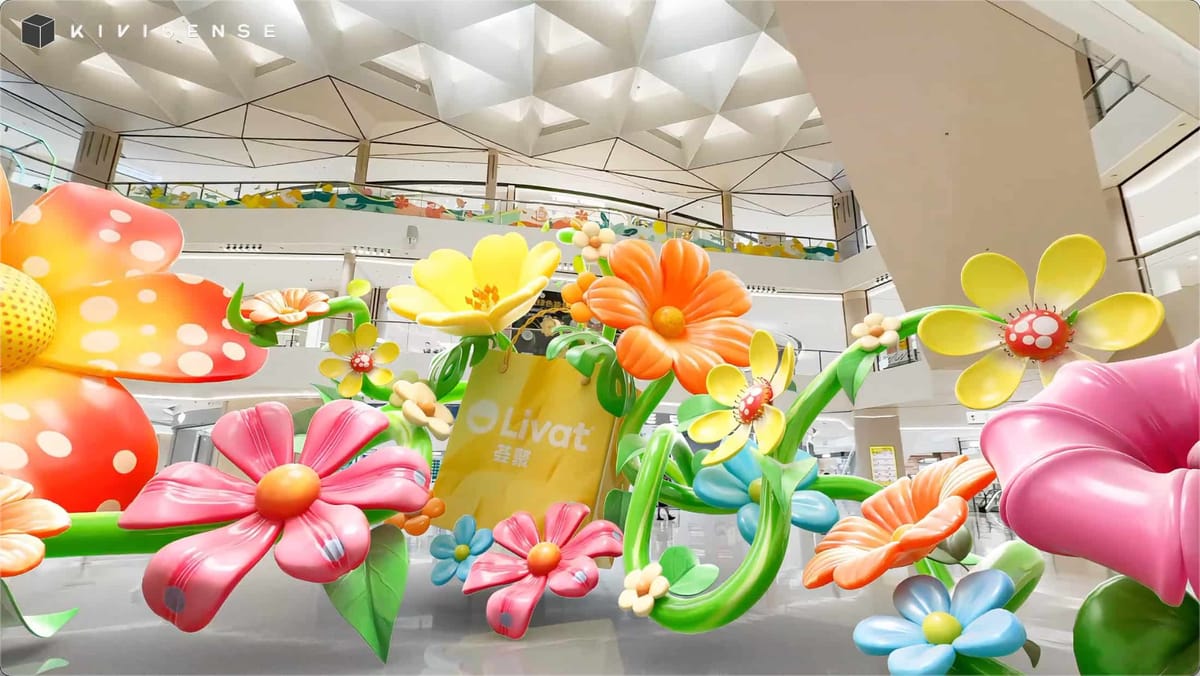
LIVAT Mall rolled out a full WebAR experience to enhance the shopping journey, offering IKEA-themed filters, interactive AR games and large-scale immersive installations. The experience also integrated merchant-specific coupons, driving foot traffic to stores and making the mall visit more engaging.
AR Furniture Placement
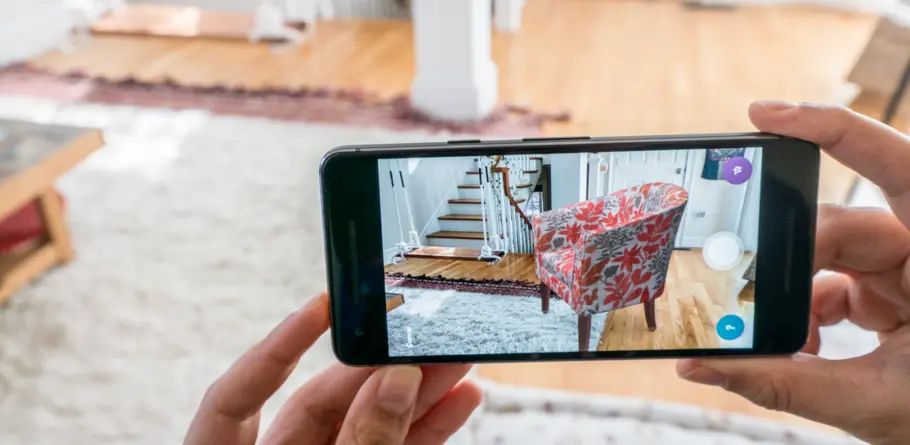
Wayfair’s View in Room AR tool has become a industry standard for furniture shopping. The feature lets users place 1:1 3D models of sofas, tables, and decor directly into their homes via their phone—before buying. This eliminates the “will it fit?” guesswork that plagues furniture e-commerce.
How to Implement AR in Retail: The Kivicube Solution
Many brands want to leverage AR but hit roadblocks: complex tech, long development cycles, and high custom costs from agencies. The solution? A no-code WebAR platform that makes AR accessible to every retailer—Kivicube.
No-Code AR Platform Kivicube | For Retail Brands
Here’s why Kivicube is the smart choice for 2026 retail AR:
- Industry-Specific WebAR Templates: Pre-built WebAR templates cover multiple retail sectors including alcohol, footwear, apparel and beauty. Users can create their own AR experiences by replacing assets—no technical skills needed, enabling quick campaign launches.
- Frictionless WebAR: Shoppers access AR via a scan or link—no app required. This maximizes your marketing funnel and boosts participation rates.
- Full AR toolkit: Built-in capabilities include image tracking, body tracking, face tracking, plane tracking, and object tracking—covering every retail use case.
- Low-Code & Professional Options: Use the drag-and-drop visual editor for quick campaigns, or access advanced APIs for custom, complex projects, no coding expertise needed to start.
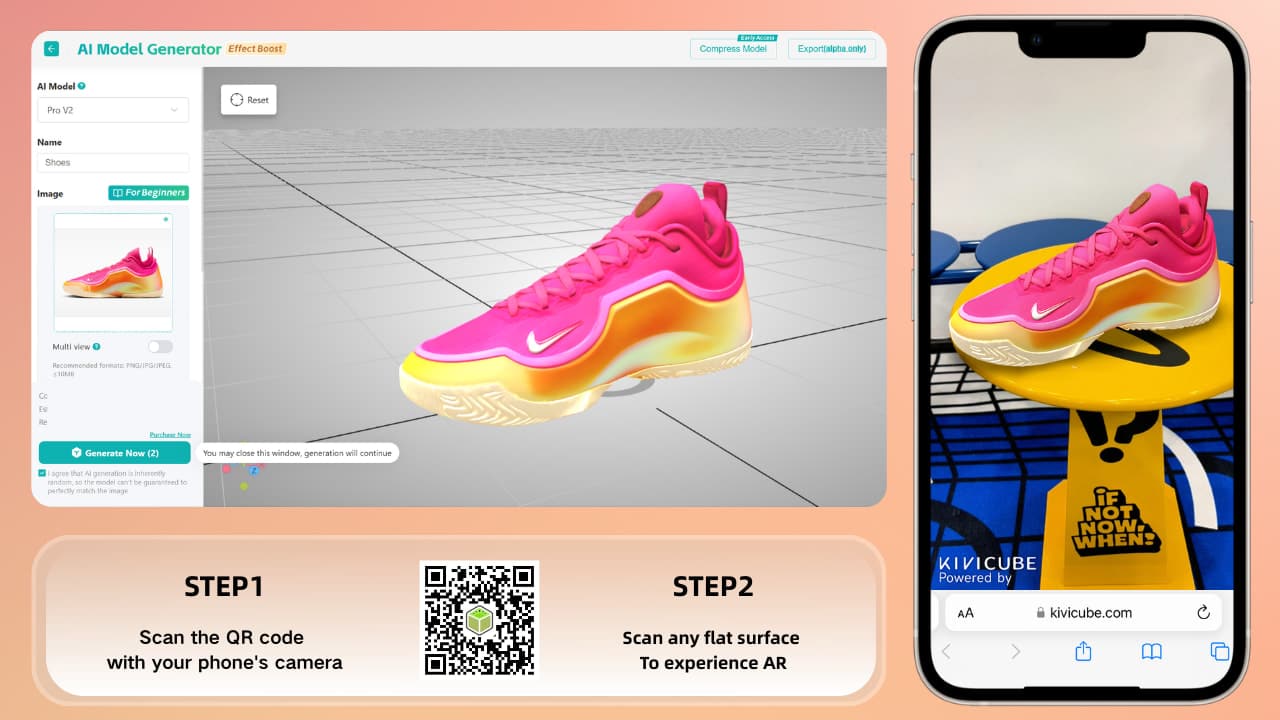
- AI-powered tools: Speed up creation with AI 3D model generation, smart video background removal, and AI video creation—cut development time in half.
- Cross-platform reach: Deploy AR on browsers, social media, your website, or your own app—reach shoppers wherever they are, with minimal cost.
- Built-in analytics: Track engagement, interactions, and conversions in real time to measure ROI and optimize your campaigns.
Final Thought
In 2026, the question is no longer "should we use AR?" but "how fast can we deploy it?" From WebAR activations to immersive AR packaging, the technology provides the "try-before-you-buy" confidence that modern shoppers demand.