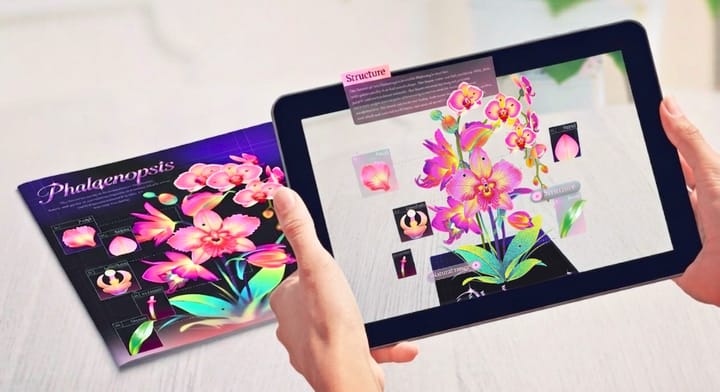
The Future of Interactive Content: Your Top Augmented Reality Questions and Answers
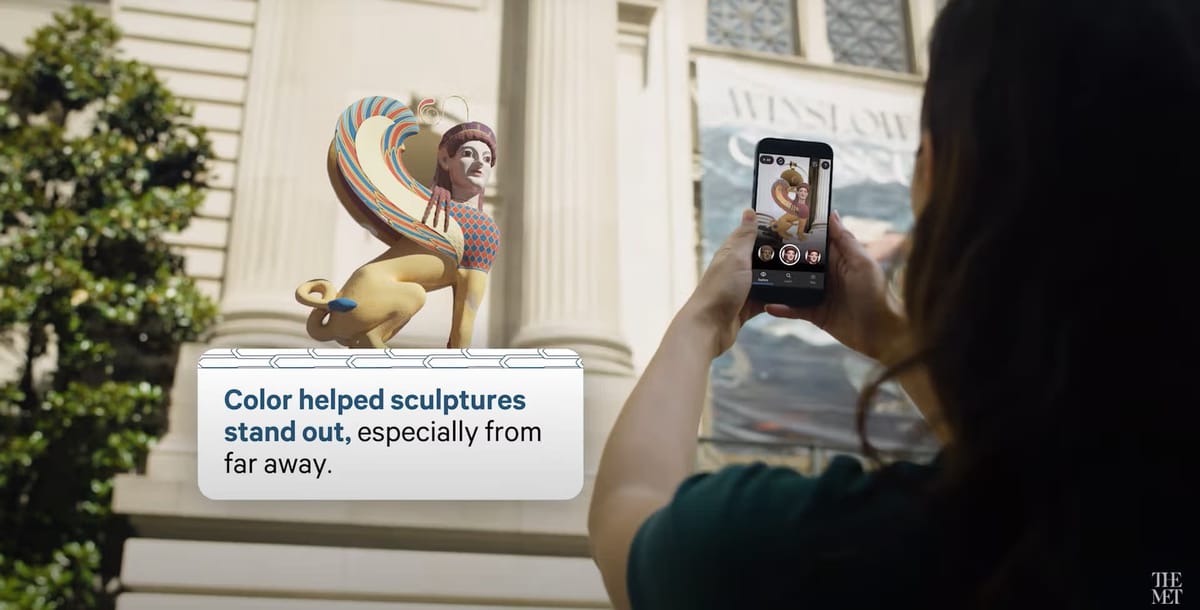
Augmented Reality (AR) is no longer a futuristic concept reserved for sci-fi movies or high-end gaming rigs. In 2026, it has become the heartbeat of digital transformation, seamlessly blending our physical world with digital intelligence. From scanning an augmented reality magazine to experiencing next-gen augmented reality entertainment, the barrier between "real" and "virtual" is disappearing.But as the tech matures, so do the questions. Whether you're a marketer, an educator, or a curious creator, understanding the "how" and "why" of AR is essential. Below, we’ve tackled the most pressing augmented reality questions and answers to help you navigate this space with authority.
Essential Augmented Reality Questions and Answers
What is the difference between WebAR and App-based AR?
This is the most critical question for creators today. App-based AR requires users to download a specific application (like Snapchat or a custom brand app). While powerful, it suffers from "app fatigue"—most users won't download an app just for a one-time experience.
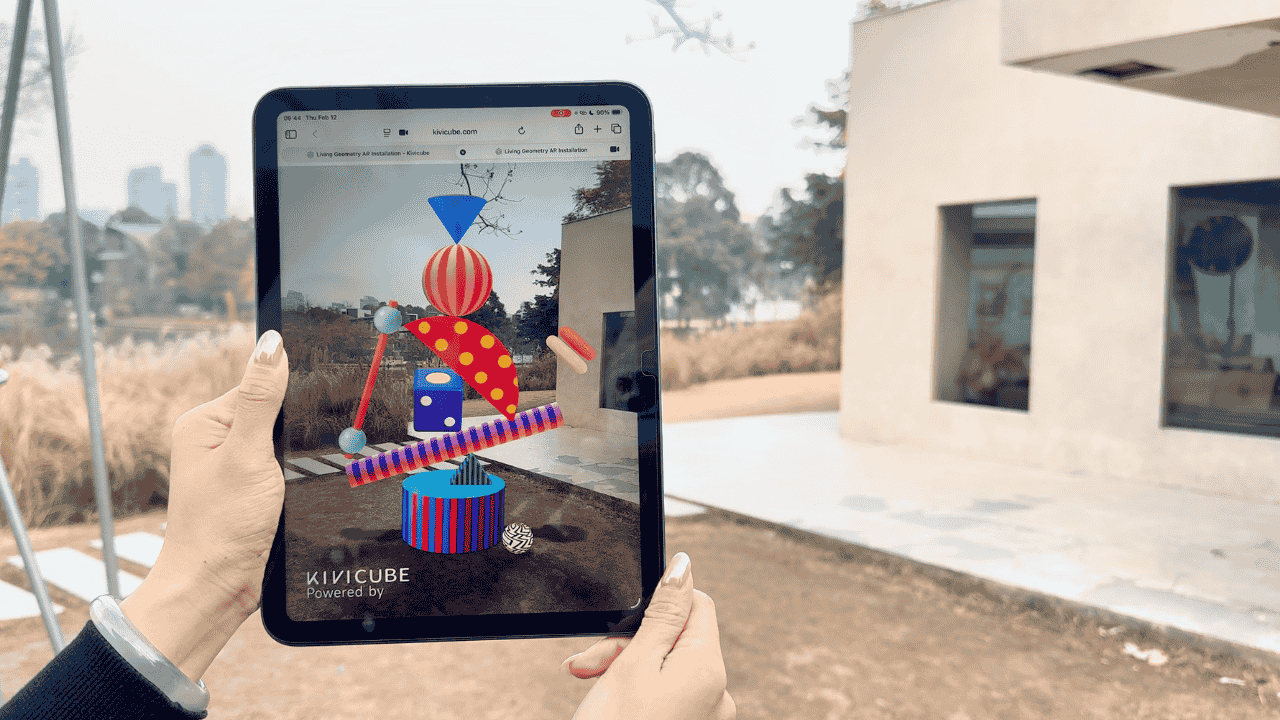
WebAR (Web-based Augmented Reality), on the other hand, runs directly in a mobile browser. Users simply scan a QR code or click a link, and the AR experience begins instantly. In the world of augmented reality entertainment, WebAR is the gold standard because it offers zero-friction access.
 summerqiu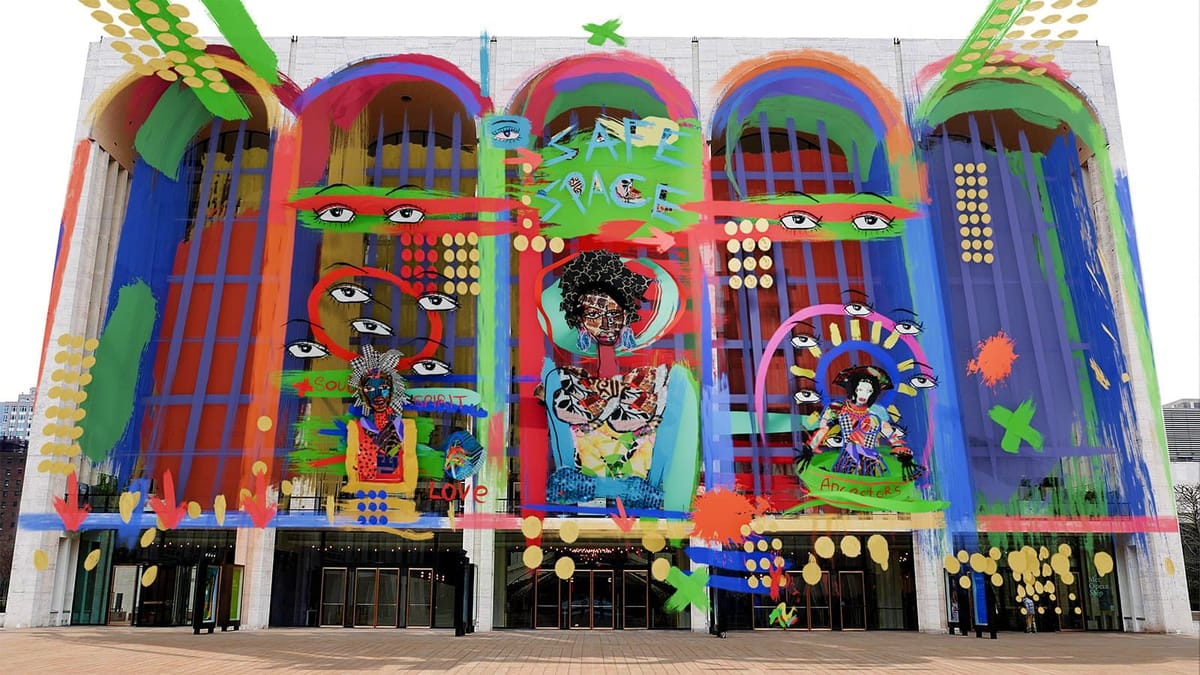
Explore more detailed WebAR info in this article
Is AR only for games and entertainment?
Not at all! While games and entertainment are popular uses for AR, it’s so much more than that.AR has become a powerful growth tool for many industries, including digital marketing, art, exhibitions, product packaging, beverages, retail, education, and more.It helps brands create more engaging, interactive, and memorable experiences for their audiences.
How is AR changing the publishing world?
The augmented reality magazine is the new frontier for print media. By embedding AR triggers into physical pages, publishers can turn static images into 3D product demos, "behind-the-scenes" videos, or even instant "Buy Now" buttons. It breathes new life into print, offering measurable analytics (scans, dwell time, clicks) that were previously impossible to track in traditional publishing.
For a deep dive into how AR is reshaping reading for all ages, check out our full guide here:
 summerqiu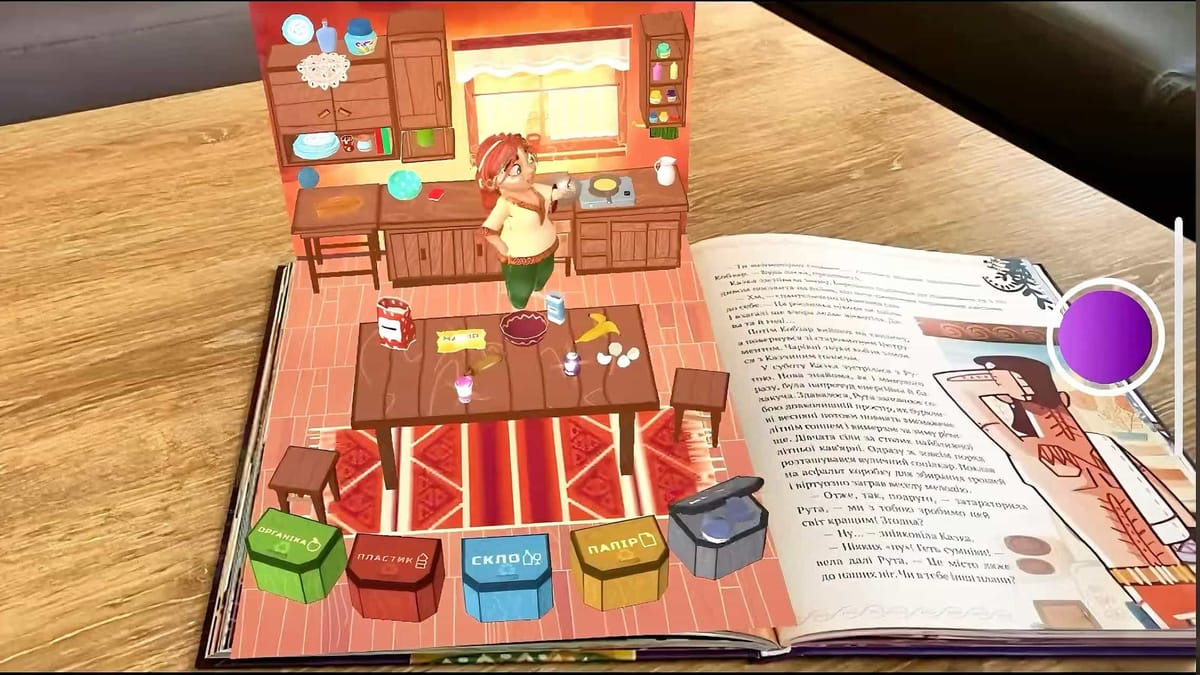
Can I create an AR without knowing how to code?
Absolutely. The industry has moved toward "no-code" platforms. Tools like Kivicube have democratized creation, allowing you to use drag-and-drop editors to build complex scenes, face filters, and image-tracking experiences in minutes rather than months.
Does AR work on all phones?
If you’re using WebAR, the compatibility is really high. Most modern smartphones (both Android and iPhone) can run WebAR experiences directly in the browser without needing to download any app.
Industry Insight: Why "Frictionless" is the Only Way Forward
In 2026, user attention is the most valuable currency. Statistics show that requiring an app download can cause a drop-off rate of up to 80%. This is why platforms that prioritize WebAR are winning. Whether it’s a holographic concert overlay or an interactive ad in a magazine, the experience must be instant.
Professional Recommendation: Why We Use Kivicube
If you’re looking to jump into AR creation, I consistently recommend Kivicube. As a professional-grade ARstudio, it strikes the perfect balance between ease of use and high-end features.
Kivicube Capabilities Overview: Your First AR Creation Studio
Why Kivicube stands out:
WebAR Native: Your creations are instantly accessible via a URL or QR code—no app stores required.
One-Stop AR Creation Tool: Kivicube integrates AI model generation, video processing, and image-text editing. Complete AR creation in one stop without switching tools, greatly enhancing convenience.
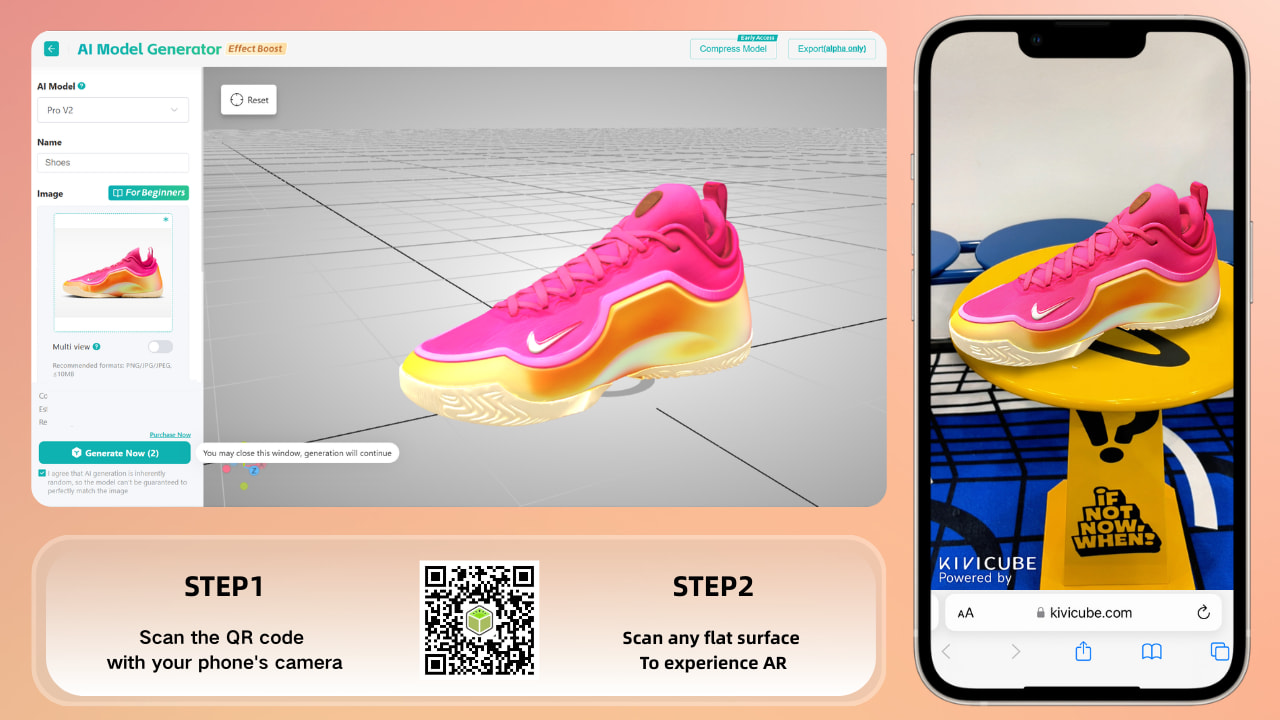
Rich AR Tracking Capabilities: Kivicube supports image tracking, face tracking, body tracking, plane tracking, object tracking, and more, covering almost all use cases for creators and businesses.
No Code AR Studio: You can set up complex "if-this-then-that" interactions (like making a model animate when a user taps it) without writing a single line of JavaScript.
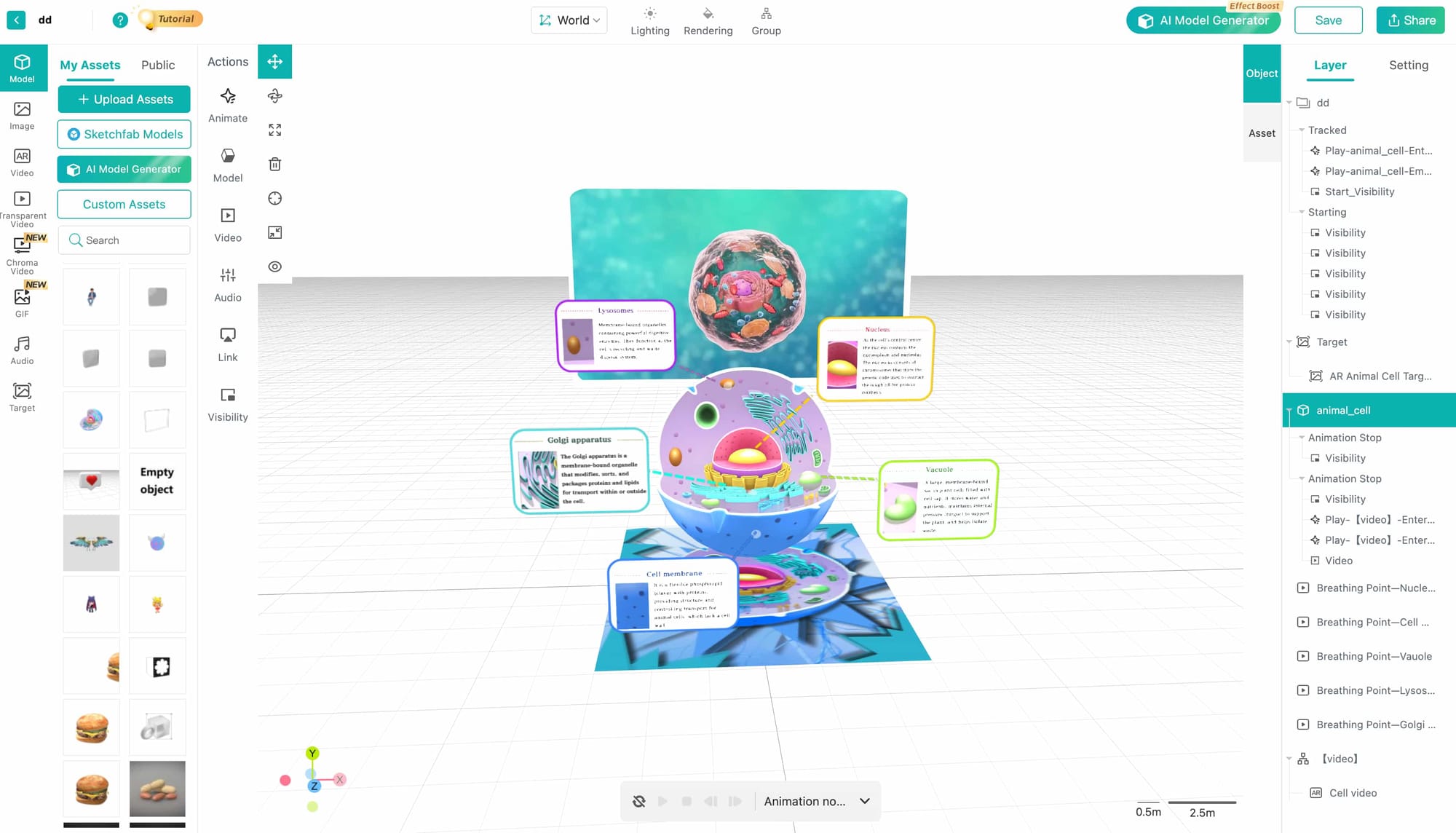
Ready-to-Use Templates: From "The Little Prince" interactive storybooks to International Women’s Day face filters, their template library lets you duplicate professional logic and just swap in your assets.
Take the Leap
The best way to understand AR is to build it. Don't let the technical jargon intimidate you—the tools have finally caught up to our imagination.
Ready to bring your ideas to life? Try Kivicube’s free no‑code WebAR studio and see how easy it is to turn a static image into an interactive AR world.