Augmented Reality Marketing in 2026: Strategy, Use Cases, and Choosing the Right Platform
Digital spaces are oversaturated with static ads these days—and that’s why Augmented Reality (AR) marketing has gone from a “nice-to-have” gimmick to a core driver of business results. For brands and agencies alike, the question isn’t whether to use AR anymore—it’s how to roll it out at scale to get measurable ROI.
What is Augmented Reality Marketing?
At its core, AR marketing closes the gap between digital content and the physical world. It lets consumers interact with products right in their own space—shifting the experience from passive “watching” to active “experiencing.”
The data speaks for itself. According to Shopify, brands using AR for product displays see conversion rates jump by up to 94%. They also cut return rates by 5–10% on average.
For retail and e-commerce brands, that’s a huge advantage—returns eat into profits and slow growth, so any reduction makes a real difference.
Key Benefits of AR Marketing for Brands & Agencies
AR lets marketers layer high-engagement digital assets over the real world, creating a “sticky” experience that traditional media just can’t match. For an augmented reality marketing agency, this value breaks down into four key areas:
- Elevated Engagement: Users don’t just scroll past AR—they interact with it. Average dwell times often top 90 seconds, which is way longer than the few seconds most static ads get before being swiped away.
- Stronger Brand Recall: AR’s immersive nature creates a sensory memory. When customers are ready to buy, your brand will be the one they remember.
- Driving Conversion & Social Sharing: AR gives consumers the reassurance they need before making a purchase. Plus, its fun, shareable quality sparks organic social buzz—no heavy ad spend required.
- Lower Acquisition Costs: By taking the guesswork out of online shopping (especially for retail), AR cuts down on returns. That makes your top-of-funnel budget stretch further and work harder.
Top Augmented Reality Marketing Use Cases
To run a successful AR campaign, you need to match the technology to where your customers are in their journey. These are the most effective applications right now—the ones that actually move the needle for brands:
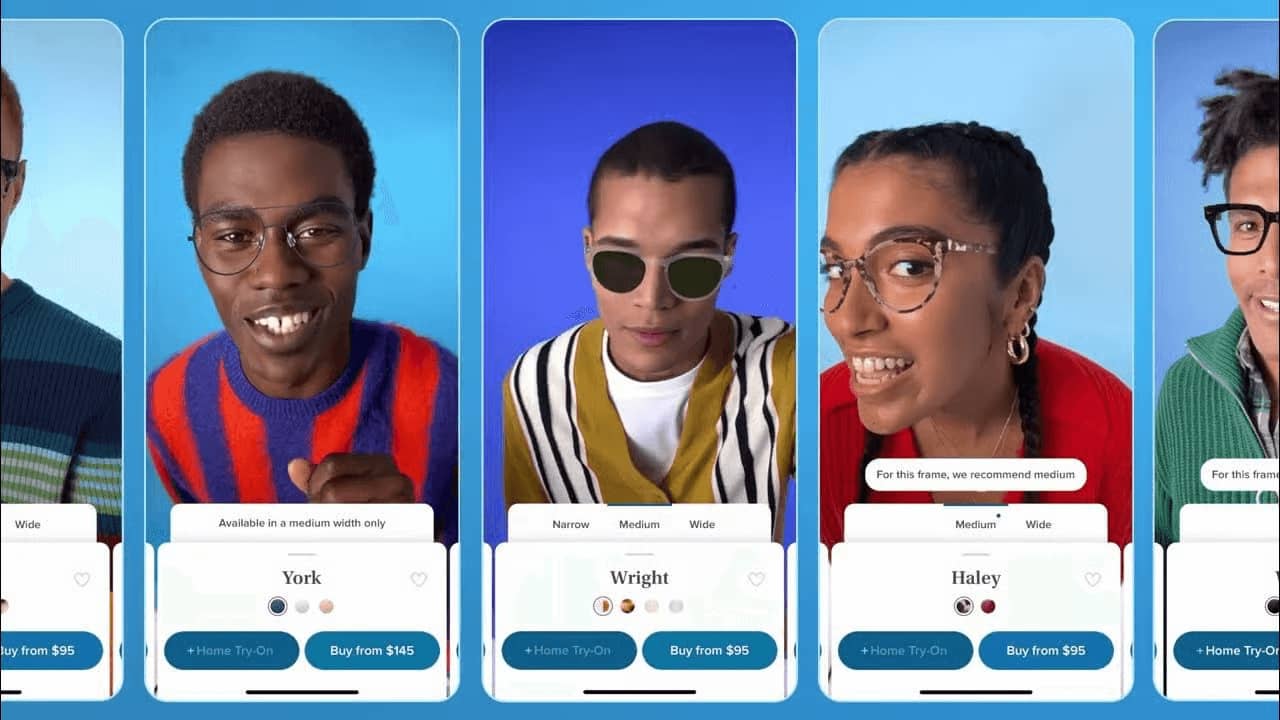
- AR Try-on: Perfect for fashion, eyewear, and cosmetics. Let customers “wear” products virtually using their smartphone camera. It takes the guesswork out of online shopping and cuts returns—just like beauty brands (think OPI’s nail polish filters) highlighted in Shopify’s research.
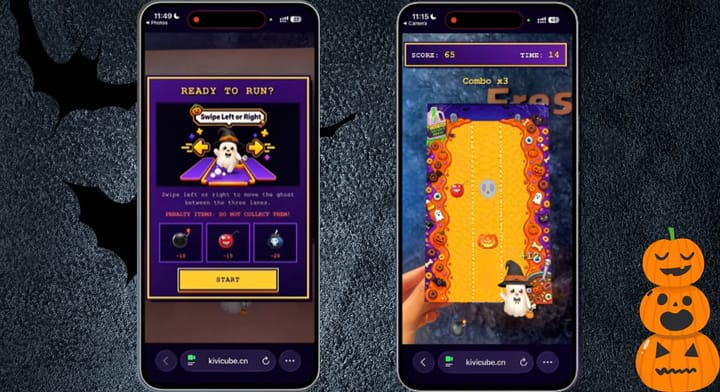
- Interactive Packaging: Turn standard product boxes into digital storytelling hubs or mini game consoles. It turns a simple purchase into an engaging brand moment, similar to how Tesco used gamified AR to boost in-store engagement with its Discover app.
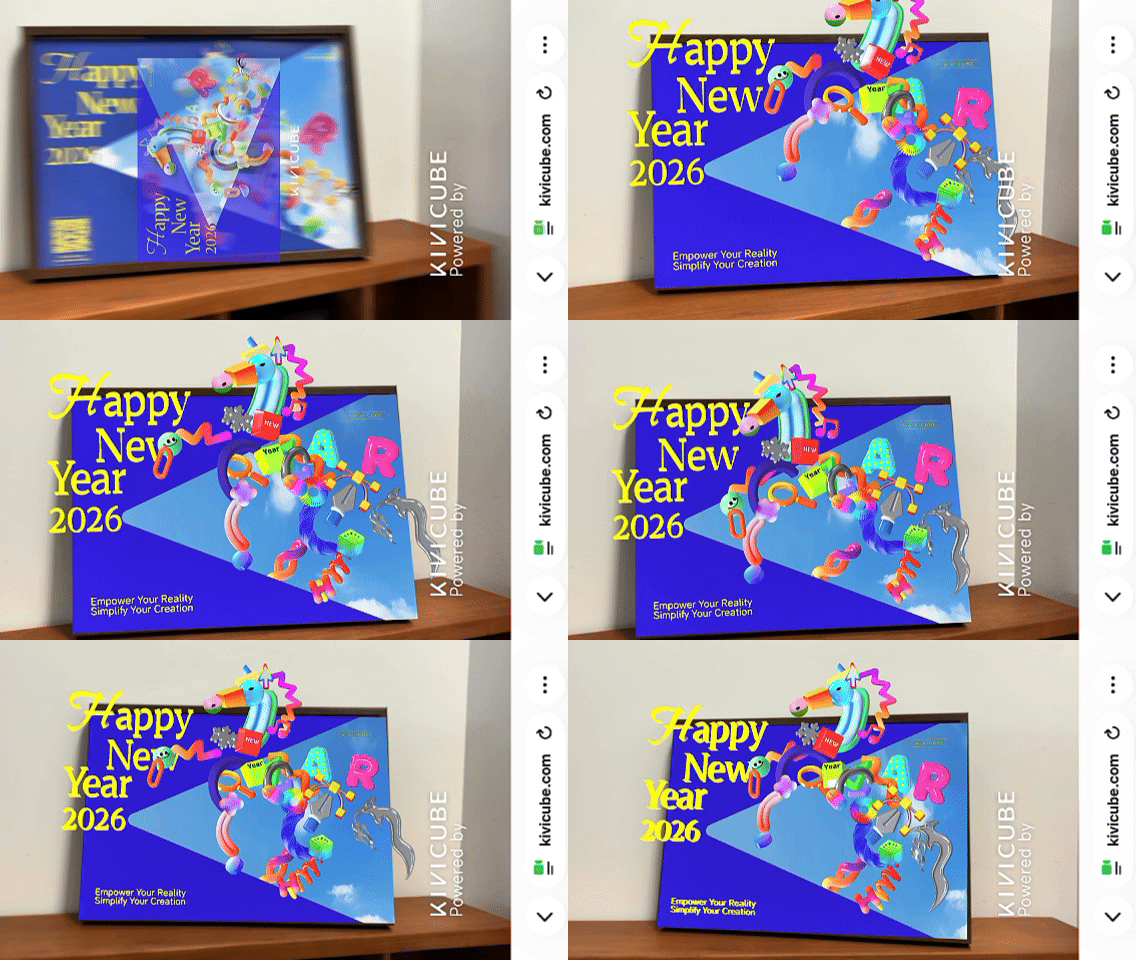
- Print & Poster AR: Breathe life into static magazines or OOH (Out-of-Home) billboards with hidden 3D animations. Suddenly, a plain ad becomes something customers stop to interact with—no scroll, no skip.
- Event & Exhibition AR: Create “phygital” booths that offer interactive product deep-dives—no physical inventory needed. It’s a cost-effective way to make your booth stand out at trade shows, even with a small budget.
- Social AR Filters: Use platforms like Snapchat, TikTok, or Instagram for high-reach, viral brand awareness. These filters are easy to share, making them a great way to expand your audience without pouring money into ads.
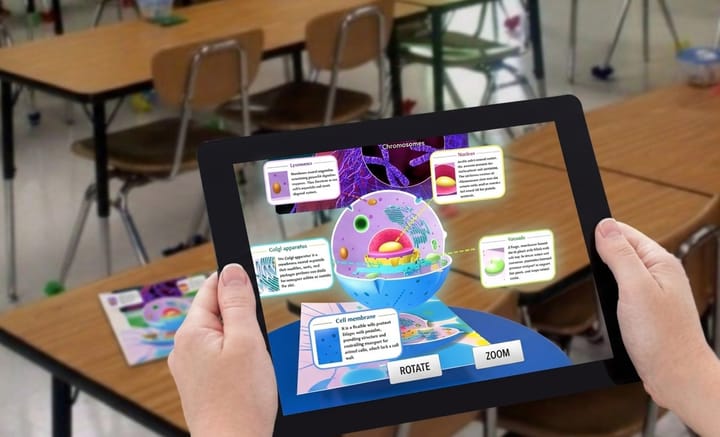
- Educational & Experiential AR: Simplify complex products like industrial machinery or science concepts with 3D visualization. It helps customers understand what you’re selling, no engineering degree required.
 Leonie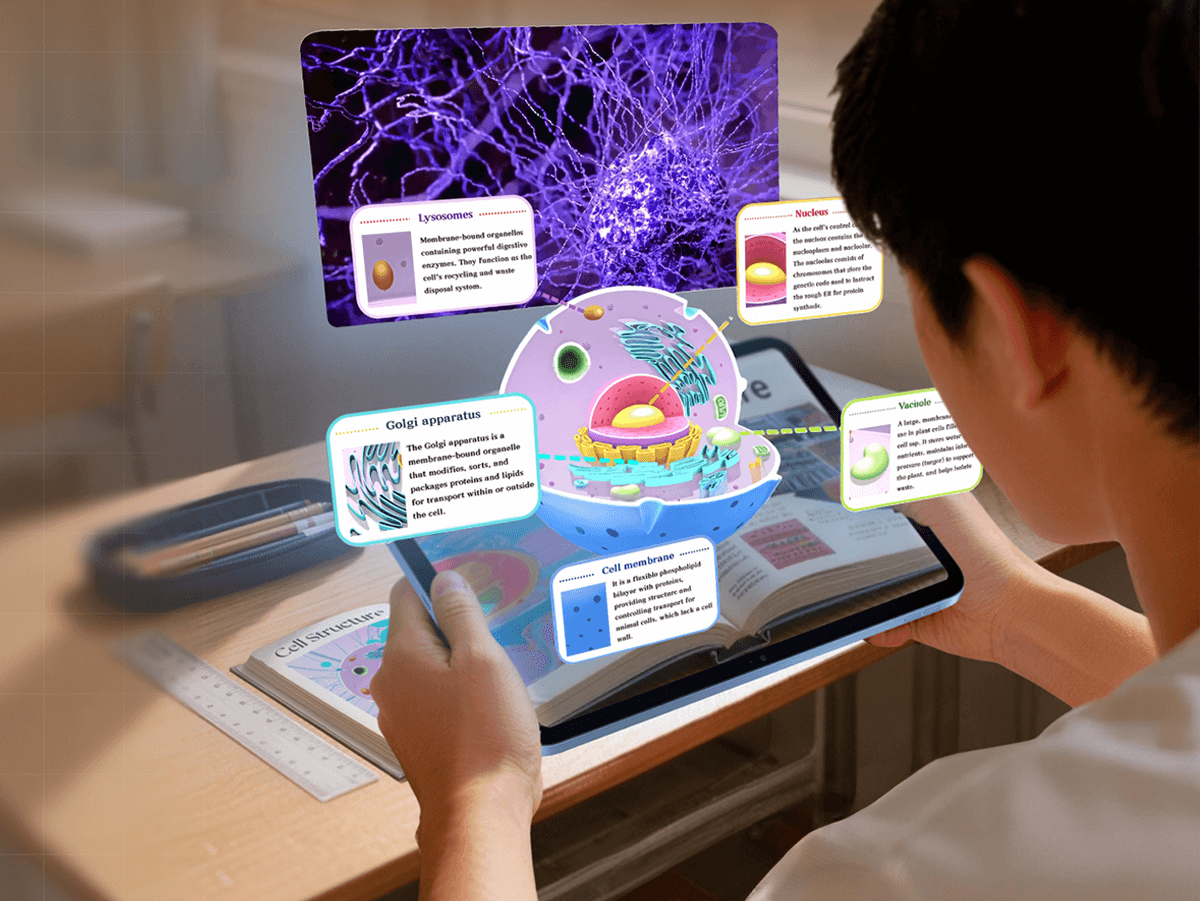
Explore How to create an AR Education Scene in minutes
How to Choose the Right AR Marketing Solution
The AR tool market is crowded, but the “best” option depends entirely on your team’s technical skills and what you want to get out of your campaign.
For Developers: Look for a Flexible AR Platform
If you have an in-house dev team, your top priority is control and extensibility. You need a platform that works with your existing tools—not against them.
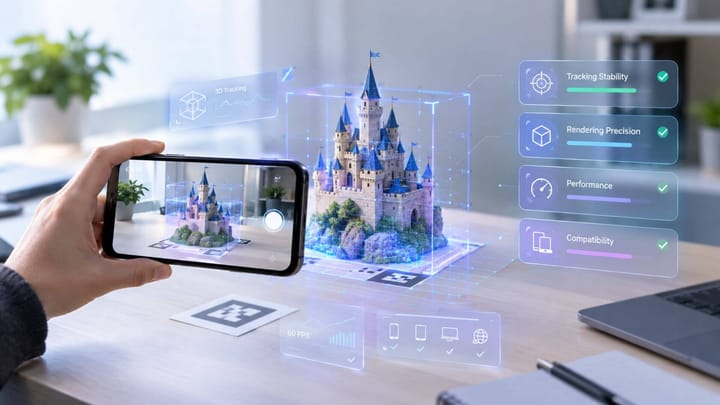
- Robust Algorithms: Make sure the platform supports high-precision face, world, and image tracking. Shaky or inaccurate tracking will ruin the user experience, plain and simple.
- Rich API Support: Look for an AR platform with extensive APIs—including data analytics and third-party integrations—to enable secondary development, custom interactions, and UI customization.
For Agencies & Brands: Prioritize Ease of Use & Service
If you need to launch campaigns fast—without writing a single line of code—focus on tools that simplify your workflow and save you time.
- No-Code Editors: You should be able to build a scene with a drag-and-drop interface, just like Canva. No technical skills needed—anyone on your team should be able to pick it up.
- Built-in Gen AI Capabilities: Prioritize tools that integrate Gen AI capabilities to accelerate your workflow. This includes AI-powered 3D asset generation, automated AR content creation, and AI-assisted optimization, helping your team build and iterate on campaigns faster without compromising control or quality.
- Template Libraries: Pre-built industry templates let you launch campaigns in days, not months. That’s critical for agencies working on tight client deadlines.
- White-Label Options: For agencies, being able to host the experience under your client’s domain is non-negotiable. It keeps their brand front and center, not yours.
- Data Analytics: Real-time dashboards to track scans, clicks, and conversions are a must. You need to prove to clients (or your own team) that your AR campaign is delivering results.
Why Kivicube Stands Out for AR Marketing
Kivicube AR Platform Capabilities Overview
Kivicube was built to fix the biggest pain points in AR: it’s either too technical for non-developers or too limiting for dev teams. Whether you’re a technical lead or a creative director, it gives you the tools to scale your AR campaigns without compromise.
A Powerful WebAR Platform for Developers
Kivicube’s WebAR foundation is a key differentiator for developers, providing a robust base for building custom AR experiences.
- High-Performance Tracking Capabilities: It supports Image, Face, Body, and SLAM tracking to ensure smooth, accurate AR interactions.
- Deep API Integration: It allows seamless connection with existing tools, CRM systems, and e-commerce platforms.
- Browser-Based Deployment: Experiences run directly in web browsers, eliminating the need for users to download an app. This simplifies deployment and expands the marketing funnel by reaching a wider audience. Click this article to learn what is WebAR and how to use it:
 summerqiu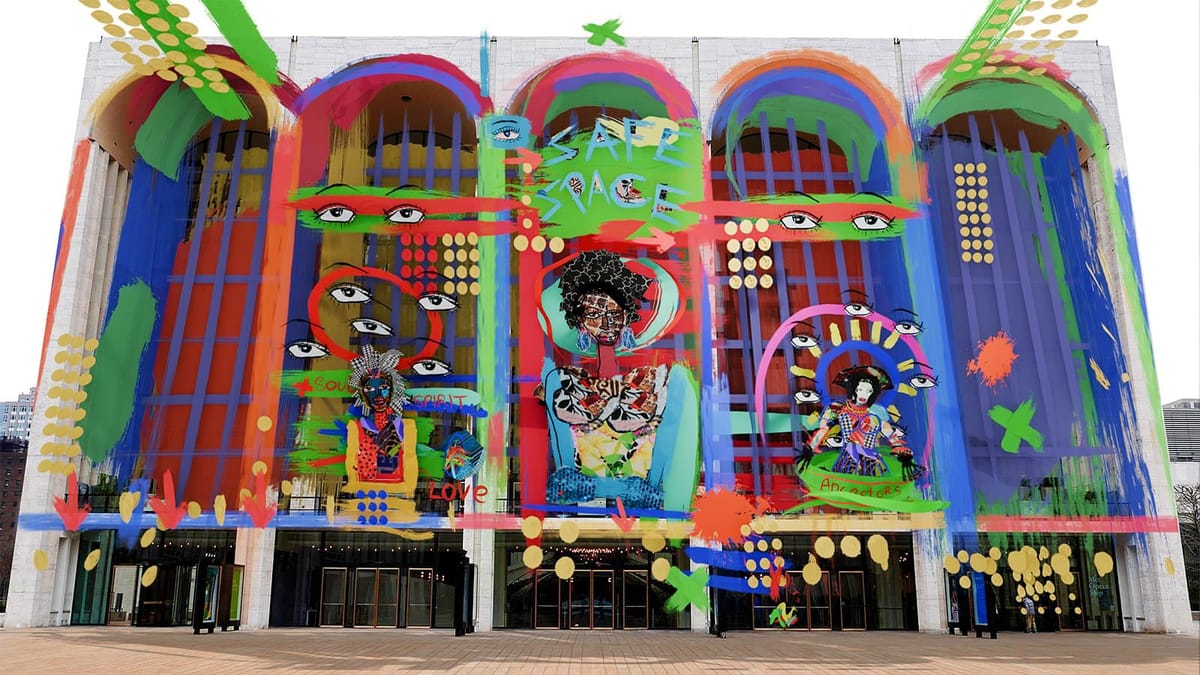
Learn more about WebAR
- Hybrid Development Flexibility: Developers can combine the speed of a visual editor with the power of custom coding, meeting complex commercial requirements without compromise.
- Integrated Gen AI Tools: Built-in Gen AI capabilities accelerate development workflows without sacrificing control. Features like AI-powered 3D asset generation, automated content processing, and AI-assisted optimization let teams build faster, iterate more efficiently, and focus on custom AR experiences instead of repetitive tasks.
A Full-Service Partner for Agencies & Brands
For agencies and brands without in-house dev teams, Kivicube’s no-code environment delivers a game-changing, accessible solution.
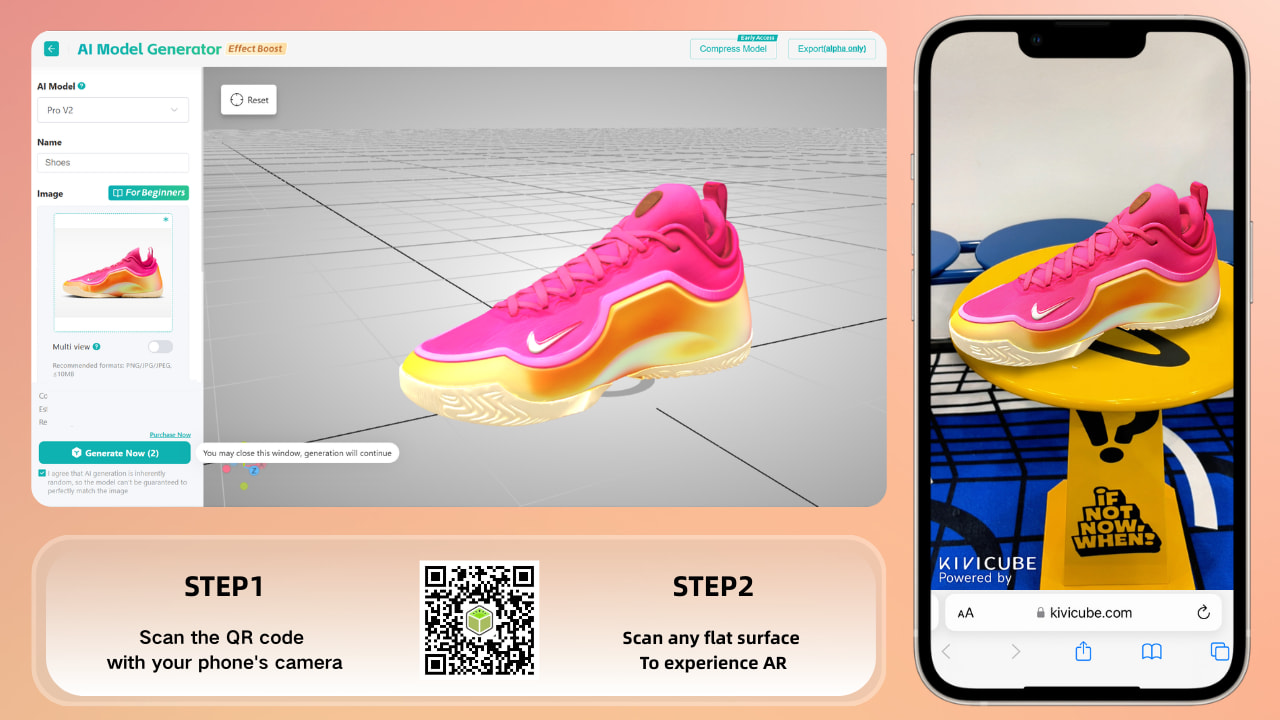
- Extensive Asset Library & Gen AI Tools: Our Gen AI-powered tools, including AI-powered 3D model creation, AI image and video integration, drastically reduce the time required to produce high-quality AR content. You can launch campaigns faster and scale creative output without extra resources. If you’re curious about how to use Kivicube’s Gen AI tools to create your own 3D models, check out our beginner-friendly video tutorial.
Learn how to use Kivicube Gen AI to integrate your 3d model in minutes
- Intuitive No-Code Editor: Kivicube’s drag-and-drop visual editor lets you build and customize AR experiences without writing code. Anyone on your team can start creating right away, just like using a familiar design tool.
- Pre-Built Industry Templates: Access a library of ready-to-use templates for FMCG, retail, and more. Launch full AR campaigns in days, not months, even with tight client deadlines.
- Full White-Label Support: Kivicube fully supports white-label solutions, allowing agencies to brand AR experiences entirely under their client’s name and domain for consistent, professional delivery.
- End-to-End Custom Development Studio: For larger projects beyond your team’s internal capacity, our specialized studio offers full custom development support, helping you deliver results without overstretching resources.
- Real-Time Data Analytics: Track scans, clicks, and conversions through clear, real-time dashboards. Easily prove campaign performance to clients and your team.
Real-World AR Marketing Success Stories
These benefits aren’t just theoretical—brands are already using Kivicube to drive real, measurable results:
Case Study 1: TTDEYE (The Developer Path)
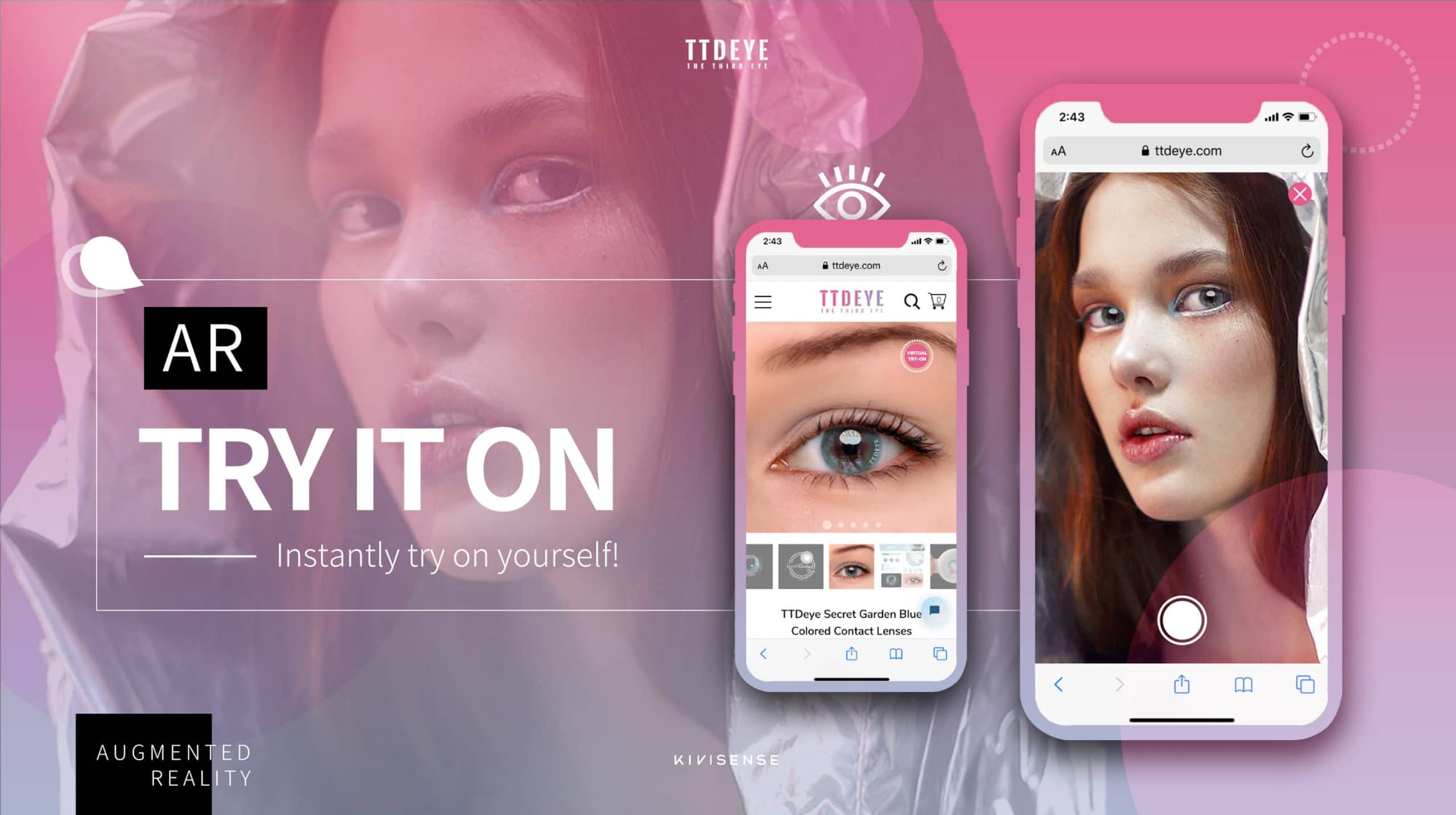
Global contact lens brand TTDEYE integrated Kivicube’s AR plugin into their e-commerce site.
The outcome? Users spent an average of 2 minutes engaging with the AR tool, and conversion rates jumped by 30%. All because customers could virtually try on different lens styles instantly—no guesswork, no risk.
Case Study 2: Luckin Coffee (The Full-Service Path)
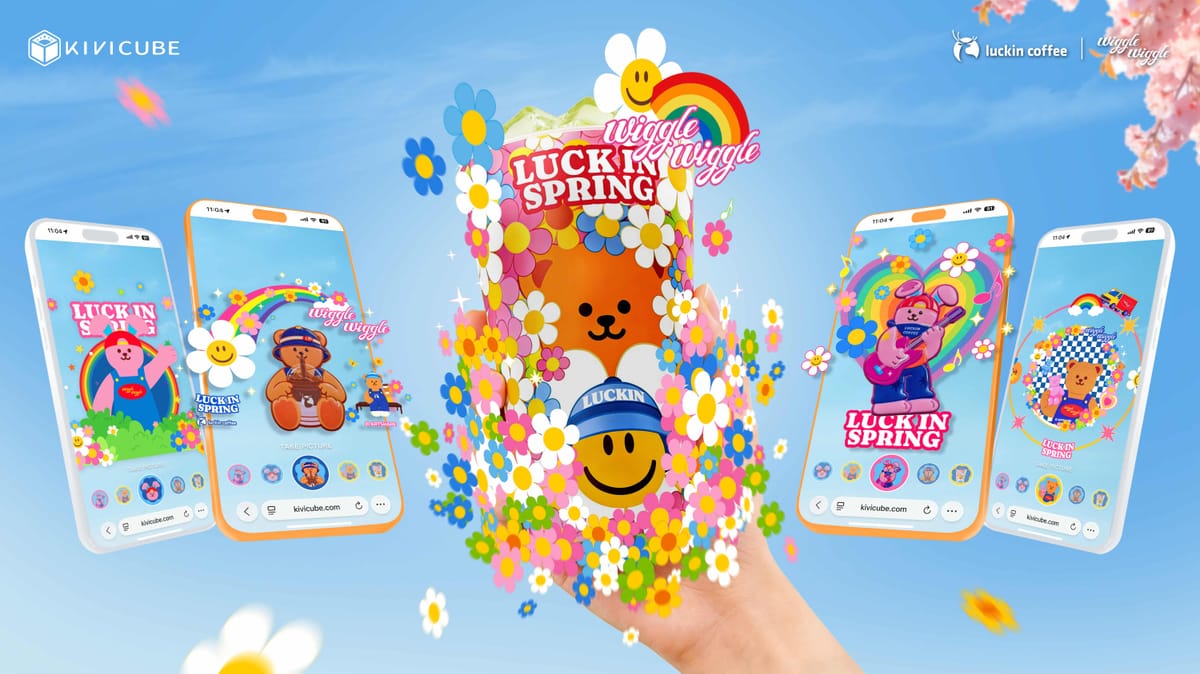
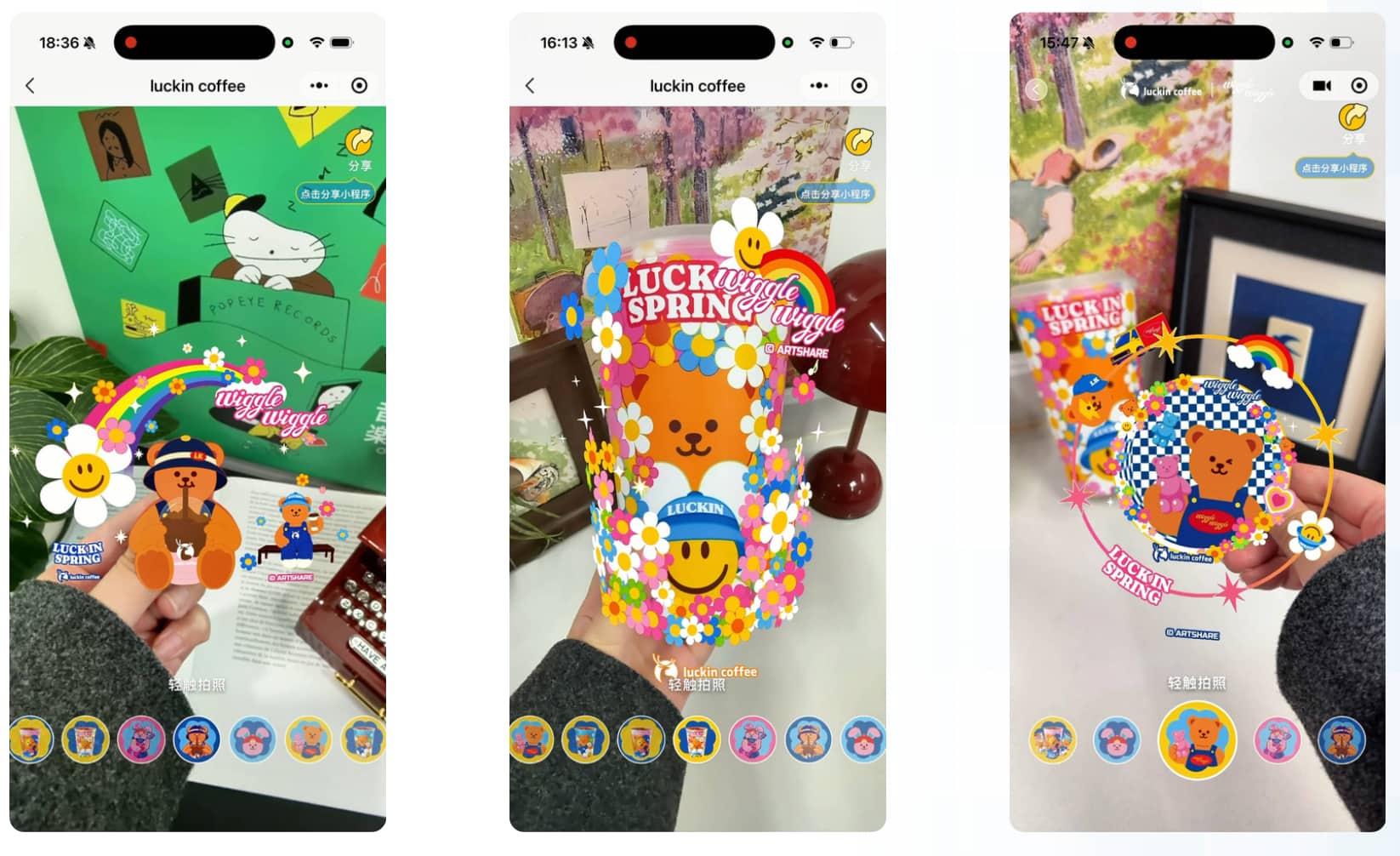
For a major brand campaign, Luckin Coffee used Kivicube’s custom creative services to launch an interactive AR packaging experience.
The campaign boosted engagement by 33% and drove over 100,000 new users through organic social sharing. It’s proof that AR can be a powerful tool for growing your audience.
Conclusion
Whether you’re building a custom AR solution from scratch or need a rapid-launch partner for your agency, the right platform is the one that removes the barrier between your idea and the user’s screen.
Kivicube offers that flexibility—it scales from a simple social filter to a complex enterprise-grade ecosystem, no matter your team’s technical skills.
Ready to elevate your brand with AR?
Join the 1,000,000+ creators already redefining reality on Kivicube.
From immersive packaging to global retail campaigns, we provide the tools to make AR accessible to everyone, everywhere.
As Gen AI continues to evolve, we’ll keep expanding our AI tools to make AR marketing even more accessible and powerful for every team.
- Get Hands-on: Try Kivicube Free or explore the API Docs.
- Get Strategic: Book a Demo with our AR strategy experts today!