Breaking the Limits of Static Art: How Ann Lin Used AR to Bring Her Work to Life
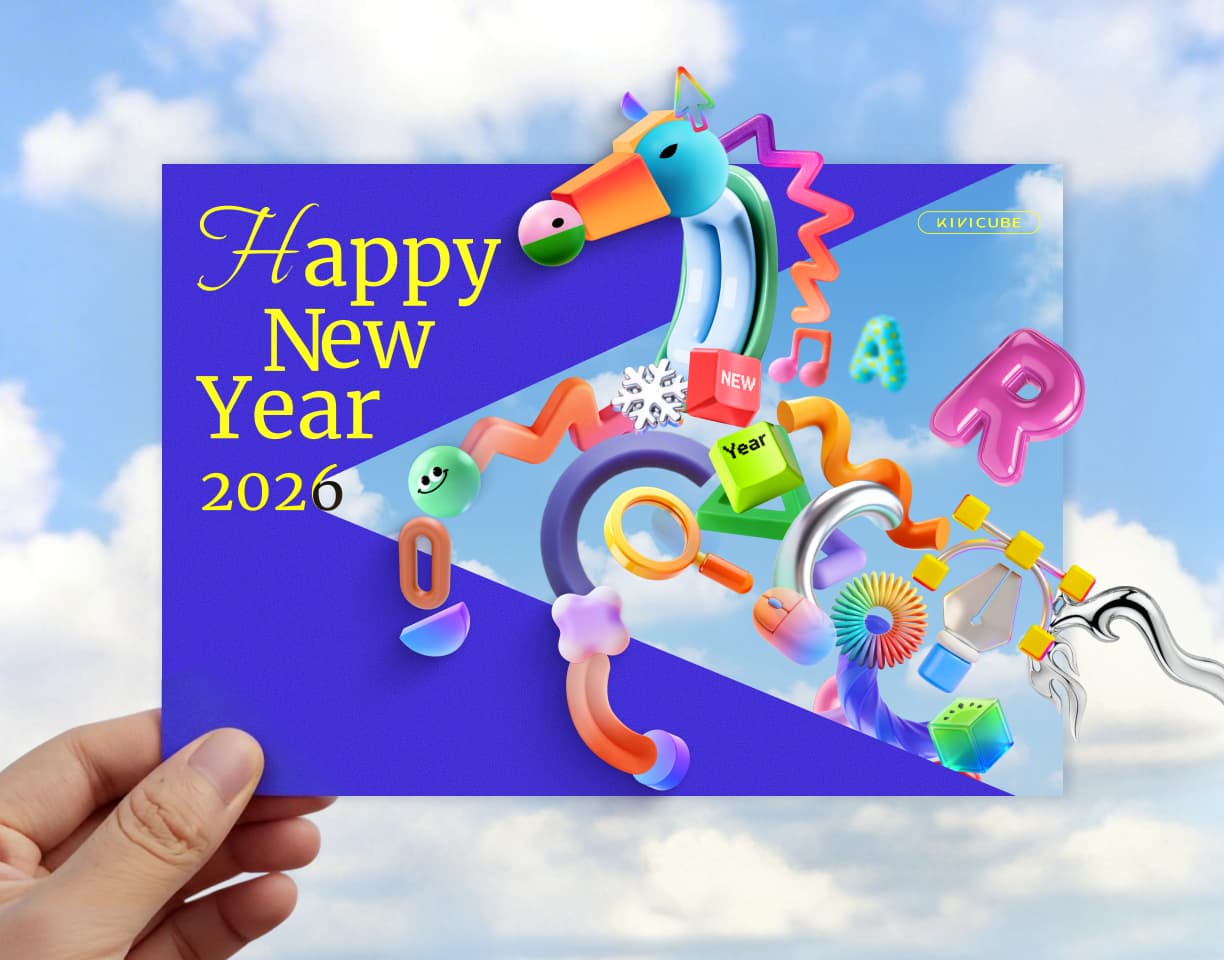
Illustration has always been a powerful medium for visual storytelling. In today’s digital focused creative space, artists can do much more than work with static images.
In 2026, Paris-based illustrator Ann Lin explored a new creative direction. She turned her traditional illustration into an interactive AR experience with Kivicube.
She created a vibrant Year of the Horse artwork. The project shows how artists can combine illustration with WebAR technology. They can build immersive and engaging content without writing any code.
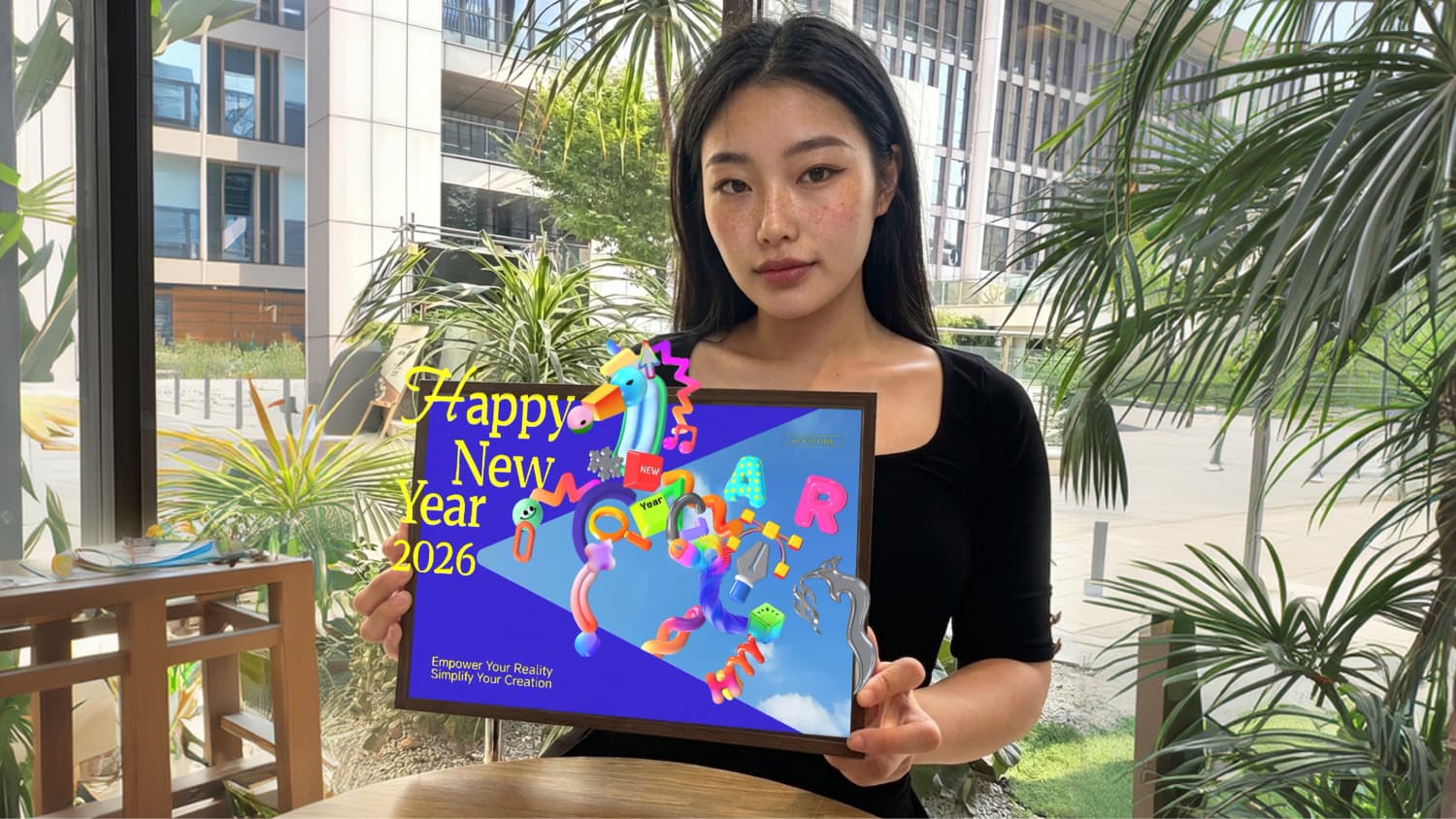
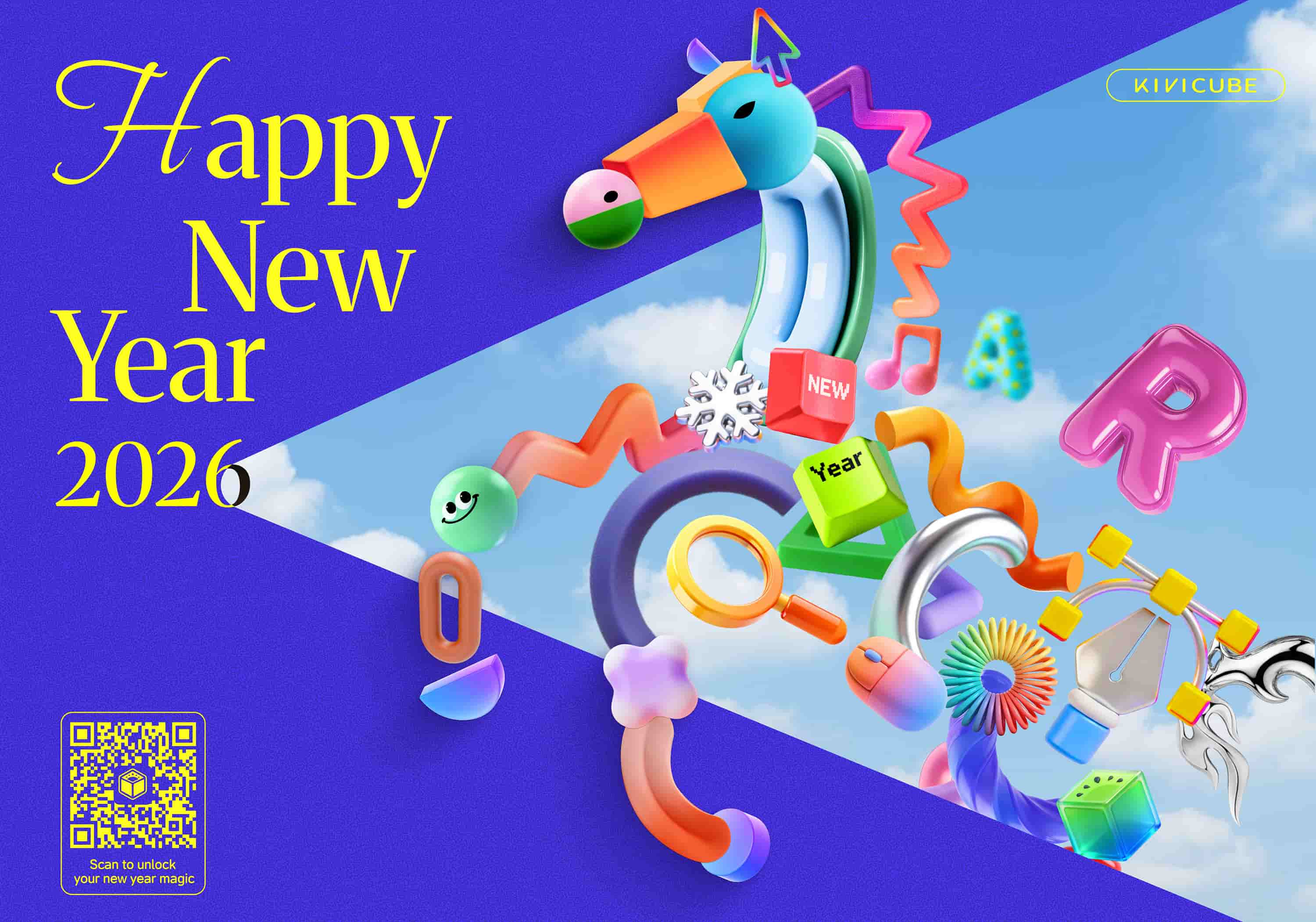
From Static Illustration to Interactive AR Experience
Ann’s original artwork features detailed horse motifs and a strong personal style. But instead of stopping at a finished image, she used Kivicube to add new layers to her work.
She turned her illustration into an AR trigger image. She added animated elements and smooth motion effects. She also let viewers scan the artwork and interact with it directly.
The result is clear. A static illustration becomes a dynamic AR artwork that captures attention right away.
If you want to turn your own illustrations into AR art, you can follow our complete step-by-step workflow here.
 summerqiu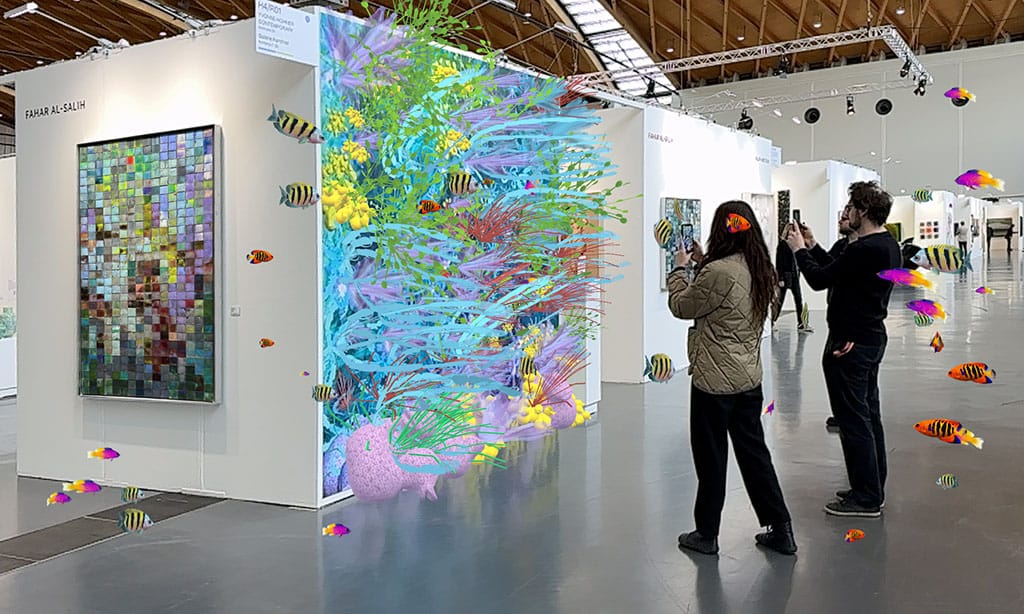
Discovering AR: A Turning Point
How did you discover AR?
Ann Lin:“I had heard about AR before, but never tried it myself. After finishing my illustration, a friend showed me examples of artists combining AR with their work. That’s when I decided to experiment with it using Kivicube.”
Challenges in Creating an AR Illustration
What challenges did you face?
Ann Lin:“Creating AR art requires both visual design and interaction design. Uploading assets was easy, but refining animations took time. I tested multiple times to make everything feel smooth and natural.”
Creators often share this experience. AR is not just about visuals. It is also about thoughtful experience design.
Why did you choose Kivicube for your AR illustration?
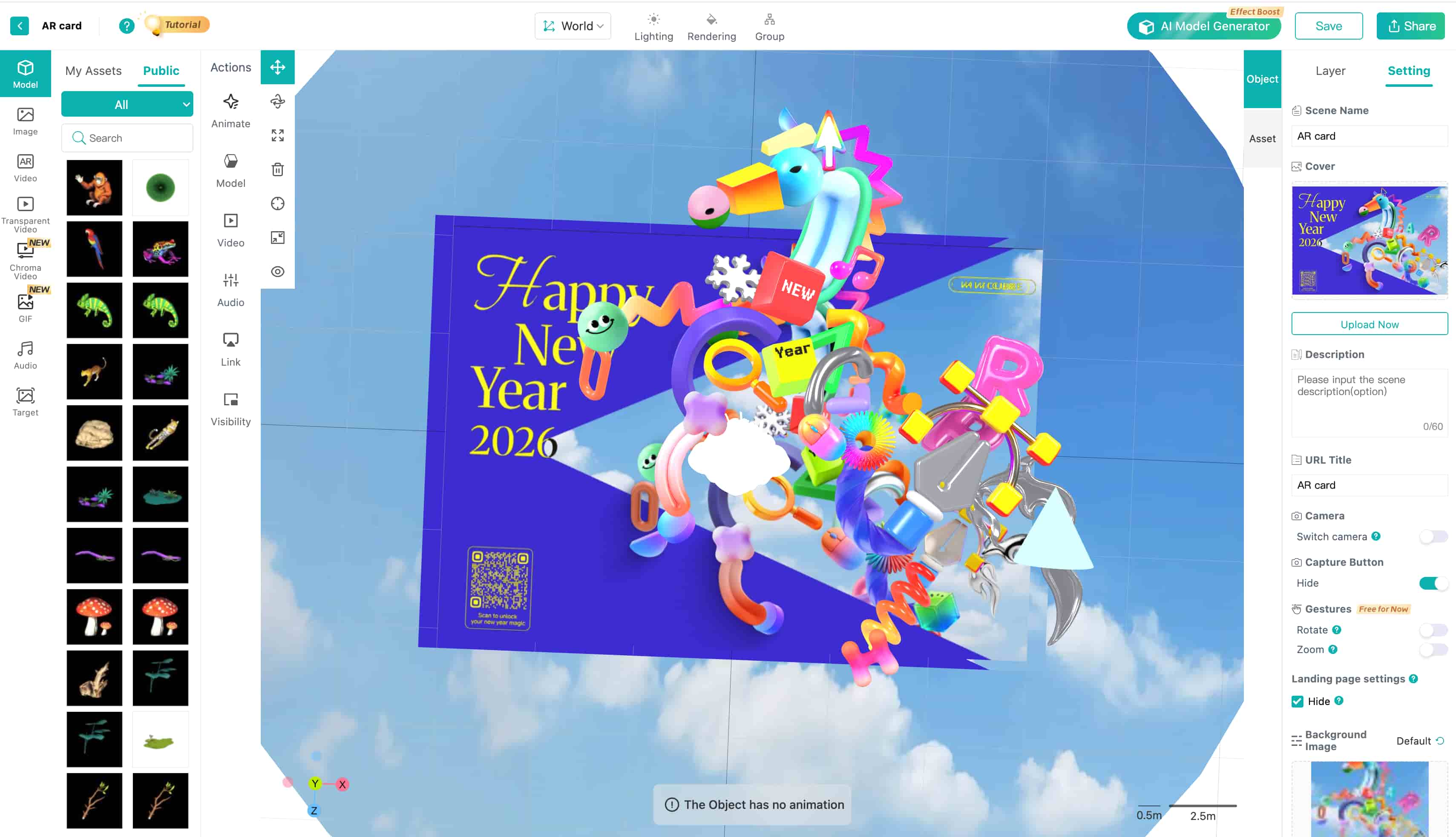
Ann Lin: “The biggest reason I loved using Kivicube is that it lets you create AR interactions and animations with no coding at all. I’m more of a graphic designer so I don’t have much experience with 3D modeling. But Kivicube’s AI model generation feature handled almost all the elements for my Year of the Horse illustration. I just downloaded a few models that were lacking in texture. I tweaked them slightly in Blender and they were ready to use. Honestly I never thought I would be able to finish this entire AR illustration all by myself.”
Expanding into AR-Powered Merchandise
Ann did not stop at digital art.She is now turning her AR artwork into physical products with interactive experiences. Planned merchandise includes:
- AR throw pillows
- AR notebooks
- AR stickers
- AR apparel
Each item uses the same AR trigger. Users can scan the product and unlock animations instantly.This is a strong example of AR and eCommerce working together. It is a growing trend in digital marketing and creative commerce.
Why AR Matters for Illustrators
Ann Lin:“AR adds a new dimension to illustration. It makes the artwork more engaging and memorable. Seeing your work come alive is something truly special.”
Her experience points to a larger change in creative industries. Artists are no longer limited to static formats. AR makes interactive storytelling possible for more creators. WebAR also removes the need for extra apps. This makes it easier for audiences to join the experience.
For more ideas and inspiration to bring your art to life with AR, explore our beginner’s guide to interactive AR art.
 Leonie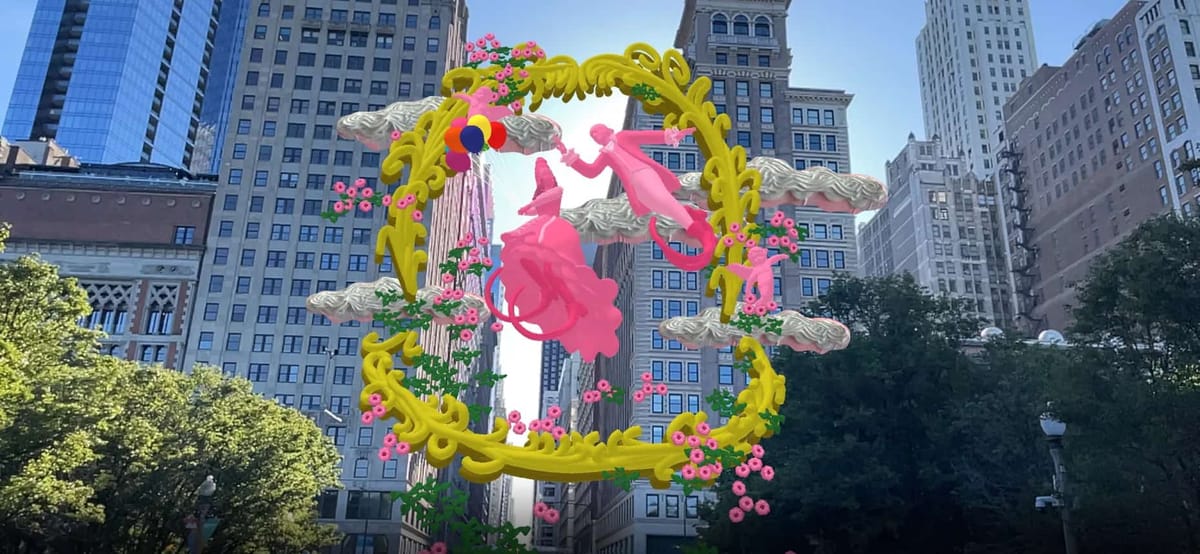
To understand why WebAR makes interactive art more accessible for both creators and audiences, you can learn more here.
 summerqiu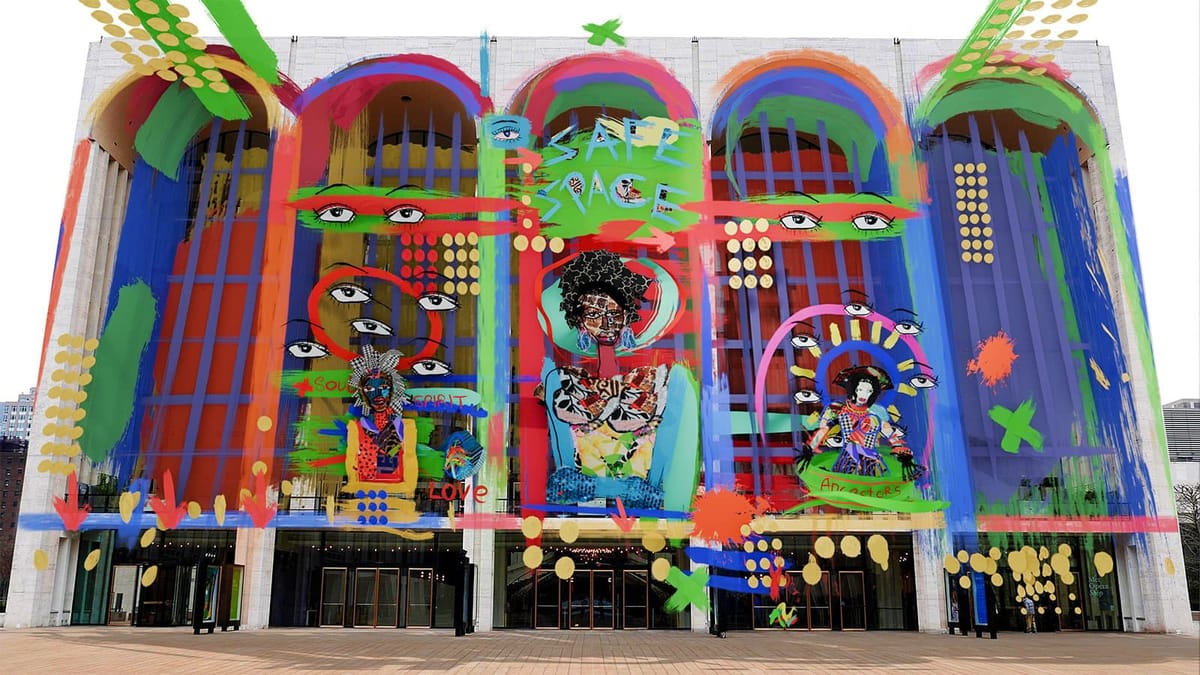
Final Thoughts
Ann’s journey shows how illustrators can move beyond static images and embrace interactive AR creation.
By combining creativity with accessible tools like Kivicube, artists can achieve more. They can stand out in a crowded digital space. They can increase audience engagement. They can also unlock new commercial opportunities.
As AR becomes more mainstream, stories like Ann’s show the future of illustration. Art is no longer just something to look at. It becomes something to experience.
If you want to follow Ann Lin’s work and stay updated on her latest projects, you can visit her Behance profile here:
 Behance
Ready to turn your own sketches into immersive AR art like Ann Lin?
Kivicube makes it easy for artists to create interactive, shareable AR drawings without any coding.
Start your first AR project today and bring your artwork to life in the real world.