15 Creative AR Marketing Ideas for Brands in 2026
Introduction
In 2026, AR isn't just a tech experiment—it’s where engagement happens.
As static ads lose their pull, brands are turning to interactive layers on everything from product packaging to fan art. A recent Snap and Kantar report found that 92% of consumers surveyed believe AR will transform how people shop, learn, and interact online.
Thanks to the rise of WebAR, the barrier is gone—no apps, just a quick QR code scan.
Below, we’ll explore 15 creative AR marketing ideas brands are using right now, featuring real-world use cases and practical ways to build them using platforms like Kivicube.
Product & Retail AR
1. AR Product Visualization
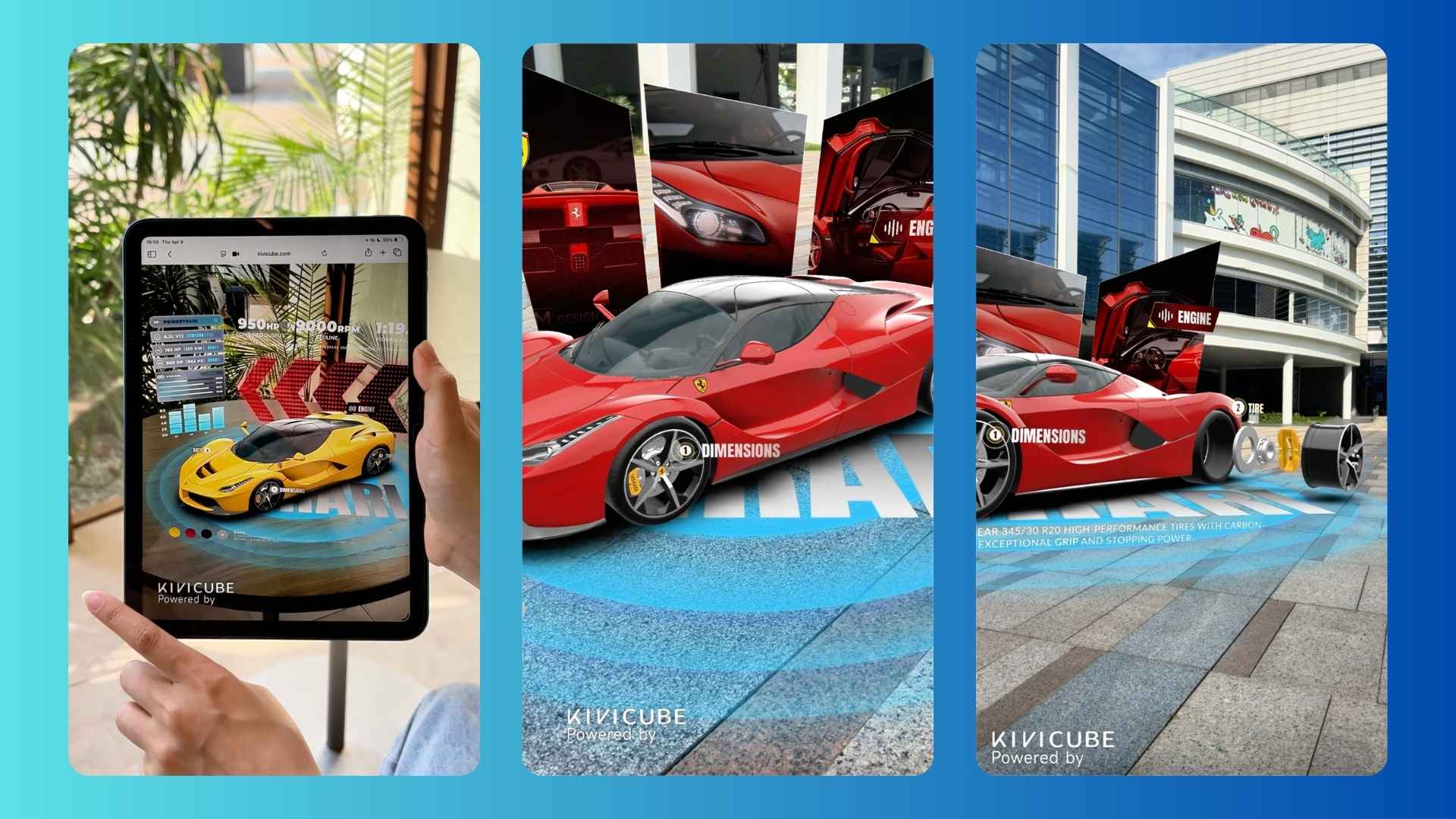
For high-value or large products, one of the biggest barriers to purchase is uncertainty. Customers can’t see how the product will actually look or fit in their space.
AR product visualization solves this by letting users place 3D models directly into their real environment. This is especially useful for furniture, electronics, toys, industrial equipment, and luxury goods.
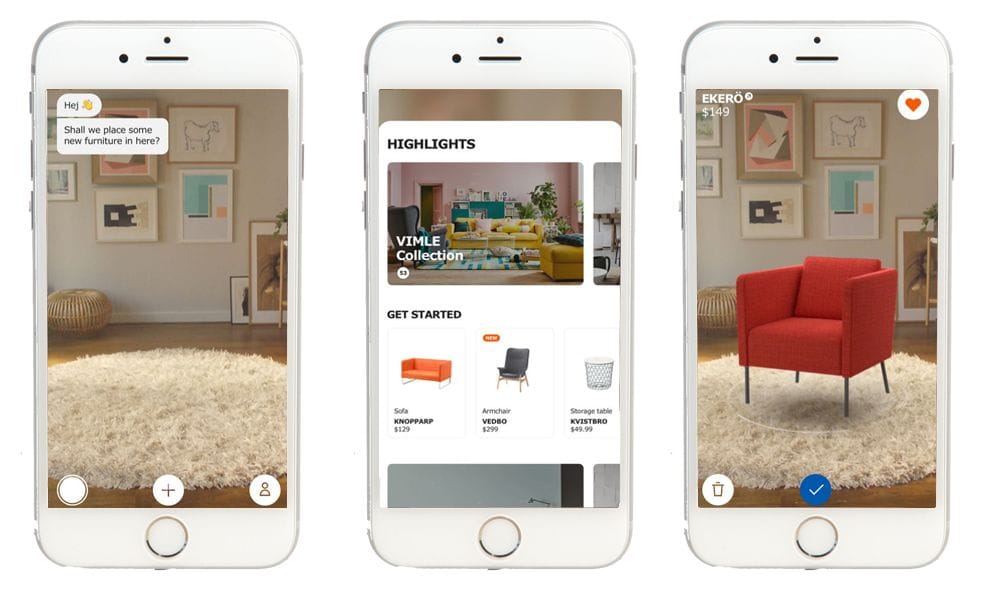
IKEA’s early AR furniture placement experience is a well-known example. It allowed customers to preview furniture at home before buying, helping them make more confident decisions.
With today’s WebAR technology, these experiences can run directly in the browser with high-quality rendering. Brands can embed them into websites or product pages, creating more conversion touchpoints.
2. AR Virtual Try-On
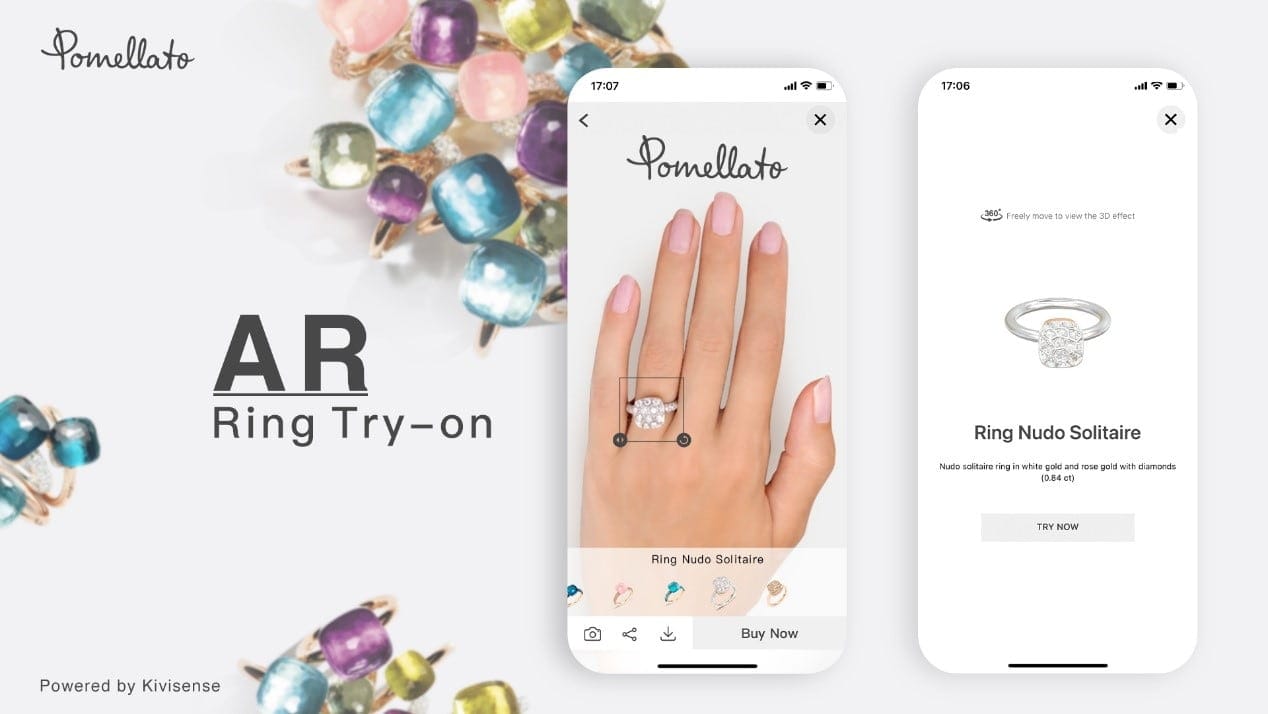
AR try-on brings the fitting room to the user’s phone. Customers can preview how products look on themselves before making a purchase.
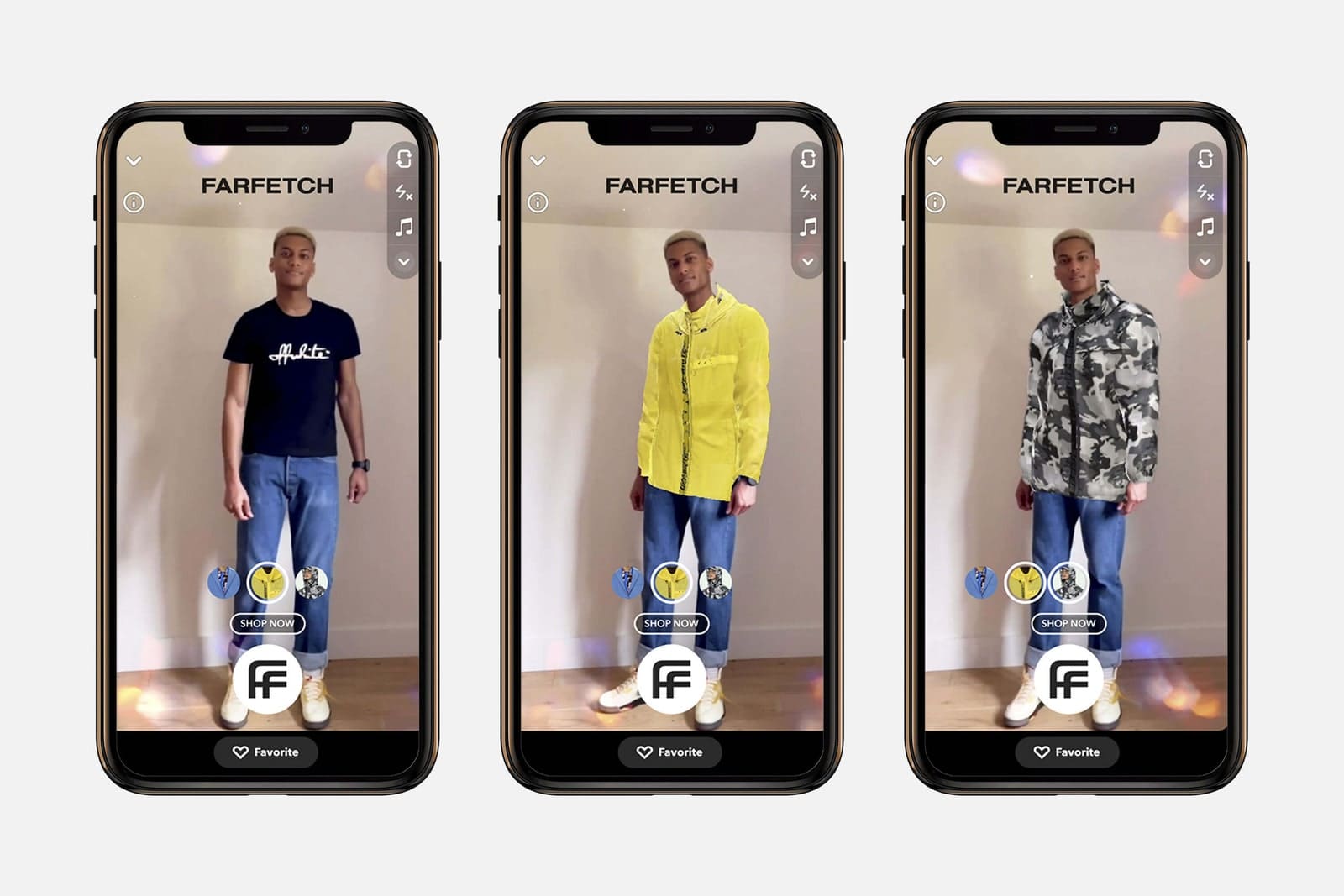
This is now widely used for glasses, jewelry, hats, shoes, and even full outfits. It helps reduce returns and improves confidence in online shopping.
As WebAR improves, these experiences no longer require an app, making them easier to access and share.
3. AR Packaging
AR packaging has become a popular format in digital marketing. By scanning a product package, users can unlock animations, interactions, or brand stories.
It turns packaging into a long-term engagement channel instead of a one-time touchpoint. AR marketing also helps move offline users into online experiences.
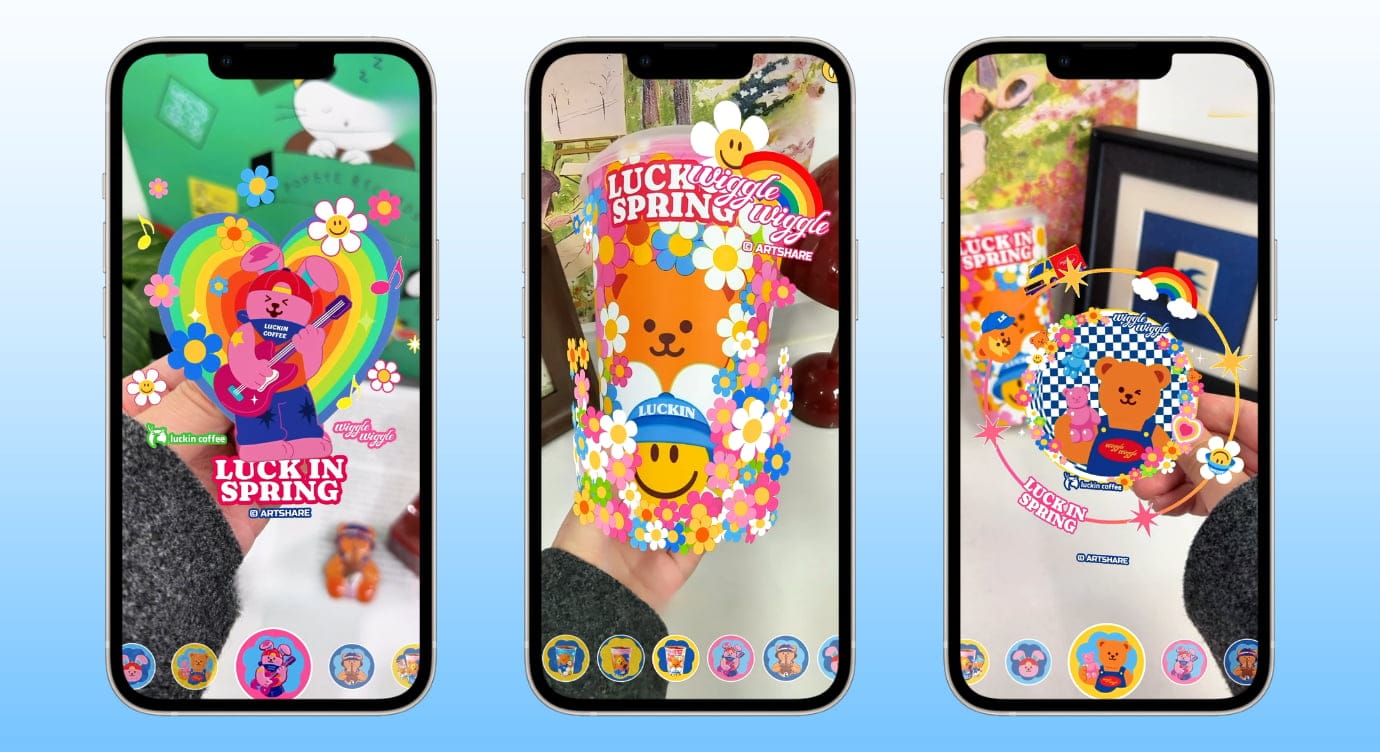
This approach is especially effective for FMCG and beverage brands. For example, Luckin Coffee used Kivicube to launch a Wiggle Wiggle limited-edition AR cup, encouraging customers to upgrade their orders and share the experience.
If you want to explore more AR packaging use cases, you can check out this guide.
 Leonie
4. AR Merchandise
After visiting a museum or attending an exhibition, many consumers want something to take home. AR adds an extra layer of value to these products.
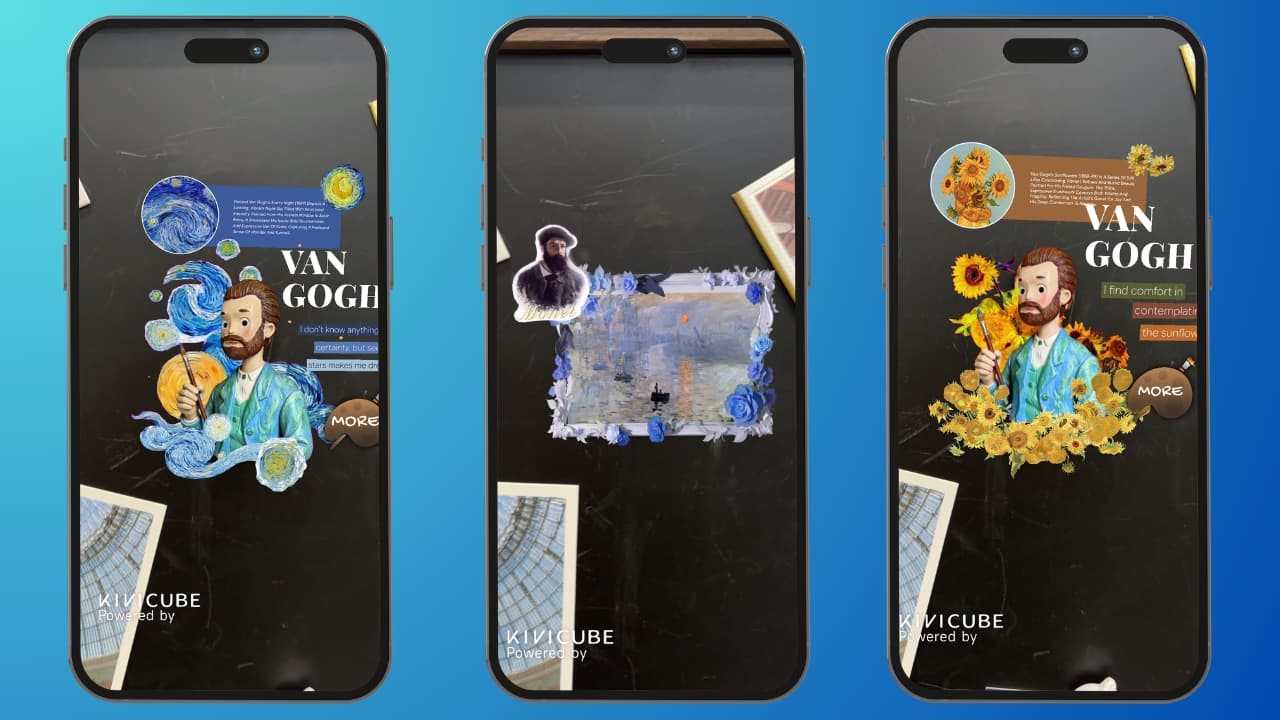
By scanning a collectible, users can unlock animations, stories, or digital content. This makes the product more than just a physical item — it becomes an ongoing experience.
It’s a simple way to make merchandise more memorable and worth revisiting.
Print & Publishing AR
5. AR Books
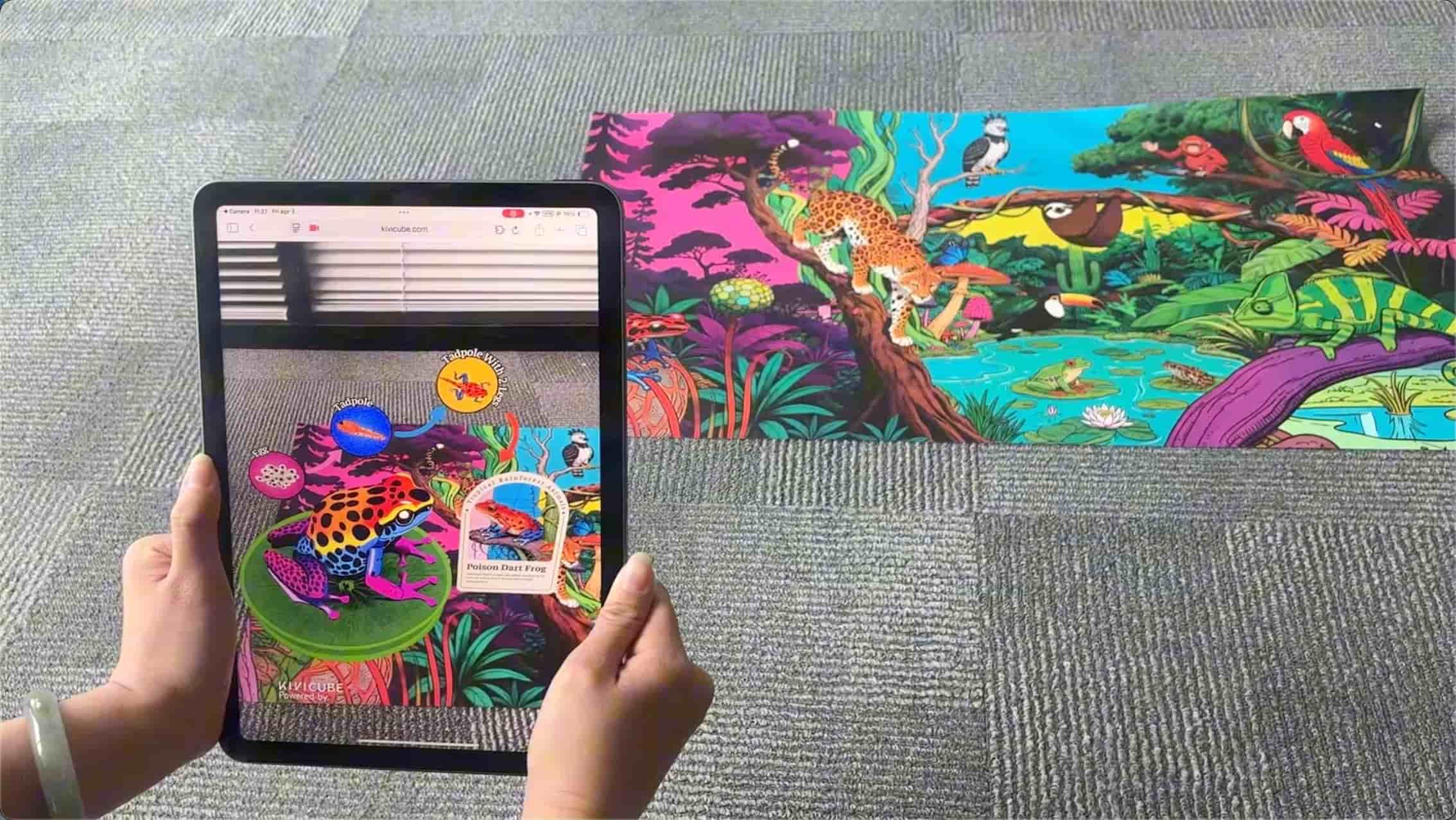
AR can bring printed content to life. Characters, scenes, or abstract concepts can appear directly on the page through a phone camera.
This is especially useful for children’s books, educational materials, and interactive storytelling. It helps readers understand complex ideas in a more visual way.
If you want to build your own AR book experience, you can follow this step-by-step tutorial.
 Leonie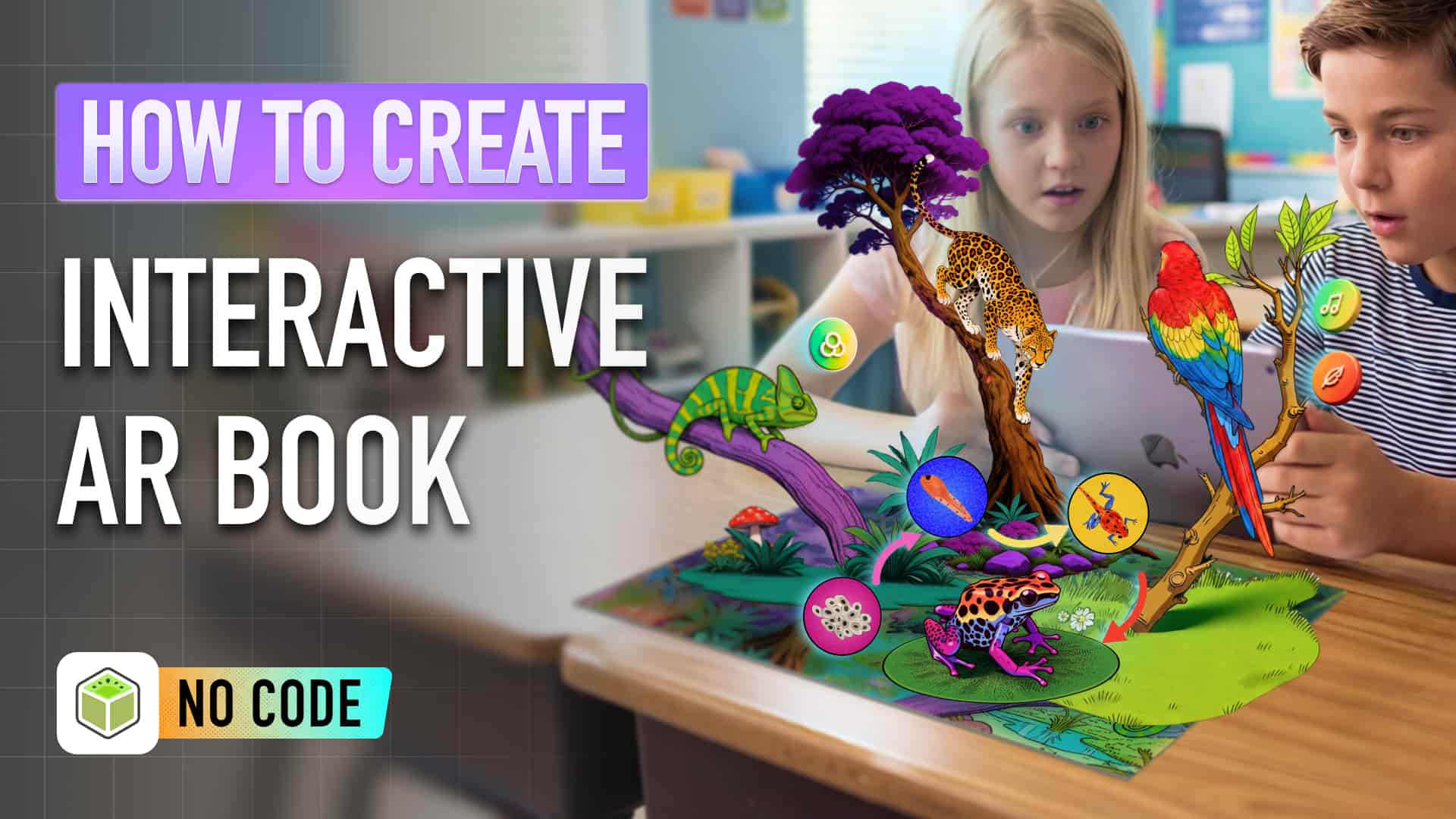
6. AR Magazines & Brochures
Adding AR to magazines, brochures, or posters turns them into interactive entry points.
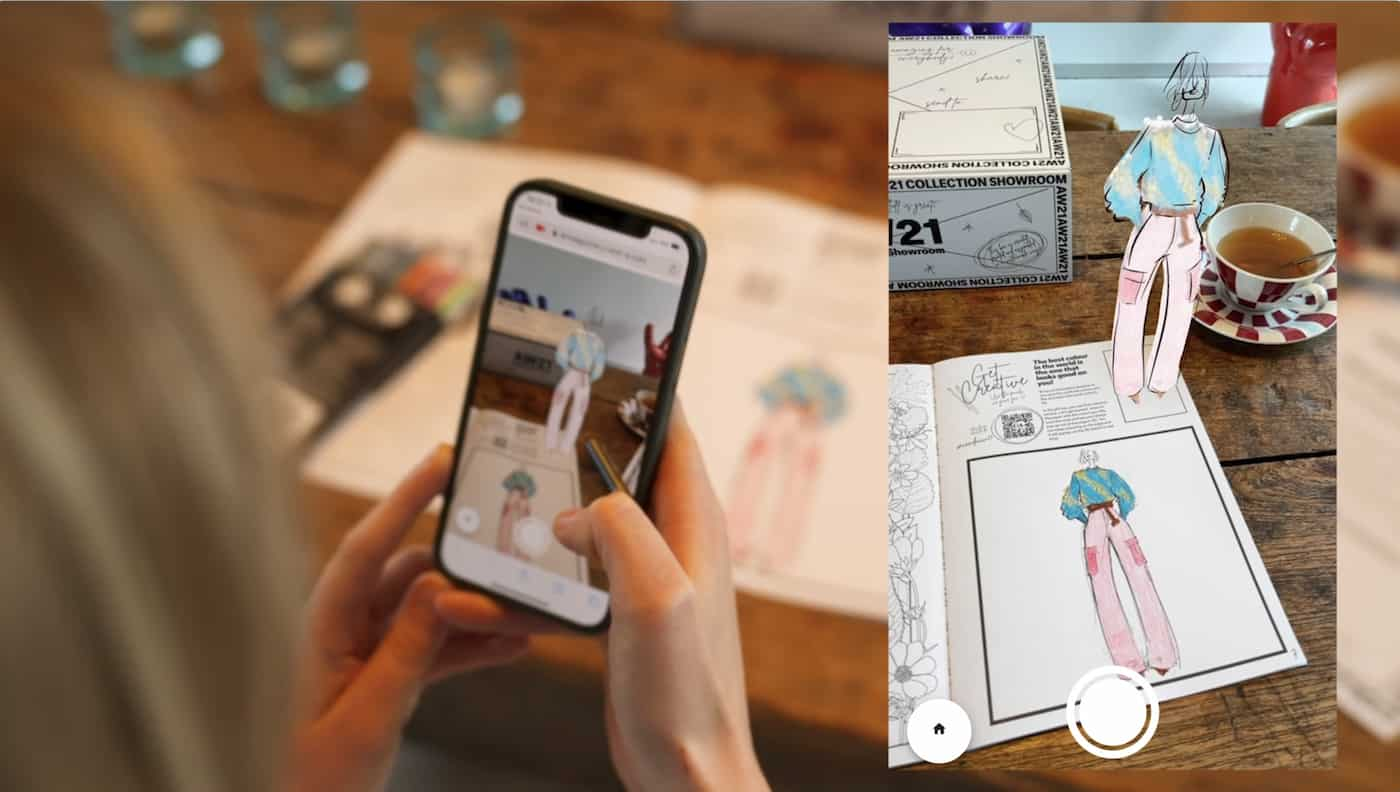
Users can scan a page to watch videos, explore 3D products, or jump to a purchase link. This makes print media more engaging and measurable.
It’s one of the most practical augmented reality ideas for brands still investing in offline channels.
 Leonie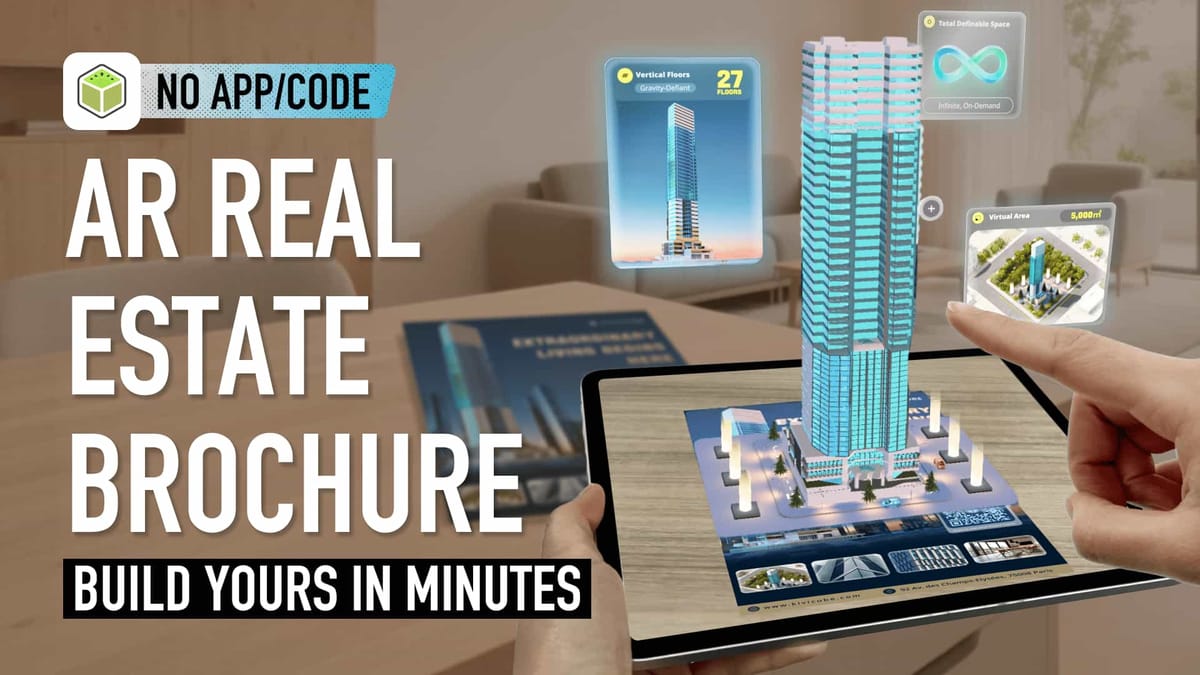
Learn how to turn your print materials into AR experiences
7. AR Business Cards
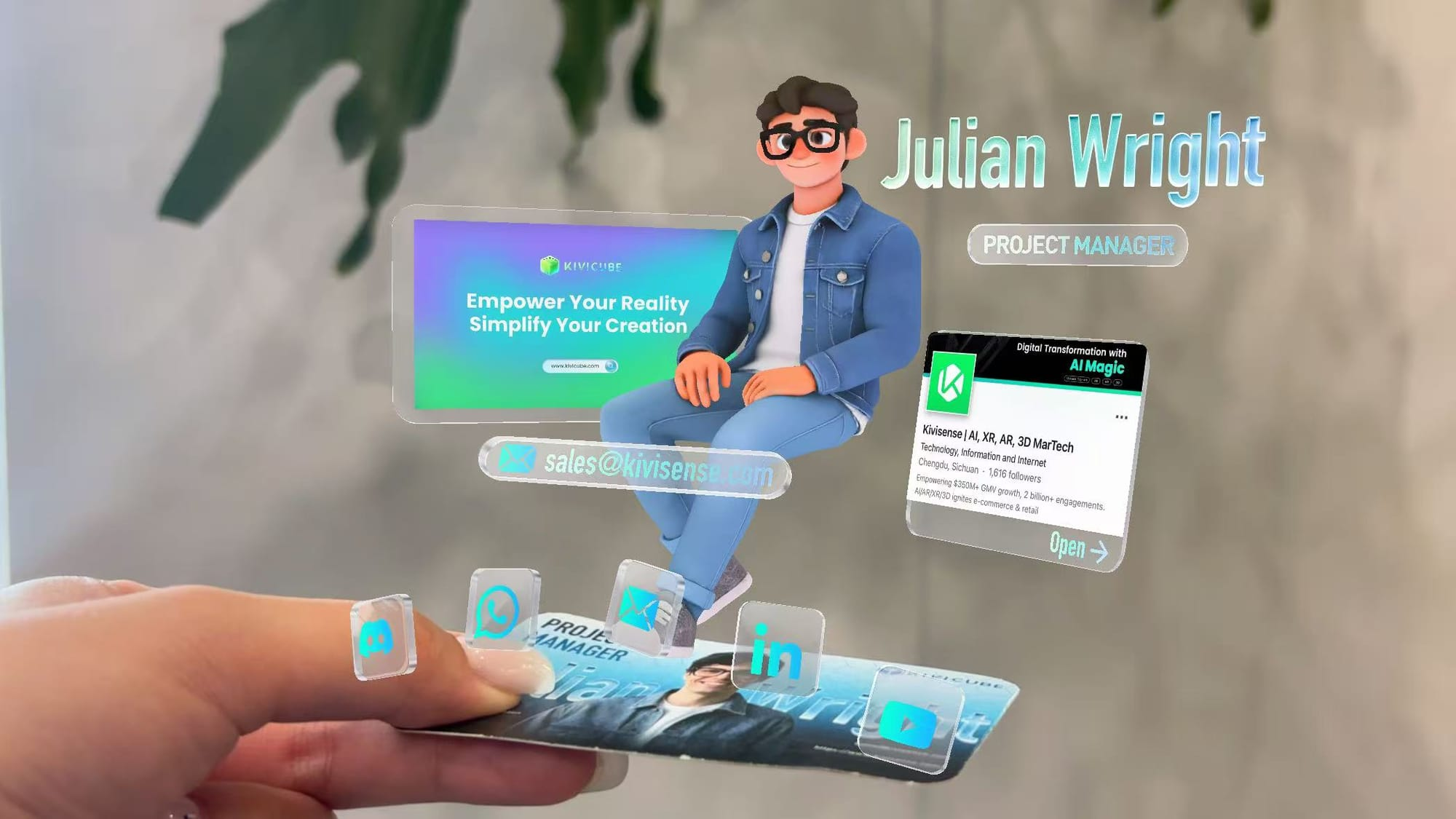
A business card doesn’t have to stop at contact details.
With AR, it can launch a portfolio, play a video introduction, or link directly to your social media. It’s a small change, but it makes a strong first impression.
Agencies and creators are already using AR business cards to stand out in crowded networking situations.
 summerqiu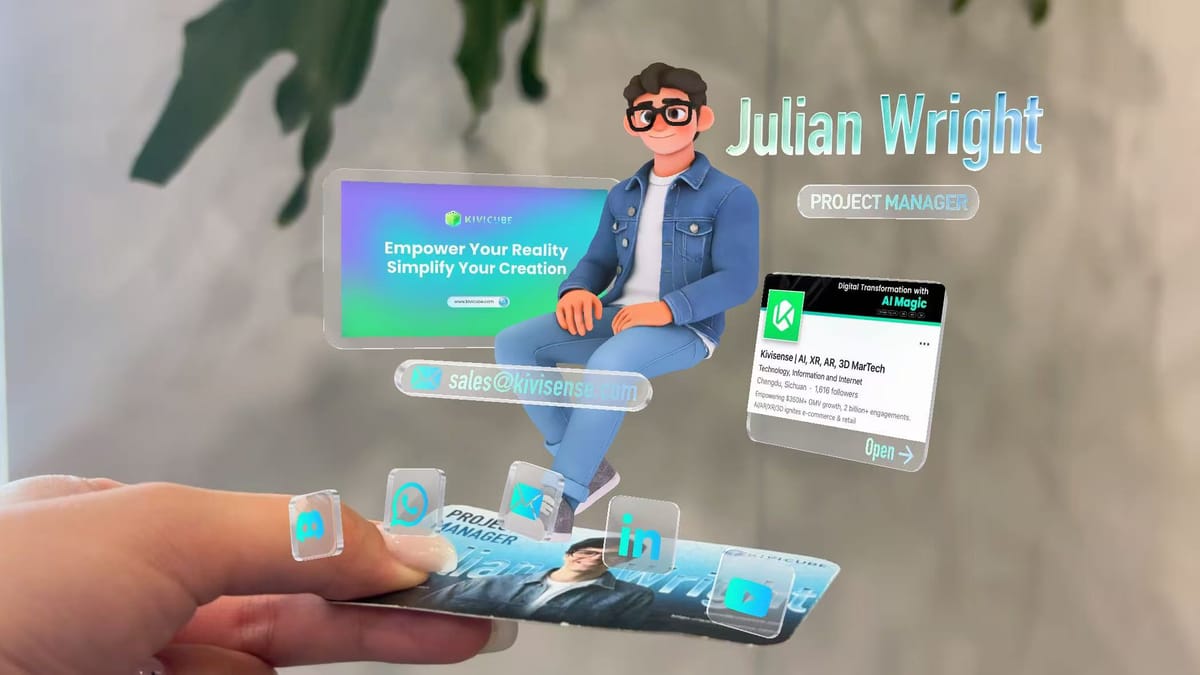
Try creating your own AR business card in minutes with Kivicube
Lifestyle & Local Experience AR
8. AR Restaurant Menus
AR menus help customers visualize dishes before ordering. Instead of guessing, they can see realistic 3D versions placed on their table.
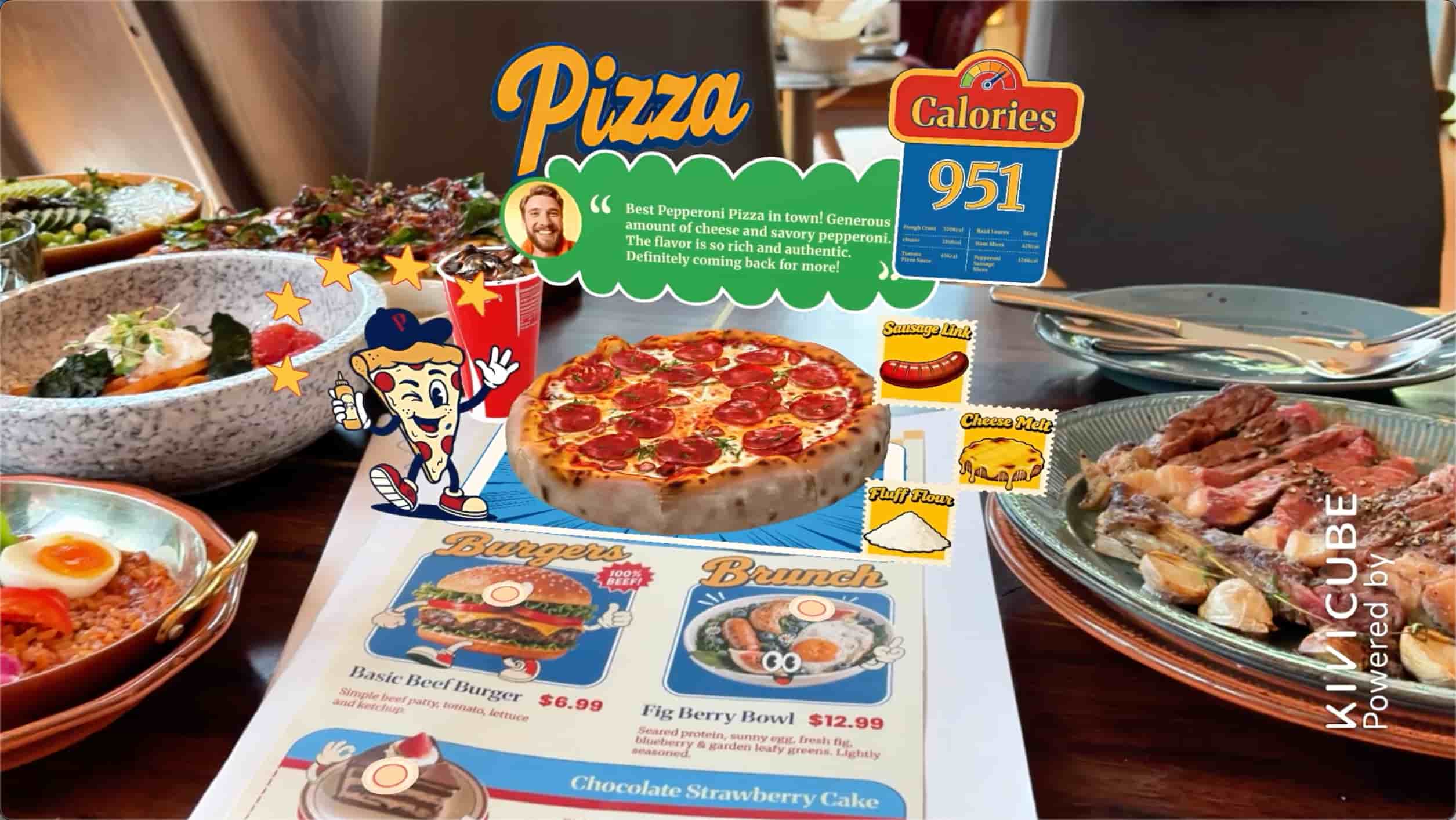
It also allows restaurants to display extra information like ingredients, calories, or reviews, helping users make faster decisions.
Want to build your own AR menu? Start here.
Step-by-step tutorial: How to create an interactive AR menu
9. AR Landmarks & Tourism
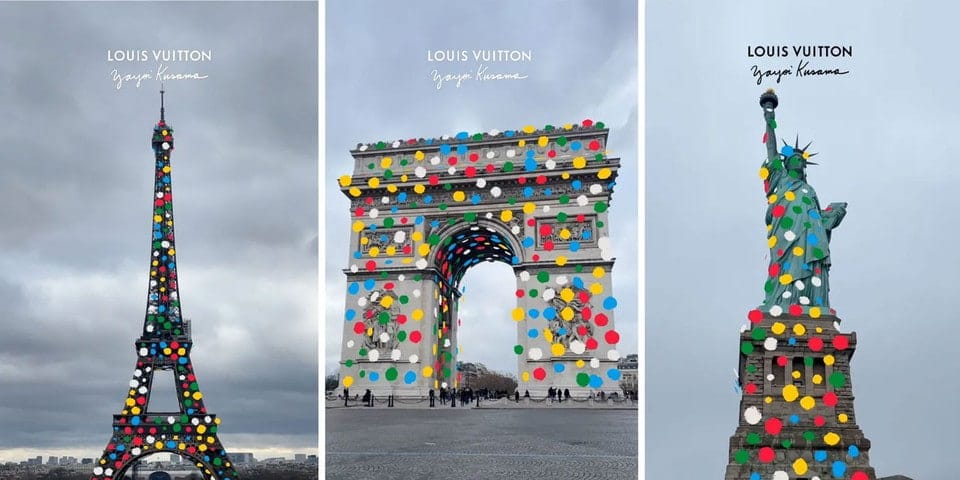
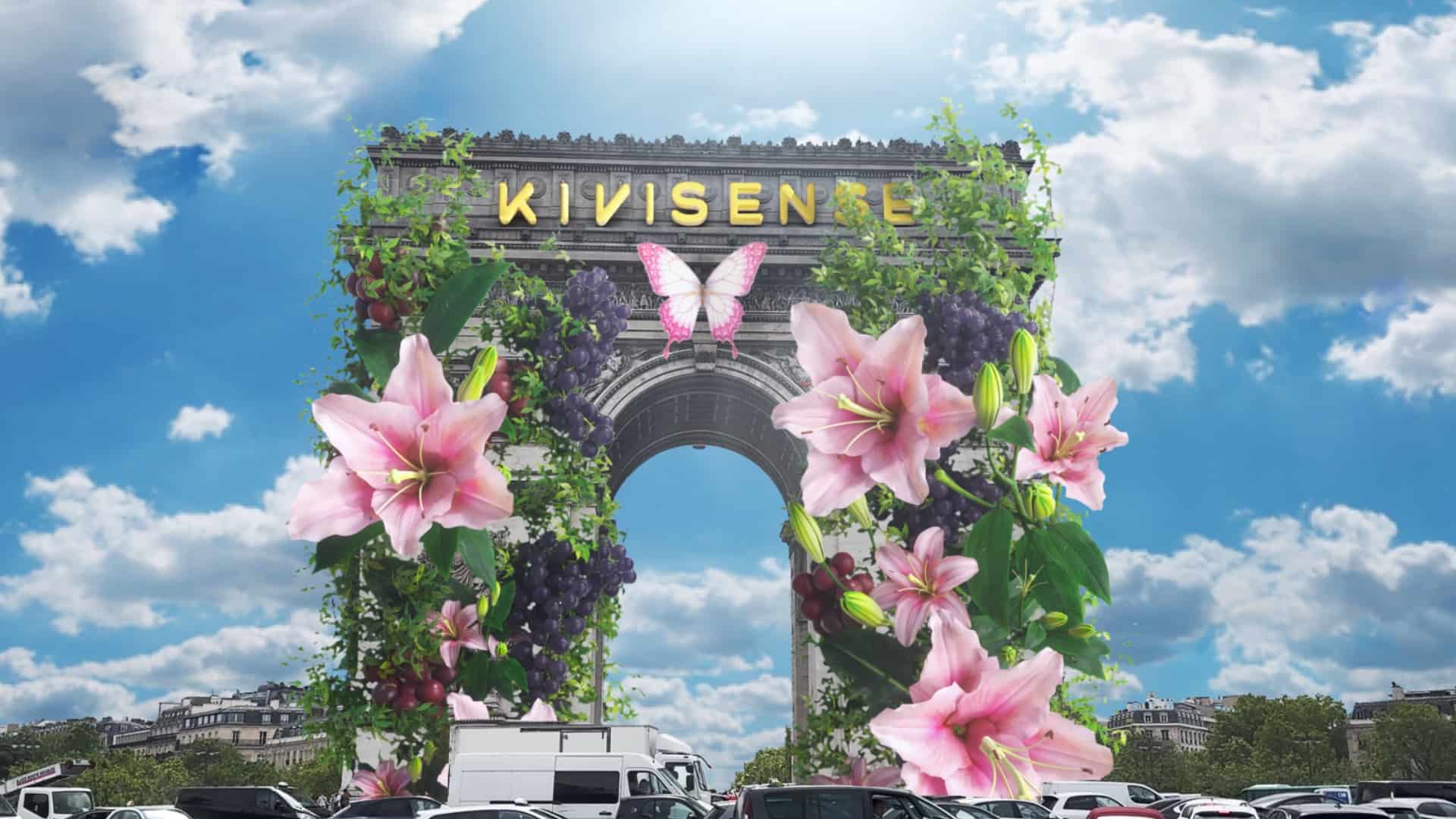
AR landmarks overlay digital content onto real-world architecture, creating large-scale visual experiences.
They are often used for tourism, cultural storytelling, or brand activations tied to physical locations.
This format is highly visual and shareable, making it ideal for campaigns that aim to capture attention.
10. AR Events & Exhibition Experiences
AR is a powerful tool for exhibitions, trade shows, and offline events.
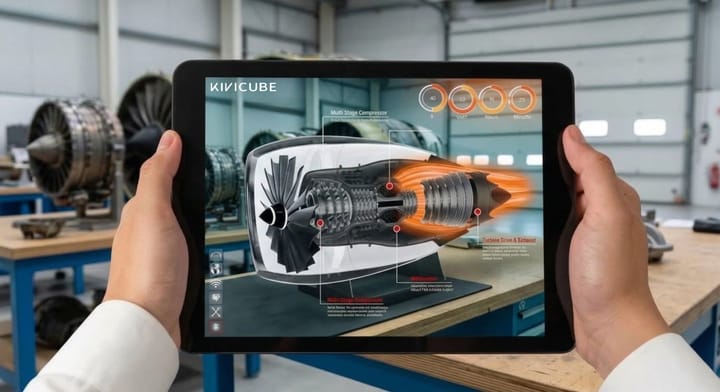
Brands can use it to showcase products that are too large to display physically, explain complex systems, or guide visitors through a space.
For example:
- At trade shows, AR can display full-scale machines or product demos
- At pop-up stores, it can create interactive walls or product storytelling
- At events, it can power scavenger hunts or interactive experiences
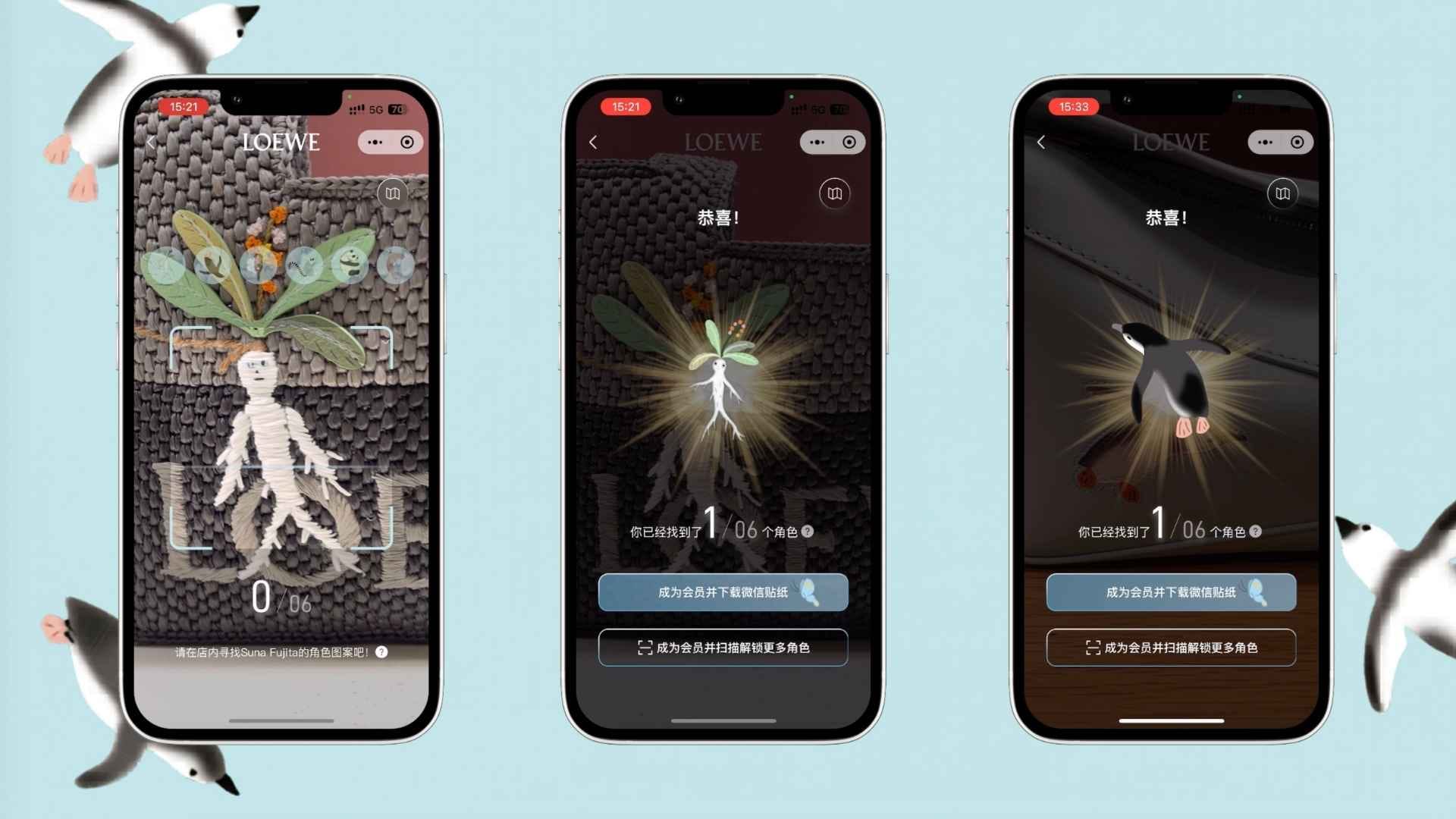
Because it runs in the browser, WebAR is easier to deploy in busy, real-world environments.
Creative & Community AR
11. AR Fan Art & Fandom Campaigns
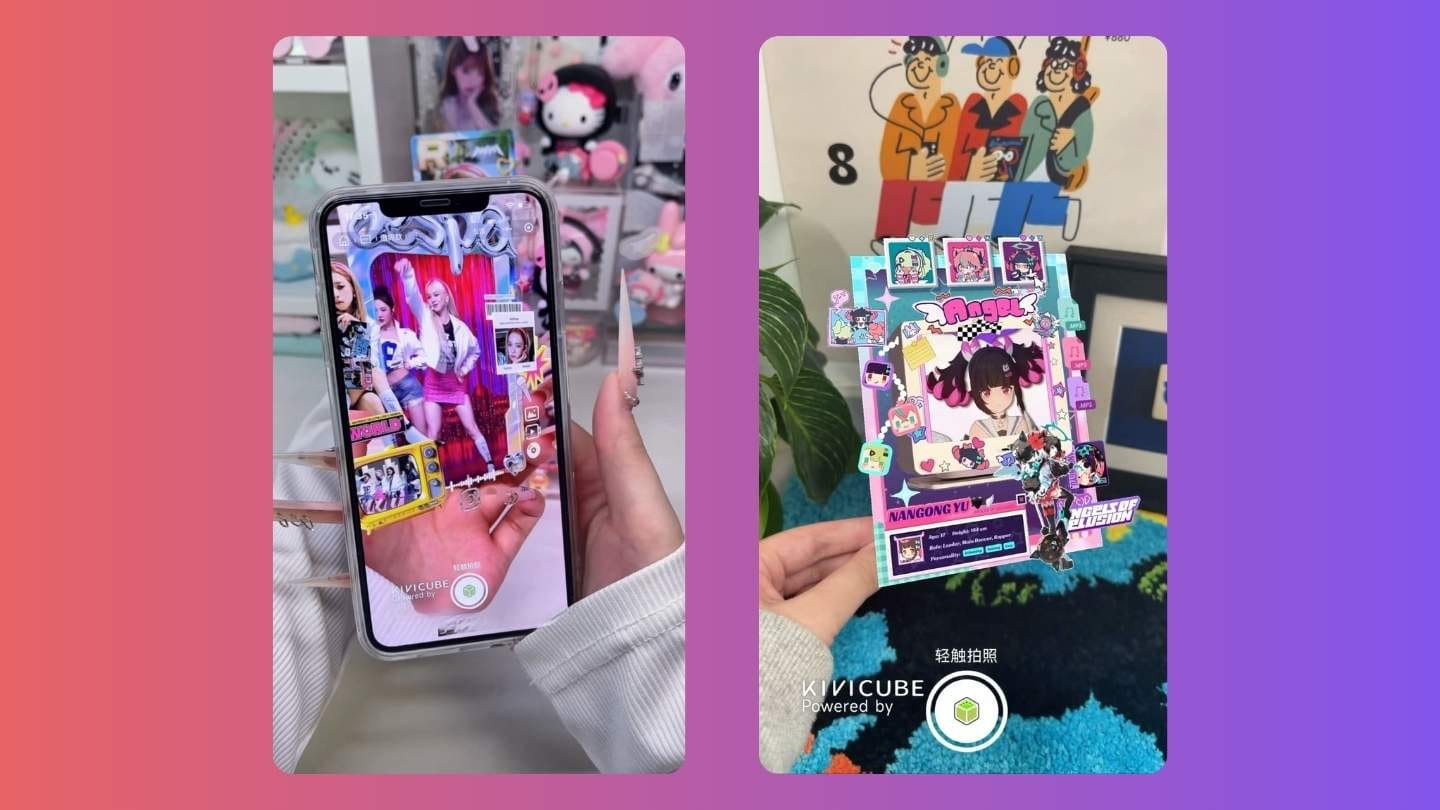
As AR tools become easier to use, more creators are bringing AR into fan culture.
Photo cards, posters, and collectibles can now include hidden AR content like videos or messages. This creates a stronger emotional connection between fans and creators.
12. AR Art Installations
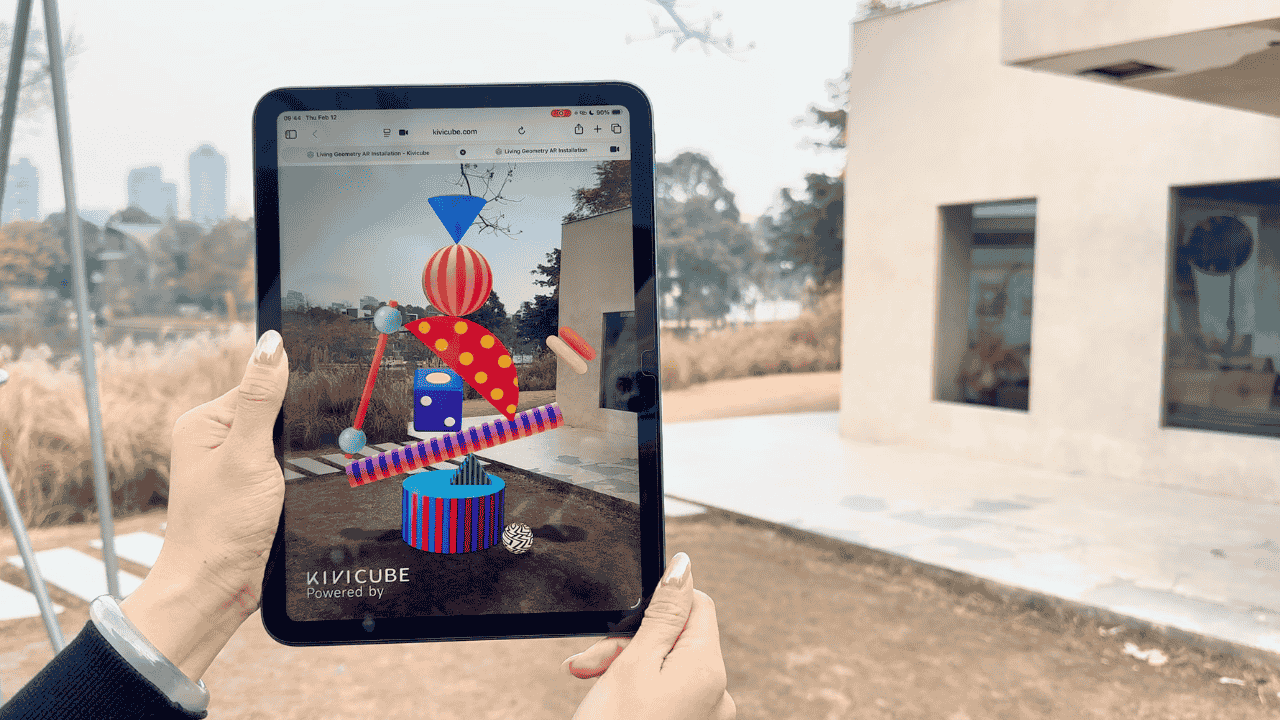
AR allows artists to expand beyond physical limitations.
A static artwork can include motion, sound, or hidden layers that only appear through a phone. This creates a more immersive and personal viewing experience.
It’s increasingly used in galleries, exhibitions, and public art projects.
13. AR Social Filters & Effects
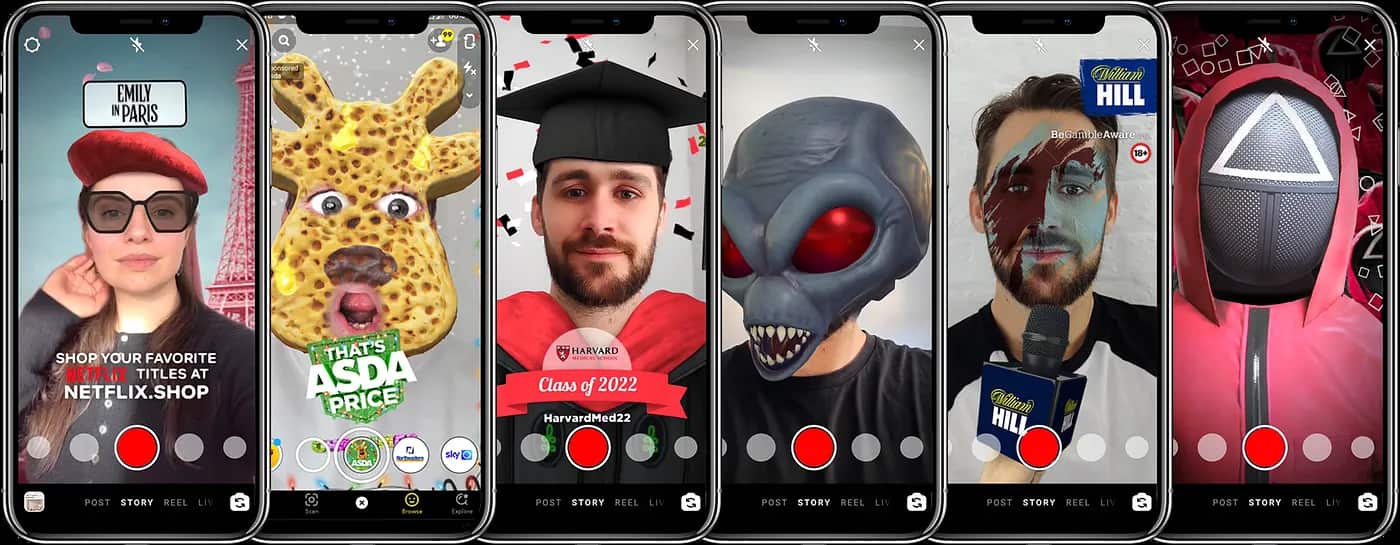
AR filters are one of the most widely used formats on social media.
Brands use them to let users “try” products, interact with characters, or participate in campaigns. This often leads to organic sharing and user-generated content.
With changes in platform ecosystems, more brands are starting to explore WebAR filters as an alternative.
Want to learn how to build a WebAR filter from scratch? Check out this beginner-friendly tutorial.
 Leonie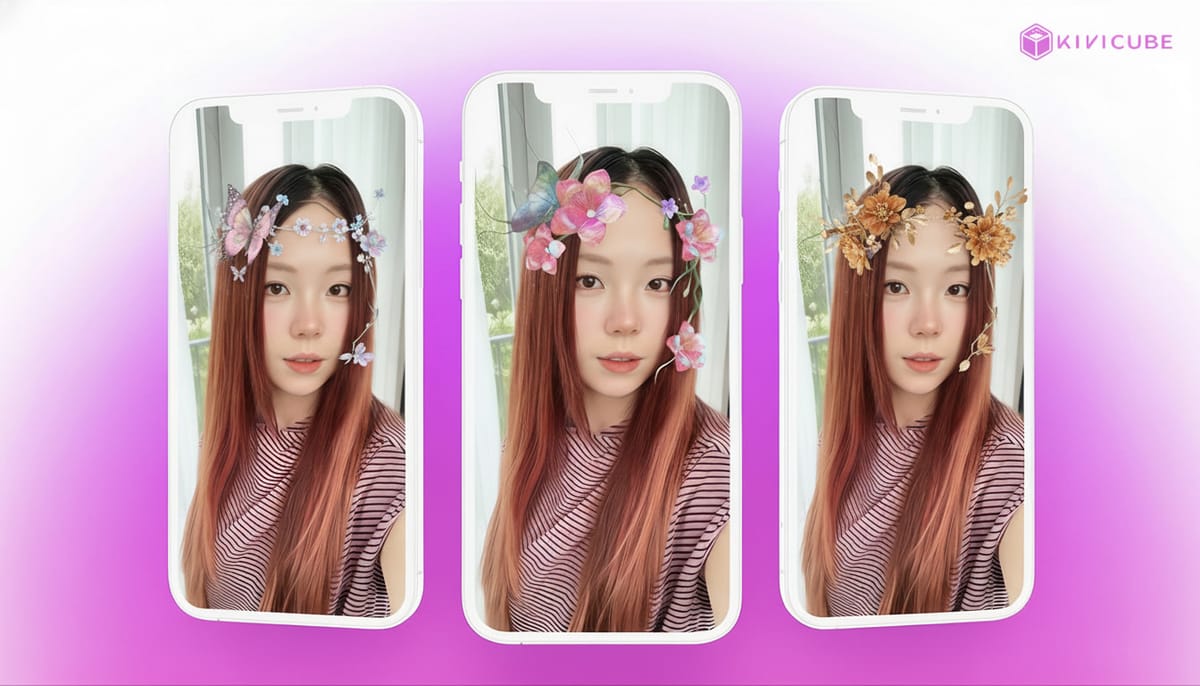
Learn how to create a WebAR filter
Digital Campaign AR
14. AR Advertising Campaigns
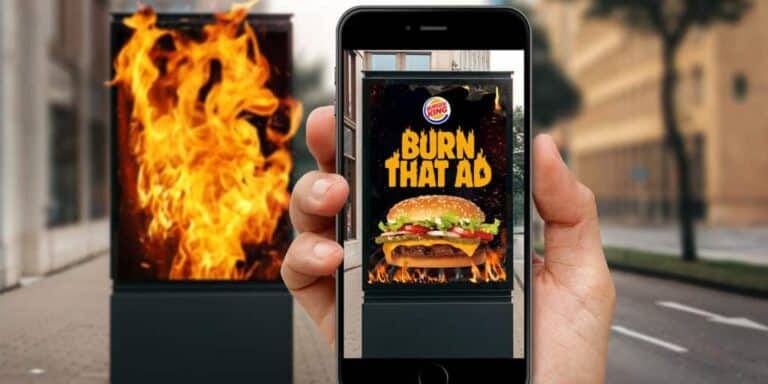
Traditional outdoor ads are everywhere, but AR can make them interactive.
A well-known example is Burger King’s “Burn That Ad” campaign, where users could scan ads and “burn” competitors’ billboards to reveal coupons.
This kind of campaign turns passive viewers into active participants and makes ads more memorable.
15. Gamified AR Experiences
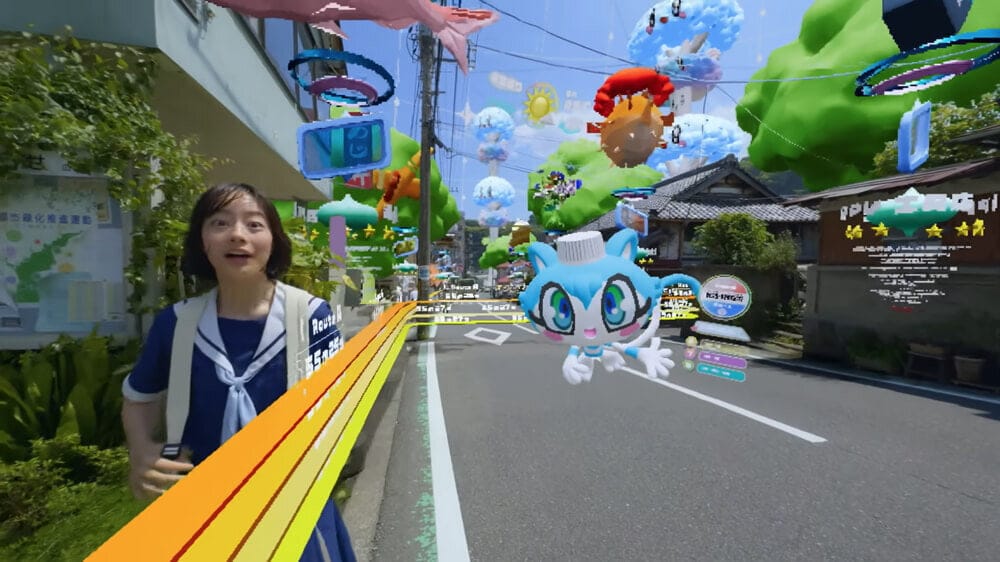
Gamification is one of the most engaging ways to use AR.
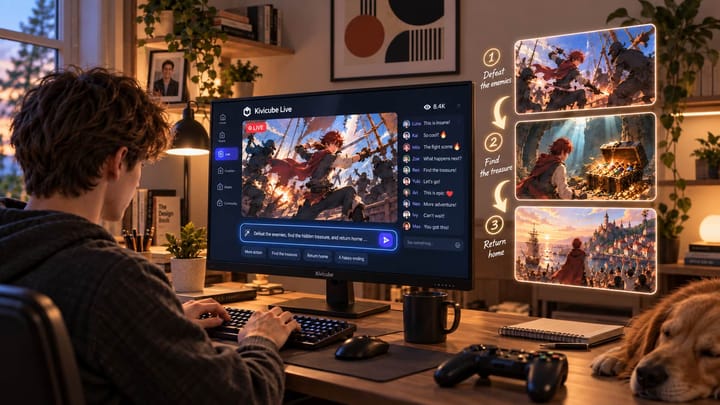
Brands can create interactive experiences like treasure hunts, mini-games, or challenges that users play in the real world. This increases engagement time and encourages sharing.
More importantly, it creates a positive emotional connection. Instead of just seeing a product, users interact with it.
Conclusion
AR is no longer just about novelty. The most effective AR ideas today are practical, accessible, and built around real user behavior.
With WebAR, brands can launch interactive experiences instantly through a simple scan, without asking users to download anything.
Whether it’s packaging, print, retail, or events, AR is becoming a flexible tool for everyday marketing.
If you’re looking to bring these ideas to life, platforms like Kivicube make it possible to build and launch AR experiences without coding — so your team can move from idea to execution much faster.