How to Make an Interactive & Engaging Augmented Reality Newspaper - Full Guide in 2026
Curious about an augmented reality newspaper? Here, you can explore it in detail and learn to make one easily with Kivicube.
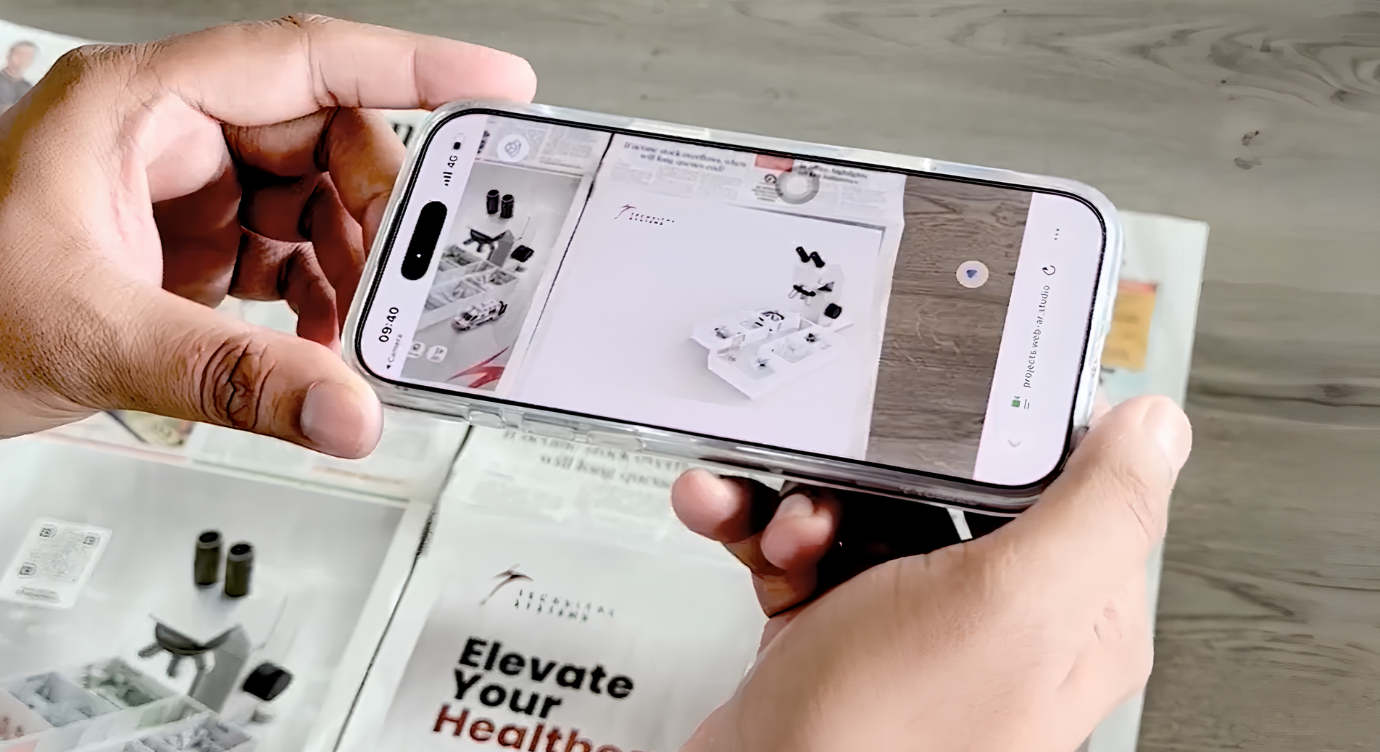
Augmented reality newspapers have become an increasingly popular way to blend print media with interactive digital experiences. Picture this: you scan a newspaper, and then the events described within it come to life before your eyes. This immersive effect is made possible through AR technology.
According to a study from ScienceDirect, higher interactivity enhances recognition and recall of content and improves people’s overall cognitive information processing. AR newspapers bring static stories to life, transforming how stories are told. Keep reading to explore how to integrate augmented reality into print media.
What is an AR Newspaper?
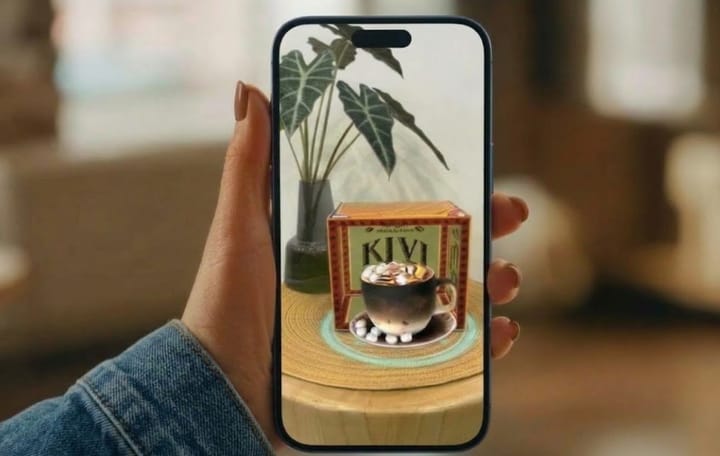
An augmented reality newspaper integrates printed newspapers with digital content, such as video and audio. Using a mobile device, readers can scan the newspaper to unlock interactive 3D models, photos, and event-related videos for an immersive reading experience.
How Does an Augmented Reality Newspaper Work?
Newspaper AR generally uses marker-based AR, so there’s always a trigger image for recognition and tracking. Here is the core workflow:
Scan the trigger: The trigger image can be a front-page photo, infographic, specific logo, or other visual elements. Readers scan the marker image using an app or phone camera.
Recognize and track the image: The technology will recognize the visual features of the scanned trigger image. Using image-tracking technology, it can accurately locate where the image is in the physical world.
Overlay digital content: Once the image is recognized, the technology will immediately display digital content onto the newspaper through the camera view.
Benefits of Augmented Reality Newspapers
From improving reader engagement to boosting online marketing, the rise of augmented reality newspapers provides several key benefits.
Increase Reader Engagement
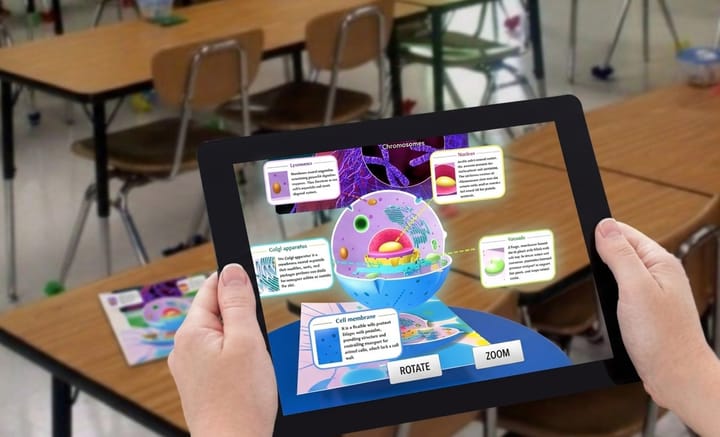
AR Newpapers catches readers’ attention by bringing static print content to life. When people scan the newspaper, they can watch related videos directly from news photos, explore animated sports statistics, and interact with 3D educational models. The transformation turns into a more engaging reading experience.
Create New Advertising Opportunities
Beyond improving reading engagement, AR content in newspapers also improves sales. Research from IAB indicates that AR ads significantly improve brand favorability and conversion rates. By integrating AR product ads with newspapers and connecting readers to interactive brand campaigns, marketers enable readers to interact with 3D product visualization, which can increase brand awareness and drive sales.
Encourage Social Media Sharing
Digital newspapers are interactive and engaging, and people are naturally drawn to interactive experiences. When a reader finds an interactive newspaper experience, he’ll share it with friends, family and even on social media. Organic sharing can help AR campaigns gain viral attention.
How to Create an Augmented Reality Newspaper with WebAR
The benefits of AR newspapers have inspired newspaper publishers, businesses, and individual users to create their own AR newspaper experiences. However, high barriers to entry and long production cycles make AR production difficult. That's why augmented reality generators come into being.
For users looking to create augmented reality newspapers easily online, Kivicube, one of the easiest WebAR platforms for beginners, is a practical option. It is an all-in-one AR content creation platform, enabling anyone to design their AR-enabled newspapers using a drag-and-drop editor. No code or app is required.
Learn more about the best Web-based augmented reality generator:
Advanced AR capabilities: With advanced AR image tracking technology, Kivicube supports consistent AR overlays for print materials, including newspapers, magazines, textbooks, etc.
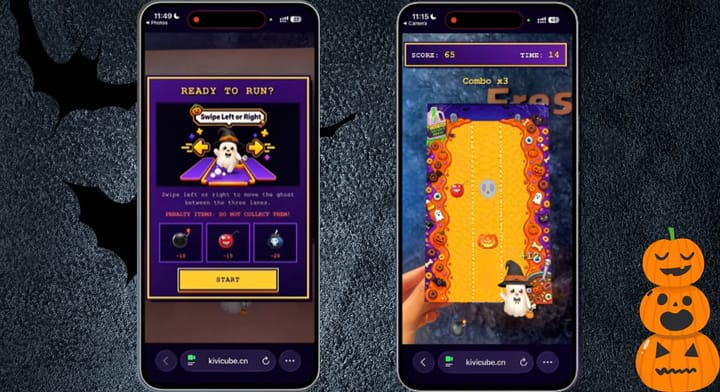
No-app experience: The tool is 100% web-based. It supports embedding links or QR codes on official sites, social media, and a wide range of print media, especially newspapers. Users can directly scan the QR code for the WebAR newspaper experience without downloading the app.
Multimedia support: You can upload audio and video content to effectively bring news stories to life, allowing readers to quickly grasp key information.
Built-in customization tools: With a series of auxiliary tools integrated, this platform enables users to customize their newspaper augmented reality scenes in detail. Besides, AI-assisted model generation helps to create high-fidelity 3D models, enhancing the creation process and more realistic effects.
Video Intro of Kivicube
Step-by-Step Guide for a WebAR Newspaper with Ease
Have you got everything ready? Now, let’s see how you can work on a new augmented reality newspaper with Kivicube.
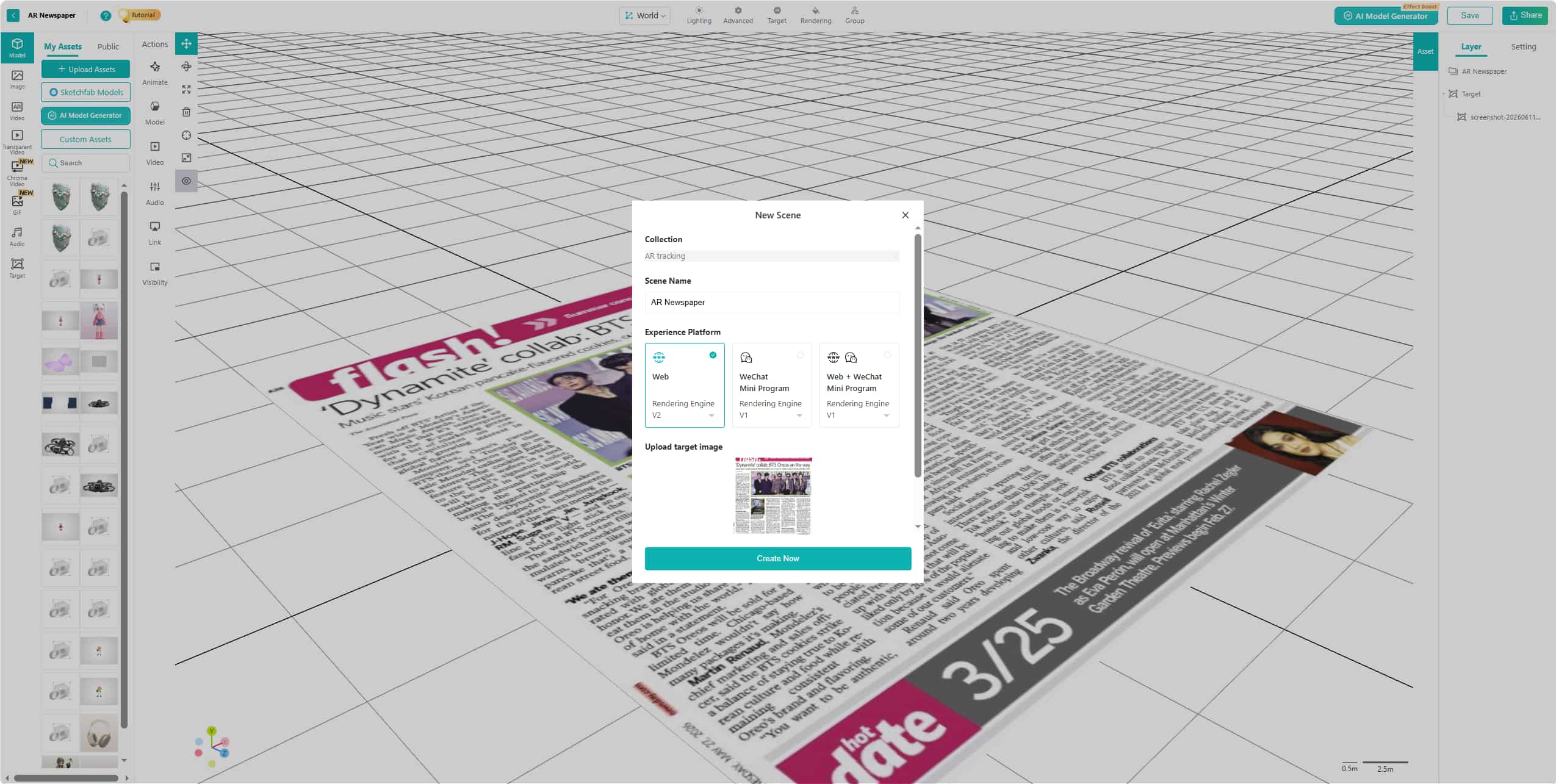
Step 1. Sign up and open an image AR scene in the top right corner. In the popped window, choose a collection, name your webAR newspaper scene, and upload the trigger image.
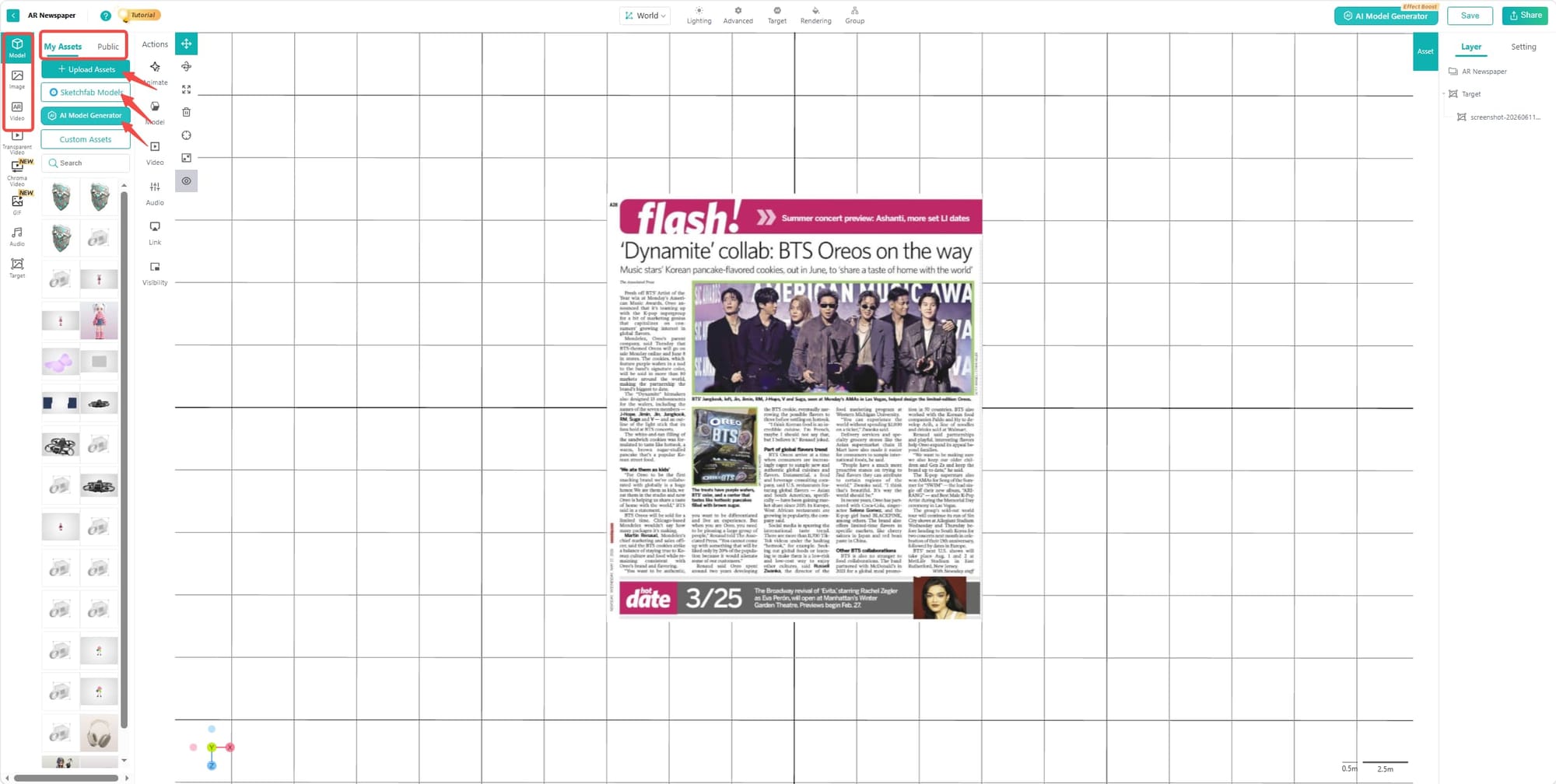
Step 2. Upload target assets to the editor from your device, including images, 3D models, audio, and videos. You can also directly convert an image to a 3D model with the built-in AI model generator.
Step 3. Drag and drop assets into the grid editor, then change the size, rotate, and position with transform tools in the event panel.
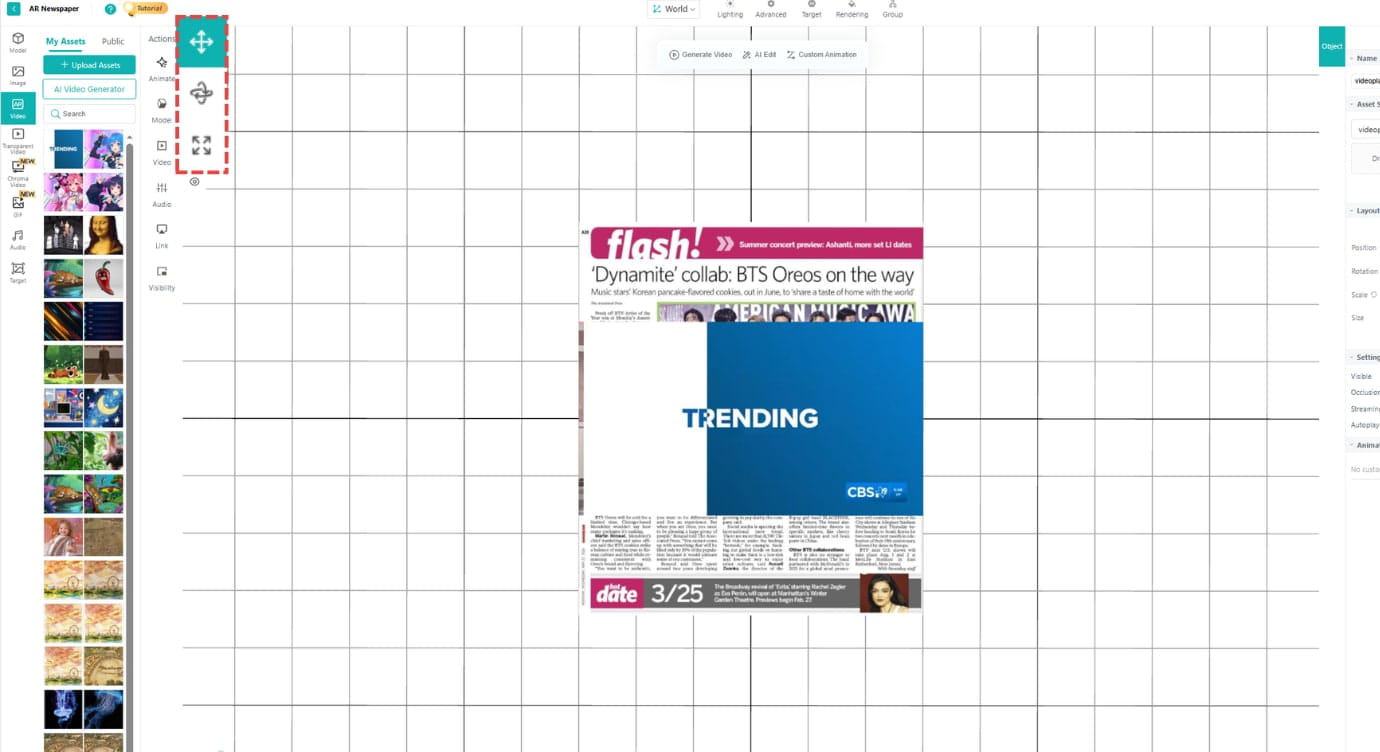
Step 4. Adjust visibility and add animation to make this AR scene more interactive.
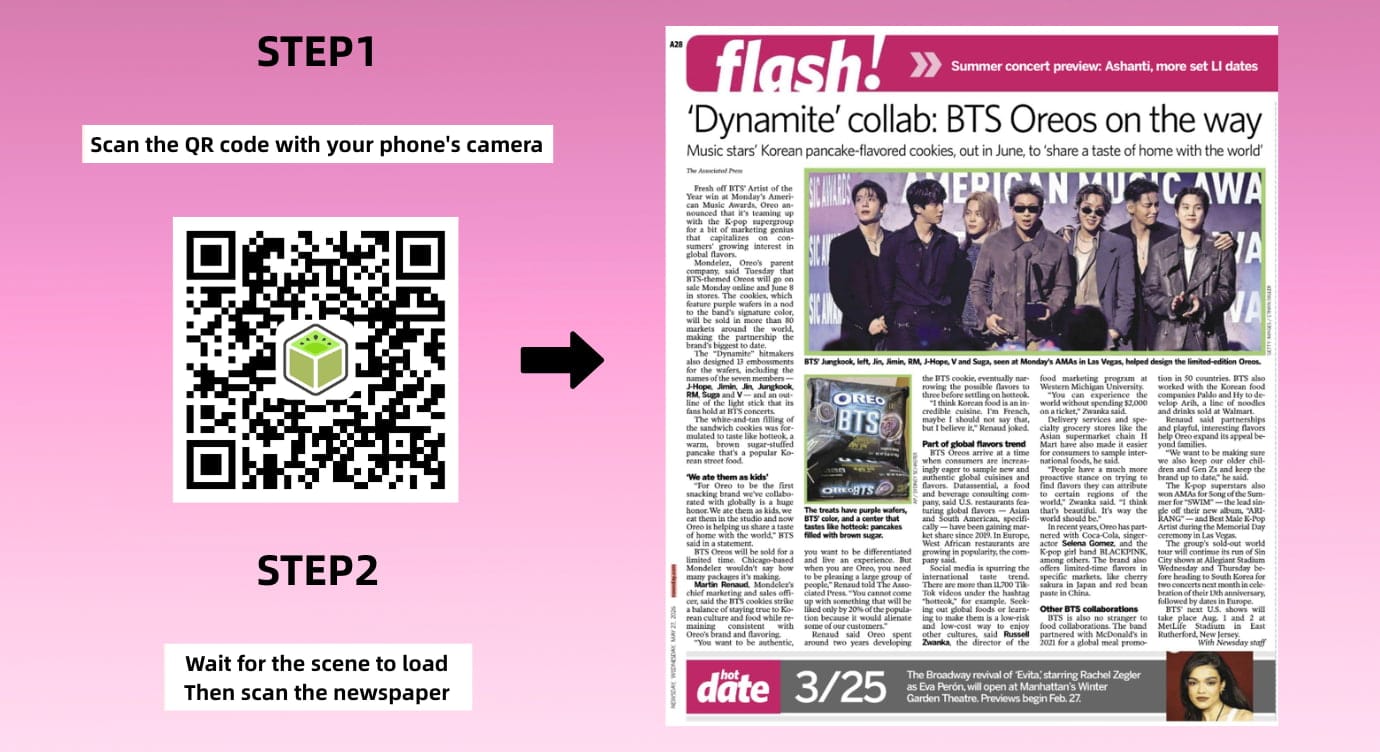
Step 5. Save and share the trigger image of the newspaper AR scene across platforms. Then anyone can scan the QR code and image for an immersive AR-powered newspaper reading experience.
4 Real-World Augmented Reality Newspaper Cases
Newspapers around the world have adopted augmented reality technology to enhance reader engagement. Below are four real-world examples.
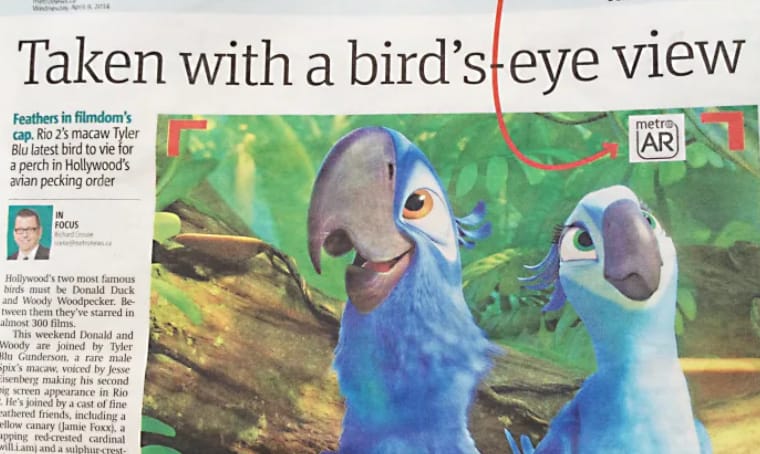
- Metro Newspaper × Rio 2 AR Campaign
Daily newspaper Metro used AR technology to promote the movie Rio 2. When a reader scans the newspaper with a smartphone, they can instantly view the movie trailer of Rio 2. This campaign made the movie launch experience more interactive and encouraged more people to go to cinemas to watch the film.
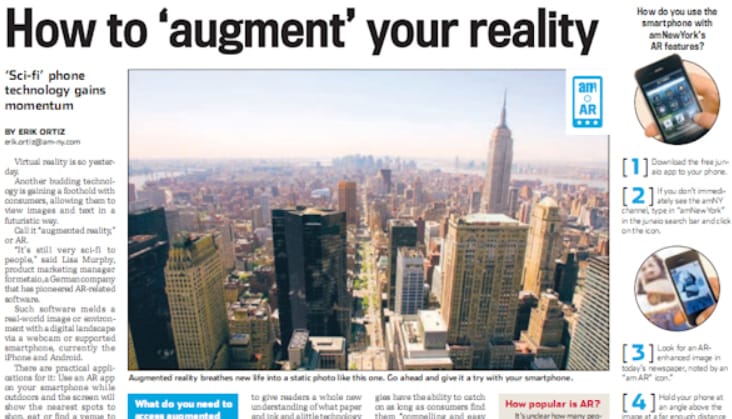
- amNewYork × Metaio AR Newspaper
In partnership with the AR junaio browser developed by Metaio, amNewYork published an interactive newspaper on Nov. 23, 2010, making it the first U.S. newspaper to bridge the gap between print and digital on the eve of Thanksgiving. Using their phones, readers can watch the Macy’s Thanksgiving Day balloons appear to float off the page, uncover who is invading Gotham, and get answers to the KenKen puzzle of that day.
According to Paul Turcotte, publisher of amNewYork, the collaboration with Metaio demonstrates how traditional print media can be an entry point for users to engage with digital experiences.
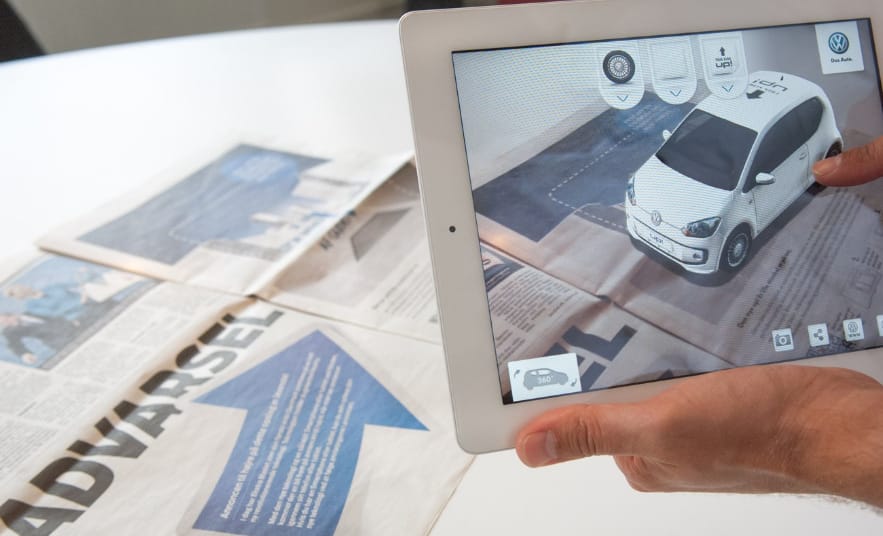
- Volkswagen New Up! Newspaper Ad
To attract more young people to the newly launched Volkswagen up!, Volkswagen placed a 1.5-page print advertisement in Ekstra Bladet. Unlike traditional newspaper ads, they used a bold strategy: the car was not visible until readers scanned the ad. After scanning, users could change the color, wheels, and design in a 3D scene.
Between May 2012 and August 2013, the Volkswagen up! 3D experience app reached over 25,000 downloads, more than three times the original target. This case demonstrates that interactive digital ads in newspapers significantly increase brand engagement and audience interaction.
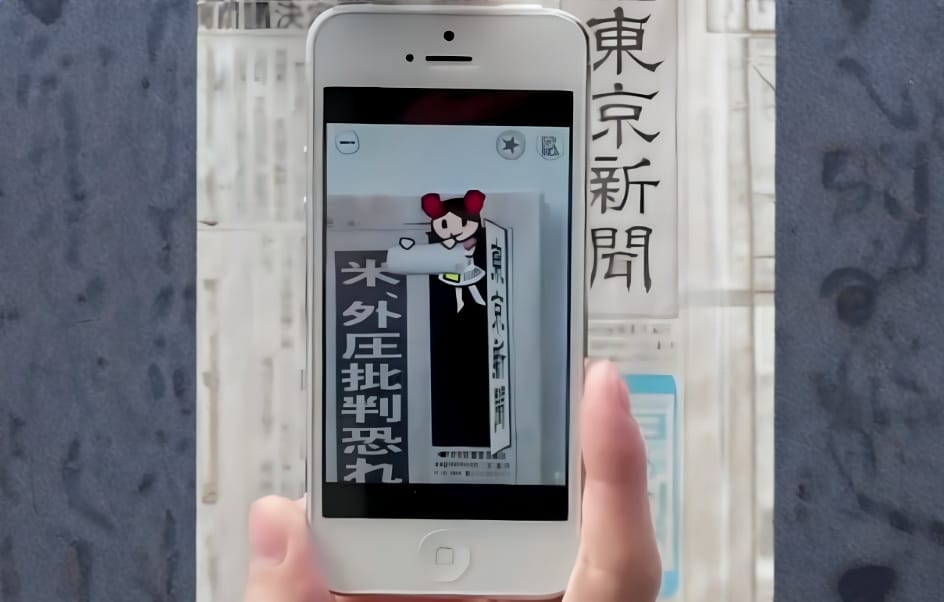
- Tokyo Shimbun AR Newspaper for Children
To make newspapers more accessible to children, the Tokyo Shimbun partnered with the advertising agency Dentsu for an AR newspaper application. It allows children to access simplified, child-friendly news content by simply holding their smartphones over the newspaper.
Further Reading: More Creative Ideas of Augmented Reality in Print
The power of augmented reality in print not only works in newspapers, but also does well in other formats. Below are additional applications of AR in print media, education, and other purposes.
Idea 1. AR Magazines
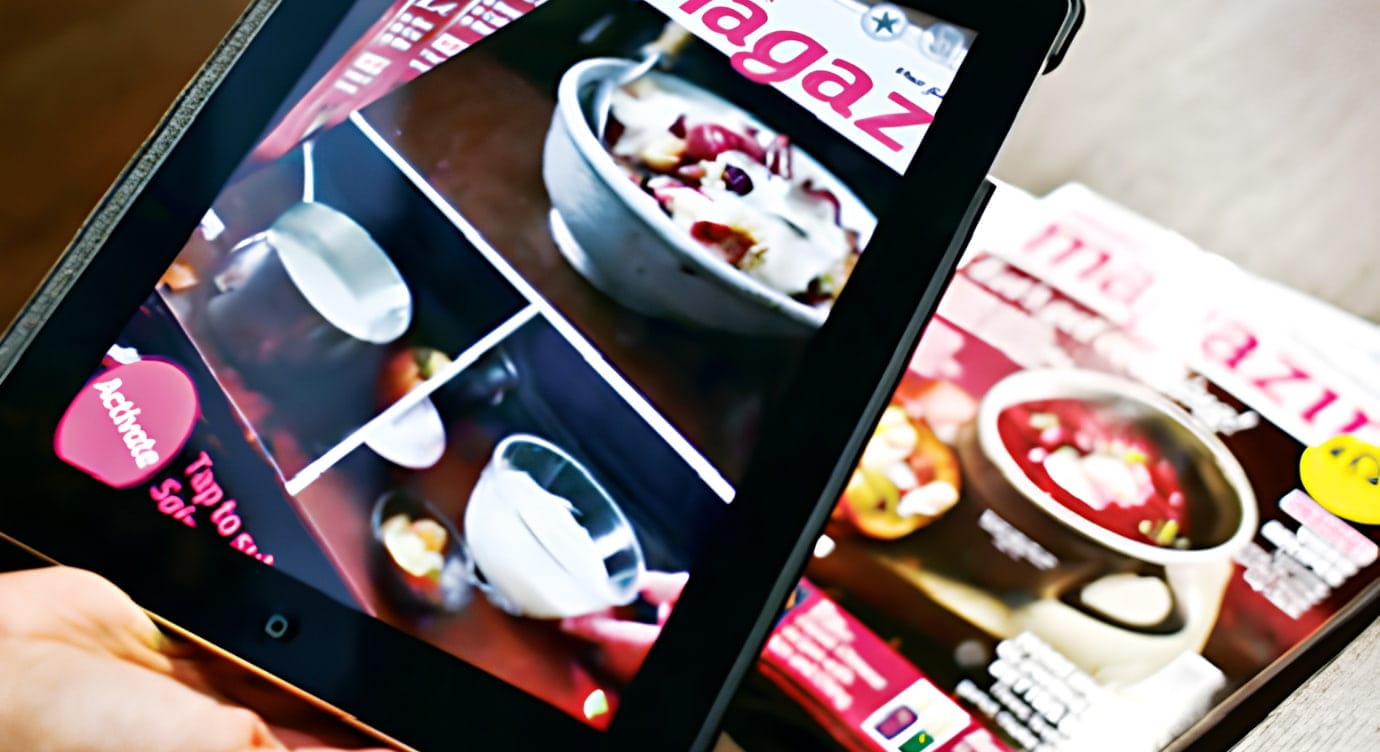
By combining AR with physical printed magazines and digital interactivity, publishers help address one of the key challenges - low reading engagement. With just a smartphone, readers can access an entertaining digital experience without any technical skills. For example, Sainsbury’s Magazine with Aurasma allows readers to access how-to videos from top chefs Mark Hix and Sam Harris, a split-screen video cover feature, and other interactive elements.
Explore more about the augmented reality magazine in this post:
 Leonie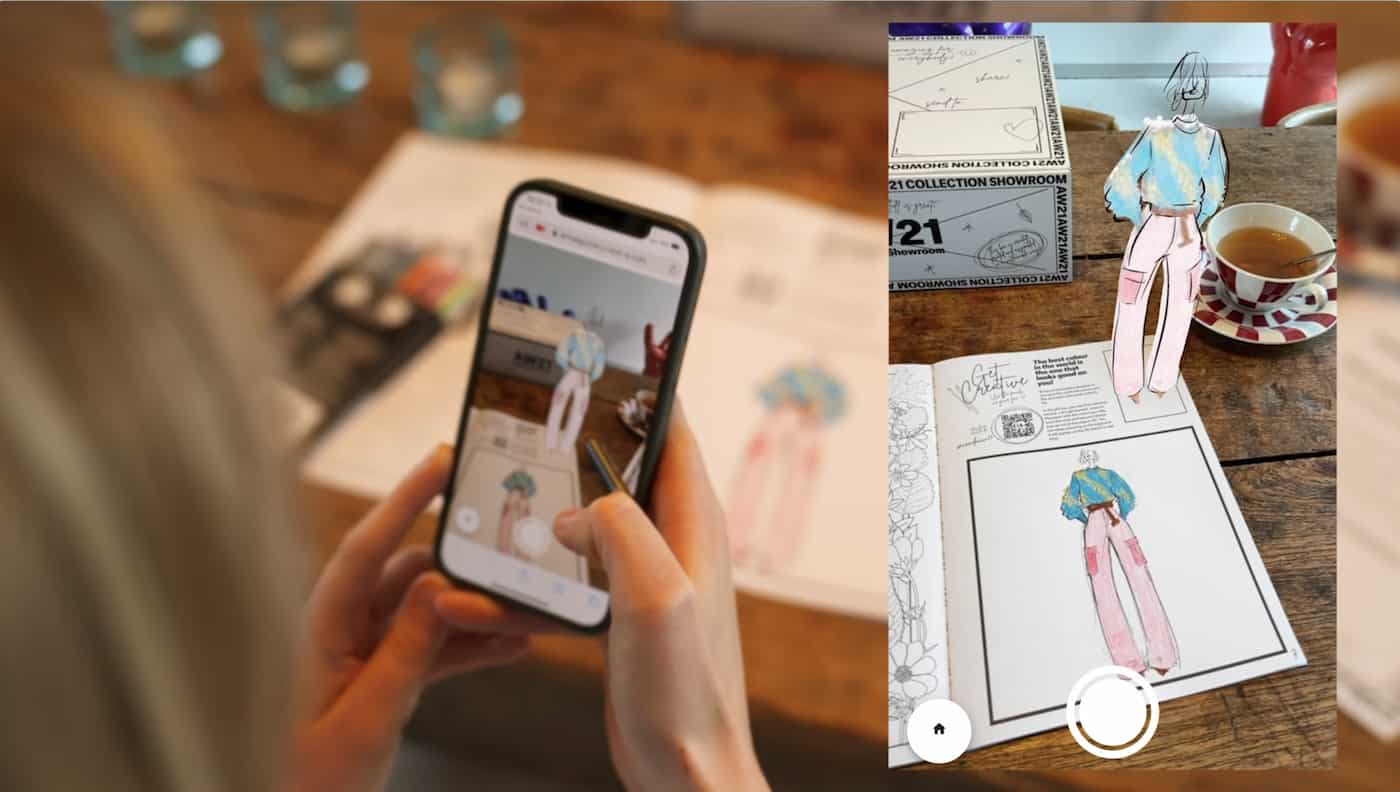
Idea 2. AR Storybooks and Textbooks
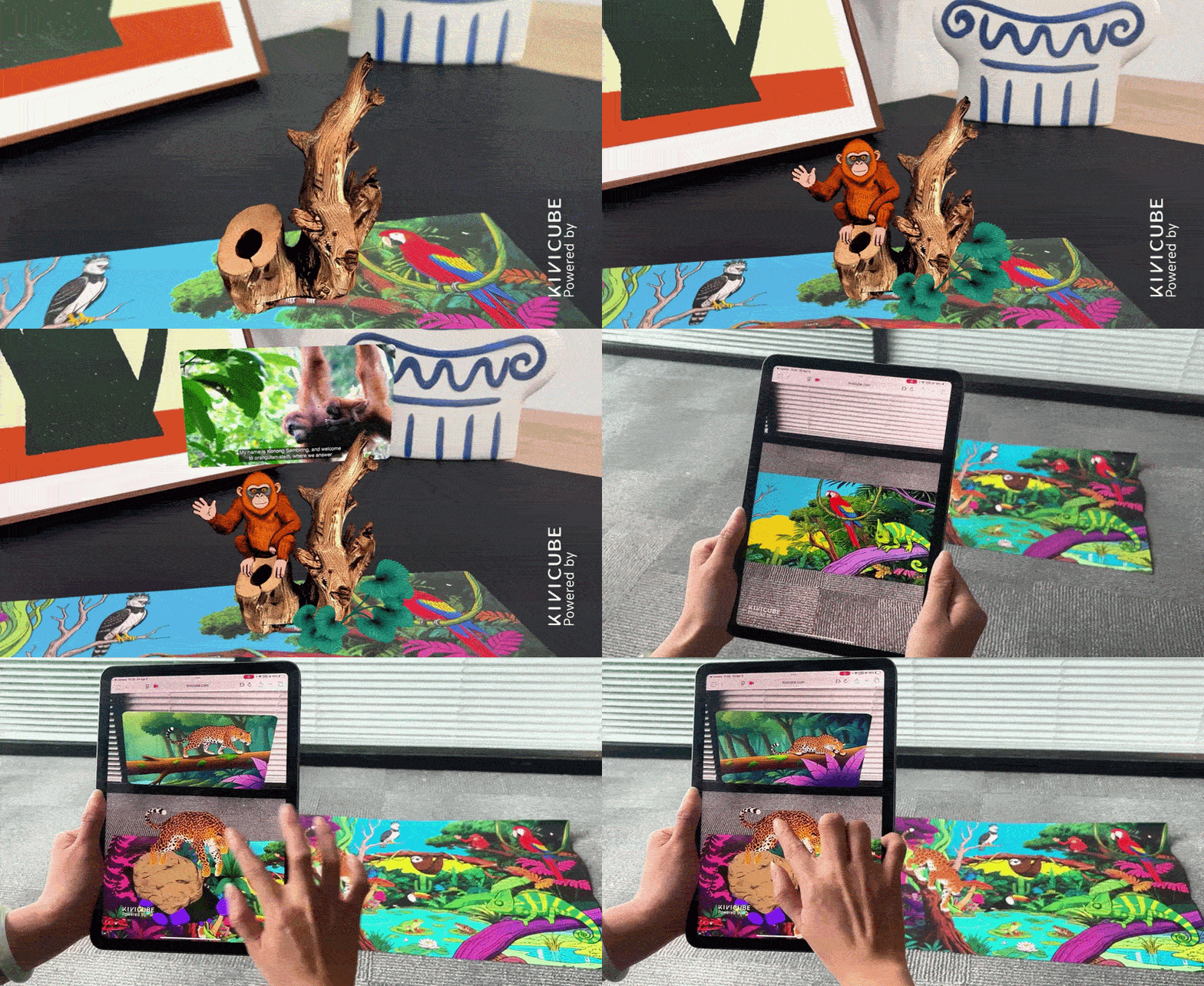
Since it’s difficult for children to pay attention to static content, bringing storybooks and textbooks to life can be an effective approach. Instead of being limited by static images and text-only descriptions, AR storybooks and textbooks are more engaging and interactive for children, which can encourage them to engage in learning.
Idea 3. AR Product Catalogs and Brochures
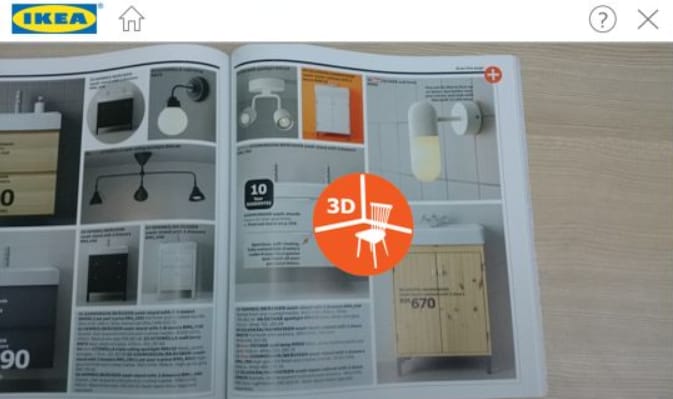
Major brands are increasingly using AR catalogs and brochures for realistic product visualization, helping reduce return rates. IKEA, for example, has launched an AR-enabled product catalog with several AR features. Using the official IKEA catalogue app, users can preview furniture in real-world environments.
Idea 4. AR Packaging
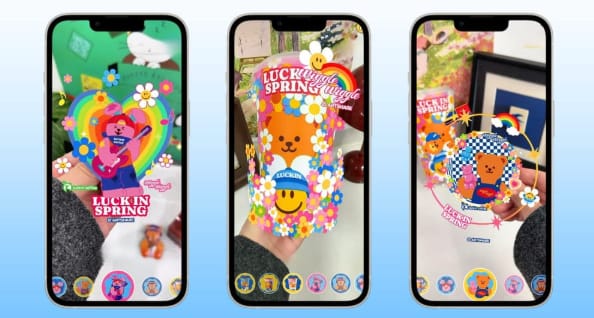
AR packaging is an important application in AR print marketing. It removes the limitations of traditional packaging, bridging brands and consumers through interactive product visualization. It can be a useful strategy for brands looking to increase engagement.
FAQs about Augmented Reality Newspaper
Q: Apps vs. WebAR platforms: which is better for interactive newspaper creation?
For augmented reality newspaper creation, webAR can be more convenient and accessible. Unlike augmented reality apps for newspapers, webAR platforms like Kivicube allow people to create, edit, and share AR newspapers directly online. No app needs to be downloaded.
Q: What do I need to view AR newspaper content?
Only three things are required for viewing digital newspaper content:
- A printed newspaper with AR trigger images.
- A phone or tablet with a camera.
- A specific app, QR code, or web link for the AR experience.
Q: What kind of interactive content can I see?
You can see a variety of AR content provided by the publishers, including 3D models, immersive data visualization, event-related video, interactive ads, and more.
Q: Can I create an AR newspaper by myself?
Yes. Powerful webAR tools like Kivicube enable simple and fast AR print creation, including newspapers, magazines, storybooks, etc., all done with an intuitive drag-and-drop interface.
Final Thought
Augmented reality newspapers are no longer a futuristic concept but a real-world application for news delivery. From improving reader engagement to boosting brand marketing, the advantages are evident. For easy creation and customization, WebAR platforms such as Kivicube provide a practical solution.