Augmented Reality Tourism: 5 Real Use Cases Transforming Travel Experiences
How Augmented Reality Is Transforming Tourism and Travel Experiences
Augmented reality tourism is no longer a future concept. It is already reshaping how people explore destinations today.
Research shows that augmented reality significantly improves tourist engagement and experience quality. A recent study published on ScienceDirect found that AR enhances immersion and interaction, leading to higher visitor satisfaction in tourism scenarios.
This growth is driven by one simple reason. AR makes travel more interactive, more informative, and more memorable. Instead of just seeing a place, travelers can now experience it.
From historical reconstruction to real-time navigation, augmented reality for travel industry is changing how people connect with the world.
In this guide, you will discover real augmented reality travel use cases and learn how to create your own AR tourism experience with no coding.
What Is Augmented Reality in Tourism
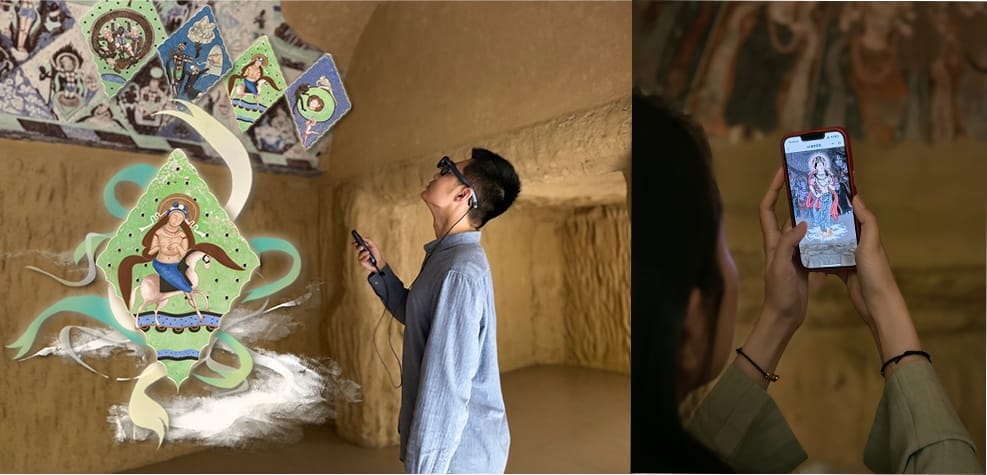
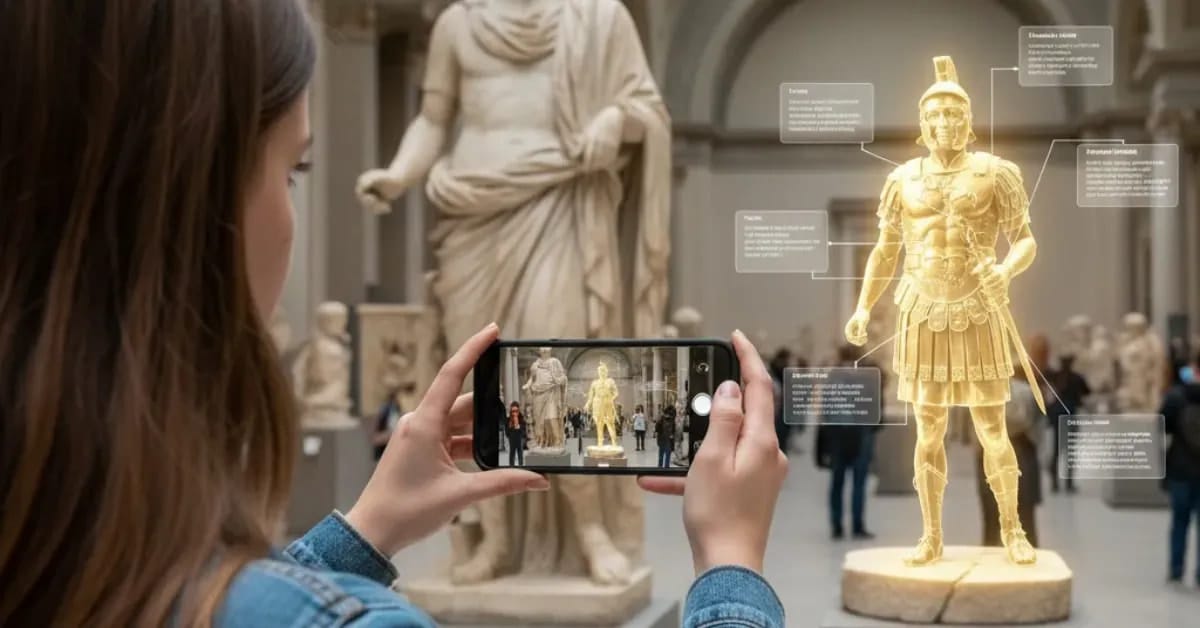
Augmented reality tourism refers to adding digital content on top of the real world through a mobile device. This content can include 3D models, animations, text, or audio.
Unlike virtual reality, AR does not replace the real environment. It enhances it.
For example, a traveler can point their phone at a landmark and instantly see historical reconstructions or hidden stories.
This is why augmented reality travel guide solutions are becoming more popular across destinations.
How Is Augmented Reality Used in Travel
Augmented reality is used in many parts of the travel experience.Here are the most common applications:
- Enhance real-world landmarks with digital overlays
- Deliver interactive museum guides
- Provide real-time navigation and directions
- Create immersive travel content
- Increase engagement with tourism products
These use cases show how augmented reality for travel industry is moving from marketing to real utility.
5 Real-World Use Cases of Augmented Reality in Tourism
Landmark Recognition and Historical Reconstruction
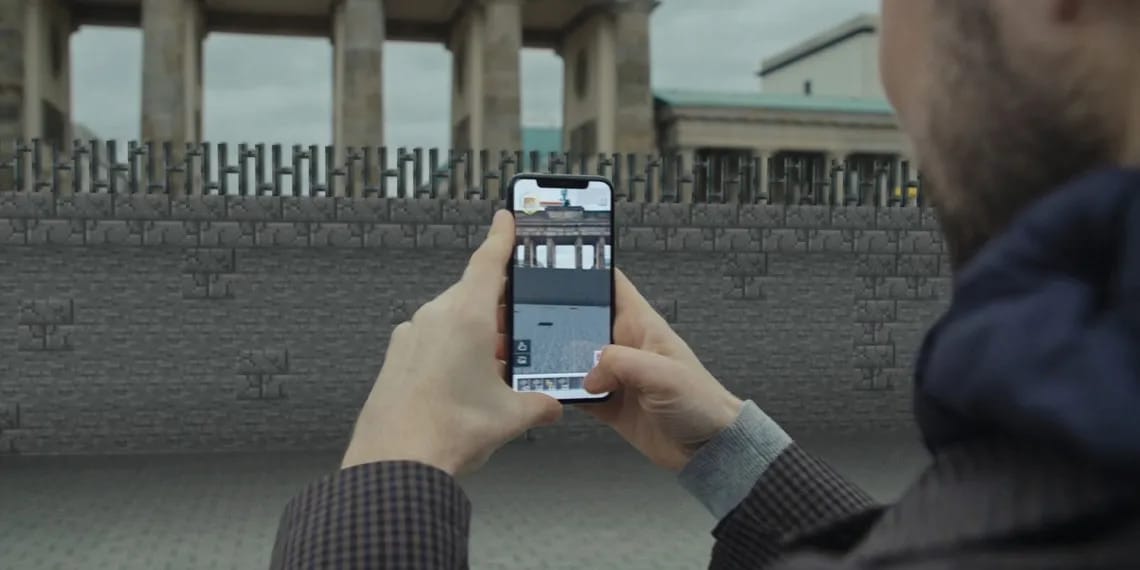
One of the most powerful uses of augmented reality tourism is bringing history back to life. Visitors can scan a landmark and instantly see how it looked in the past.
For example, When visitors scan the Berlin Wall memorial site with their phones, they can see footage of people climbing over the Berlin Wall before its fall. This transforms a simple visit into an immersive story.
This type of augmented reality tourism experience helps visitors better understand history.
Interactive Museum Guides with AR
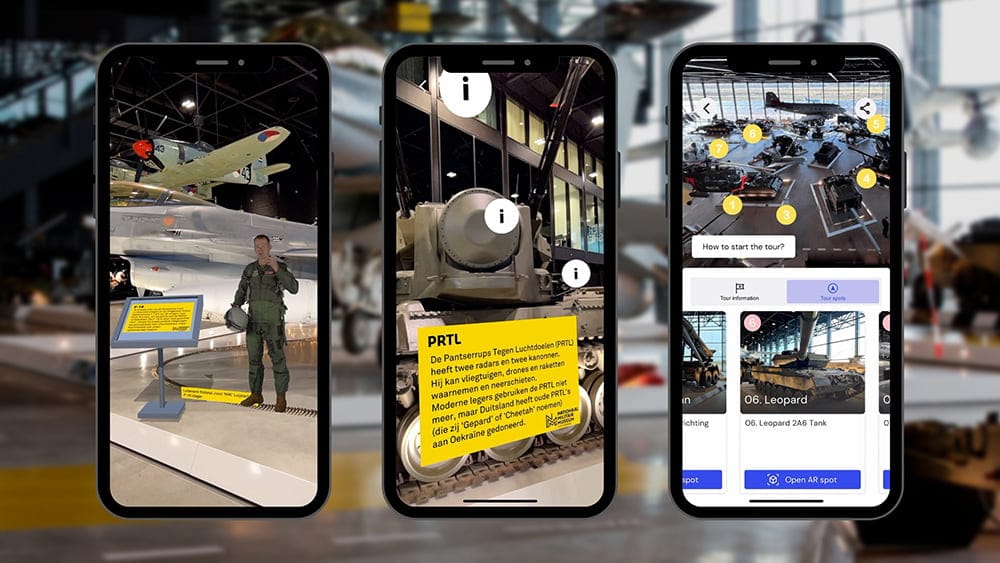
Museums are one of the most mature applications of augmented reality travel guide solutions.
After scanning a real exhibit, users can see it restored to its original state, watch the artwork come to life, and hear the stories behind the exhibits through AR.
Some museums even offer real-time translation, allowing international visitors to understand content in their own language.
AR-Enhanced Tourism Merchandise
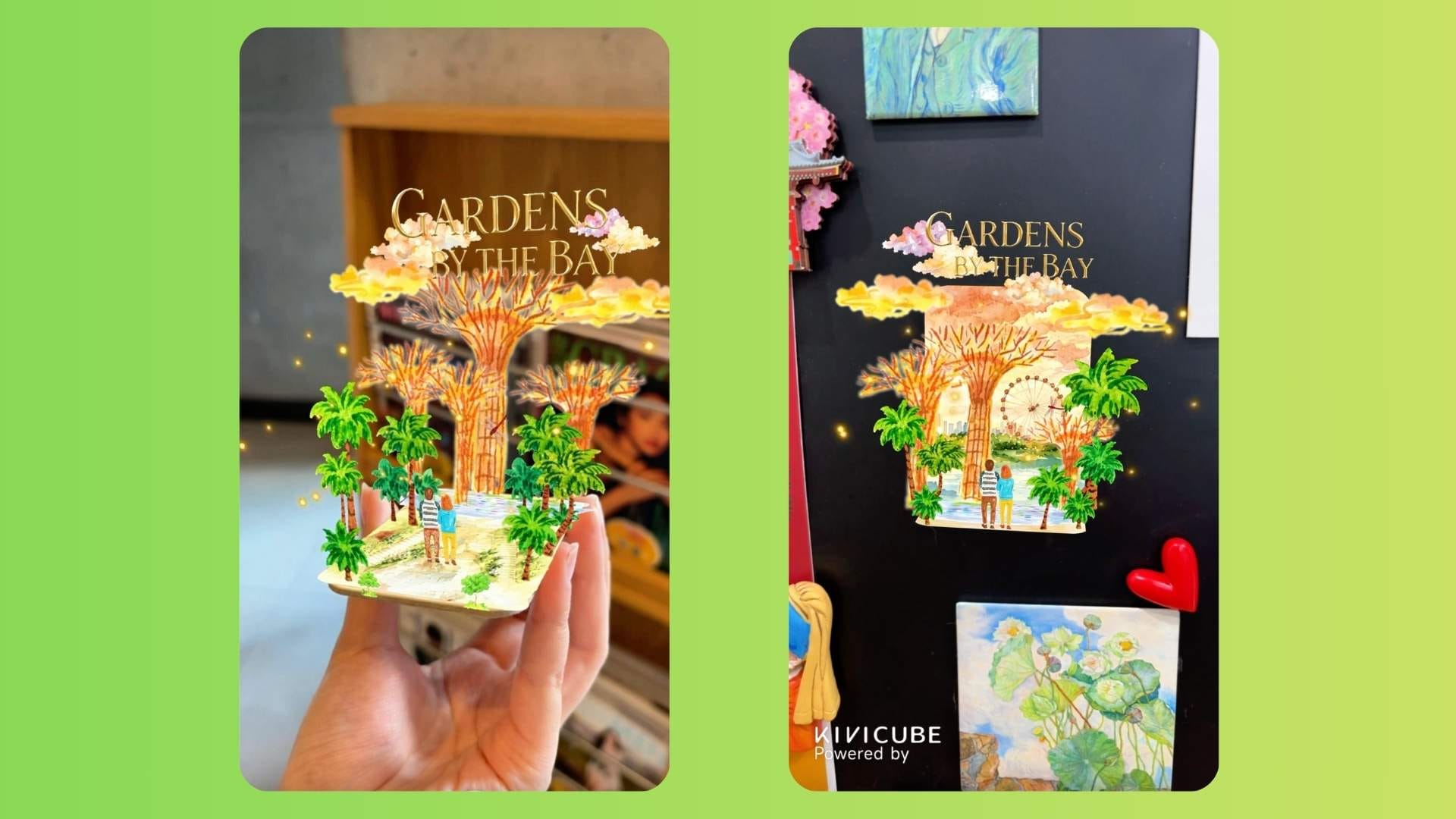
Augmented reality travel is also expanding beyond the destination itself. Tourism products like fridge magnets, postcards, and posters can trigger AR content. A simple souvenir can come alive with animation, storytelling, or video.
In this case, a Gardens by the Bay magnet can display a virtual scene. A Degas-themed postcard can show an animated ballet performance.
AR-enhanced tourism products deliver outstanding visual experiences, which can boost their core competitiveness and increase tourists' desire to purchase.
If you want to learn how to use AR to enhance your travel merchandise, check out this beginner-friendly tutorial.
Step-by-Step Tutorial: How to Create AR Fridge Magnets with Kivicube
AR Filters for Cultural Interaction
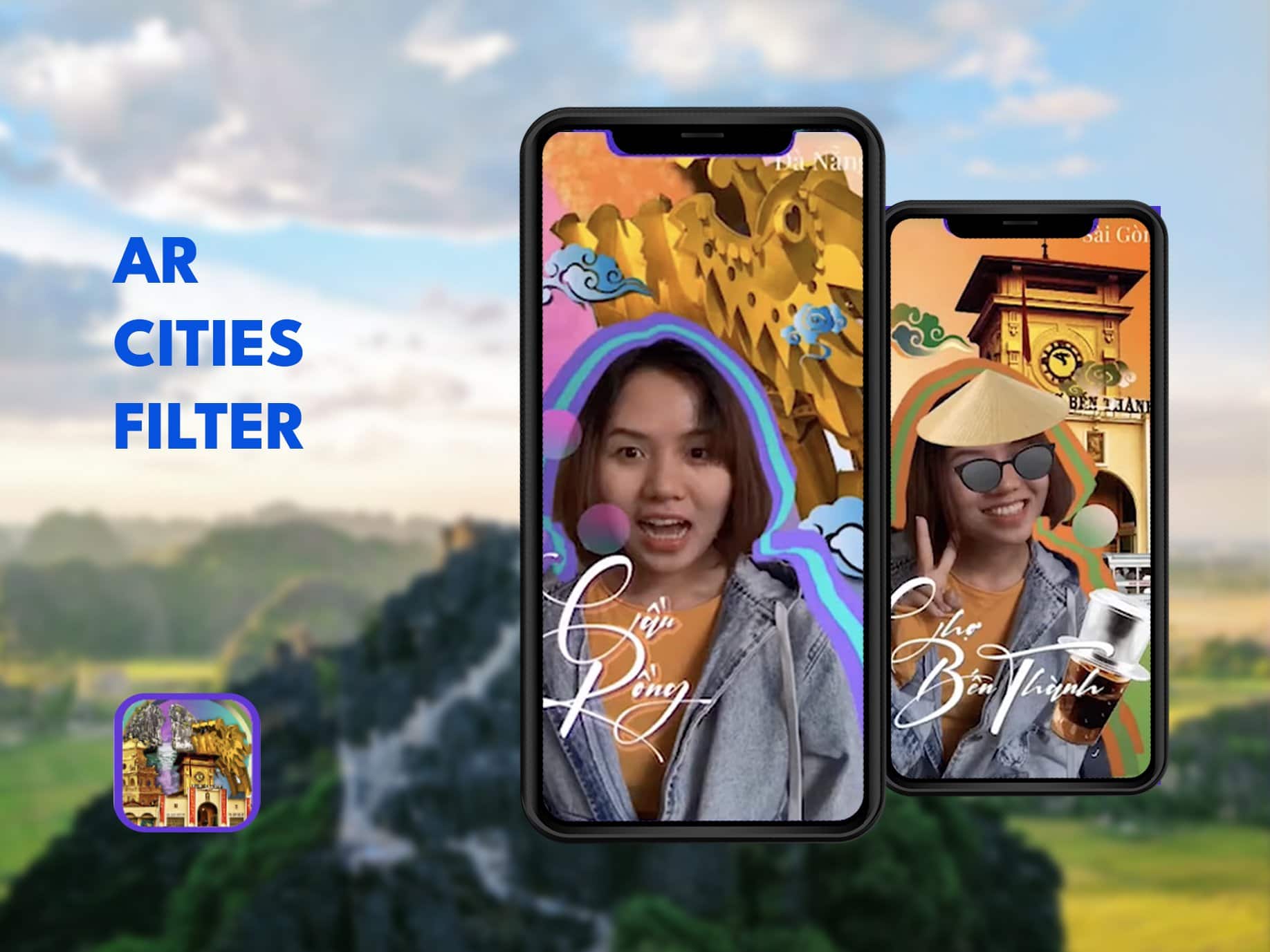
AR filters allow users to interact with culture in a fun and personal way. By scanning their face, travelers can wear traditional costumes, accessories, or historical styles.
Tourism campaigns in countries like Vietnam have used AR filters to promote cultural identity across major cities.
These experiences are highly shareable and increase engagement on social media. AR filters make cultural experiences more personal and more engaging.
If you want to learn how to create your own AR filters from scratch, check out this guide.
 Leonie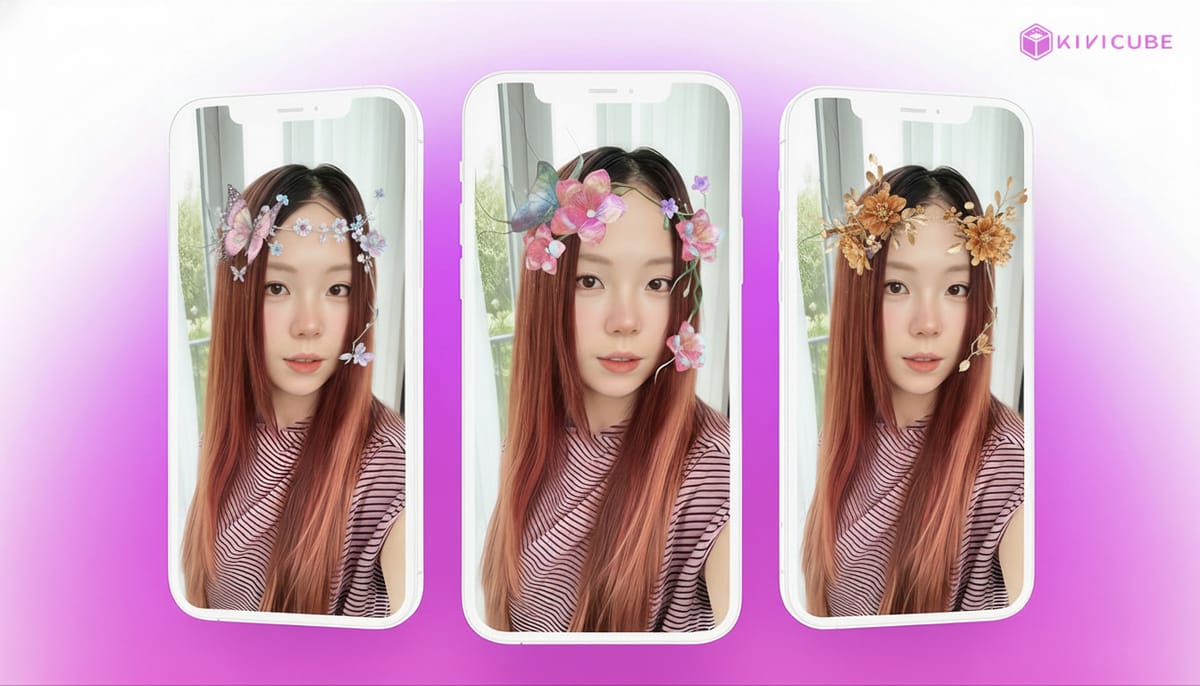
AR Navigation and Smart Travel Guidance
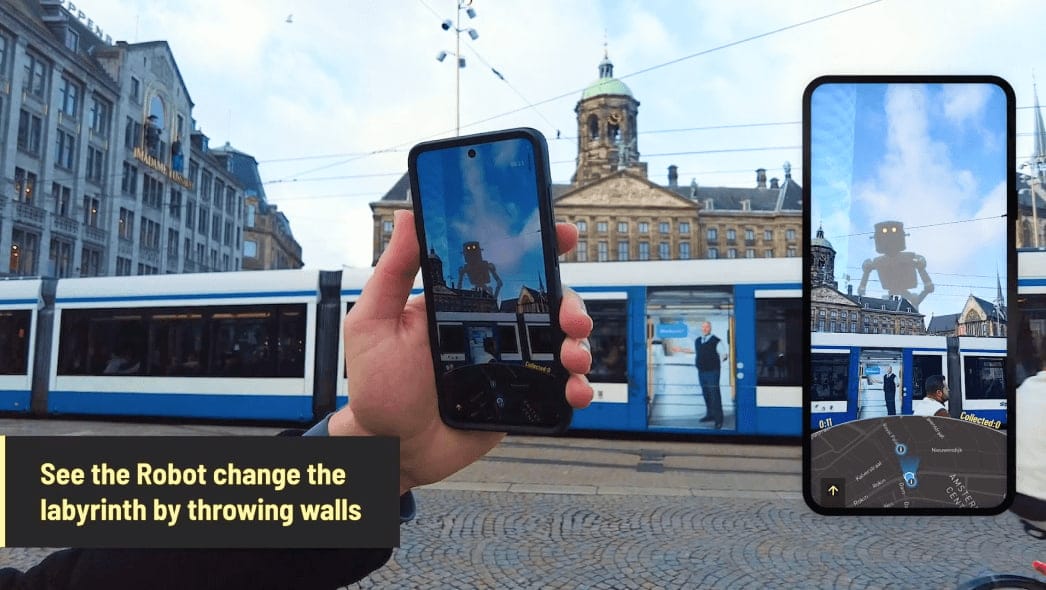
Navigation is another strong use case for augmented reality tourism.
Instead of reading maps, users can follow AR directions directly in the real world. Information about landmarks, restaurants, or attractions can appear in real time.
This reduces confusion and improves the overall travel experience.AR navigation turns cities into interactive guides.
How to Create an AR Tourism Experience with Kivicube
Kivicube Tutorial| How to create interactive AR landmark experience with no code
Creating an augmented reality tourism experience is now easier than ever. Thanks to Kivicube’s no-code platform, anyone can build professional AR travel experiences without technical expertise. Follow this simple workflow:
Step 1: Upload a landmark data
Choose a real-world building, film a video of the building and take a photo from the best vantage point.
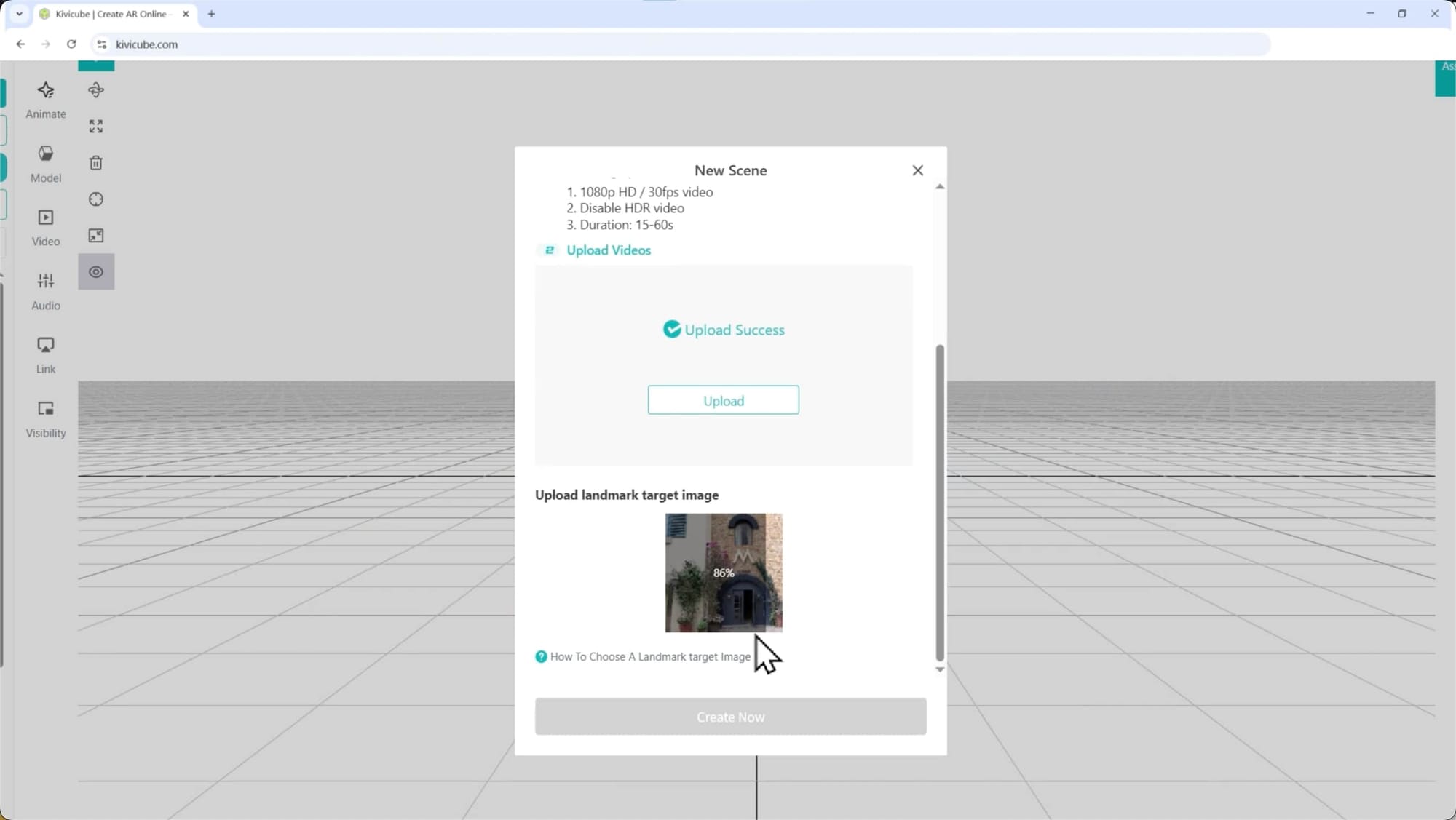
Step 2: Add AR content
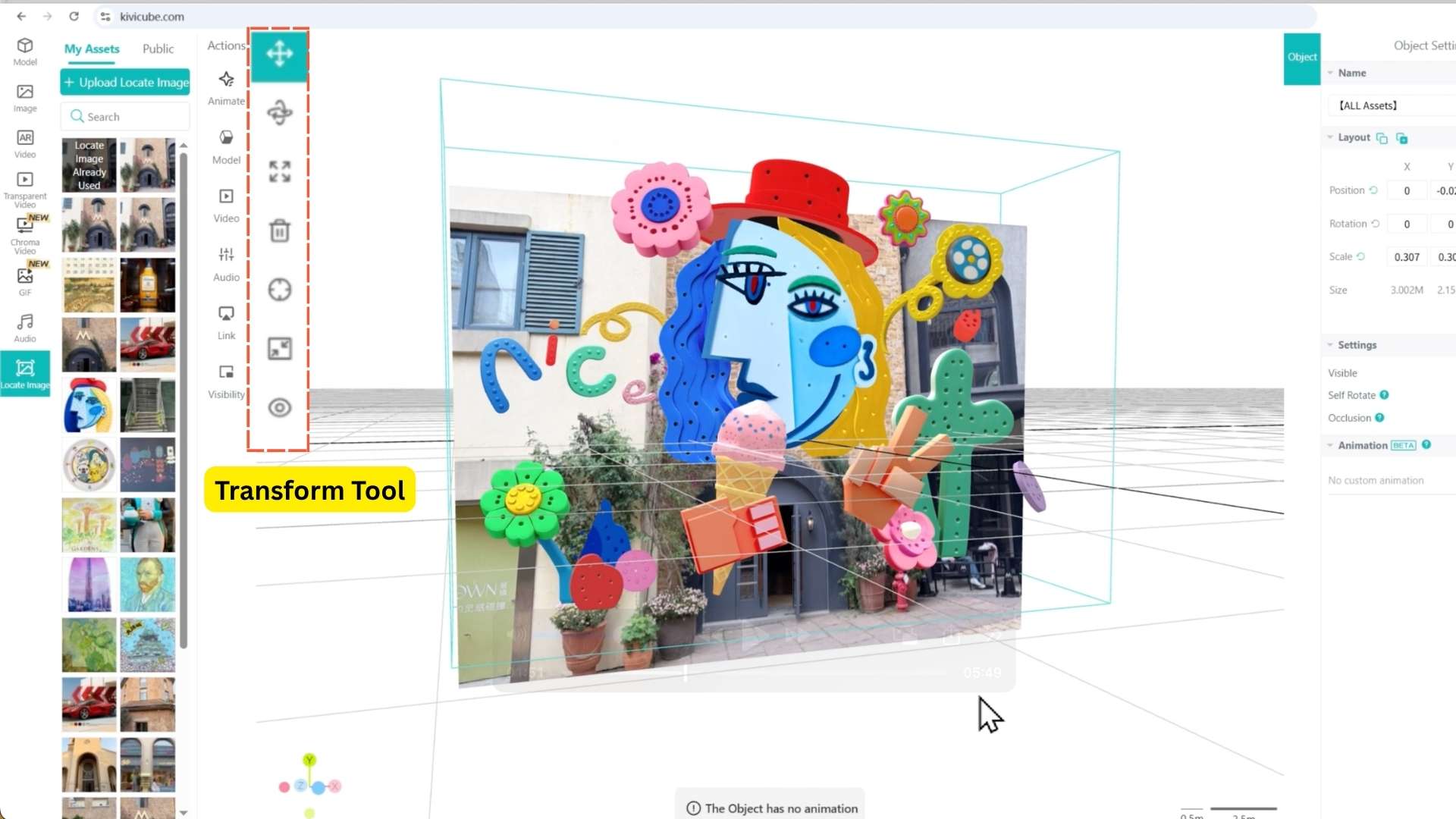
Import 3D models, videos and animations, or pick ready-made assets from our built-in library. You can easily adjust content layout to fit your real-world landmark perfectly with transform tool.
Step 3: Set interactions
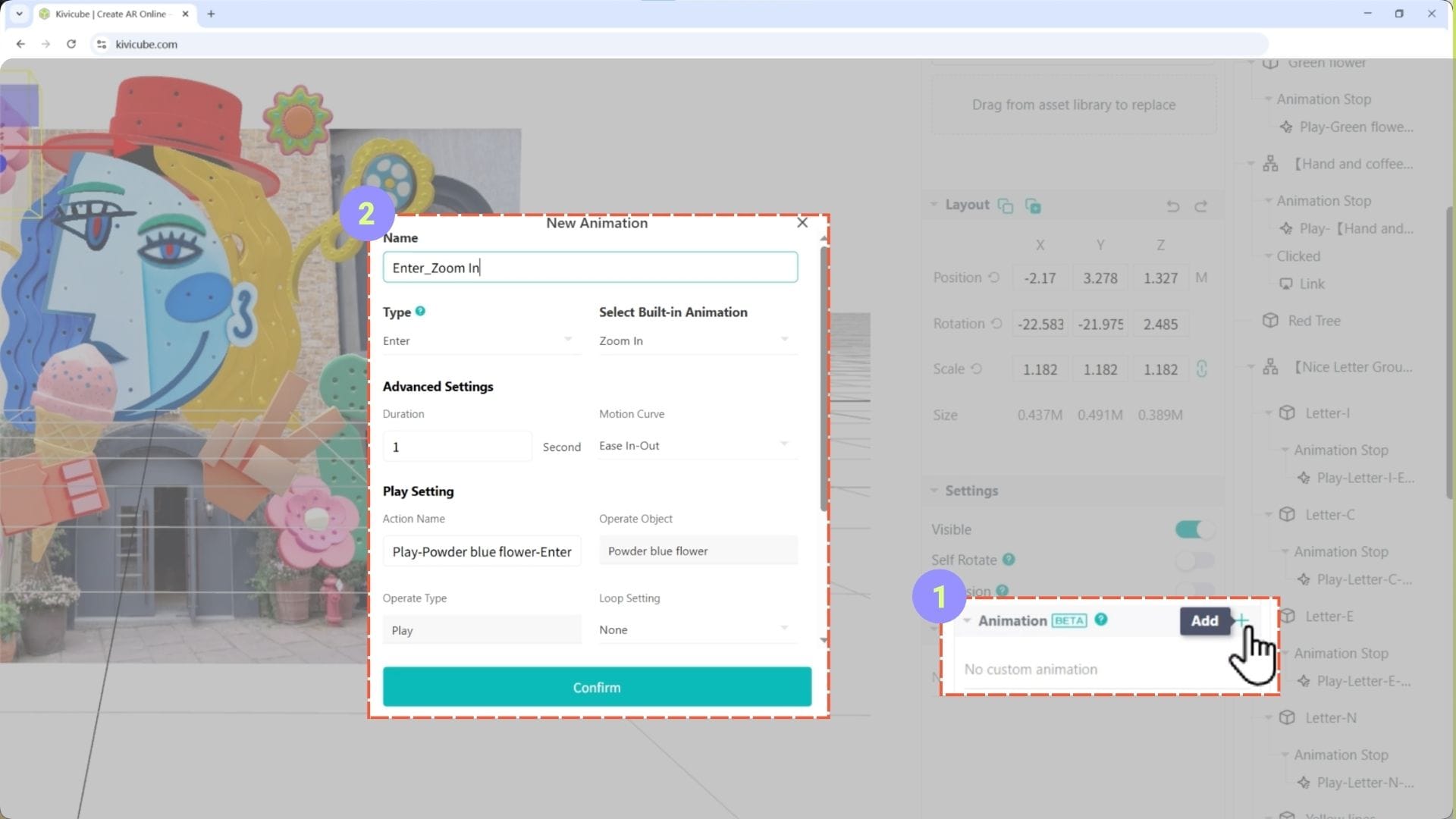
Define what happens when users scan the building and select the content you want to animate, then click the plus sign in the bottom-right corner to add an animation to the element.
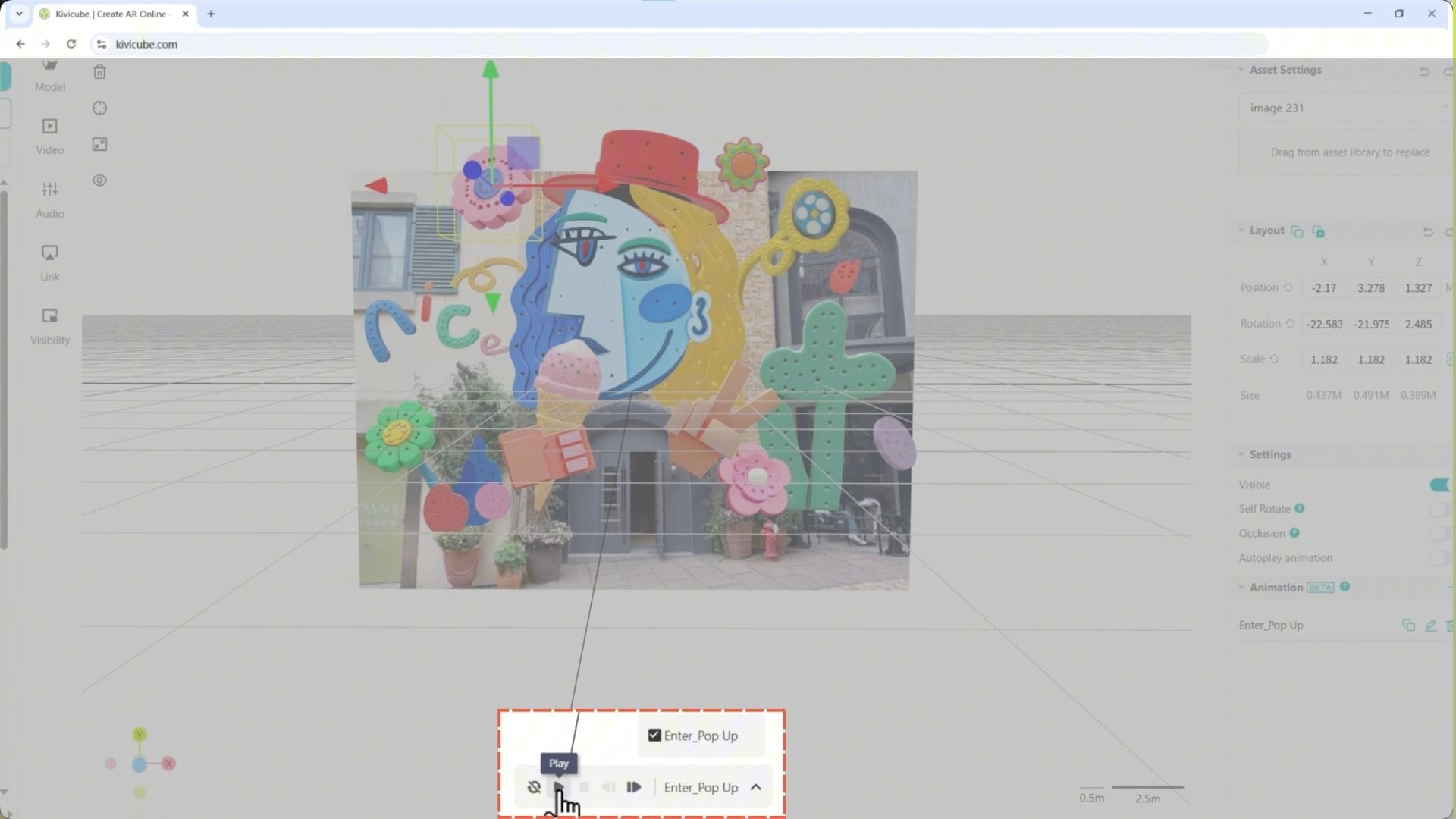
You can also click the play button at the bottom of the grid editor to preview the animation.
Step 4: Publish as WebAR
Tap Save & Share in the top-right corner. You will receive a dedicated link and QR code. Your WebAR experience can then be accessed across all mobile devices.
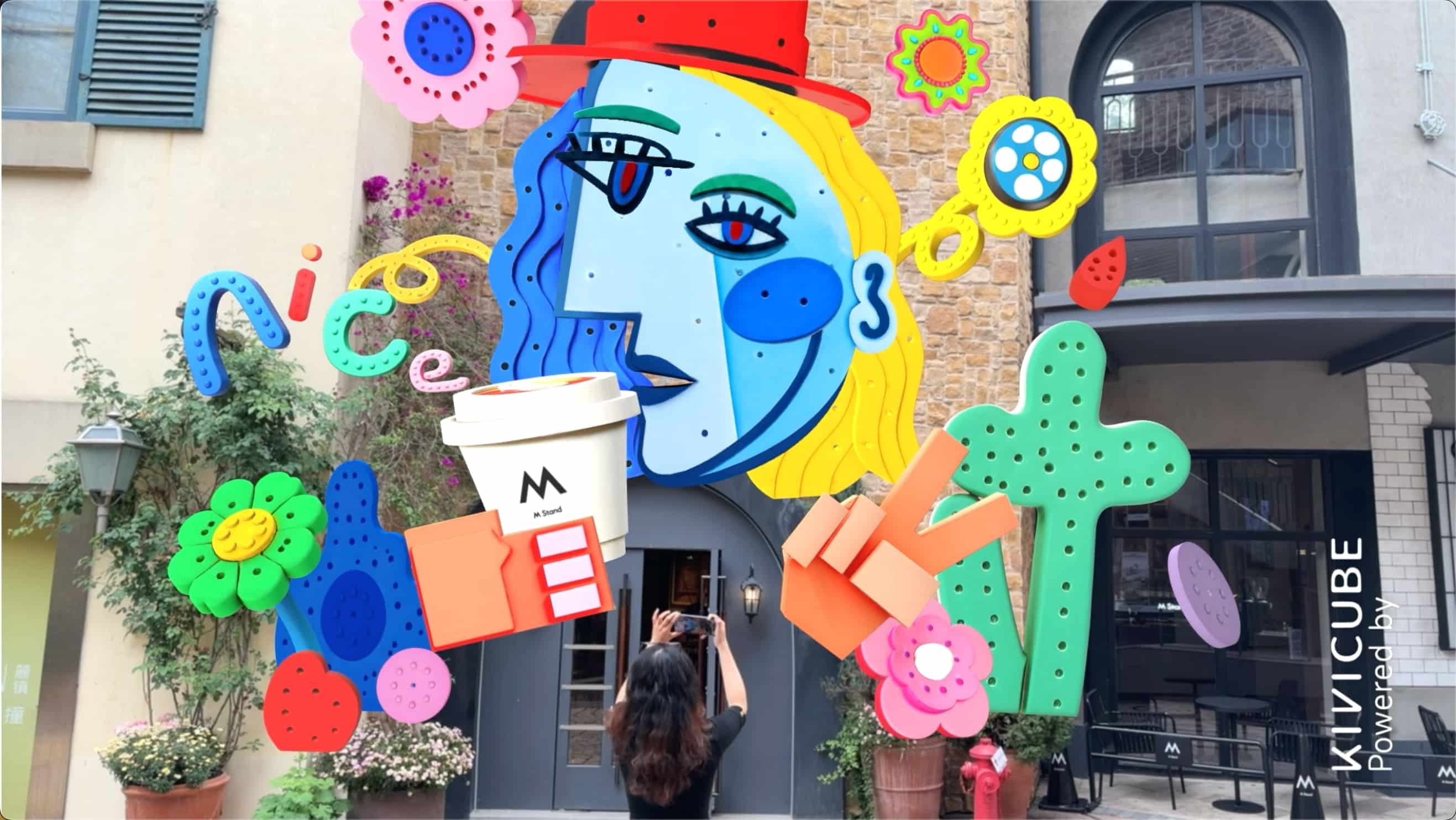
Because WebAR doesn’t rely on apps, it has become a very popular way to present AR content in recent years.
If you’d like to learn more about WebAR use cases and its advantages, feel free to check out this article.
 summerqiu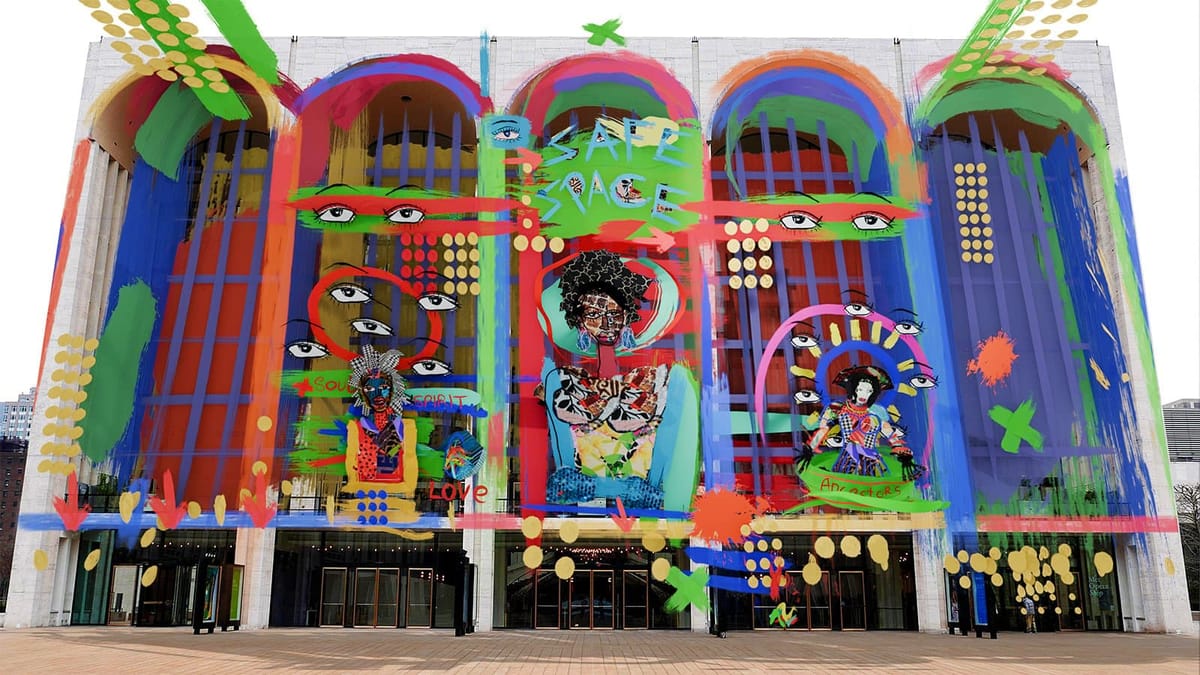
FAQ
Q: What is augmented reality tourism
A: Augmented reality tourism overlays digital content such as 3D models, animations and audio onto real-world landscapes via mobile devices, creating interactive travel experiences.
Q: How is AR used in travel industry
A: It is used for navigation, museum guides, landmark visualization, and interactive content.
Q: What is an augmented reality travel guide
A: It is a digital guide that provides real-time information and interaction through AR technology.
Q: Can I create AR travel experiences without coding
A: Absolutely. Platforms like Kivicube support fully no-code creation, so tourism teams can launch AR projects without hiring developers.
Q: Do travelers need to install an app to use AR tourism content?
A: No. Powered by WebAR technology, experiences built on Kivicube work directly on mobile browsers. Visitors only need to scan a QR code, with no app download required.
Q: What types of tourism businesses benefit most from AR?
A: Historical sites, museums, cultural attractions and souvenir brands can gain the most from AR to boost visitor interaction and sales.
Conclusion
AR travel has become a powerful tool to upgrade modern tourism experiences and boost destination marketing results.
As proven by industry research, WebAR technology effectively enhances tourist engagement, builds immersive travel experiences, and increases travelers’ willingness to visit cultural and scenic spots.
Unlike traditional tourism promotion methods, no-code AR solutions eliminate technical barriers and make interactive cultural experiences accessible to all tourism businesses.
If you want to create stunning WebAR tourism experiences for landmarks, museums, and cultural souvenirs effortlessly, try Kivicube. Build your customized AR travel projects in minutes with zero coding skills and level up your tourism marketing today.