Medical Augmented Reality: Use Cases, Real-World Examples & a Practical WebAR Solution
Want to see how medical augmented reality is used? Follow the post to explore the use cases, examples, and a WebAR solution.
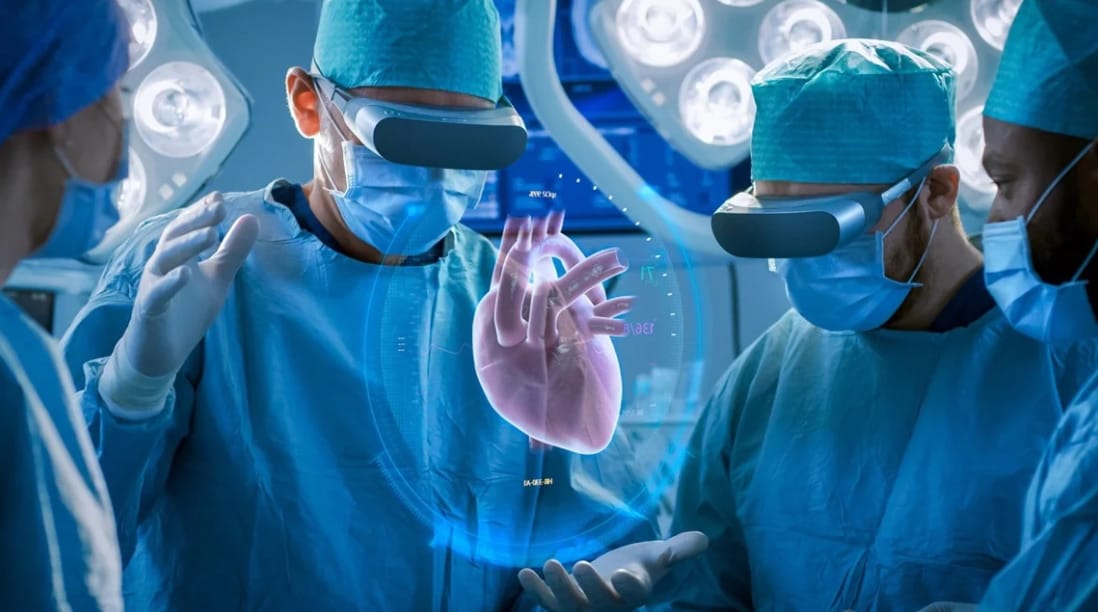
AR technology is transforming healthcare by making medical education, training, diagnosis, and other clinical workflows more interactive and accessible. According to a study by the NIH, in addition to bringing benefits for medical professors, AR also works as a useful tool in patient education and training. If you're interested in how augmented reality can be applied in healthcare, this guide covers use cases, real-world examples, and a practical WebAR solution.
What is Medical Augmented Reality Technology?
Medical augmented reality refers to an advanced technology that enhances the medical experience using digital content overlaid on the real world. By overlaying medical images, 3D anatomical models, and real-time data on the physical world, augmented reality makes it easier for students, healthcare professionals, and patients to learn difficult medical concepts.
Why Is Augmented Reality Needed in the Medical Industry?
Interactive AR technology offers several potential benefits for healthcare.
1. Improve Medical Visualization and Understanding
Traditional medical visualization often relies on flat images, which can make complex anatomical structures difficult to understand. Augmented reality in medical education overcomes that by allowing users to intuitively see and interact with the medical elements within an AR scene.
2. Enhance Medical Training Efficiency
Instead of relying solely on textbooks, videos, or physical models, learners can use their devices to explore interactive AR scenes directly in their surroundings. They can also tap interactive buttons to interact with the realistic anatomical models and practice procedures inside the scene. The engaging AR experience is helpful for people to actively learn medical processes and finally improve their training efficiency.
Explore more details about augmented reality anatomy:
 Juli Cooper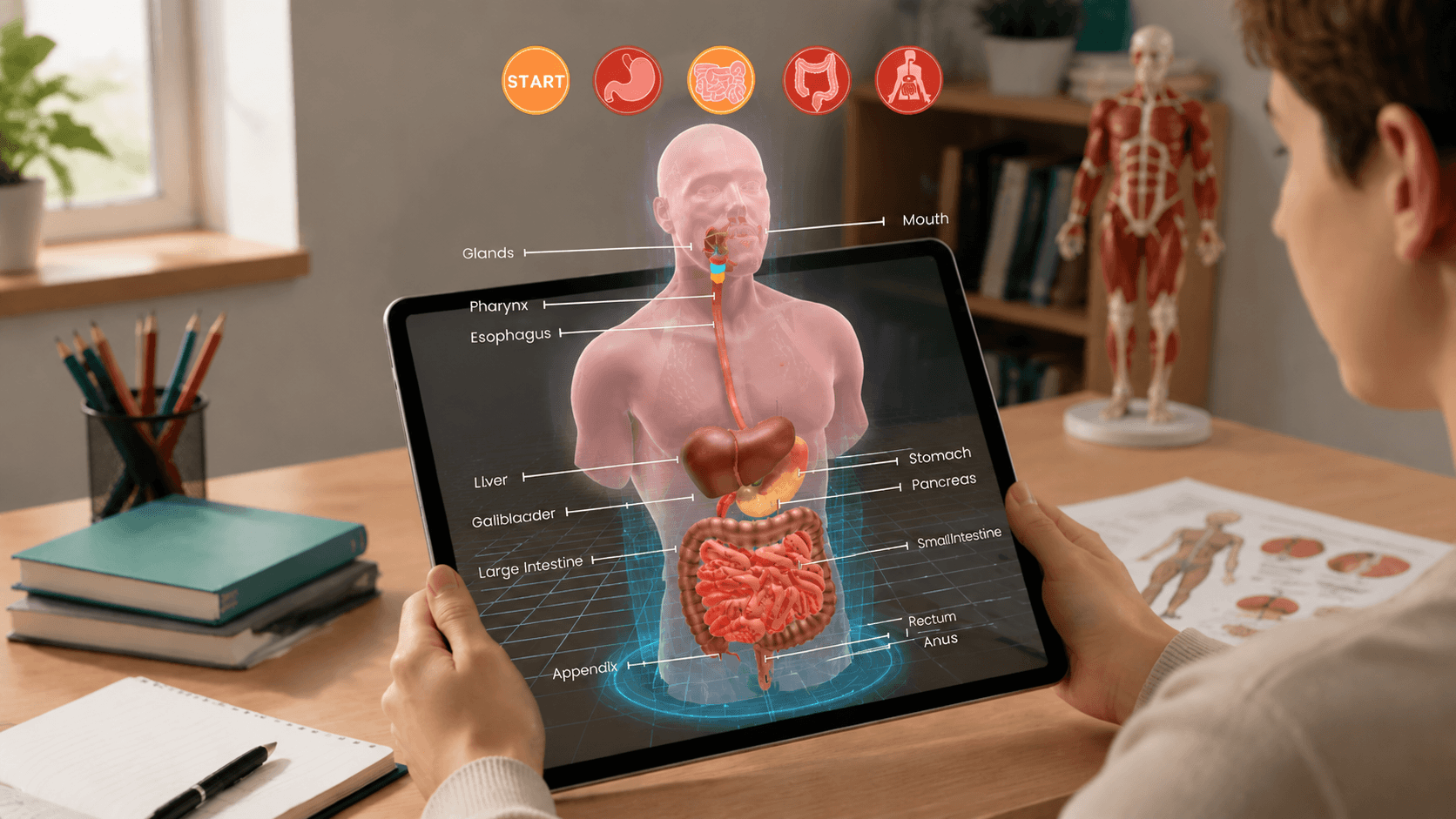
3. Improve Patient Education and Communication
Viewing medical information through interactive 3D visualizations can help patients understand complex concepts more easily than technical terminology or flat 2D images alone. AR lets patients without a medical background visualize 3D models and presentations of treatment plans, building trust and improving communication between patients and healthcare providers.
4. Reduce Access Barriers with Mobile AR
Medical AR technology can increase accessibility in medicine by providing an interactive experience through a mobile device. WebAR can lower some technology barriers by allowing users to access interactive 3D content through compatible smartphones or tablets without installing a dedicated app.
How Is Augmented Reality Used in Healthcare?
AR in healthcare brings medical education, remote assistance, surgical guidance, and more to life in an engaging way. Here are some common use cases of medical AR.
Use Case 1. Medical Education & Anatomy Learning
In the past, students had to study complex anatomical structures from 2D textbooks and diagrams, which could be difficult to understand. By converting static medical materials into interactive 3D visualizations, AR allows students to rotate, zoom in, and explore digital organs from different angles.
Use Case 2. Patient Education & Healthcare Communication
Augmented reality helps doctors present tumor locations, treatment procedures, and anatomical changes for patients in an interactive way. AR disease visualization and medical packaging can also provide clearer information, helping patients better understand their conditions and treatment options.
Use Case 3. Surgical Assistance
Augmented reality medical technology can overlay CT or MRI data onto the patient’s body. Rather than performing surgery itself, AR can serve as a visualization and navigation aid, helping surgeons visualize anatomy and follow navigation guidance during the procedure.
Use Case 4. Remote Healthcare Assistance
Augmented reality can connect healthcare professionals with remote experts for real-time guidance and support. Doctors can use AR annotations to highlight anatomical areas, provide step-by-step instructions, and share visual information during remote consultations.
Use Case 5. Rehabilitation and Therapy
The advanced technology can also make physical therapy more engaging by providing interactive exercises and real-time visual guidance. Patients can follow AR instructions to perform rehabilitation movements correctly, while therapists can use visual overlays to guide movements and monitor progress.
Real-World Examples of Medical Augmented Reality
Here are 6 cases to show how AR is being applied across medical education, surgery, patient communication, and remote healthcare.
1. HoloAnatomy AR Learning Platform
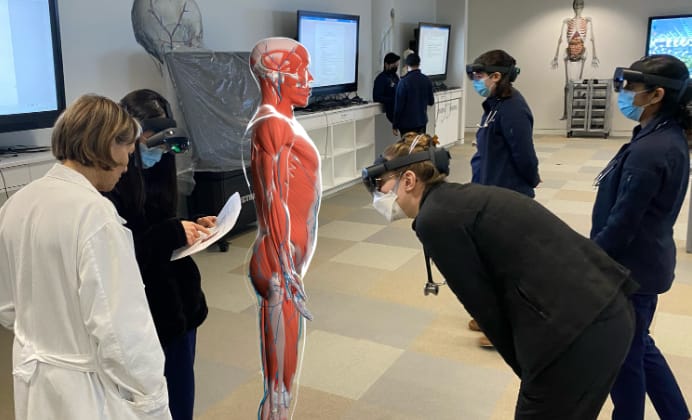
The HoloAnatomy® learning platform created by HoloAnatomy Lab allows people to explore the 3D human body in an interactive way. Students can visualize a detailed 3D representation of the human body and examine its organs and anatomical structures from different perspectives.
2. Curiscope Virtual Tee
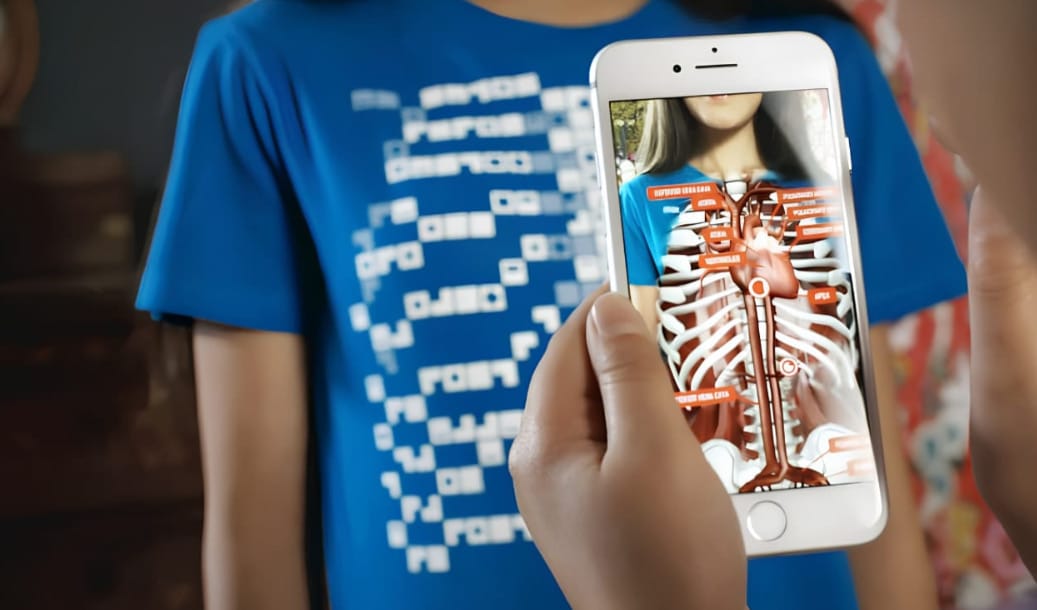
Designed by Curiscope, the Virtual Tee allows children to explore the human body in a completely new way. Children can explore the bloodstream, lungs, and even the small intestine with 360° interactive videos and 3D models. The immersive medical AR T-shirt has been adopted by consumers in more than 60 countries and has achieved awards like the Gold Mom’s Choice Award.
3. Medivis AR Surgical Visualization
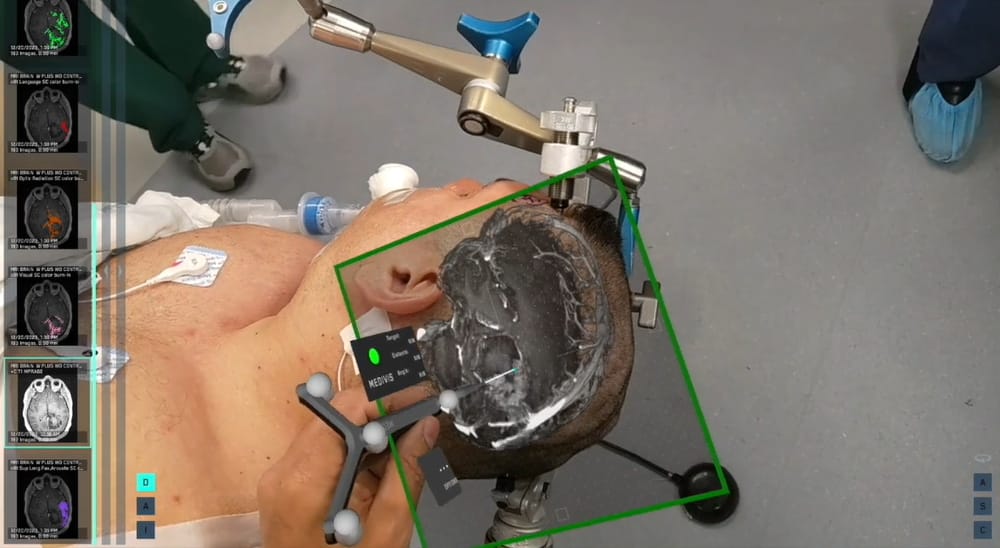
Medivis launched a cranial navigation platform that uses augmented reality medical technology to map the patients’ imaging onto the operative field during the surgery, helping surgeons to get a clear view of the critical anatomy in real time. By keeping critical information in the surgeon’s line of sight, the system supports more precise decision-making during procedures.
4. AccuVein AR-Assisted Vein Location
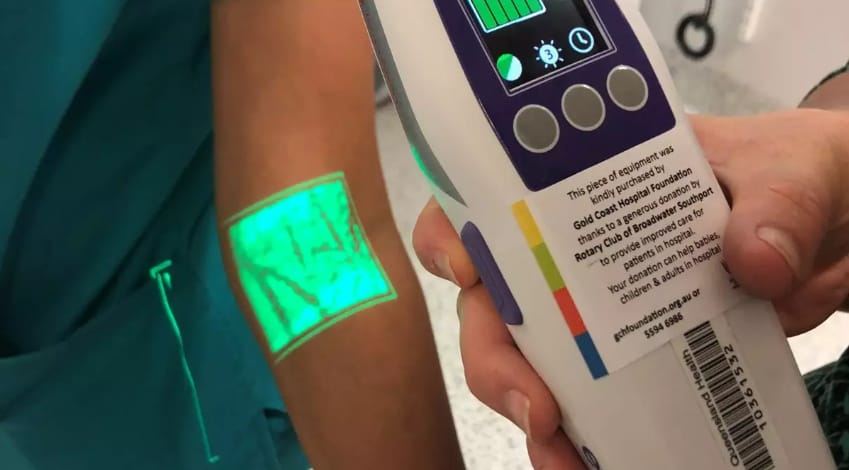
AccuVein developed an AR-enabled handheld scanner that helps healthcare professionals locate veins for blood draws and IV procedures, particularly when veins are difficult to find.
5. Bormioli Pharma AR Leaflet
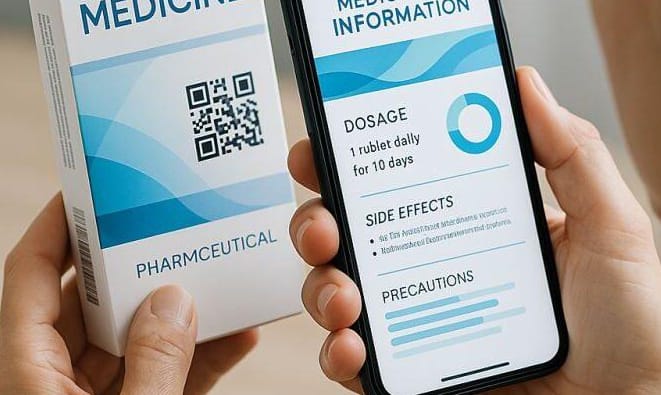
In addition to education and surgery, AR can also be used for pharmaceutical packaging. Bormioli Pharma makes information about the medicine much easier to access through its AR Rotating Menu. By scanning a QR code on the medicine packaging with a smartphone, patients can view digital leaflet content, ingredient information, and usage recommendations through an interactive interface.
6. HoloLens for Remote Ultrasound Diagnosis
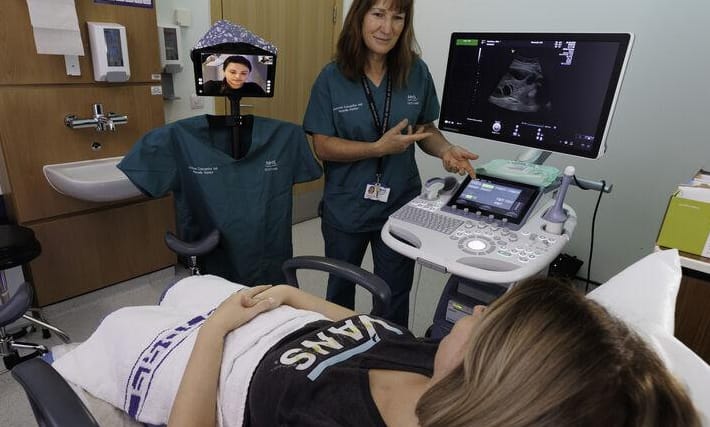
A mixed-reality telemedicine system uses Microsoft HoloLens 2 to support remote ultrasound diagnosis and guidance. During an examination, the physician can see ultrasound images projected onto the patient, and then the remote expert views the examination and provides real-time guidance. This AR technology helps less-experienced clinicians access specialist support without requiring experts to be with them.
Bring Medical Visualization to Life with WebAR
Medical AR can be helpful for medical training, education, medical e-commerce, and surgery. Adding interactive elements to medical content is no longer limited to users with coding skills. Now, with WebAR platforms like Kivicube, anyone can create their own medical AR scenes without an app or coding. Whether you're creating an educational experience or a professional medical project, the platform makes it easier to bring your ideas to life.
Main Features:
Build Medical AR Content Without Coding: In an intuitive drag-and-drop editor, users can easily create AR medical scenes for anatomy courses, patient education materials, medical demonstrations, and more with no coding.
Ready-to-Use AR Templates: Multiple pre-made AR templates are available for users to directly duplicate for fast medical AR scene creation. Simply replace the corresponding assets and adjust interactions, then users can convert complicated medical concepts into interactive AR experiences.
Enhance Learning Through Interactions: It enables individual users to add 3D models, animations, and interactions to AR scenes, making medical education and presentations much more engaging.
AI-Assisted Workflow: An AI tool is available to generate assets such as AI images and videos, which are automatically stored in your assets library. In addition, the AI AR agent can optimize the current AR experience and generate interactive AR medical experiences from prompts.
Easy Updates & Cross-Device Access: The AR creations can be shared across platforms using QR codes and links. Everyone, including students, patients, doctors, and others, can directly experience the AR medical scene with their phones. Unlike traditional medical materials, the AR scenes can be quickly updated within the platform.
Custom AR Solutions & Professional Support: There's an experienced team that can fully customize AR medical solutions, including but not limited to AR-enhanced medical packaging, remote diagnosis, and medical education, meeting the diverse needs of industry professionals.
Step-by-Step Guide to Create an AR Medical Scene
Curious about how to make an AR medical scene with Kivicube by yourself? Follow the steps below for fast creation.
Step 1. Sign up for Kivicube, then select an AR template and click “Duplicate” to get started.
Step 2. Upload the target assets from your devices or generate them using the AI generator.
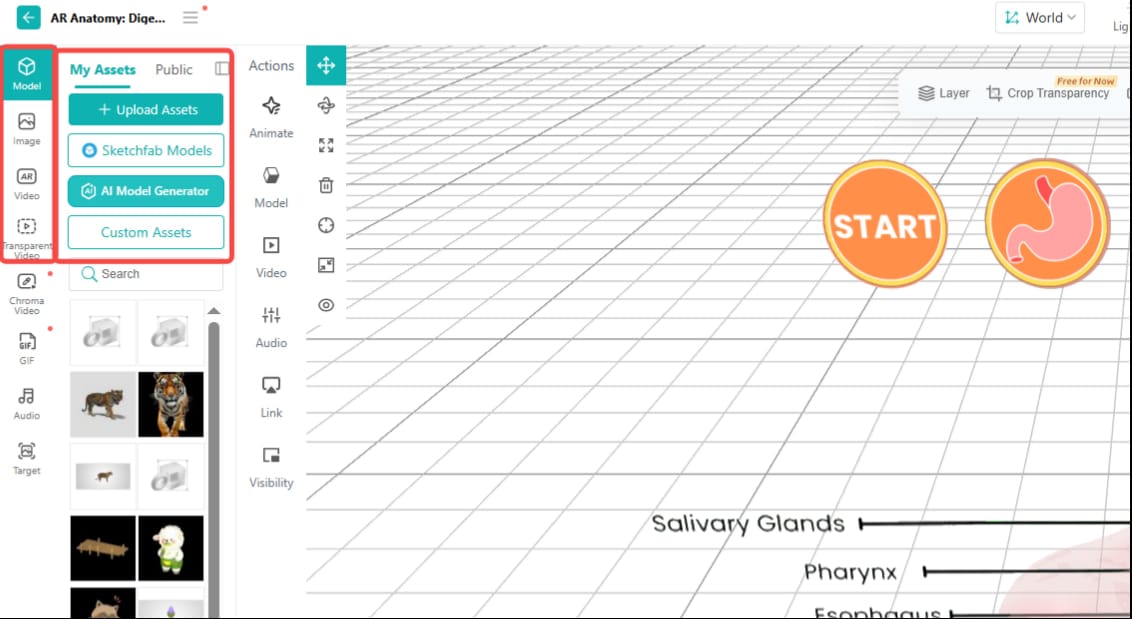
Step 3. Select an asset in the AR scene, then drag and drop a new asset into the designated area for replacement. Adjust the animation and interaction according to your needs.
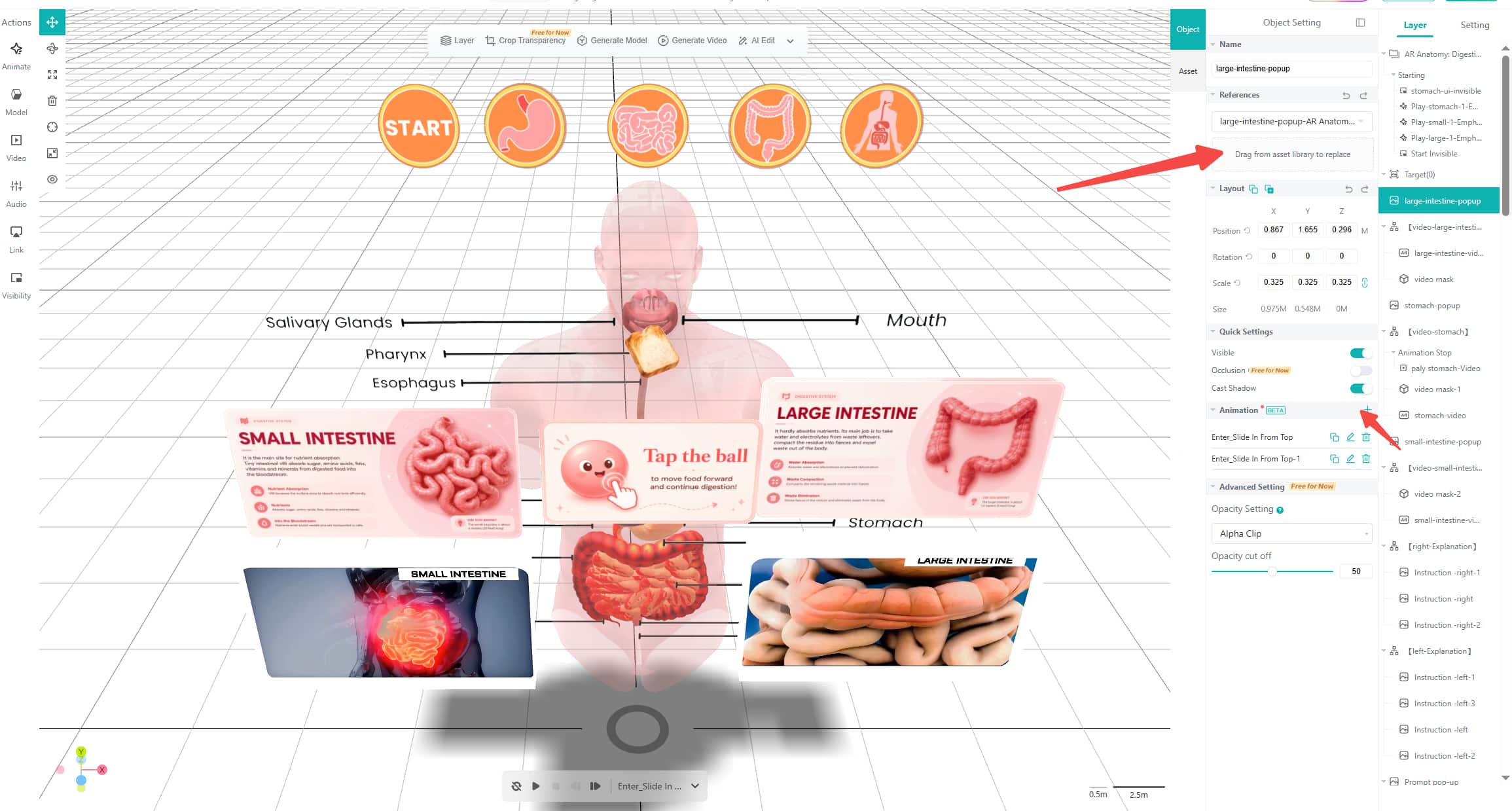
Step 4. Try the AR medical scene by scanning the QR code.
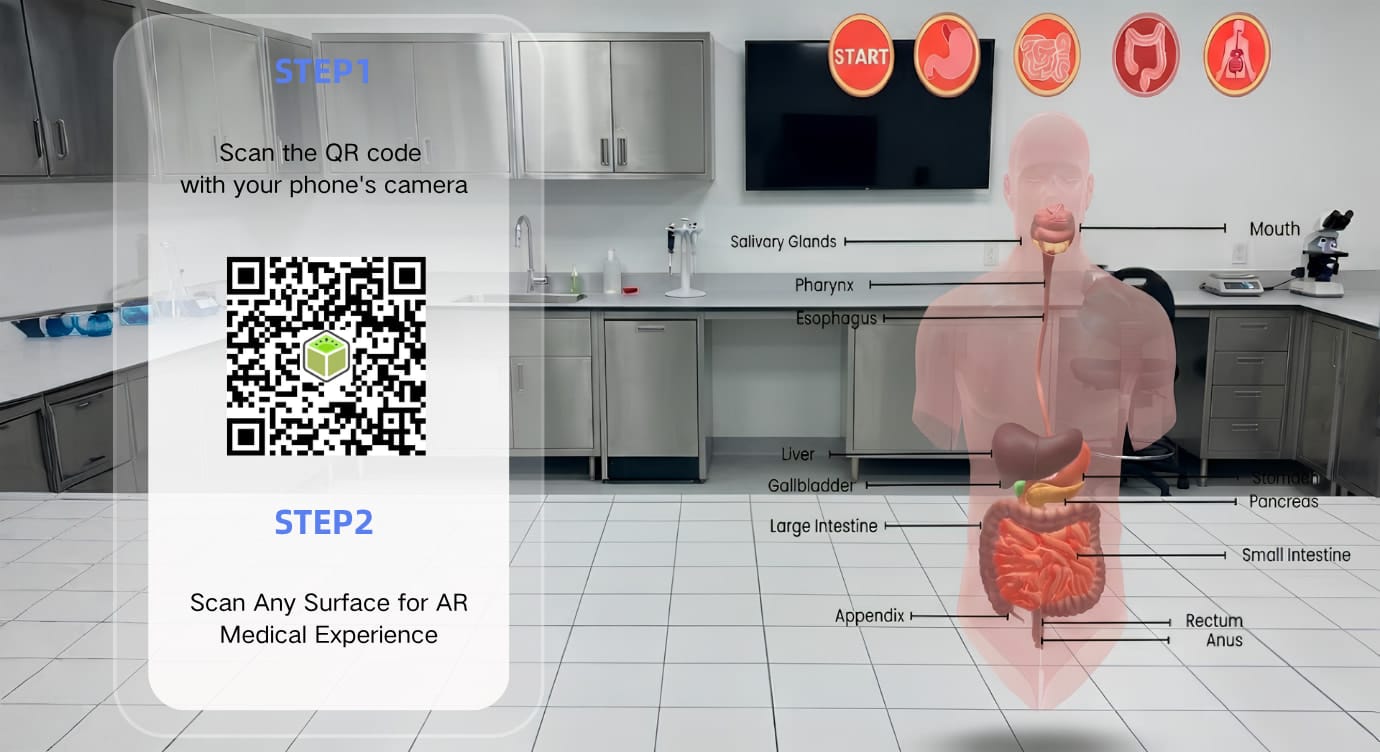
You can also contact our team for a customizable AR medical project.
FAQs about Medical Augmented Reality
Q: How Does Medical Augmented Reality Help Medical Students?
AR transforms 2D learning materials into interactive 3D experiences. Students can rotate and explore anatomical structures within the AR experience.
Q: What Are the Challenges of Using AR in Healthcare?
Medical AR still faces challenges such as workflow integration and the need for stronger clinical validation. More large-scale research is needed before some AR applications can be widely adopted in routine healthcare.
Q: How Can I Create a Medical WebAR Experience?
With no-code WebAR editors like Kivicube, you can create a medical WebAR experience by adding 3D anatomical models, images, videos, text, and other interactive elements.
Final Words
Augmented reality medical helps to turn complex medical concepts and procedures into interactive 3D experiences, helping students, healthcare professionals, and patients visualize information in more intuitive ways. Whether you're creating interactive teaching materials or exploring AR applications for diagnosis and surgical assistance, AR platforms such as Kivicube can be here to help you. Let’s integrate digital content into your medical work with AR.