Augmented Reality Fashion: Boost Innovation & Sales with Interactive Content
Using augmented reality fashion helps brands and designers better present products and increase conversion rates. Explore the magic of AR for fashion in this post.
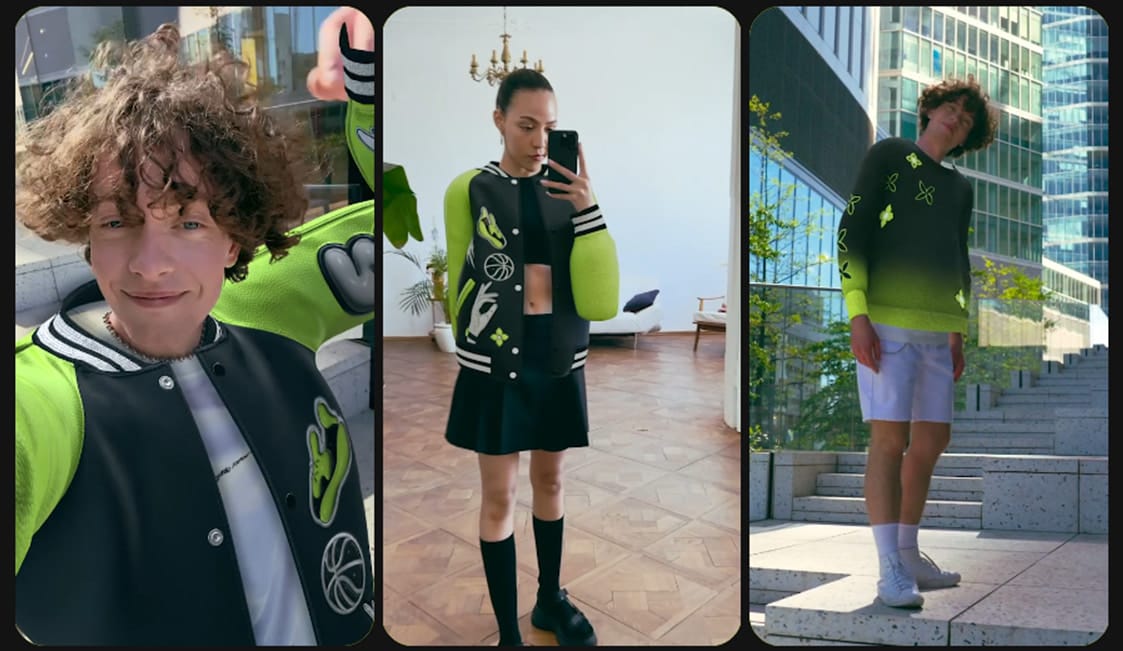
Augmented reality has upgraded the traditional method of purchasing and wearing fashion items. Not purely relying on physical stores and offline shopping, the fashion industry is now embracing digital technology to level up the interaction between consumers and brands. According to research on Surveysparrow, 61% of consumers prefer retailers that offer AR experiences.
Not just for brands, augmented reality fashion technology also benefits designers in conceptualizing their new collections with an optimized workflow.
This post will explore the influence of AR in fashion industry, from changing designers' workflow to fashion brand marketing. Besides, a WebAR solution is also shared if you want to boost your own fashion brand.
What is Augmented Reality Fashion?
Augmented reality for fashion is the technology that combines virtual fashion elements with the real world, allowing people to visualize fashion-related items like clothing, accessories, and even digital prototypes with immersive AR experiences. It enables people to explore fashion products without relying only on static images or physical displays.
Benefits of Augmented Reality in Fashion Industry
The interactive and immersive digital experience brings some advantages to augmented reality fashion marketing and designing.
Enhance immersive shopping experience: Traditional online shopping platforms only show the fashion products with flat 2D images, which usually fail to show what the fashion items look like in real life. Augmented reality in the fashion industry overcomes it by allowing users to view how a jacket, accessory, or other fashion product fits their style with realistic 3D product visualization.
Increase Customer Engagement and Interaction: Instead of passively browsing, AR encourages customers to actively interact with virtual fashion content by simply scanning and trying on the products with smartphones in their homes.
Create More Effective Marketing Campaigns and Brand Storytelling: To attract more consumers, fashion brands can create memorable campaigns that are more entertaining than traditional ones. And the AR-enabled promotional activities, such as virtual fashion shows and digital product launches, help brands tell stronger stories and build deeper emotional connections with customers.
Higher Conversion Rates and Fewer Returns: Since they cannot physically try fashion products before purchasing, many online customers hesitate to make a decision. AR helps reduce this uncertainty by allowing shoppers to preview products more realistically and interactively. Academic research has shown that AR experiences can improve consumer purchasing confidence, enabling brands to achieve higher conversions and lower returns.
Optimize fashion design and promote sustainable fashion: Before making a physical sample, designers can visualize the digital prototypes, test concepts, and adjust details in advance. So they can not only avoid unnecessary material and time waste, but also accelerate the design workflow.
Use Cases of AR in Fashion Industry
Augmented reality brings fashion products to consumers in a more compelling way. Here are the main use cases of AR in fashion:
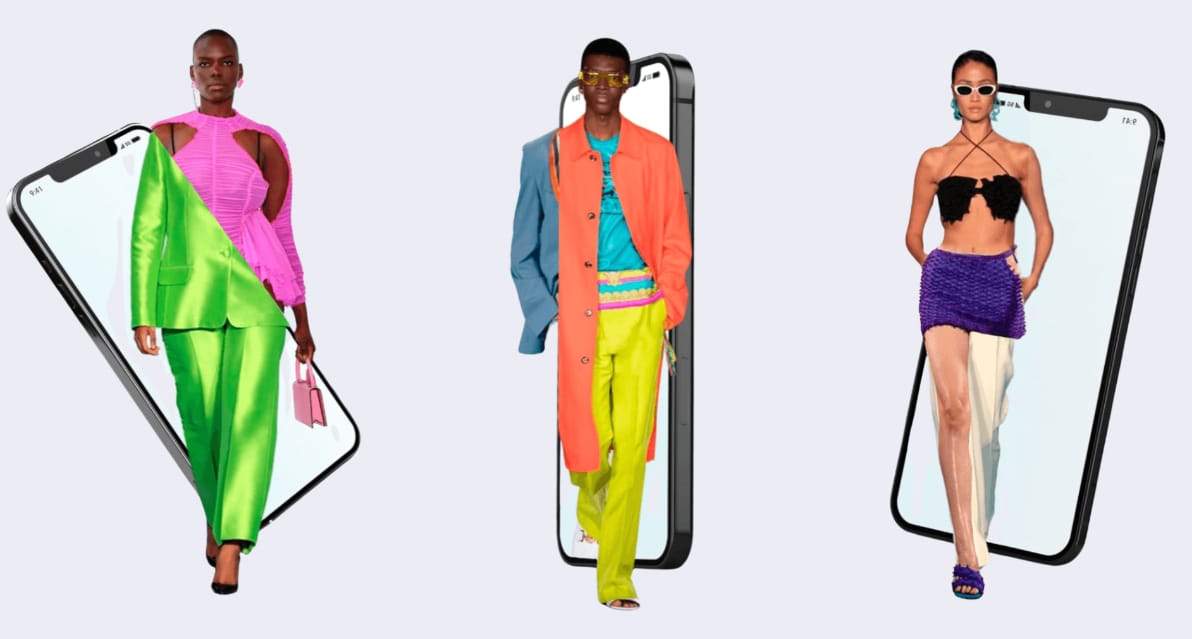
1. Virtual Fashion Try-On
Virtual try-on is one of the most popular AR applications in fashion. With AR body tracking technology, customers can use AR mirrors and filters to digitally try on fashion products such as clothing, glasses, jewelry, and shoes before making a purchase.
2. Interactive AR Fashion Magazines and Catalogs
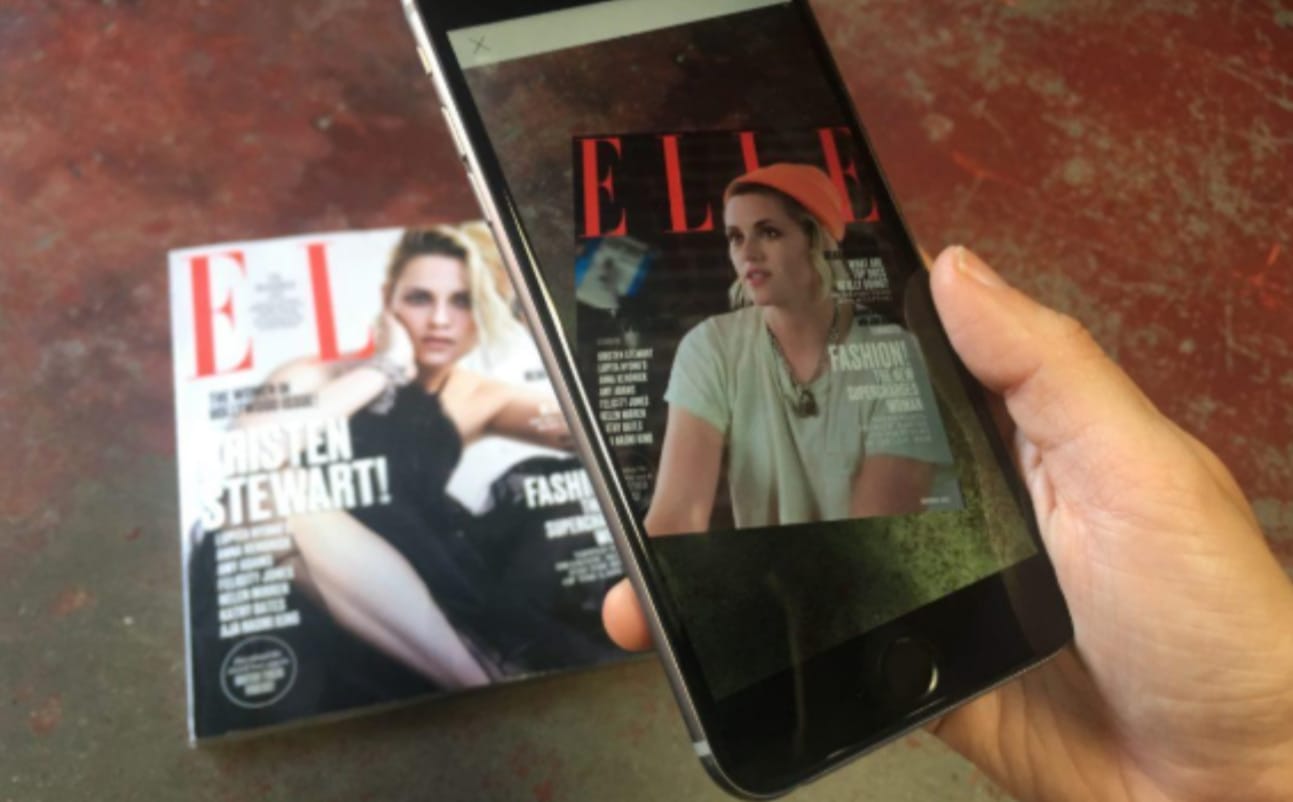
Unlike traditional printed content, AR fashion magazines and catalogs provide interactive experiences where customers can scan images to directly access 3D products, virtual try-ons, and additional virtual brand content.
3. Virtual Runway Shows
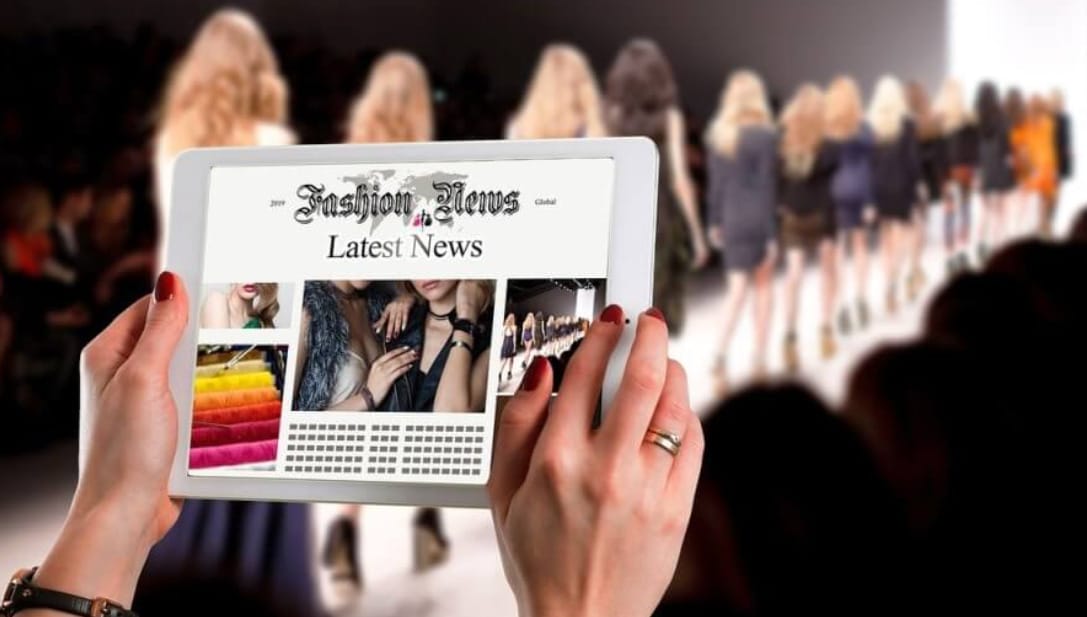
Fashion brands can launch digital runway experiences without limitations in traditional events. This kind of AR experience allows customers to explore fashion collections in immersive ways and interact with new designs from different perspectives.
4. AR Virtual Stores and Showrooms
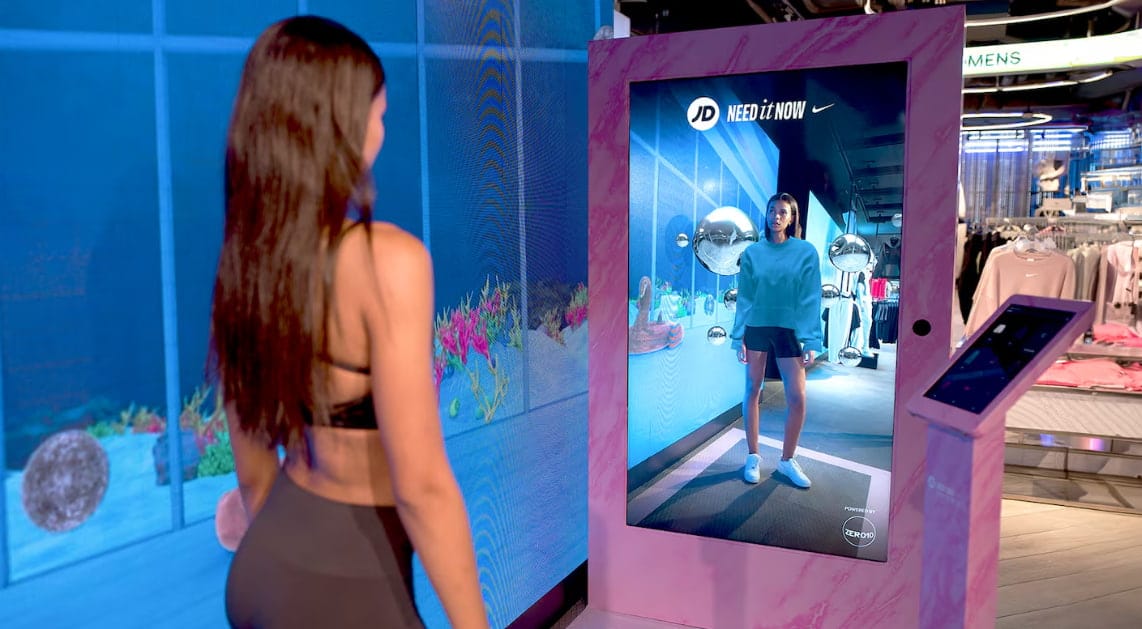
Not limited to physical locations and time, AR virtual stores and showrooms allow customers to explore digital fashion collections and 3D fashion products anytime, anywhere.
5. AI-Powered AR Styling and Outfit Recommendation
AI-powered AR styling combines personalization with an interactive shopping experience. So customers can have fun by matching different augmented reality clothing items and accessories, and customizing outfits according to their own preferences.
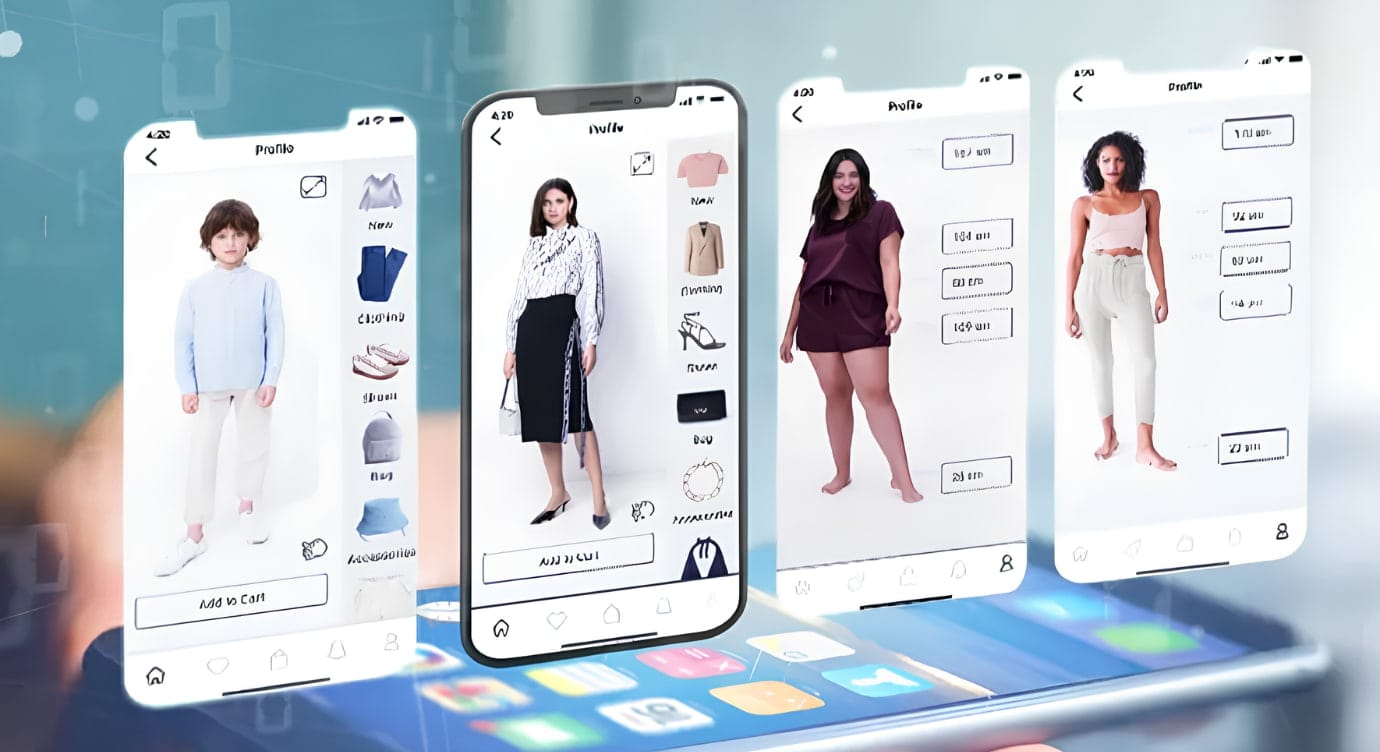
6. AR Fashion Design and Prototyping
The augmented reality technology helps designers visualize their fashion inspiration before production. Designers can test colors, patterns, and materials virtually, reducing physical samples and improving collaboration between creative teams and manufacturers.
7. AR Fashion Marketing Campaigns and Interactive Advertising
Fashion brands use AR to create more engaging marketing campaigns through interactive advertisements, AR posters, product launches, and social media AR filters, encouraging customers to interact with brands and build stronger connections.
Real-World Examples of Fashion Brands Using AR Technology
There are many fashion brands using augmented reality for more interactive shopping experiences and have achieved success. Here are some real-world examples.
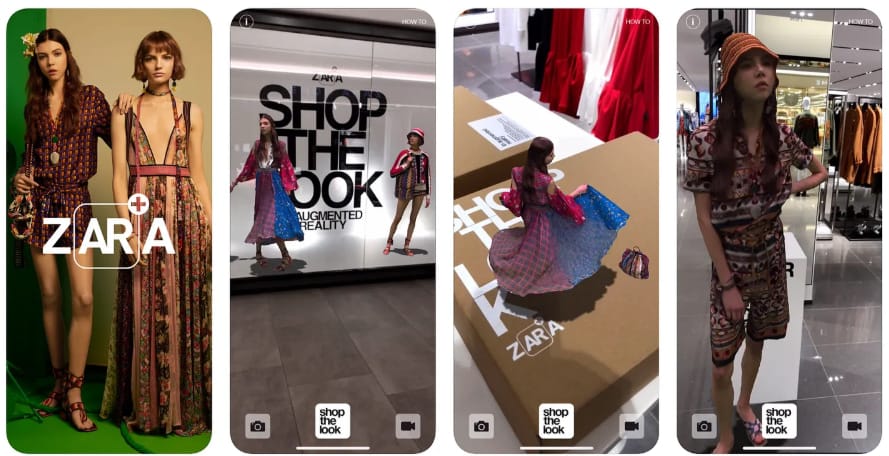
- Zara Shop The Look AR App
Zara launched its Shop The Look AR experience to connect physical stores with digital shopping. Customers could scan the selected displays and view virtual models wearing Zara collections, which lasted for 7 to 12 seconds. The campaign is available in 120 stores across multiple countries, including France, America, Italy, etc.
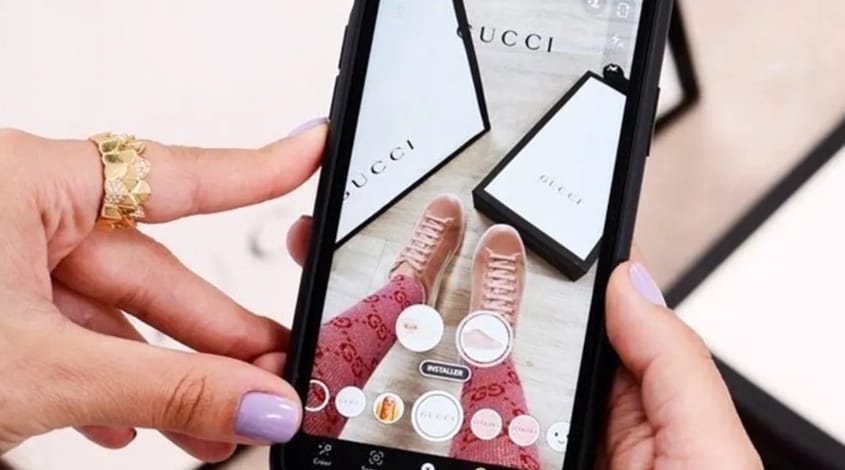
- Gucci AR Sneaker Virtual Try-On
Gucci introduced an AR sneaker try-on experience through Snapchat and other digital channels that allowed customers to preview sneakers through their smartphones before purchasing. According to Snapchat’s case study, the AR fashion project reached 18.9 million unique users, generated in-app purchases, and delivered positive ROAS.
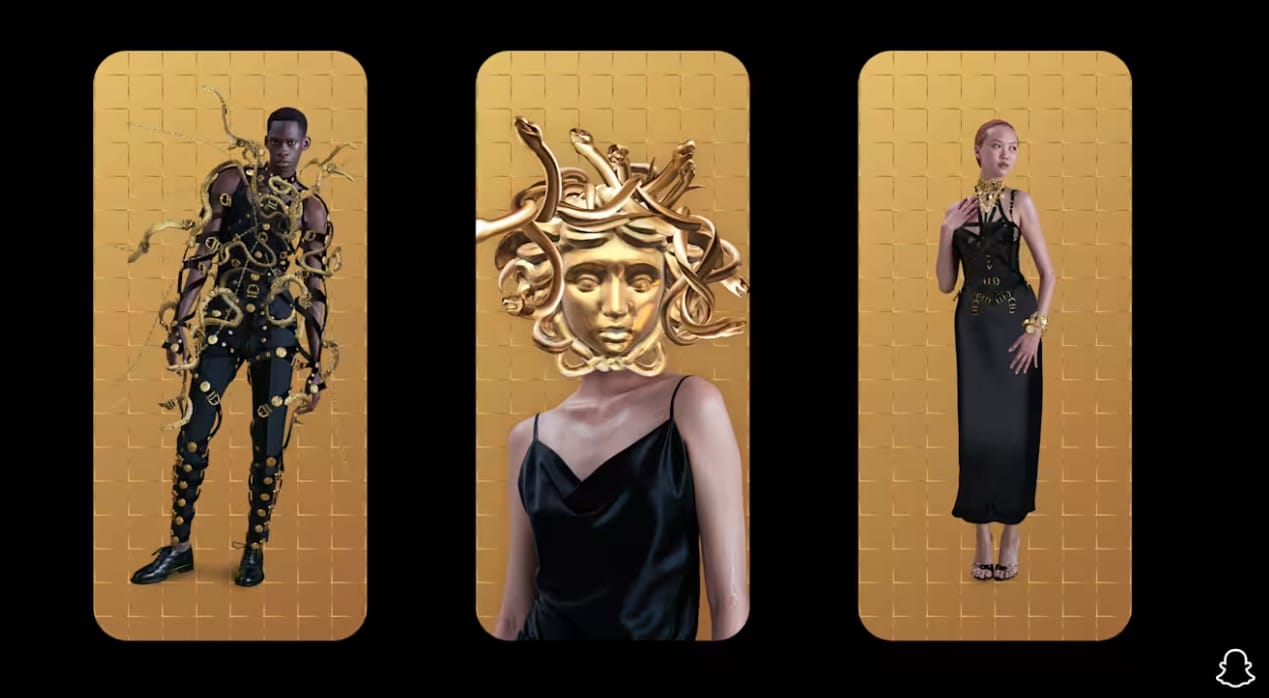
- Vogue × Snapchat AR Fashion Exhibition
Vogue and Snapchat created the “Redefining the Body” AR exhibition to transform fashion collections into interactive digital experiences. Visitors could explore designs from leading fashion houses through custom Snapchat AR lenses. British Vogue shared that the customized AR lenses garnered more than 48 million views during the showcase.
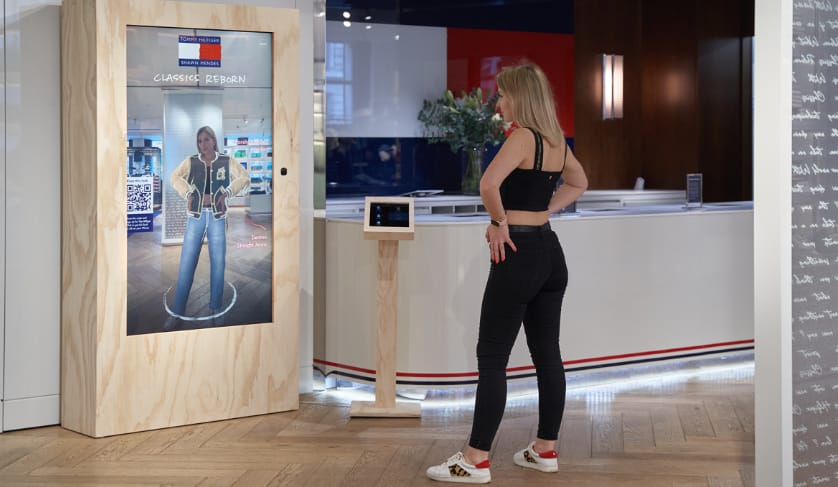
- Tommy Hilfiger AR Fashion Show
Tommy Hilfiger launched the TOMMYNOW AR fashion show for a more immersive experience. By placing digital fashion content in the real world, it allows audiences to interact with fashion collections for fun. With the popularity of the AR experience, the campaign significantly increased app engagement.
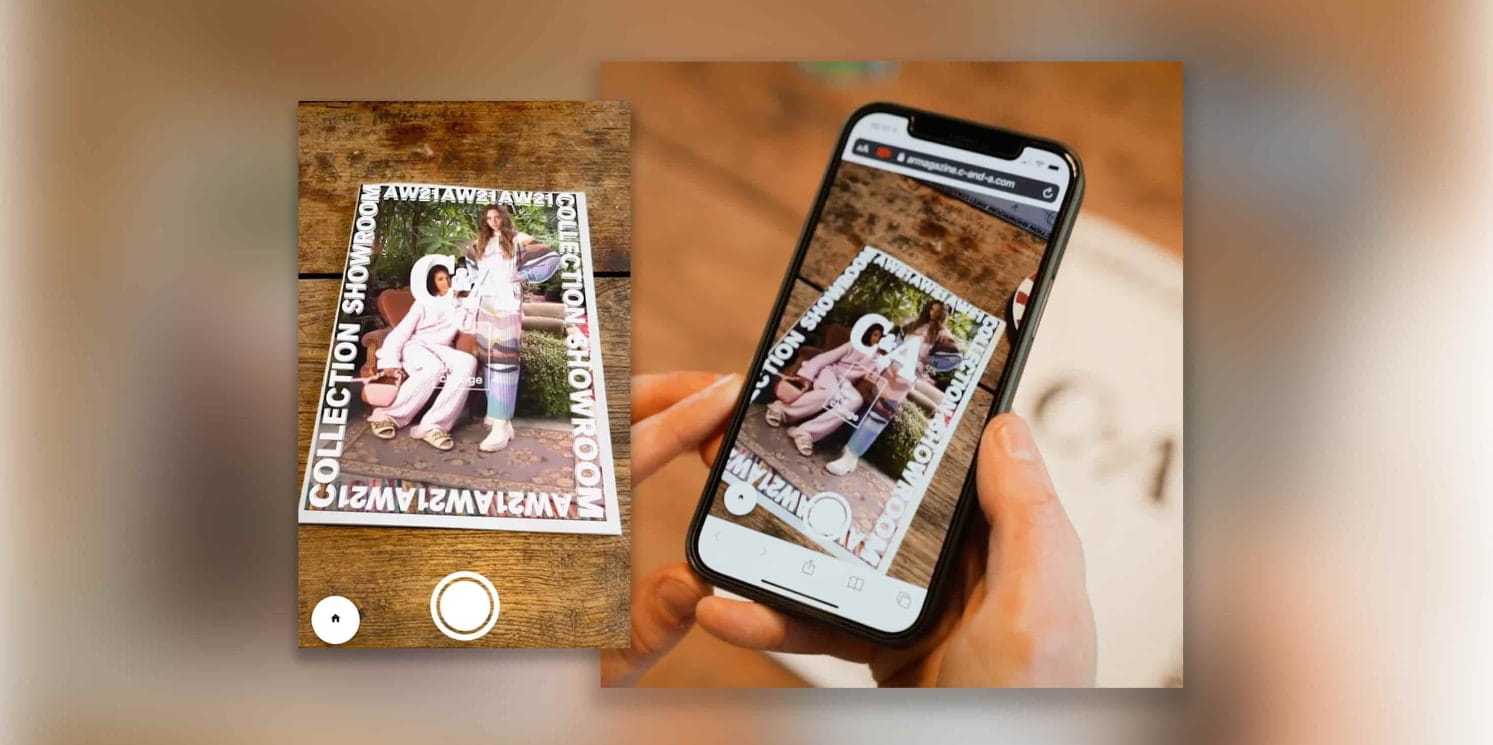
- C&A AR Fashion Magazine
C&A developed an AR fashion magazine that connected printed content with digital AR fashion experiences. Readers could scan magazine pages to access interactive fashion content and entertainingly discover products. The immersive AR magazine experience has been well-loved by print media fans.
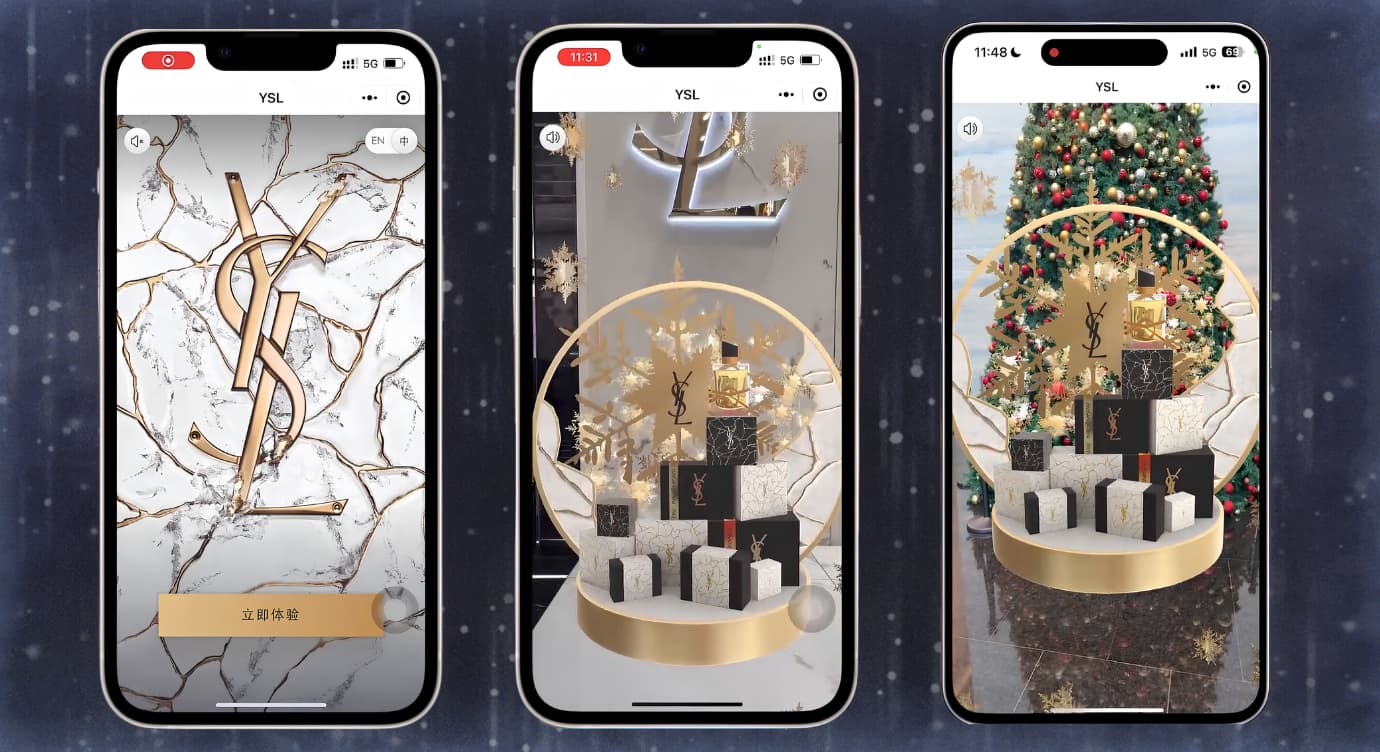
- YSL Christmas AR Filter
Yves Saint Laurent, together with Kivisense, launched an AR Christmas filter to create a festive-themed brand experience for customers. Users could interact with digital effects through mobile devices and share personalized content on social platforms.
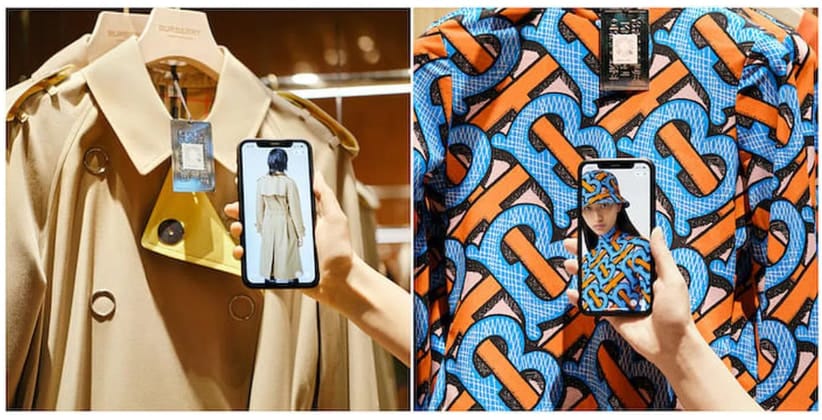
- Burberry AR Product Showroom
Burberry introduced an AR shopping tool that allowed customers to visualize products in their own environment before purchasing, helping shoppers better understand product details and style. The AR viewer was launched across 60 Lola product pages worldwide, vividly showing how augmented reality fashion brands boost the online shopping experience.
Explore more AR marketing campaigns for your brands:
 Leonie
Boost Your Brand Campaign with Augmented Reality Fashion Creation
Adding augmented reality fashion to your brand's campaign is no longer a complicated task. But, there can be an issue that affects the AR fashion experience and reduces the conversion: augmented reality fashion app downloading. If you want to retain your consumers with an app-free AR experience, WebAR can be a worthwhile solution.
With WebAR tools like Kivicube, you can easily drag and drop to design AR fashion scenes for your products in web browsers. No matter if you want to design your personal augmented reality fashion scene or want a dedicated AR fashion project, it has you covered. What’s more, it provides 2 totally free AR scenes without limited view times for each new account, making AR creation with no barriers.
Why Kivicube:
Massive Duplicate-Ready AR Templates: Multiple themes of pre-designed AR templates are accessible for fast AR fashion scene creation.
AI Fashion Products Image-to-3D Model Conversion: The powerful Gen AI generator can easily convert the 2D product image to a 3D model in seconds. The generated AI AR asset will be automatically stored in your own library for resource use.
High‑Precision 3D Rendering: The advanced 3D rendering technology ensures the AR assets can be shown with precise size, realistic texture, and detailed rendering. The users can magnify the 3D product models and try them on for a realistic effect.
Simple Cross-Platform Sharing: Through the links and QR codes, the generated AR scenes can be shared across platforms such as official websites, social media platforms, and even prints.
Real-Time Data Analytics Dashboard: It provides a data analytics dashboard, helping you to track the data of the AR creations, including scanning, clicking, and conversion in real-time. So you can optimize the current AR scene for a better effect.
End-to-End AR Fashion Scene Customization: There is an experienced team that has worked with brands like Dior and YSL, providing end-to-end services ranging from project planning to final implementation.
3 Steps for Augmented Reality Fashion Creation
How to create a WebAR fashion experience? Below, we’ll show you the 3-step simple tutorial to make an AR fashion magazine.
Step 1. Log in to the WebAR platform, search for and duplicate the AR fashion magazine template.
Step 2. Adjust the fashion scene with images, 3D models, videos, and other interactive features. You can also try the Kivi AI generator to make one unique.
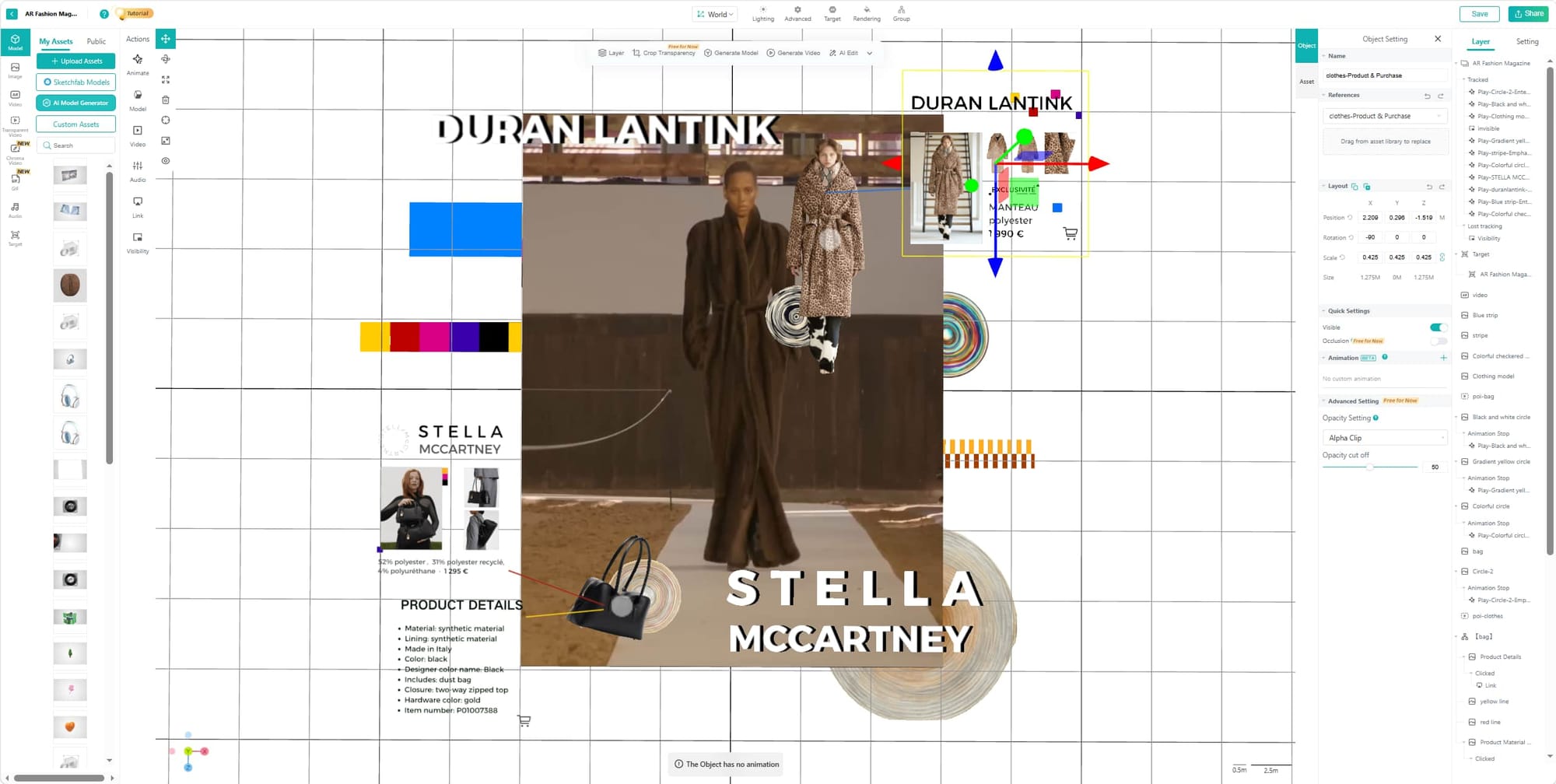
Step 3. Save and generate the QR code and link, then you can directly share on platforms for the experience.
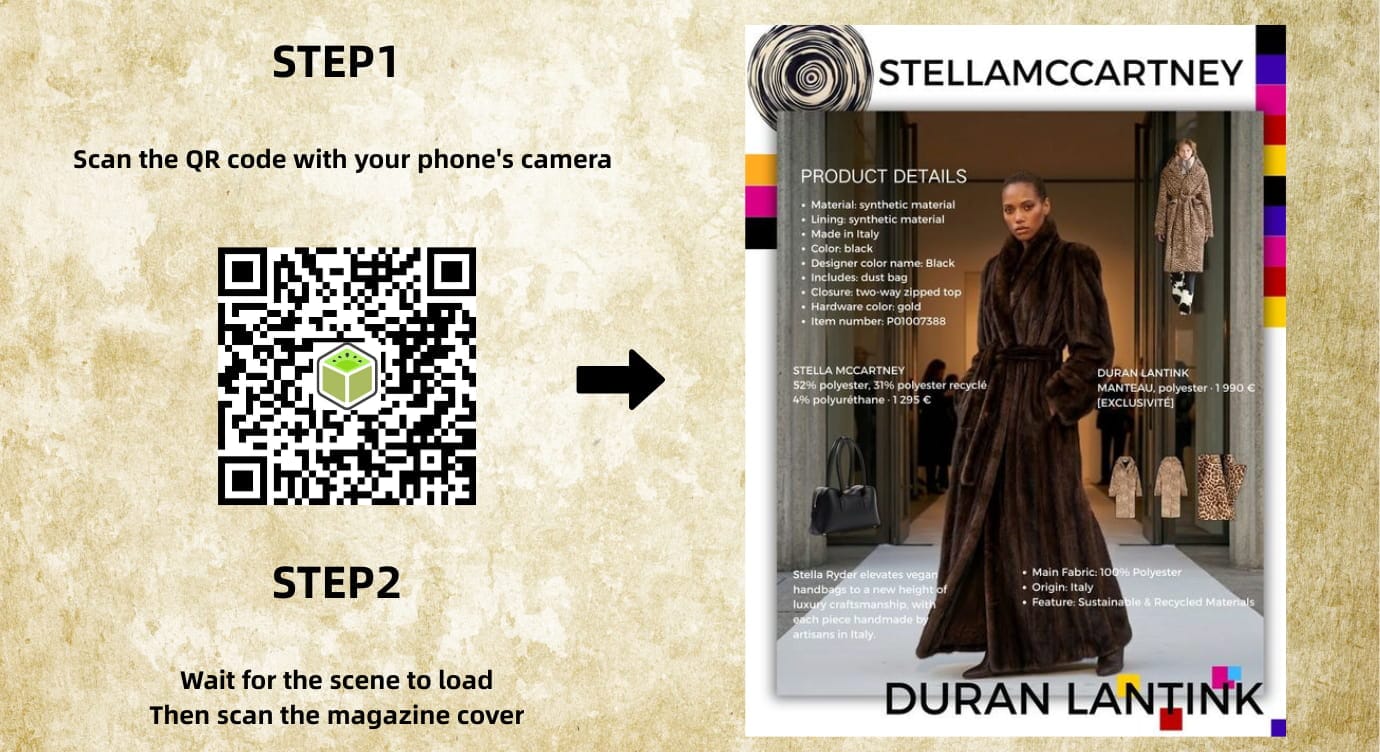
If you want a high-end, customizable AR project, then please contact us directly.
FAQs about AR in Fashion
Q: How does AR fashion experience actually work?
The AR technology tracks your body or face via a smartphone camera or an in-store AR mirror, then overlays photorealistic 3D digital clothing over your real-time reflection. It will automatically adjust the fabric's drape and movement as you change your pose.
Q: Can AR really help me find the right size?
Yes. The AR projects like Nike Fit can scan users’ feet and recommend the suitable size for them. The entire experience just requires a mobile phone.
Q: Do AR clothes look realistic?
Yes. The clothes shared in AR fashion scenes are getting more and more realistic. The advanced 3D fabric simulations (such as tech used by Style3D) enable digital models to mimic how real materials stretch, fold, and react to gravity.
Final Words
Augmented reality fashion helps brands to create interactive shopping experiences and build stronger connections with customers. With a user-friendly WebAR platform like Kivicube, fashion companies can easily transform products into immersive digital experiences without complex coding. Stop relying only on traditional fashion displays and start creating personalized AR fashion experiences that inspire customers and drive engagement.