Augmented Reality Museum: Make Museum Visiting Much More Engaging with AR
In this post, we’ll explore what an augmented reality museum is, use cases, examples, and a WebAR solution for AR museum creation.
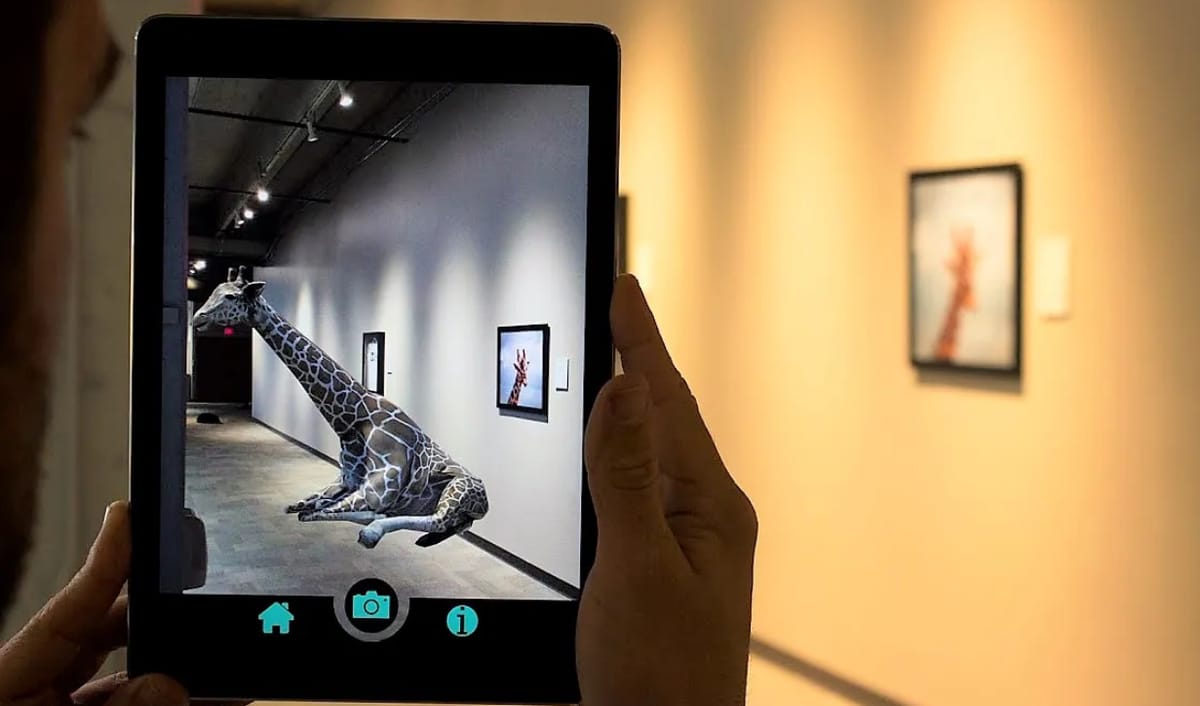
Augmented reality technology is transforming museum experiences by adding interactive digital content to traditional exhibits. It not only helps visitors better understand museum collections but also transforms them from passive observers into active participants. MDPI (Systems Journal) highlights that AR transforms static exhibits into interactive learning environments, improving visitor comprehension and engagement.
Do you want to make your museum storytelling much more attractive and engaging? Read on, we’ll show you what an augmented reality museum is, use cases, real-world examples, and a web-based AR solution for high-quality creation.
What is an Augmented Reality Museum?
An augmented reality museum uses AR technology to add virtual information and interactive digital content to physical collections and exhibits. Unlike traditional exhibitions that rely mainly on physical displays and text descriptions, AR museums combine real-world environments with digital experiences.
Why is Augmented Reality for Museums Beneficial?
Augmented reality helps museums move beyond traditional displays and create more immersive visitor experiences.
- Increase Visitor Engagement
AR can convert static collection exhibits to interactive experiences, enabling visitors to unlock 3D models, explore hidden historical information, and interact with digital content in real time. These immersive experiences can increase visitor engagement and encourage longer stays. - Improve Accessibility for Remote Visitors
No need to visit the physical museum. The AR museum allows people to explore museum collections even without any physical presence. Remote visitors can also explore museum collections through virtual AR exhibitions. - Immersive Storytelling
Interactive digital content brings a much more absorbing museum storytelling. By adding eye-catching historical scenes, detailed information, and visitor-driven animations, visitors can better understand the background of the collections and artifacts.
If you want to explore the benefits of AR on tourism, then this post can be helpful:
 Leonie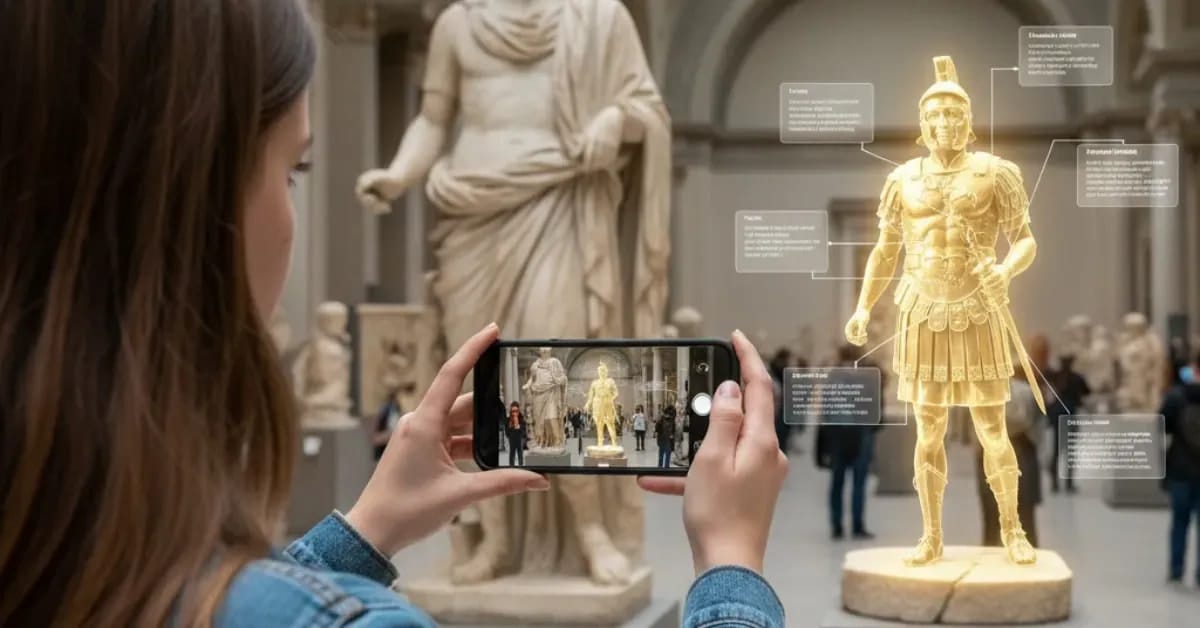
How Museums Use Augmented Reality Technology
How is augmented reality used in museums? Here are some common use cases of AR for museums.
1. Cultural Relic & Extinct Objects Restoration
AR museum technology helps museums digitally restore damaged exhibits without changing the original objects in reality. Visitors can view reconstructed versions of ancient sculptures, historical buildings, and even lost cultural items through their phones. Besides, it can bring extinct animals and ancient civilizations back to life through realistic 3D models and animations.
2. Interactive Educational Content
Unlike the traditional museum display with static images and tedious text descriptions, AR museums offer visitors a new educational experience to interact with digital content. As a result, visitors can develop a deeper understanding of exhibits and benefit from enhanced museum AR education.
3. Historical Context Enrichment
There have always been rich stories about museum objects that are difficult to explain through words. With an AR-powered presentation, visitors can not only see historical scenes, learn about artifact-related persons, but also explore how an object was created and used.
4. Gamify Museum Experiences
Museums can create AR games like treasure hunts, AR challenges, and virtual missions that encourage visitors to explore different exhibits. These AR experiences make museum visiting and learning more enjoyable, especially for younger audiences.
5. Smart Museum Guides
Through AR navigation, visitors can find exhibition halls, locate specific artifacts, and receive real-time information about nearby displays. Different from traditional audio guides, AR guides can combine directions with visual content, such as 3D arrows, animations, and interactive explanations.
Real-World Augmented Reality Museum Examples
Let's have a look at some successful examples.
1. Skin & Bones AR Exhibit in Smithsonian National Museum of Natural History
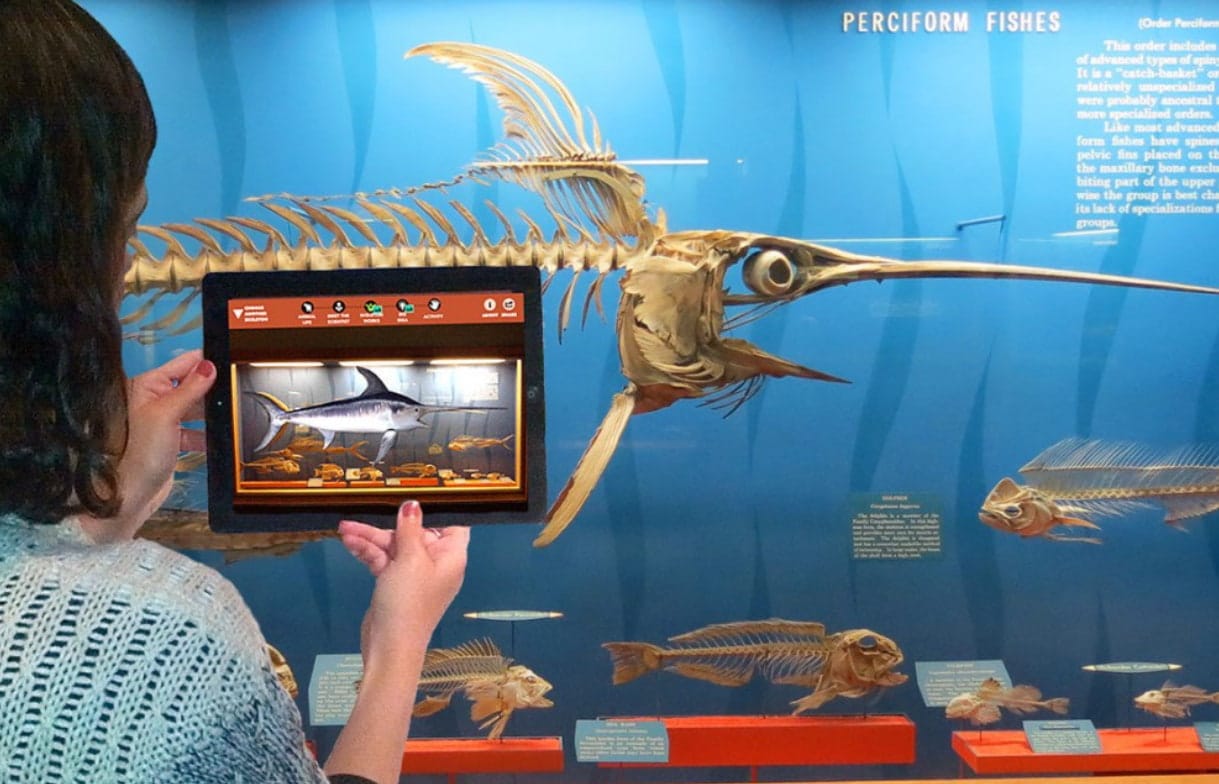
The Skin & Bones AR Exhibit at the Smithsonian National Museum of Natural History brings 13 skeleton displays to life through augmented reality technology. It allows visitors to point their smartphones or tablets at selected skeletons, and AR overlays reconstruct the animals’ missing biological features.The augmented reality museum project helped visitors understand animal anatomy, movement, and evolution while preserving the authenticity of historical specimens.
2. Egypt AR Experience in the Louvre Museum
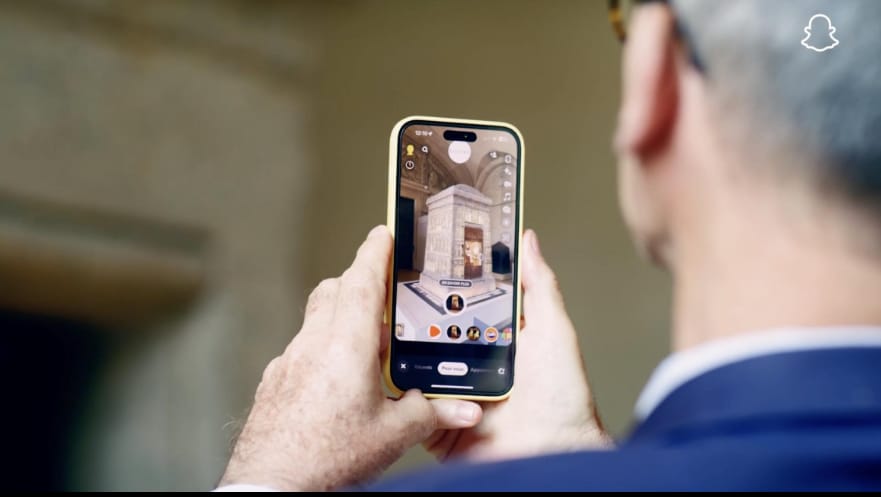
The Louvre Museum, together with Snapchat, introduced an AR museum experience that allows visitors to explore ancient Egyptian history in a more immersive way. This technology can also restore the faded paint on the artefacts, unlock details including shapes, colors, materials, and others, that are difficult to explore over time. Visitors can discover additional information about Egyptian artifacts and uncover hidden stories behind the collections.
3. Kizil Caves AR Storytelling Wall
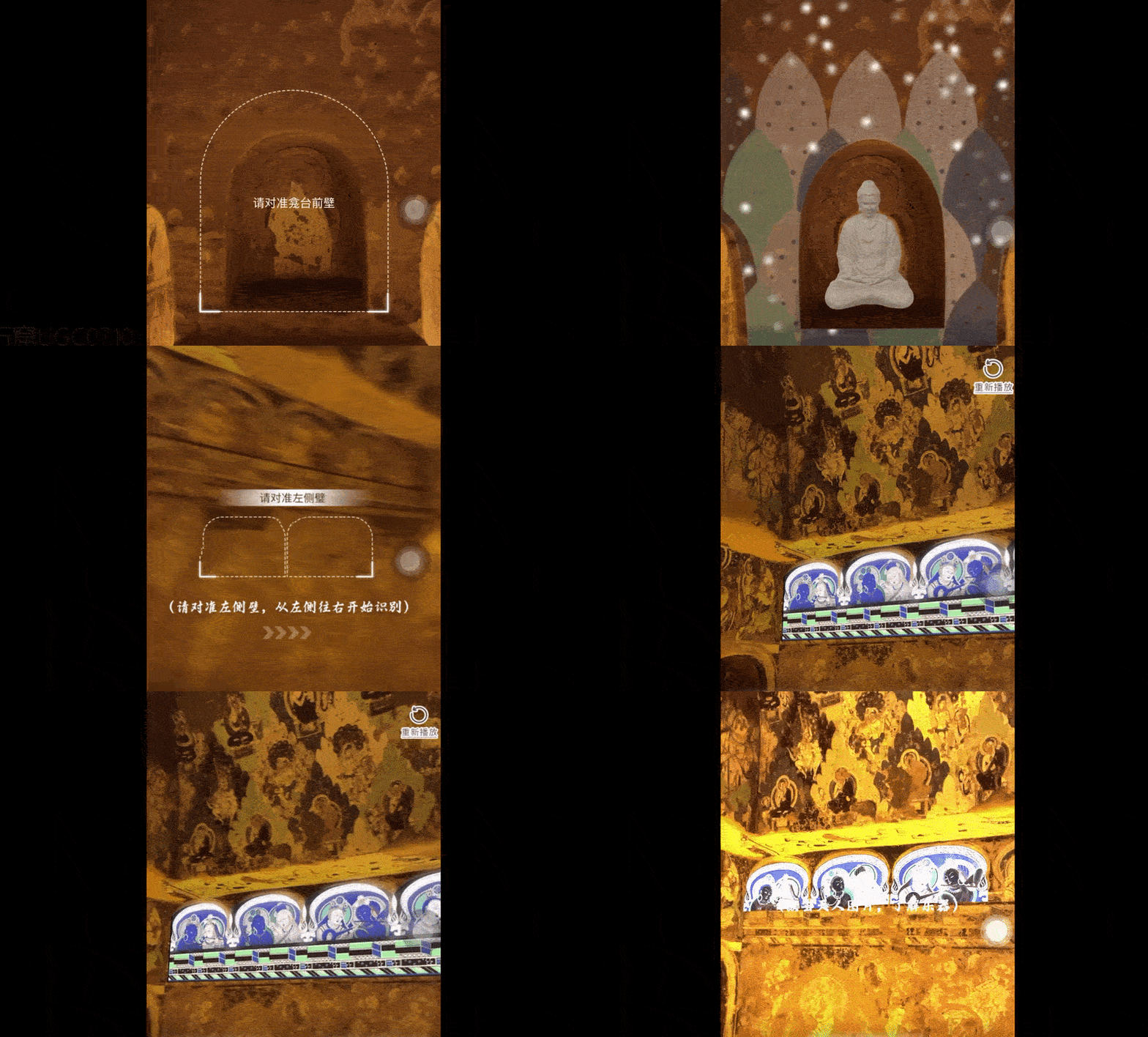
The Kizil Caves AR Storytelling Wall uses immersive museum technology to present the history and artistic value of the ancient Buddhist caves. Through digital overlays, visitors can explore detailed information about cave murals and religious backgrounds. This AR project helps virtually restore damaged artwork and provides additional explanations that cannot be displayed through traditional museum displays.
4. Story of the Forest AR Experience in the National Museum of Singapore
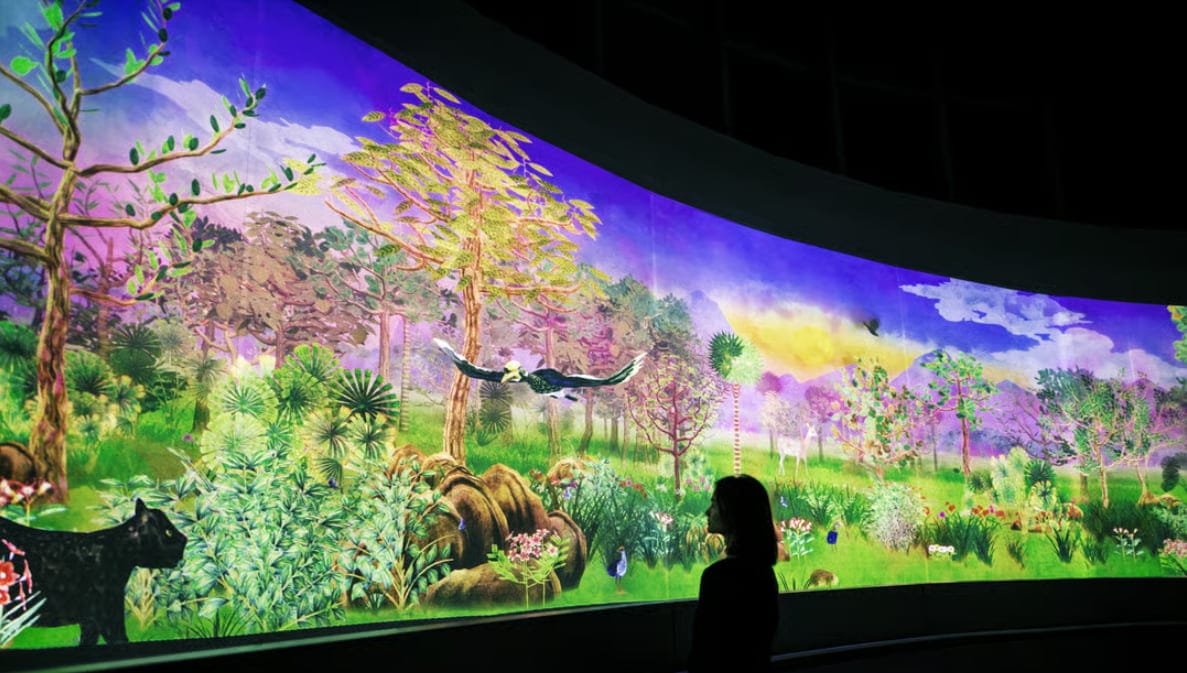
The Story of the Forest AR experience launched by the National Museum of Singapore combines digital art with natural history collections. Created with teamLab, the augmented reality art museum transforms historical drawings from the museum’s collection into a virtual forest environment, allowing visitors to use mobile devices to interact with digital plants and animals that appear around them.
5. Heroes and Legends in Kennedy Space Center
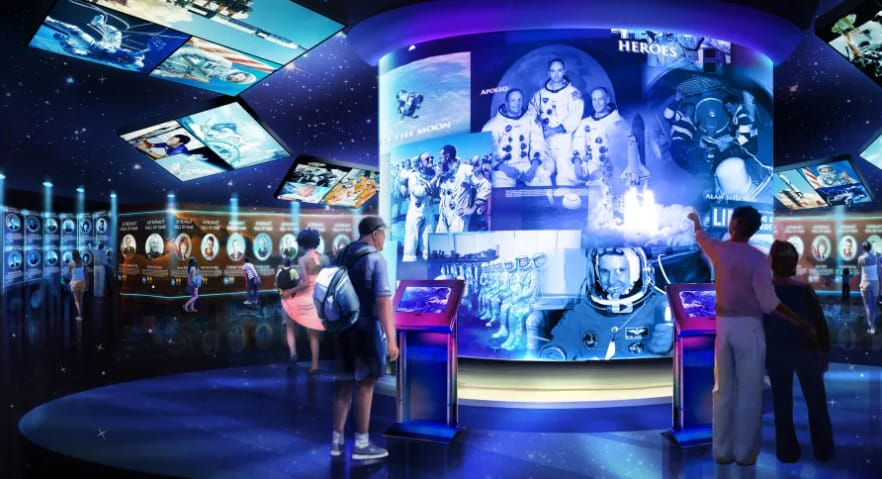
The Heroes and Legends exhibit at Kennedy Space Center Visitor Complex uses augmented reality and interactive technologies to tell the stories of American space pioneers. Interactive items throughout here allow visitors to better understand the true stories of those outstanding astronauts and NASA legends.
A WebAR Solution for High-Quality Augmented Reality Creation
AR museums help improve visitor engagement. However, traditional AR experience requires downloading a dedicated augmented reality museum app, which will reduce visitors’ participation rate.
This is where WebAR technology provides a practical solution. WebAR platforms like Kivicube provide a much more convenient method for visitors to interact with museum collections. The all-in-one web-based AR platform can create themes of interactive AR museum projects with no app required.
Why Kivicube:
Powerful AR Tracking Algorithm and Realistic Rendering: The advanced AR tracking algorithm can precisely recognize the physical environment for a stable AR museum scene. Realistic rendering technology can work to faithfully reproduce the details of the artifact for a striking visual effect.
Extensive Tourism-Related AR Templates: Multiple pre-made tourism and merchandise templates can be used directly for creation, accelerating the implementation of AR-related tourism projects.
Multimedia Support: It supports adding multimedia files, such as images, audio, videos, and more, making the storytelling of cultural artifacts more vivid and engaging.
Easy Sharing with Links & QR Codes: The WebAR technology not only supports placing links and QR codes on physical exhibit information, but also sharing them on sites and social media platforms to further promote the museum and attract more visitors.
Cost-Effective Custom AR Solutions: The experienced team can deliver cost-effective, customizable augmented reality museum projects across various themes.
Built-in Data Analytics Dashboard: The built-in data analytics dashboard helps to monitor AR museum scene click counts, scan rates, and interaction durations in real time. So the museum managers and staff can further optimize the current AR projects and add new trendy ones to keep museum content up to date.
How to Create an Augmented Reality Scene?
It takes only several minutes to make an AR scene for a museum. Let’s see how to create an AR museum scene with ease.
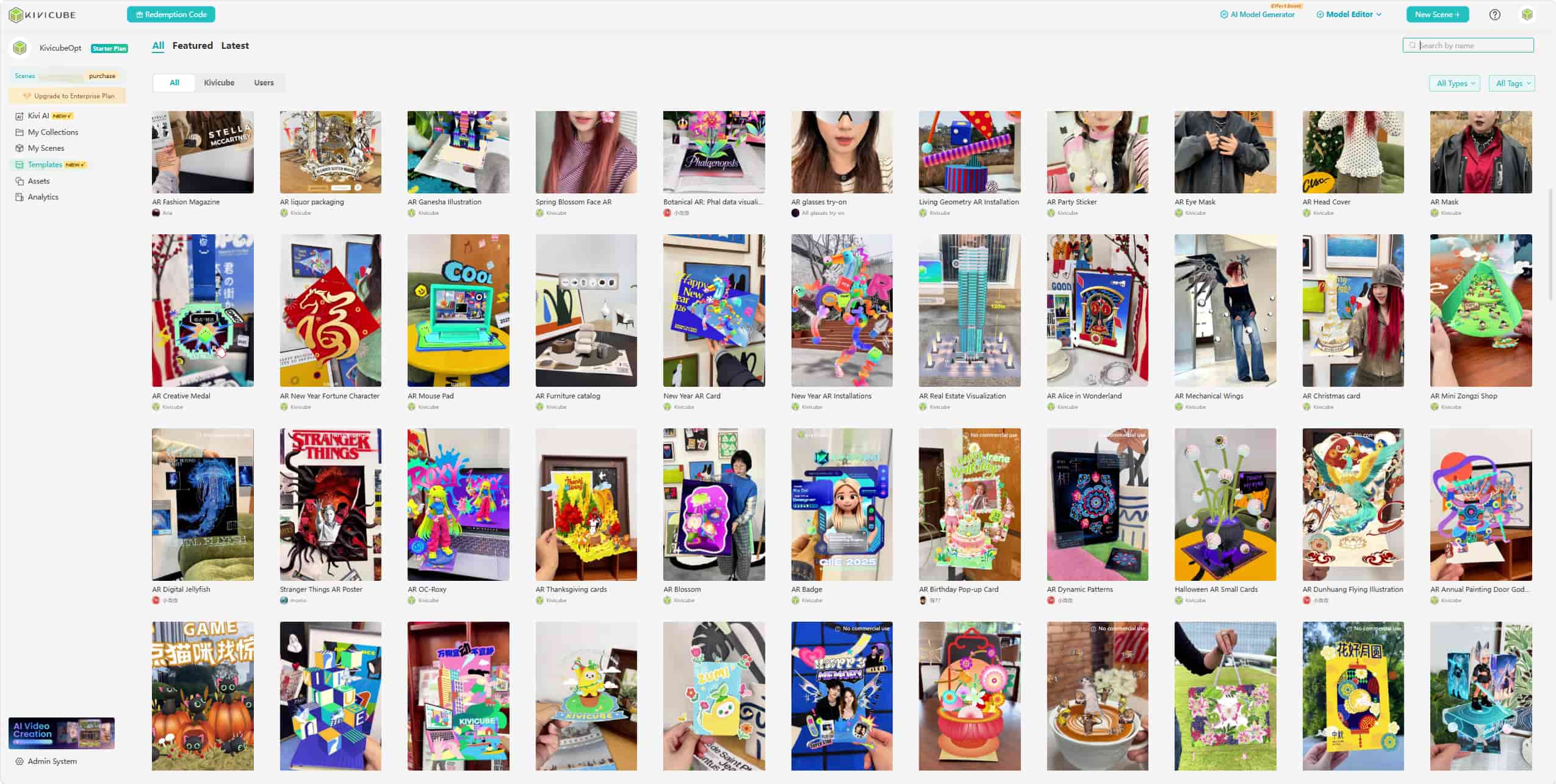
Step 1. Log in to Kivicube with your account, search for museum-related templates in the library. Select one and click “Duplicate”, then name the AR museum scene in the pop-up window.
Step 2. Upload the assets that you want to add to your own AR museum scene. You can also try Kivi AI to create AI images, 3D models, and even videos within seconds.
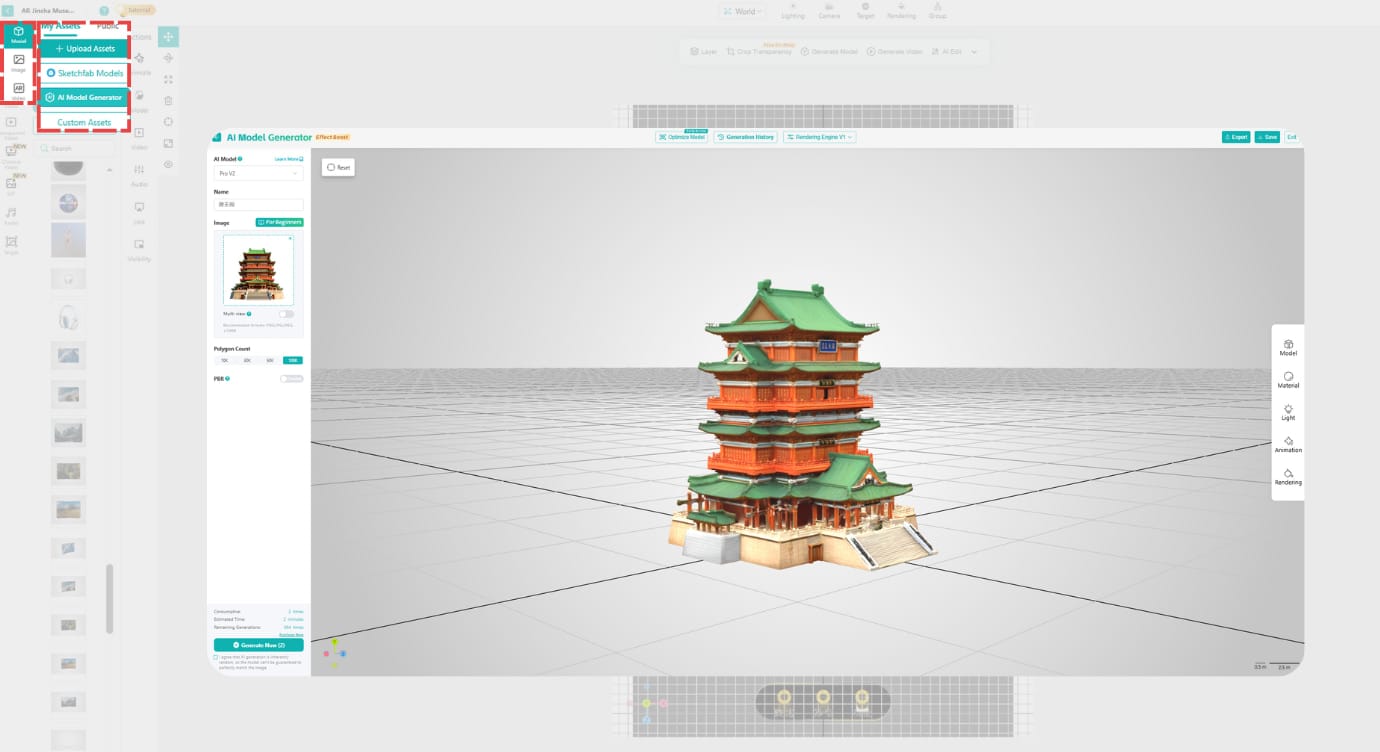
Step 3. Click the asset in the template, then drag and drop the assets you want to replace to the designated area in the editor panel. Then you can change the animations and interactions according to your needs.
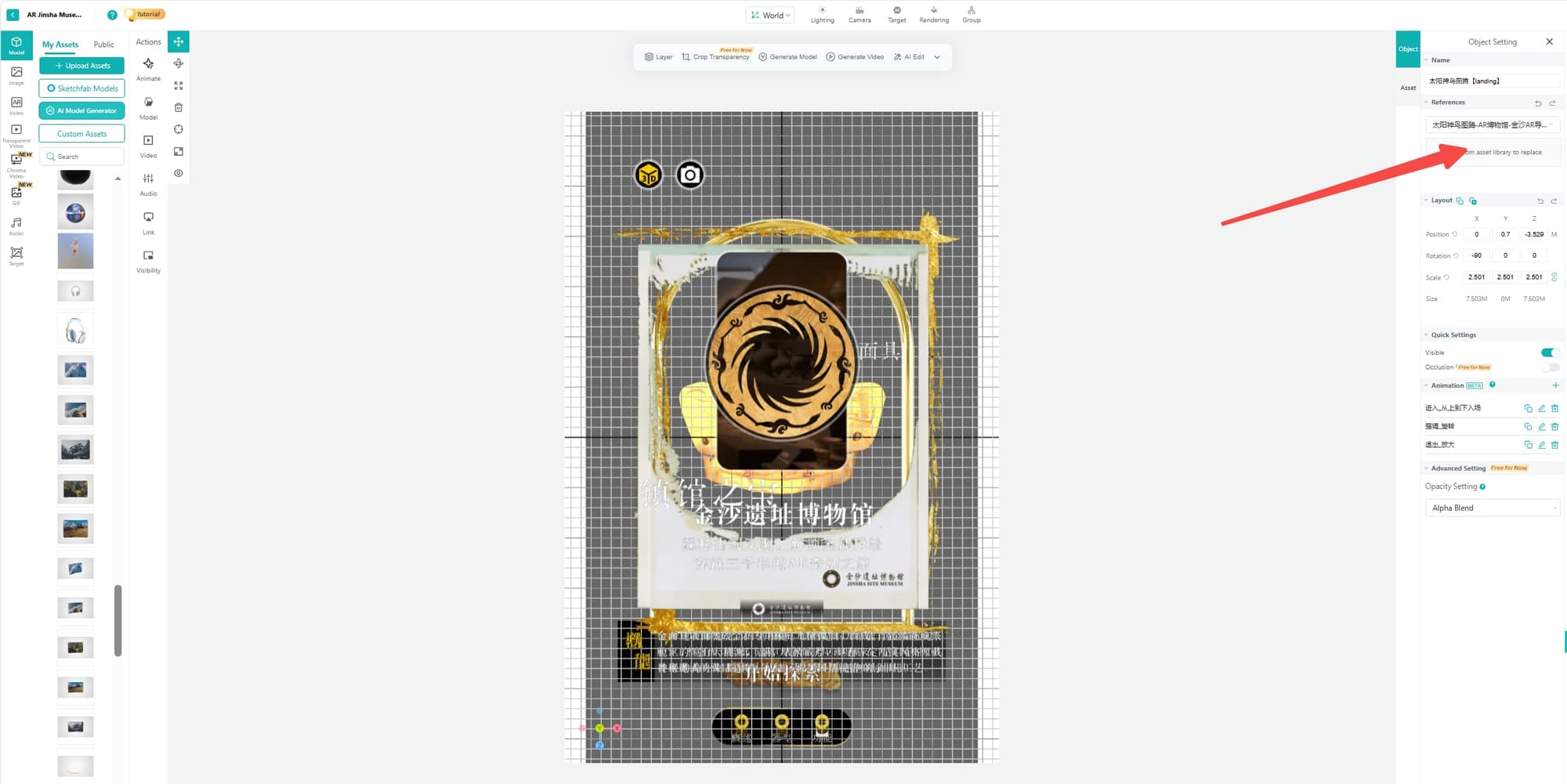
Step 4. Once everything is done, click “Save” and “Share” to get the link and QR code of the AR museum scene. You can add the link and QR code to physical exhibit resources, sites, social media platforms, and other online places for fast sharing.
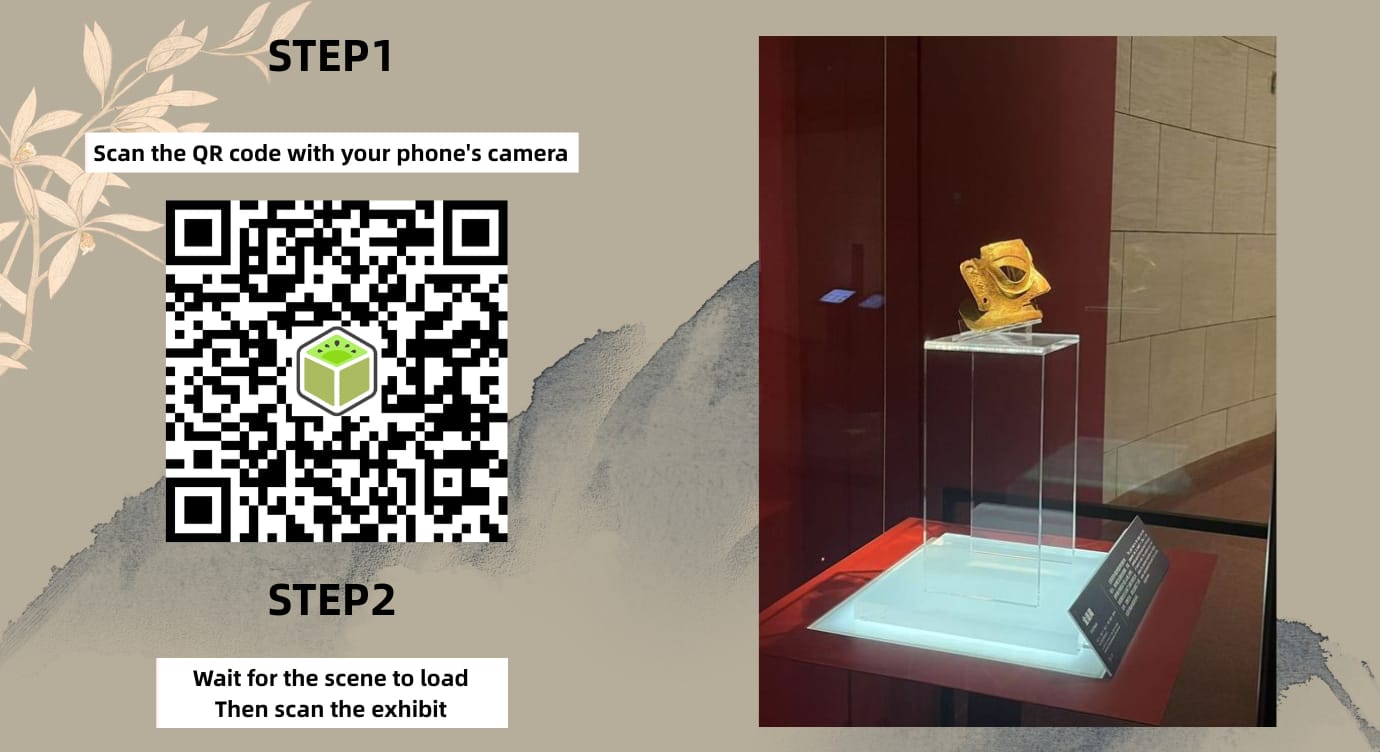
If you want a highly customizable augmented reality project for your museum, you can contact us for a solution.
FAQs about AR Museum
Q: Do I need to download an app to experience the AR museum scene?
No. With WebAR-based museum experiences, visitors do not need to download a dedicated app. They can simply scan a QR code or open a web link on their smartphone browser to access the AR experience instantly.
Q: Will AR distract me from the real artifacts in museums?
No. AR is designed to enhance the museum experience, instead of replacing the real artifacts. With interactive content, the AR experience aims to help visitors better understand the objects in front of them.
Q: Does AR work on my standard smartphone?
Yes. Most modern smartphones can support AR experiences without requiring special equipment. WebAR technology uses the phone’s existing camera and browser to let visitors access AR content directly from their devices.
Q: Is AR suitable for all types of museums?
AR technology can be adapted to many types of museums, including art museums, history museums, science museums, natural history museums, etc. With WebAR platforms like Kivicube, you can easily add augmented reality for museums of all types.
Final Words
Augmented reality museum technology has helped museums to improve visitors’ experiences with engaging interactions and information. However, to make the AR museum experience much more convenient and attractive, WebAR provides a convenient way to deliver app-free AR experiences. Kivicube, an advanced web-based AR platform, provides a high-quality AR museum scene that can be experienced without downloading an app. Start your creation now to attract more visitors to your museum.