Graffiti Augmented Reality: Examples & How to Create Interactive WebAR Street Art
In this guide, explore graffiti augmented reality definition and examples, then follow the steps for an eye-catching AR one without code and app downloading.
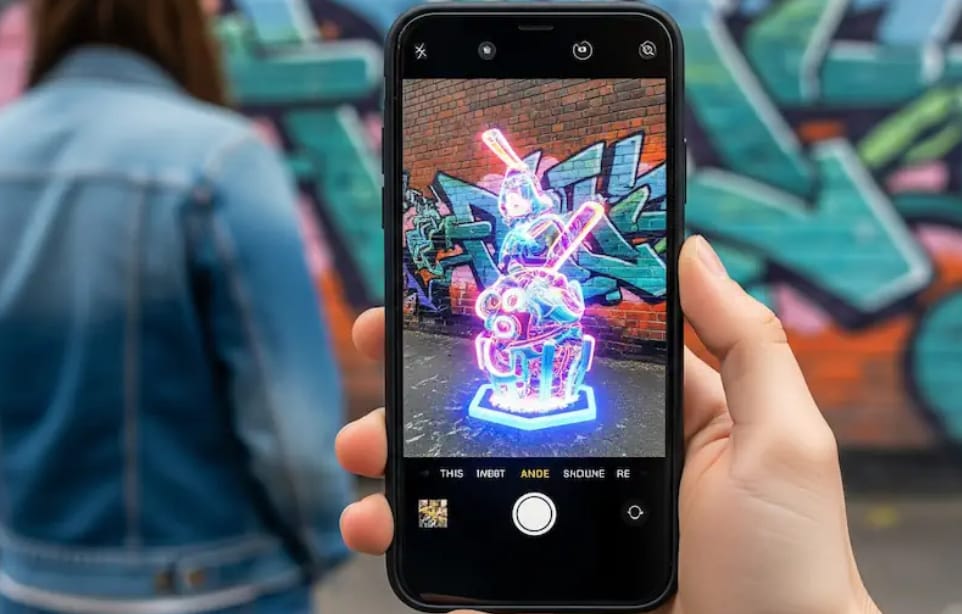
Is there anything more interesting than bringing graffiti to life with animation? Since the launch of LZRTAG, one of the earliest AR graffiti projects, AR graffiti has emerged as a growing trend with the integration of physical graffiti and digital content.
According to a study from Nature, AR public art like graffiti augmented reality significantly increases engagement, immersion, and emotional connection compared to static installations. Want to follow the trend but have no idea? Here is the guide to help you easily create your own graffiti augmented reality scene without app downloads and complex coding.
What Is Graffiti Augmented Reality?
Graffiti augmented reality refers to applying augmented reality technology on graffiti to enhance street art experiences. By adding digital content onto the target graffiti in the camera view, AR makes the art wall come to life with eye-catching 3D models and interactions. It not only changes the method for art creation, but also influences the way people feel and share art online.
Who Is Using Graffiti Augmented Reality Today?
With the flourishing of AR interactive walls, groups of people are adopting AR graffiti in new ways.
Street artists: Rather than creating static murals alone, a large number of street artists are embracing AR technology for a more interactive and engaging art experience. For instance, the Swedish artist Leon Keer created a street art AR scene that when people view it with a specific app, the image would come to life with numerous teacup fragments breaking.
Brand marketing teams: Through the combination of AR marketing and street art, brands enabled users to interact with immersive digital content and better understand brand identity and storytelling. This is useful to increase brand visibility and dwell time, ultimately increasing conversions and sales.
Social media content creators: The immersive AR graffiti experiences help social media creators to improve their video completion rates and social sharing.
Urban cultural tourism organizations: Tourism-related organizations effectively promoted the city's classic attractions and distinctive features, which are shown in the immersive animated mural.
Organizers of trendy events: High consistency of the culture between graffiti and others like hip-hop, edm, etc., makes it beneficial to cater to the interests of young people and facilitate the smooth execution of activities with the graffiti AR technology.
Educators: Since young people, especially Gen Z, are more fascinated with futuristic visuals and personal expression, educators have also tried the more immersive AR graffiti technology for education.
Want to explore more about augmented reality art? Then you can turn to this post:
 Leonie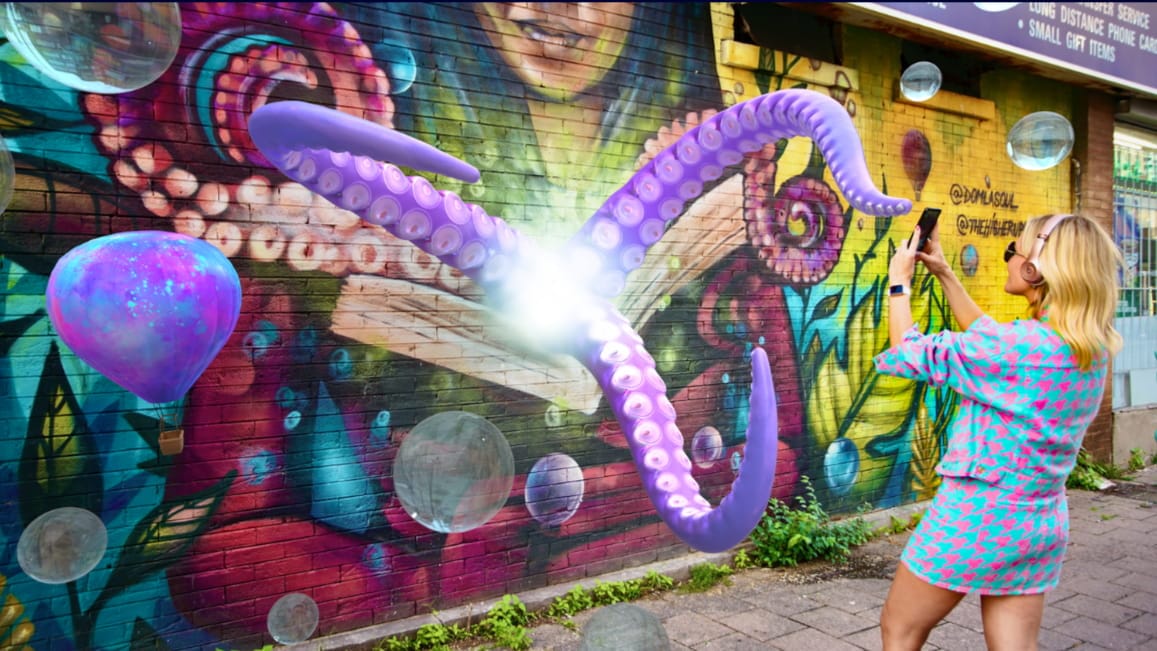
How to Create a Graffiti Augmented Reality Experience
AR graffiti offers valuable opportunities across multiple industries. However, it seems to be tricky and time-consuming for non-technical people to create one through coding. Also, the need to download apps is another issue that creates friction for users. Fortunately, WebAR platforms are changing that.
WebAR Graffiti Platforms
WebAR provides a more accessible solution to these challenges. Platforms such as Kivicube allow you to create interactive AR graffiti scenes just like what professional AR street artists do.
What’s more, unlike traditional graffiti augmented reality apps that always require downloading, the web-based platform allows users to create, edit and finally share AR experiences through browser links and QR codes across platforms.
Extensive AR Templates and Asset Libraries
If you are unsure where to start, simply pick one from the various pre-designed templates provided by Kivicube. Besides, a large library of high-quality 2D and 3D assets is here for easy and fast AR graffiti creation.
Advanced AR Tracking Technology
Create high-quality AR mural scenes with an advanced AR tracking algorithm. Even when users move their smartphones, the algorithm enables stable augmented reality tracking and accurate digital content placement.
Sketch to 3D Model Conversion
Turn your own images into 3D models with a professional 3D model generator. You can try Gen AI for more creative inspiration and faster graffiti creation experimentation.
Intuitive Drag-and-Drop Editor
Design street AR art scenes with simple drag-and-drop operations, so even if you have no coding experience, you can create professional-quality AR graffiti experiences with ease.
Step-by-Step Guide to Create AR Graffiti
Follow the 4 simple steps to create visually stunning animated graffiti.
Step 1. Sign up and turn to the templates library. Search "mural" in the top right corner. In the popped window, choose a collection and name your AR graffiti scene.

Step 2. Upload your own graffiti recognition image and other assets. Select the items you tend to replace, then drag and drop the target assets to the right box.
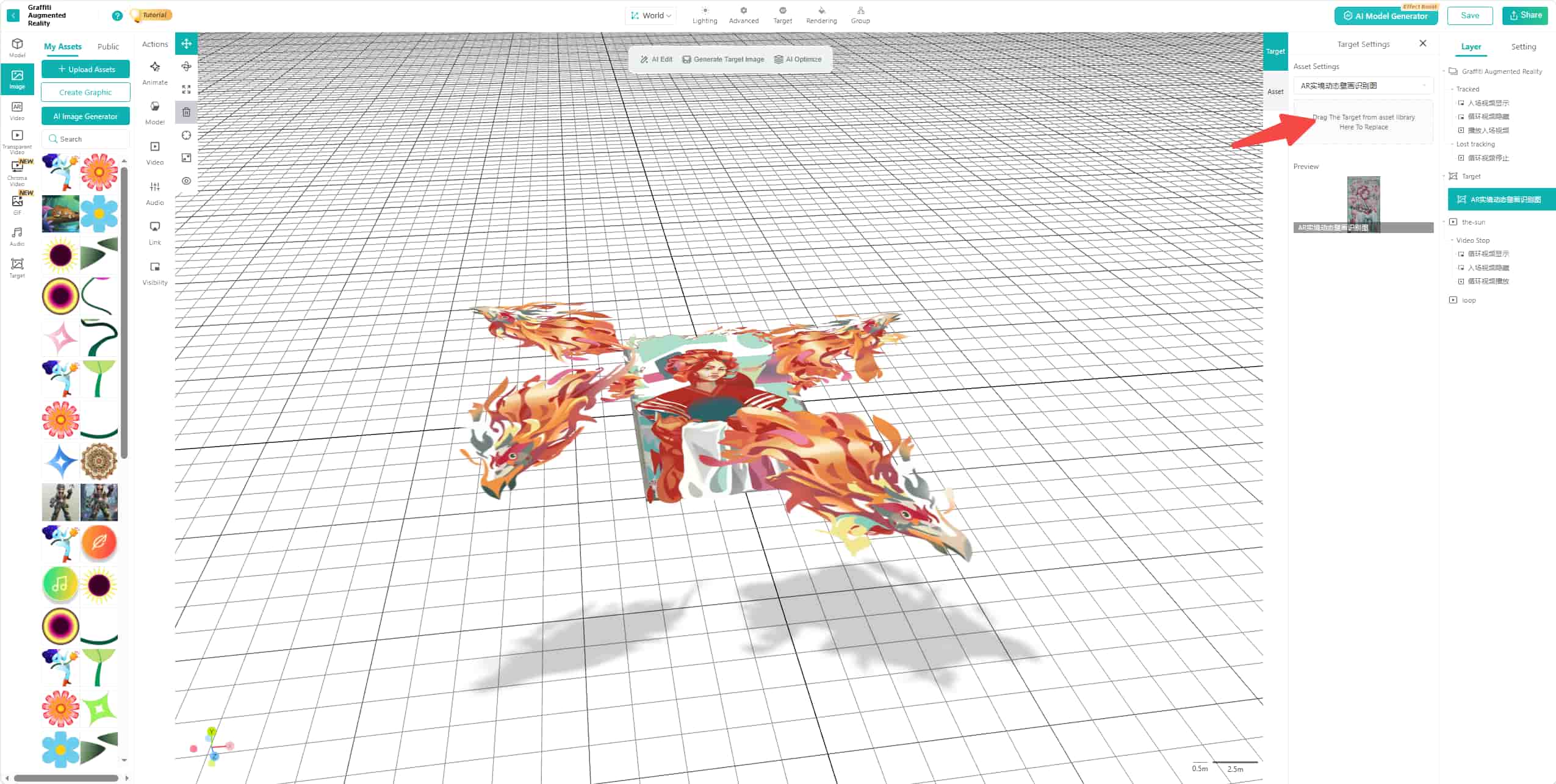
Step 3. Add and adjust animation, audio, and even video in your AR graffiti scene.
Step 4. Save and then share the AR creation across platforms.
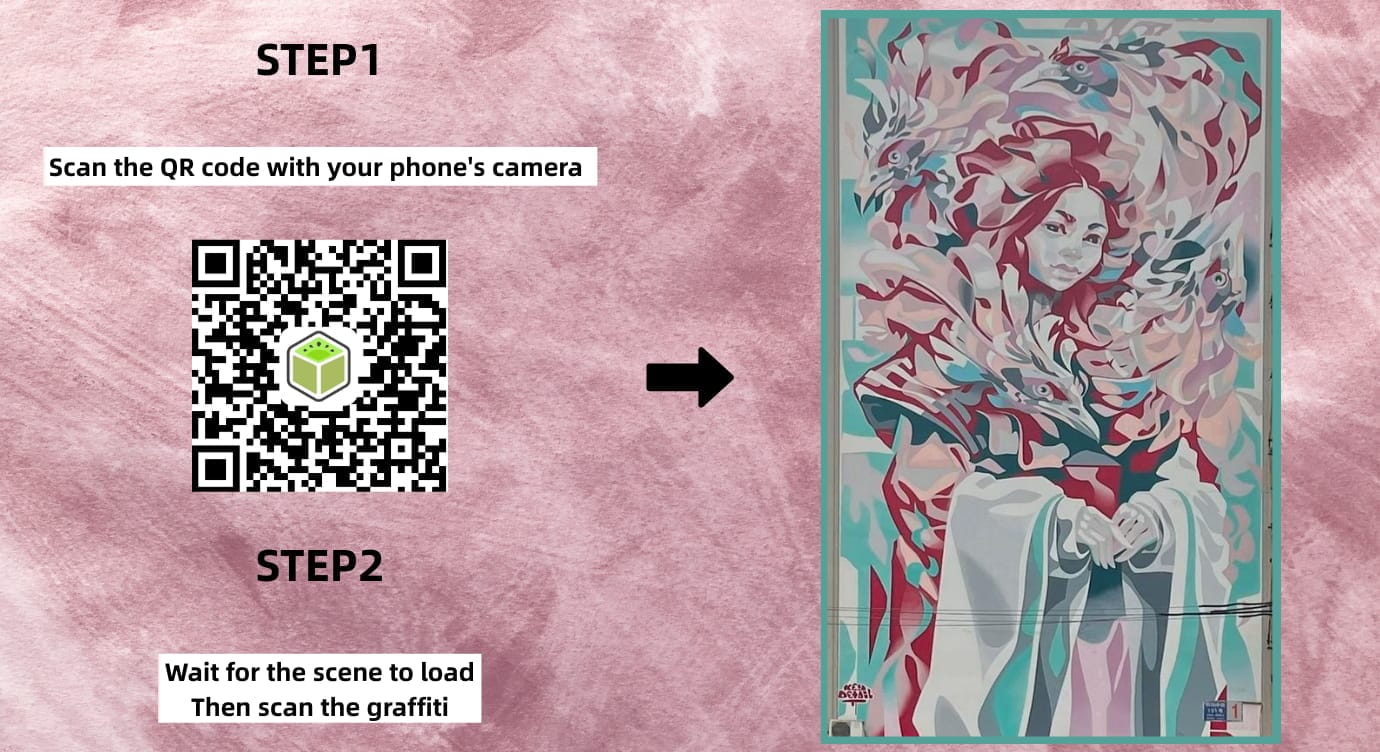
6 Real Graffiti Augmented Reality Examples
Here are 6 real-world examples showing how AR graffiti transforms static murals into immersive digital experiences.
Modelo × AR Mural Campaign
One of the most powerful applications of augmented reality art is combining it with marketing campaigns. Brands can create street AR advertisements that enable users to interact with the digital models of their products.
For example, in collaboration with Constellation Brands, Groove Jones created an eye-catching AR-powered mural campaign to bring Modelo artwork to life. Users could activate the experience simply by scanning the mural with their smartphones.
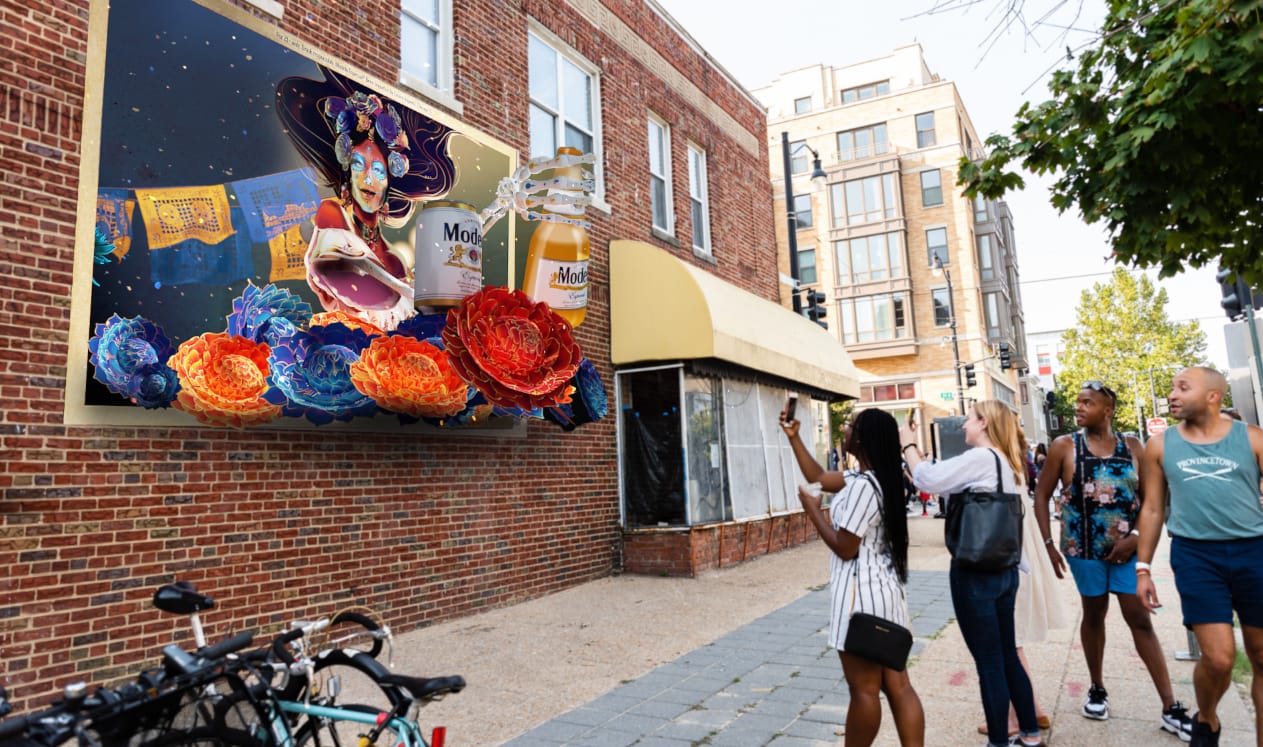
The campaign earned over 180,000 social media impressions and improved sales revenue in targeted markets by 16.5%. In addition, average user dwell time also reached 2–3 minutes, significantly higher than that of traditional outdoor ads.
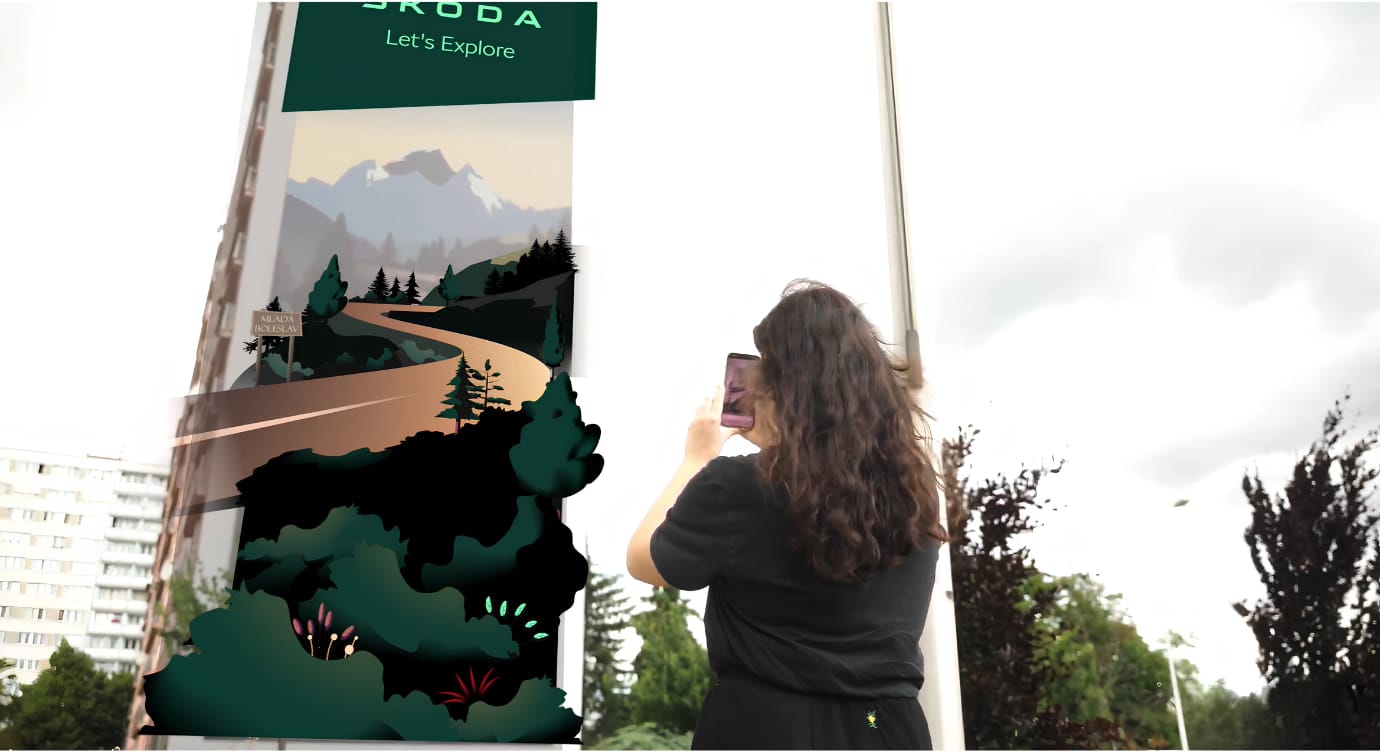
Škoda Klementa WebAR Wall
YORD created a 30-meter webAR wall at the Škoda Museum to showcase the history of Škoda Auto in a much more dynamic and interactive manner. By scanning a QR code, visitors can see how Škoda evolved as a brand over the years.
Des Moines AR Parking Garage Mural
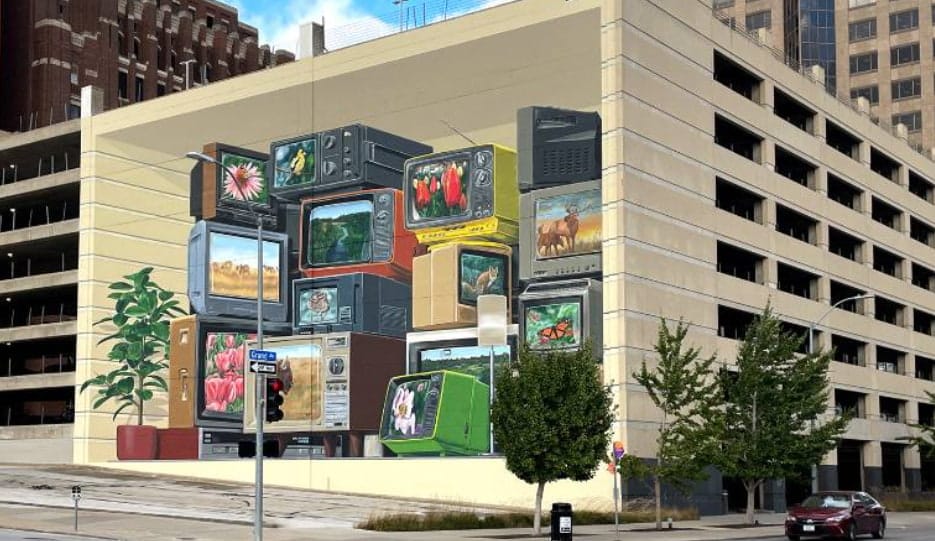
Augmented reality murals are also becoming valuable tools for urban tourism and public cultural initiatives. A new interactive mural at 901 Grand Ave Des Moines Iowa, created by Leon Keer and Massina Spelbos, is a strong example of this trend.
The project was launched by the Greater Des Moines Public Art Foundation in collaboration with Principal Financial Group as part of a broader initiative to develop AR-compatible public murals across the city. The 8,000-square-foot mural brings scenes of Iowa nature to life through augmented reality technology, allowing visitors to experience animated content through 15 vintage television sets using their smartphones.
Capital Radio × Anne-Marie Graffiti-Inspired WebAR Billboard
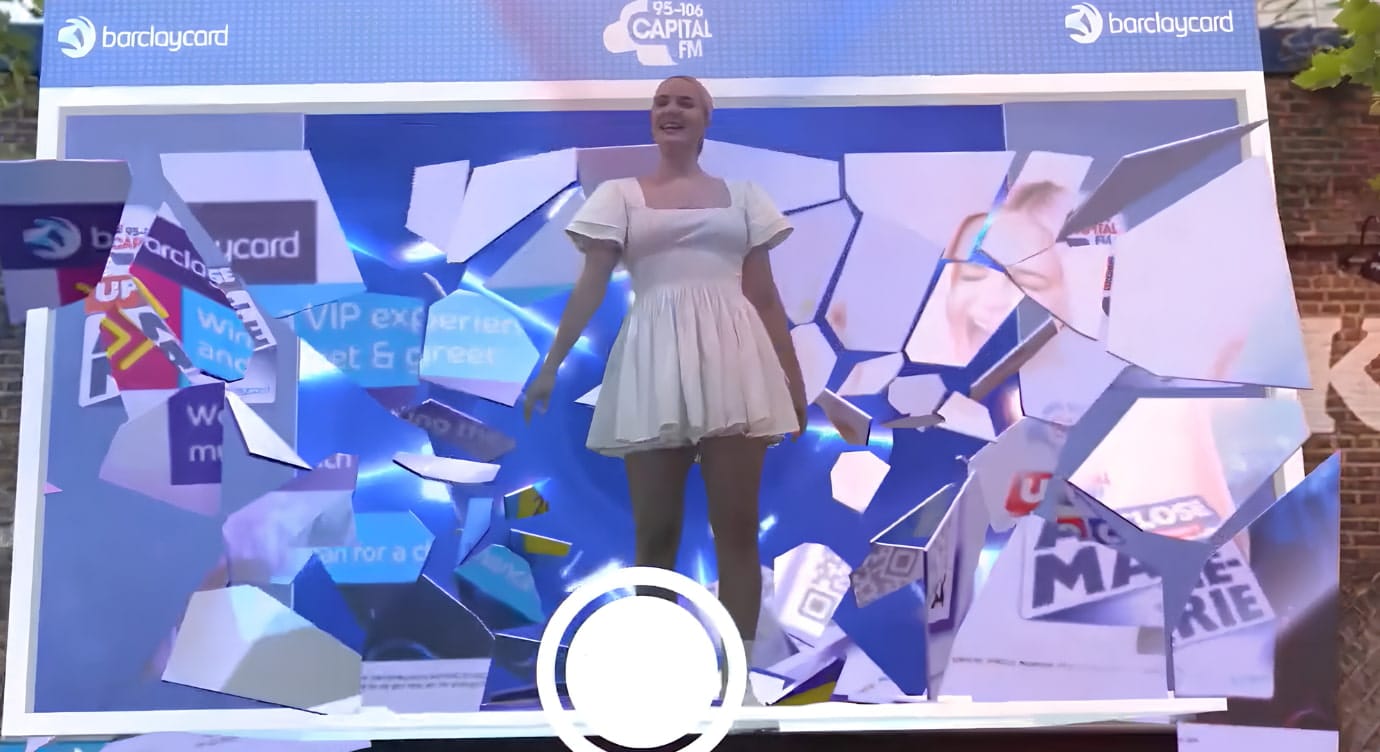
Visualise Agency and media and entertainment company Global launched a 3D animated billboard featuring singer-songwriter Anne Marie. By scanning the QR code on the Global billboards across the UK, users could experience an engaging AR scene where the singer Anne Marie bursts through the poster with dramatic glass-shattering effects. The poster frame then transformed into a stage in which Anne will deliver her comeback announcement.
Bond Truluv’s Work for Social Media
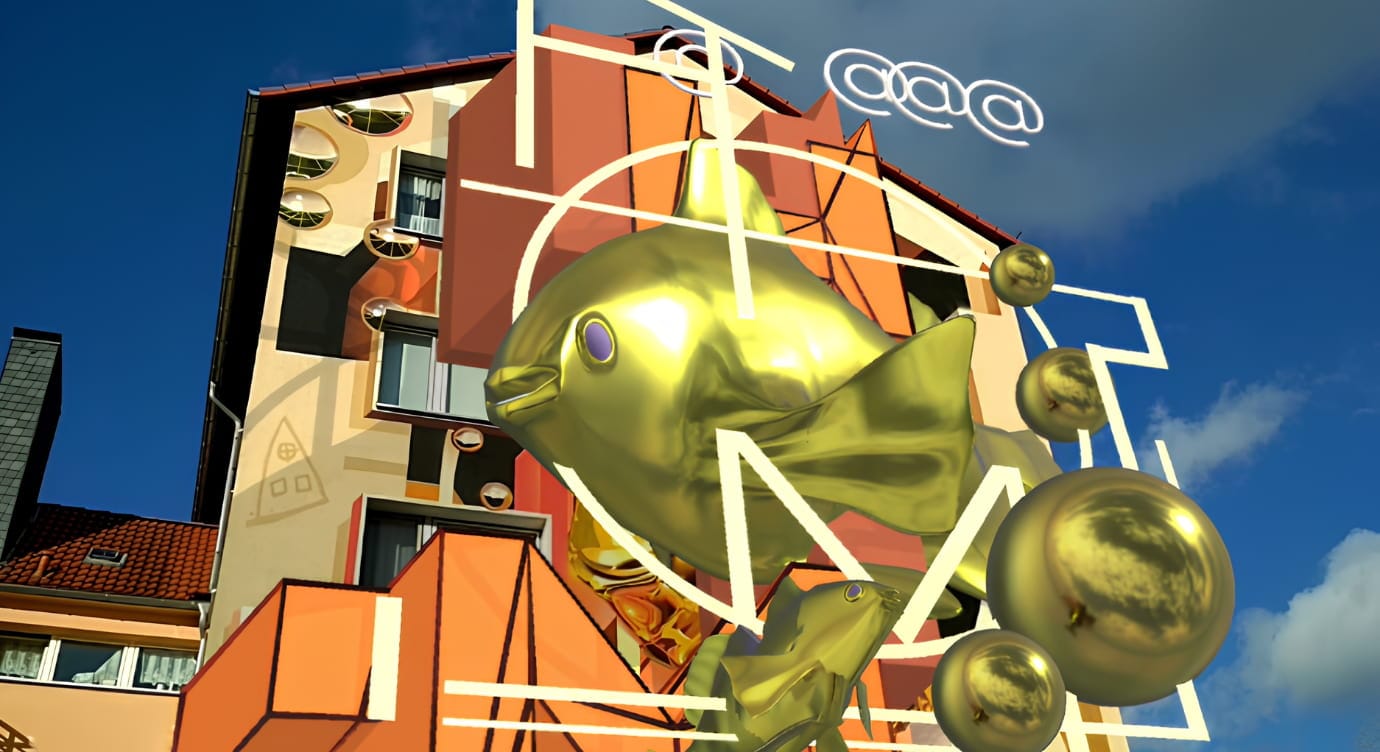
Eager to be seen and recognised, street artists have always sought ways to expand the visibility of their work in urban spaces. Artists can now transform traditional murals into interactive digital experiences that are easily shared across social media platforms, helping them attract larger online audiences and extend the lifespan of their artwork.
Artist Bond Truluv uses AR graffiti technology to transform traditional murals into interactive digital experiences that can be easily shared across social media platforms. This approach helps artists attract larger online audiences while extending the lifespan and visibility of their artwork beyond physical urban spaces.
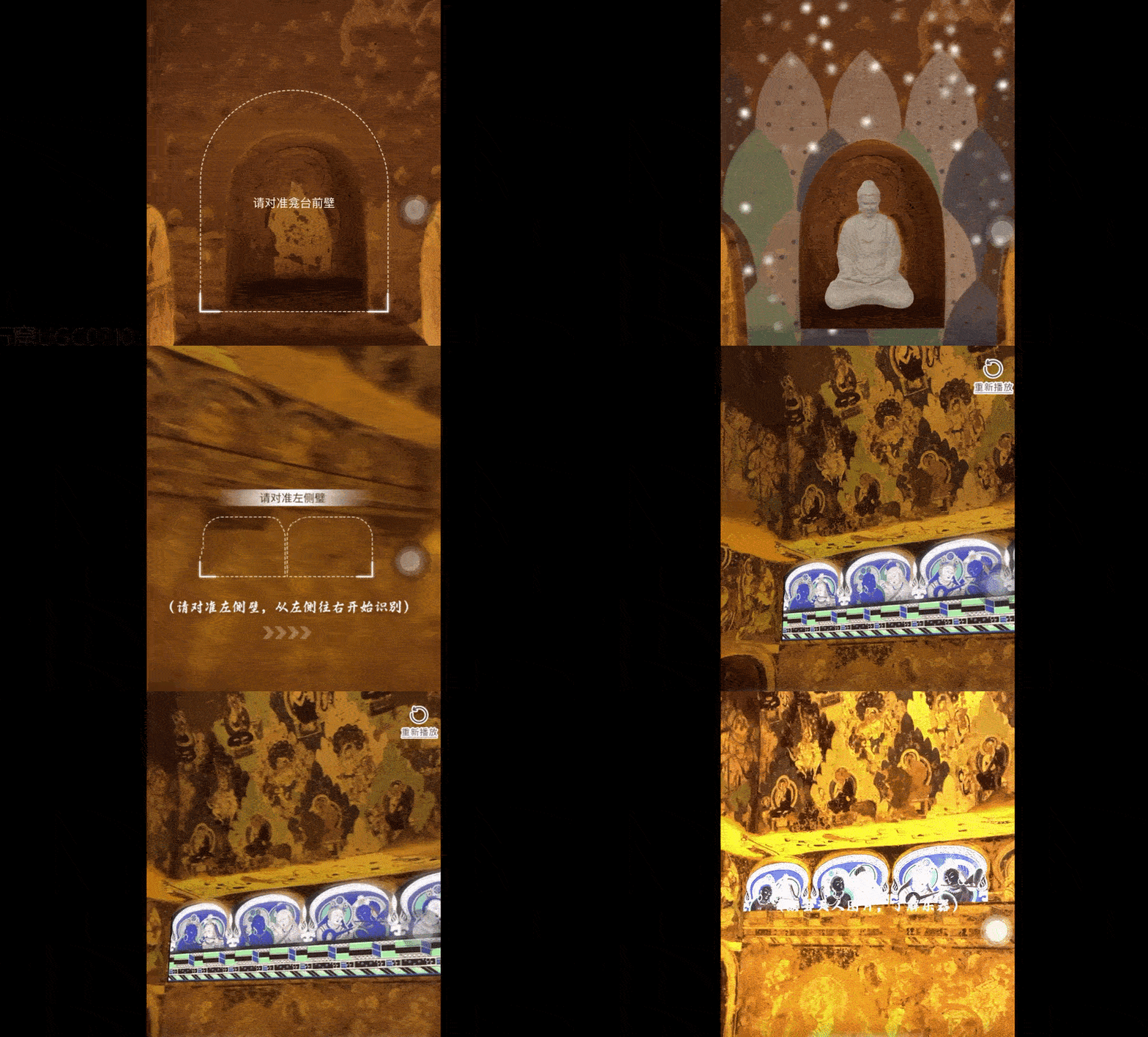
Kizil Caves AR Storytelling Wall
Murals can also be one of the common uses of augmented reality in education. Rather than passively viewing static displays, students increasingly prefer more interactive learning experiences. That’s why AR-based murals work better than static learning materials during educational tours.
Together with Kivicube, Kizil Caves launched interactive murals. By scanning the murals in the browser-based experience, visitors can access detailed information about the scenic spot through interactive digital experiences. The campaign improved visitor engagement and satisfaction, attracting more tourists in a short time.
FAQs about Graffiti Augmented Reality
Q: Why is graffiti augmented reality becoming popular?
Unlike traditional graffiti, which is fleeting due to reasons such as weather and political management. AR-based graffiti broke down the physical limitations, making it stable for both creators and viewers. Besides, compared with the static flat graffiti, AR ones can be much more engaging and interactive for people.
Q: How can creators map digital content to their artwork?
With the AR image tracking and spatial recognition technology, creators can easily overlay any digital assets they want onto the graffiti and even blank walls.
Q: Do I need specific equipment to experience AR graffiti?
No. WebAR platforms like Kivicube help people create, edit, share, and experience augmented reality murals directly online. No need for space-occupying app downloading and installation, all operations about the AR graffiti experience can be done online.
Q: Is augmented reality mural vandalism?
No. Because AR graffiti exists digitally rather than physically, it avoids permanent property damage and can be experienced without altering real-world surfaces.
Conclusion
Graffiti augmented reality is reshaping how people create, experience, and share street art. From interactive marketing campaigns to educational storytelling and digital public art, AR graffiti offers creators entirely new ways to engage audiences. With WebAR platforms like Kivicube, even non-technical users can build immersive AR graffiti experiences without coding or app downloads.