How to Use Augmented Reality for Sports & Improve Engagement
Discover how augmented reality in sports enhances fan engagement with real-world examples and try a WebAR solution to create AR sports scenes.
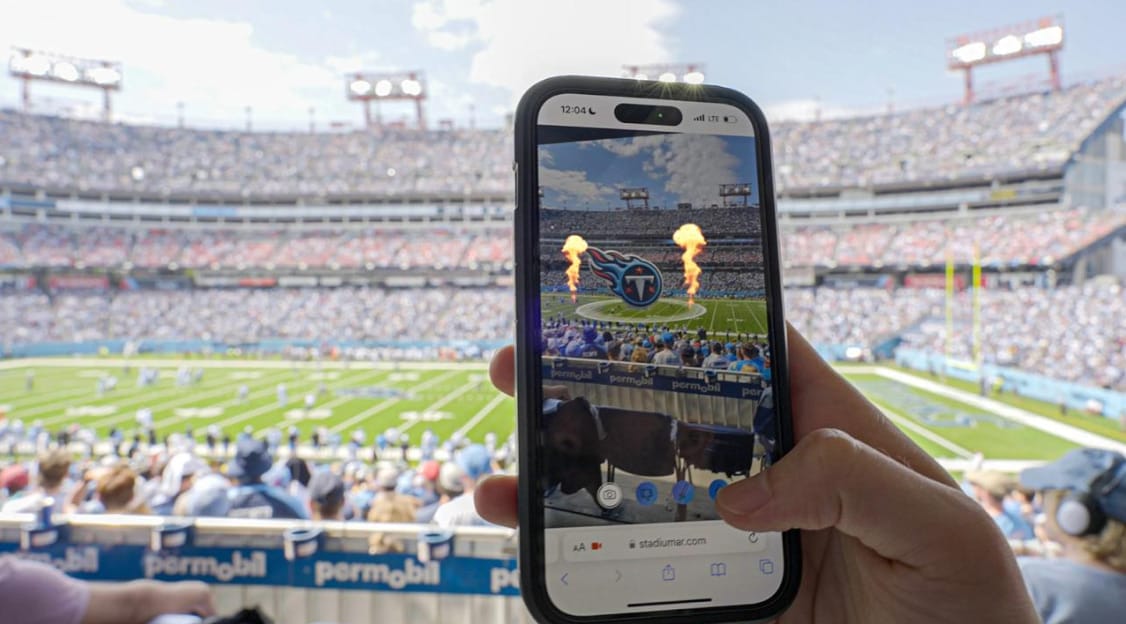
Impressed by those striking AR content overlays on stadiums and sports-related merchandise? These experiences are powered by augmented reality for sports. Sports organizations and brands are now widely using AR in sports to create immersive experiences and increase viewer engagement. According to Deloitte's report, 67% of fans believe that home sports consumption will become more interactive by 2030.
This post will walk you through what augmented reality in sports is, its use case, examples, and how to make one with a powerful AR solution. Let’s explore how AR is transforming the sports industry and how you can create your own experience.
What is Augmented Reality in Sports?
Augmented reality in sports is a technology that overlays digital content onto the real-world sports environment or products through devices like smartphones. It allows fans to get interactive information and enjoy a more engaging experience.
Unlike traditional sports experiences, AR combines the physical environment with digital content, making events more immersive and personalized. From optimizing live broadcasts to creating interactive fan experiences, augmented reality is changing how people watch and interact with sports.
Why Do Sports Organizations Use Augmented Reality?
From basic sports information overlays to AR fan merchandise and funny AR sports filters, adopting AR in sports has become increasingly popular because of its practical benefits.
- Deliver More Immersive Fan Experiences
Interactive AR content helps sports organizations to provide more engaging experiences for fans, making game viewing much more immersive and memorable. Besides, the immersive interactions make fans more willing to spend more time exploring the teams and events.
- Create New Sponsorship Opportunities
Sports augmented reality also provides new ways for brands to connect with sports audiences. Organizations and businesses can create branded AR filters, interactive advertisements, and sponsored AR games to deliver more engaging marketing campaigns.
- Increase Merchandise Sales
By allowing fans to visualize products before purchasing, augmented reality technology can improve the merchandise shopping experience. Virtual try-on and interactive product displays help fans make confident decisions, effectively increasing sports product sales.
Want to explore more about augmented reality for sales? This post can be helpful:
 Juli Cooper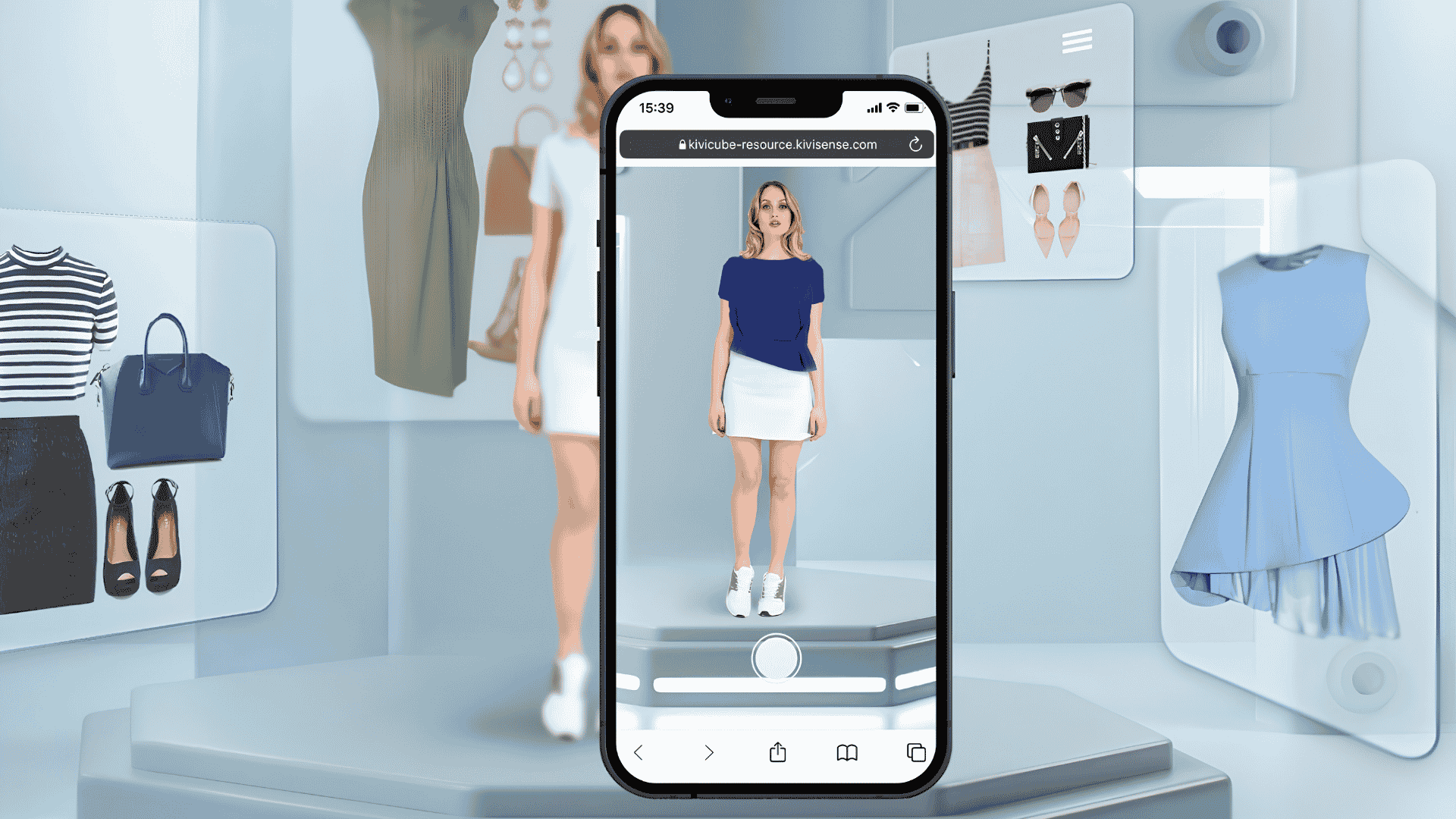
How Is Augmented Reality Used in Sports?
Curious about how AR technology is used in sports? Here are some common use cases.
Use Case 1. AR for Sports Viewing and Stadium Experiences
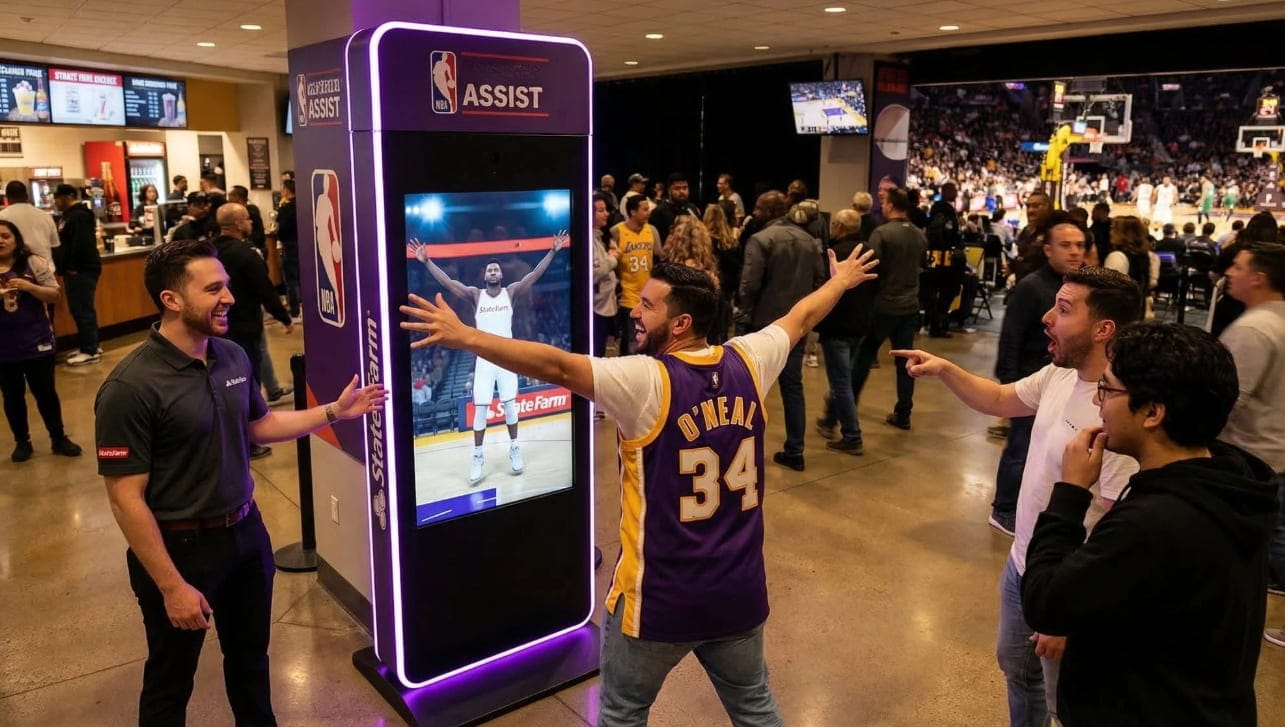
During live broadcasts, augmented reality for sports can overlay real-time player statistics, game analysis, and other visual information onto the screen, making game viewing more engaging. In stadiums, AR experiences at sporting events improve fan engagement through features such as digital stadium guides, interactive seat selection, and navigation assistance.

Use Case 2. Augmented Reality in Sports Marketing & Brand Activations
With AR posters, interactive advertisements, and promotional games, sports brands can deliver experiences that are more engaging than traditional marketing.
Use Case 3. AR Sports Merchandise & Fan Experiences
Augmented reality creates new ways for fans to interact with sports merchandise of their favorite athletes. By adding digital player information, animations, and interactive content, products like AR sports trading cards can bring static images to life. Fans can scan physical products and unlock unique experiences connected with their favorite teams or athletes.
Use Case 4. Augmented Reality for Sports Training & Performance Analysis
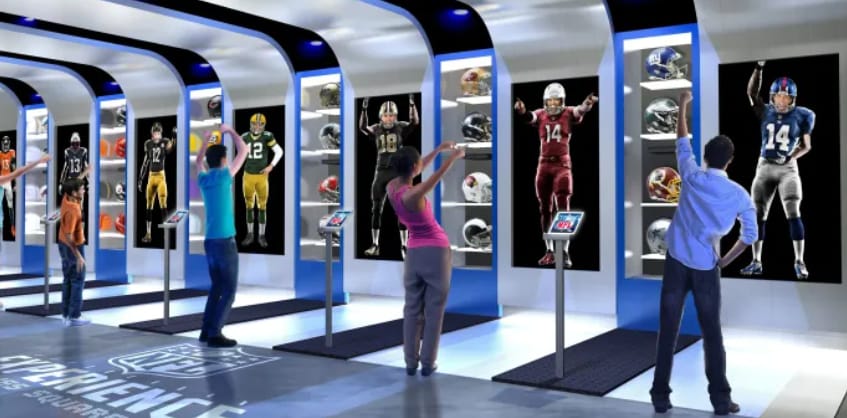
With digital guidance during practice, advanced augmented reality for sports can help athletes with performance analysis, tactical simulation, and coaching support. It also assists injury prevention by letting athletes better understand movements and training methods.
Use Case 5. AR Filters and Social Media Experiences
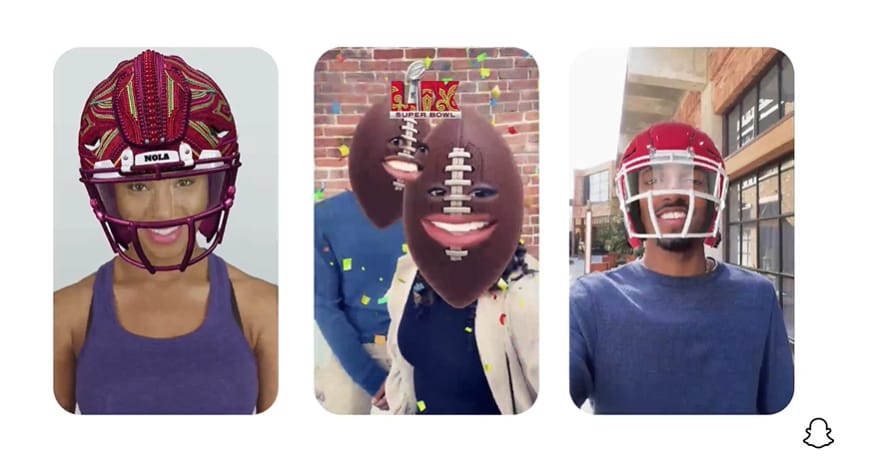
Sports brands create AR filters to engage fans on social media platforms. For example, Snapchat allows its users to interact with sports teams and athletes within the given AR lens, making them feel close to their sports idols. The shareable augmented reality sports experiences not only encourage fan participation, but also help sports brands increase visibility.
Real-World Augmented Reality Sports Examples
The combination of augmented reality and sports is becoming increasingly popular. More and more organizations, businesses, and sports teams are adopting this technology to help their fans better enjoy sports experiences. Here are some fan engagement examples of AR sports.
- INDE × Pizza Hut AR Sports Experience
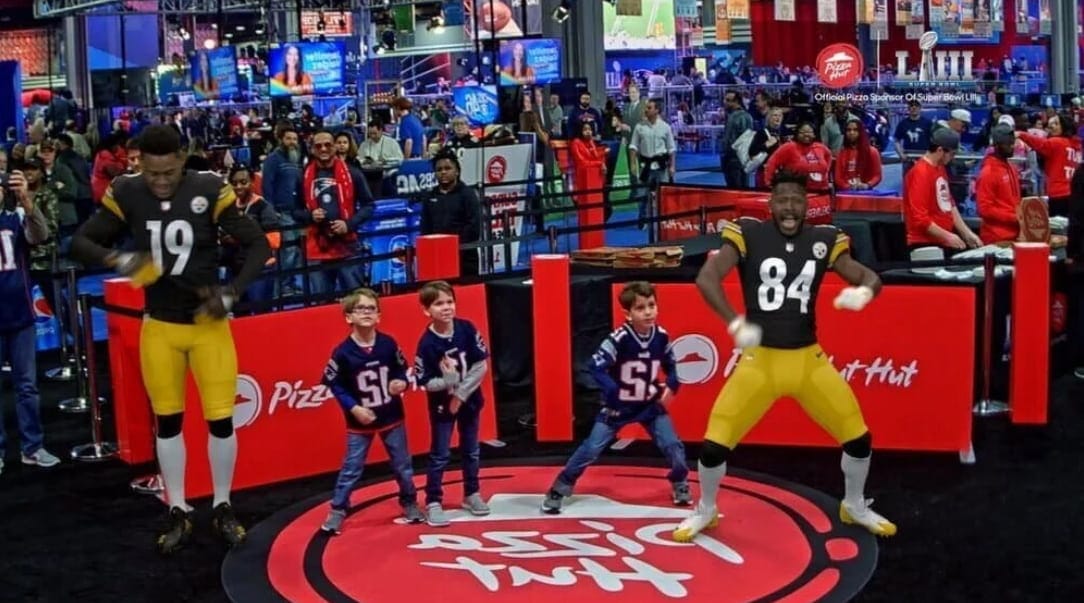
INDE designed a customizable AR experience for Pizza Hut that allows fans to dance with the superstar duo at Super Bowl LIII: Antonio Brown and JuJu Smith-Schuster. To participate in the AR sports experience, people need to stand in front of the screen, and then the superstar duo will appear next to them. Fans can choose diverse dances to perform with the stars in real time.
The AR experience has received 6000+ interactions, including email sharing, Twitter sharing, Face sharing, and direct downloads, in only 2 days.
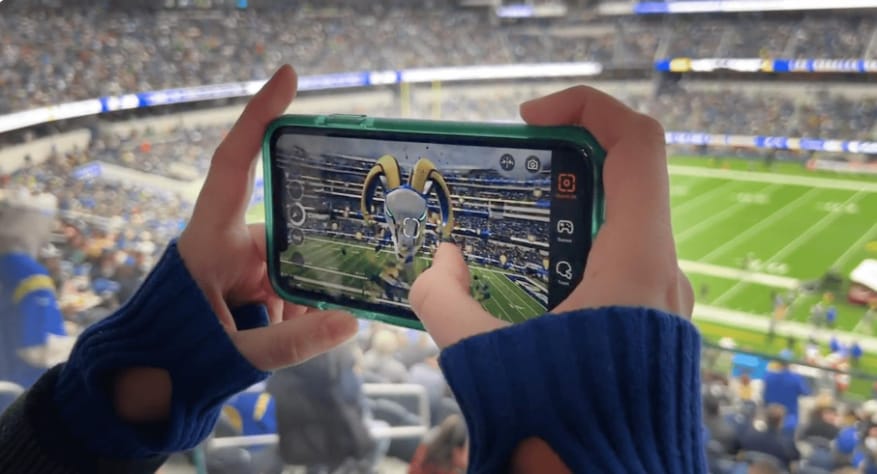
- Los Angeles Rams Stadium AR Sports Fan Experience
In partnership with an augmented reality app ARound, the Los Angeles Rams launched a fan-focused AR stadium experience. With 3D spatial computing technology, ARound can localize the content to each user inside the stadium, making all fans in the stadium interact with the same real-time 3D experience, such as Rampede and Make Noise. Besides, fans can also point their phone camera at the field and interact with other fans in the physical field.
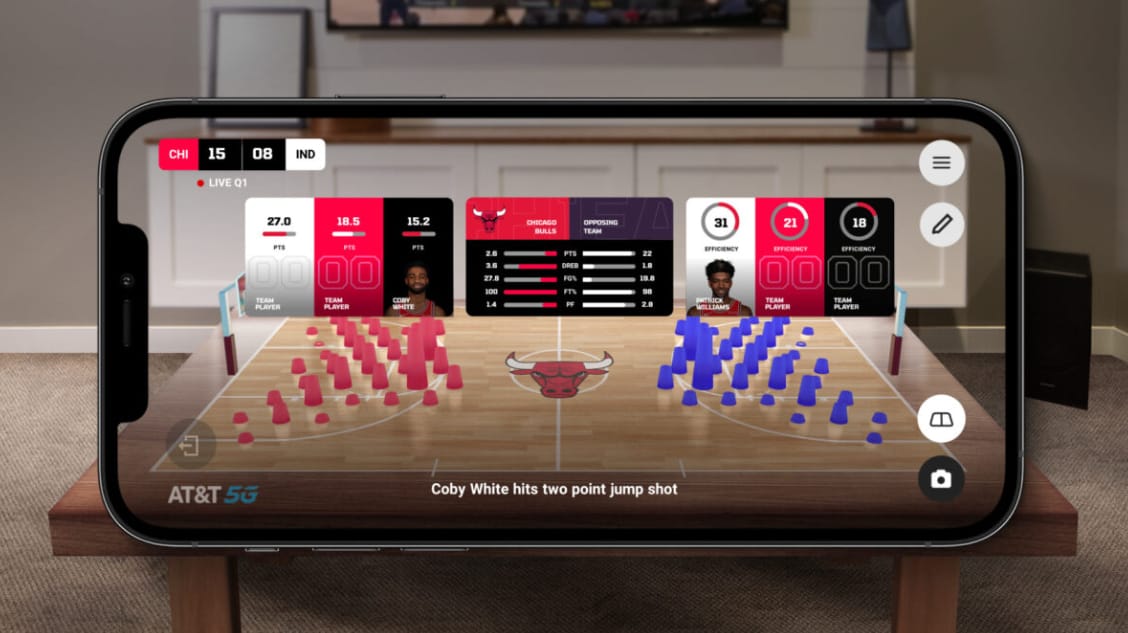
- AT&T StatsZone AR Sports Data Visualization
The interactive experience StatsZone launched by AT&T is dedicated to the fans of the Chicago Bulls. In the augmented reality sports experience, fans can select detailed information about their favorite team and players, then bring the data to life with a striking visual effect. There is also a series of celebration animations from live games or highlights in the past that can be shared online.
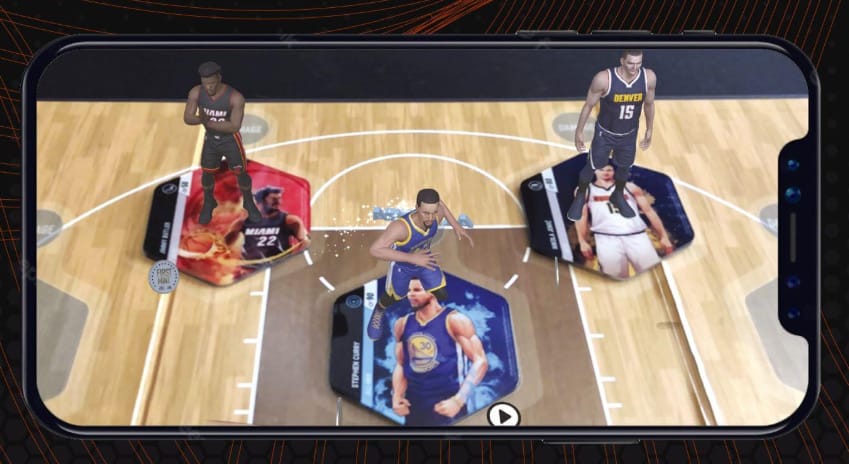
- Flex NBA AR Cards
Flex NBA AR Cards combine physical collectibles with augmented reality technology to bring professional sports to fans’ real lives. Fans can scan NBA collectible cards to unlock interactive content and watch their favorite players appear in front of them in seconds. Everyone can create their ideal dream team, including rising stars, MVPs, and more.
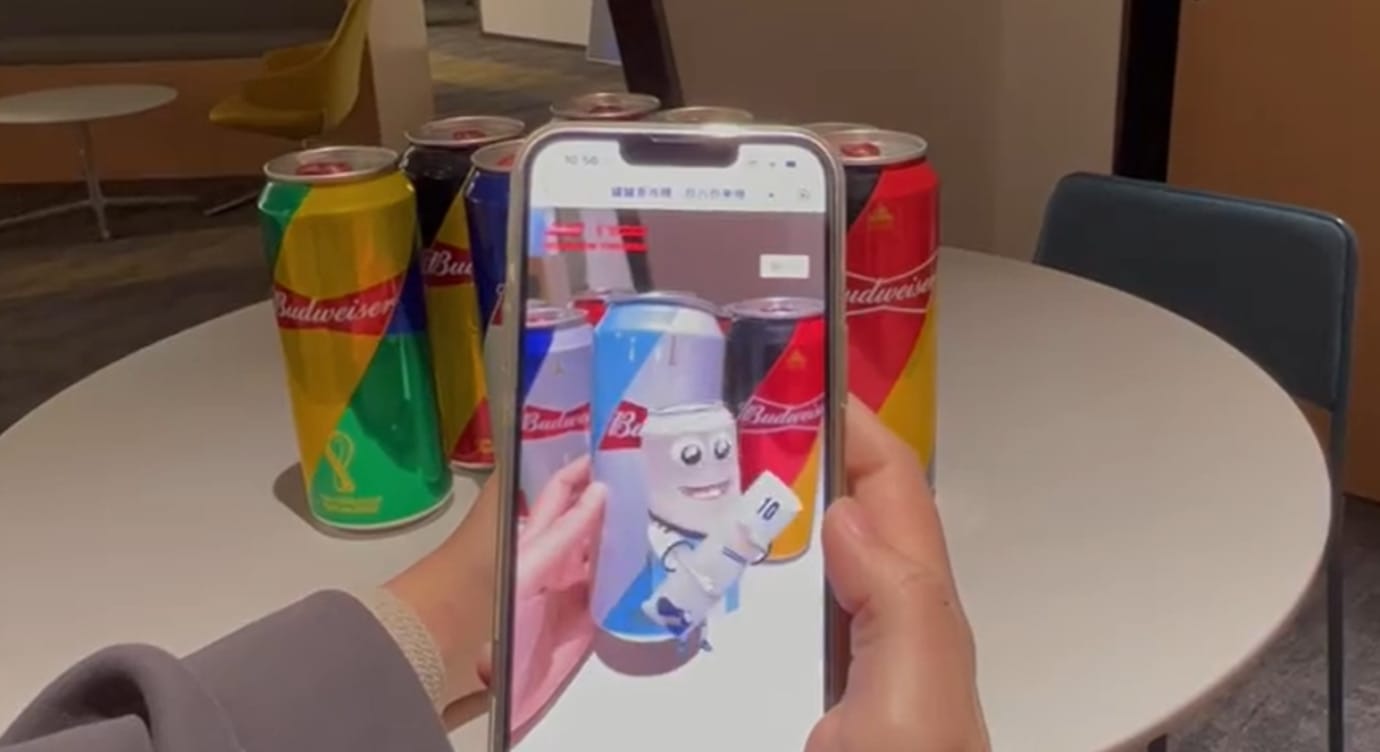
- FIFA World Cup AR Beer Experience
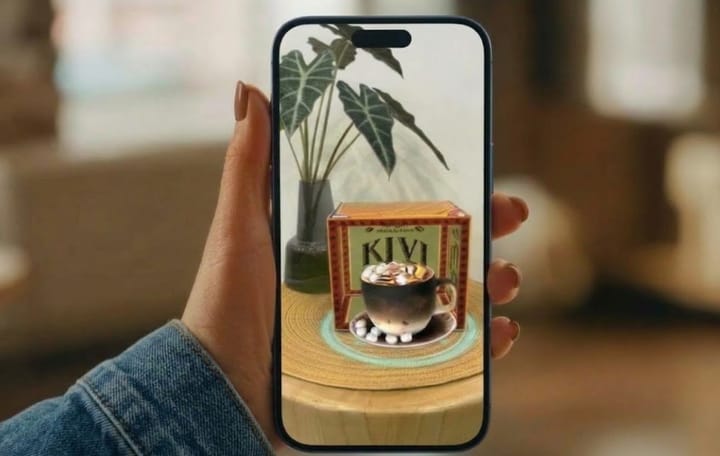
To celebrate the FIFA World Cup Qatar 2022, Kivicube launched an AR experience that lets users bring the beer product to life. Users can simply scan the specially designed can to trigger an AR experience and immerse themselves in the unique cultural charm of different countries through a blend of the virtual and the real.
- NFL x Snapchat AR Filter
To make sports fans on Snapchat connect even at home, the platform provides multiple interesting and interactive AR sports filters, such as the NFL Super Bowl LIX Lens (take photos with Super Bowl LIX helmets), NFL Live Jersey Lens (virtual try-on official jerseys), Lens Collection & AR bar, and more. So fans can celebrate their favorite teams and enhance their match-day experience, no matter where they are.
Create Your Own Augmented Reality Sports Scene without Coding
Have you ever wanted to create augmented reality experiences to boost fan engagement? If yes, you’re in the right spot. Here, we’ll show you a WebAR solution for creating a convenient and simple AR experience in sports.
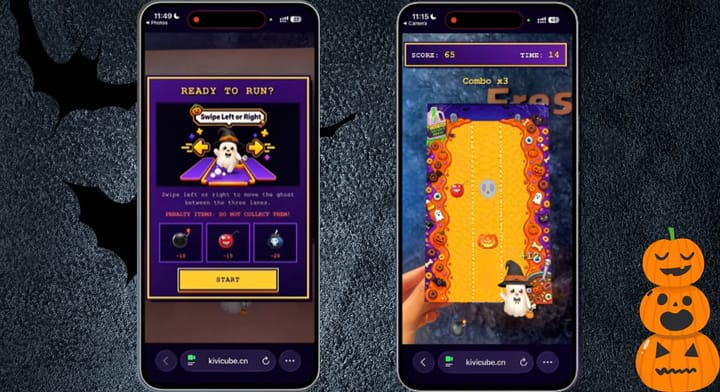
Kivicube, a professional WebAR creation platform designed for both personal creators and businesses. With a drag-and-drop editor in an intuitive interface, it allows users to create AR sports scenes in minutes. No app downloading, no complicated coding.
Main Features:
Free Access for Beginners: New users can start with two free AR scenes and access unlimited features during creation, so new users can try the AR creation without budget issues.
Ready-to-Use AR Sports Templates: There’re pre-designed AR sports templates that users can directly use for creation. Simply duplicate and replace, and they can get their own customizable AR sports scene within seconds.
AI-Assisted AR Scene Generation: The AI generators can create AI images, 3D models, and videos with just one click. The generated AI assets will be automatically saved to the library for fast use. Besides, the newly launched AI AR agent can help to generate new versions of AR projects from prompts.
Share AR Experience Anywhere: Users can share the QR codes and links of the AR sports scenes across platforms, widely promoting sports activities, teams, or athletes.
Track Performance with a Data Analytics Dashboard: The data analytics dashboard enables users to track related data in real time, such as scan, click, and conversion data. So users can know what content viewers are interested in and make more targeted adjustments for better results.
Professional AR Sports Project Support: There’s an experienced team that can fully customize AR sports scenes, ensuring you achieve the desired results without exceeding your budget.
Step-by-Step Guide to Create an AR Sports Scene
Follow the steps to create an AR sports scene with ease.
Step 1. Sign up for Kivicube, select an augmented reality sports template, and click “Duplicate” to start.
Step 2. In the grid editor, upload your assets. Then select the target assets, drag and drop the assets to replace them. You can also adjust the animations and interactions according to your needs.
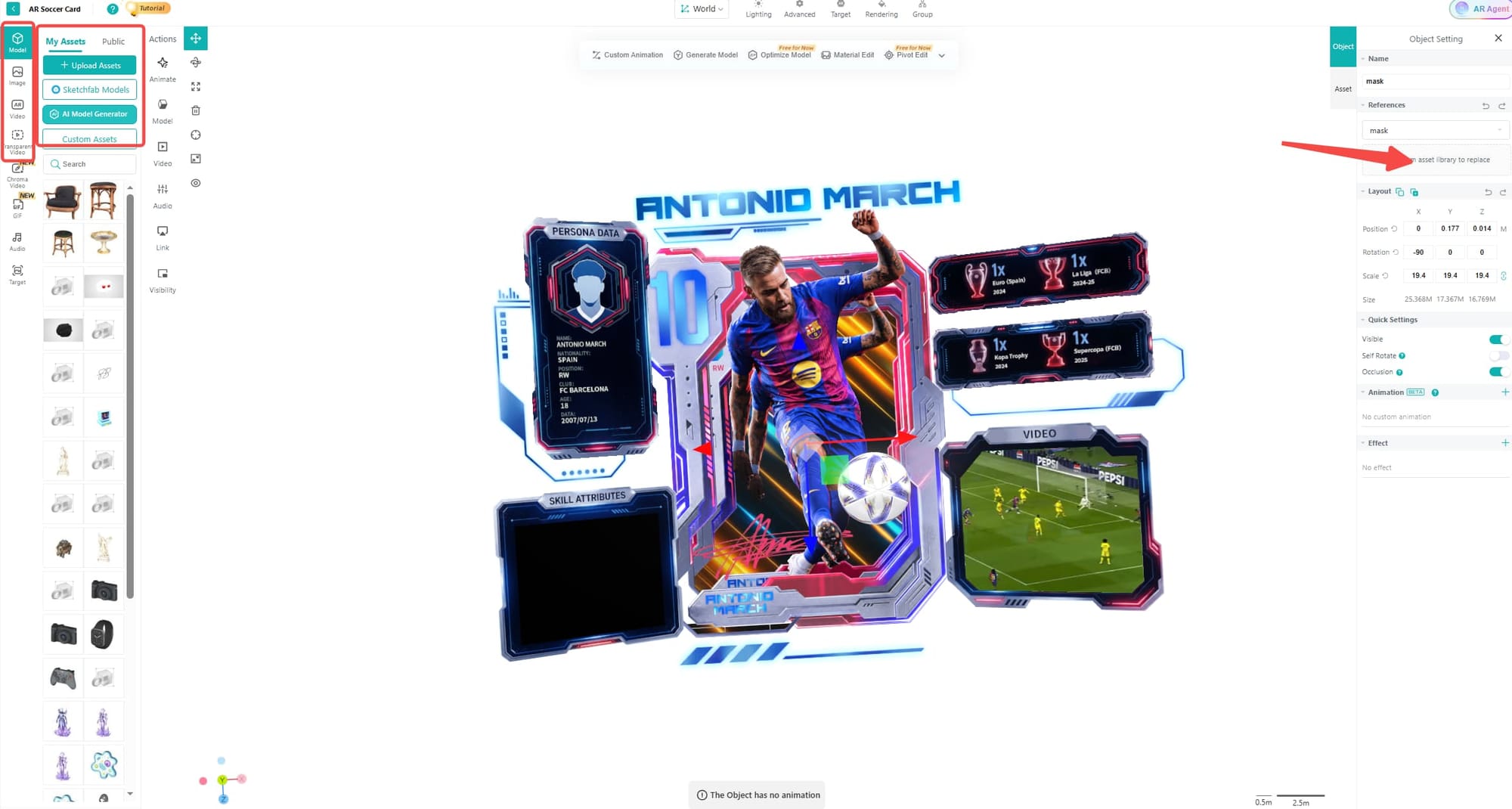
Step 3. Once everything is done, click “Save” and “Share” to get the QR code and link of the new augmented reality soccer experience.
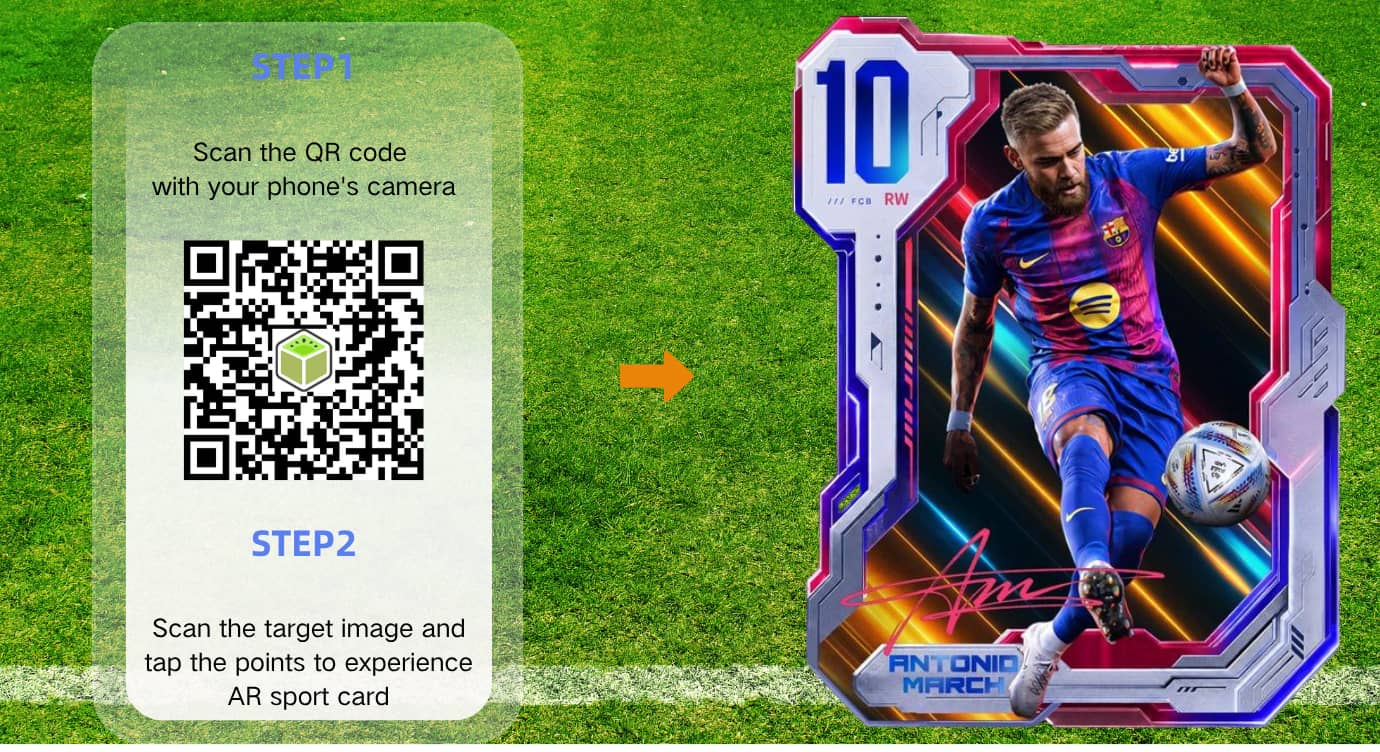
To make a customized augmented reality sports project, you can contact our professional team.
FAQs about Augmented Reality Sports
Q: What are AR stats?
AR stats are real-time sports statistics displayed through augmented reality technology. They overlay digital information, such as player performance data, game analysis, and match updates, onto the viewing experience.
Q: How do athletes and coaches use AR?
Athletes and coaches can use augmented reality sports technology to improve training and performance analysis. It can provide digital guidance during practice, support tactical simulation, and help coaches analyze player movements.
Q: Will augmented reality change the future of sports?
AR can create more interactive fan experiences, improve sports training, and provide new opportunities for sports brands and teams. As AR sports technology continues to develop, more sports organizations will adopt it to enhance engagement and create new ways to connect with audiences.
Final Words
Using augmented reality for sports helps build the connection between fans and sports events, helping fans enjoy more interactive experiences. No matter whether you are a personal user, an organization, or a sports business, you can create dedicated AR sports experiences for different purposes with WebAR platforms like Kivicube. Start creating your own AR sports experience today.