17 Augmented Reality Applications Across Industries in 2026
In this post, explore the 17 augmented reality applications across different industries and find a WebAR platform for high-quality AR creation.
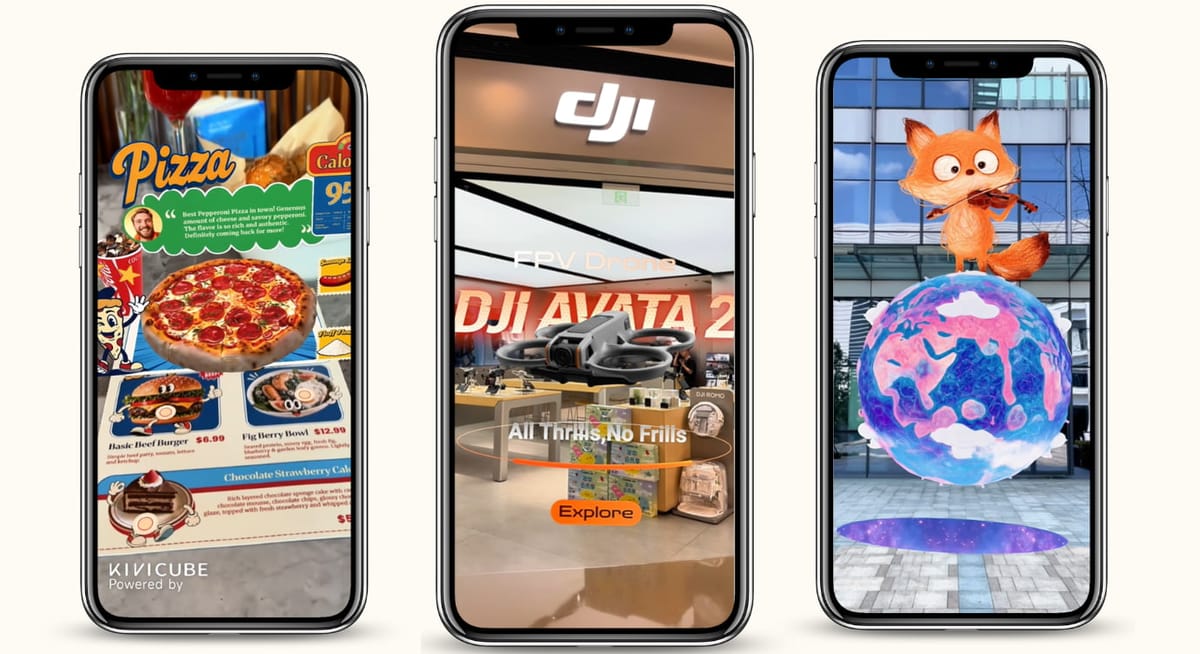
Unlike virtual reality, which immerses users in a fully digital environment, augmented reality overlays digital content onto the physical world. This makes AR particularly useful for applications where users need to interact with digital information while staying connected to their surroundings.
In this post, we'll explore real-world augmented reality applications and how businesses and organizations are using AR across different industries.
What Is Augmented Reality?
Augmented reality is an advanced technology that overlays digital content, such as 3D models, graphics, text, and animations, onto the real world. It can guide users, showcase products, visualize complex concepts, support hands-free workflows, and create interactive customer experiences. These capabilities make augmented reality useful across a wide range of industries.
17 Real-World Augmented Reality Applications in Multiple Industries
Let’s explore 17 real-world augmented reality applications across different industries.
1. AR Retail & Ecommerce
AR allows customers to preview products before making a purchase. Customers can virtually try on clothing and jewelry or visualize furniture in their homes.
According to the research published in ScienceDirect, AR technology can help enhance immersion and pleasure compared to conventional web-based product presentation methods.
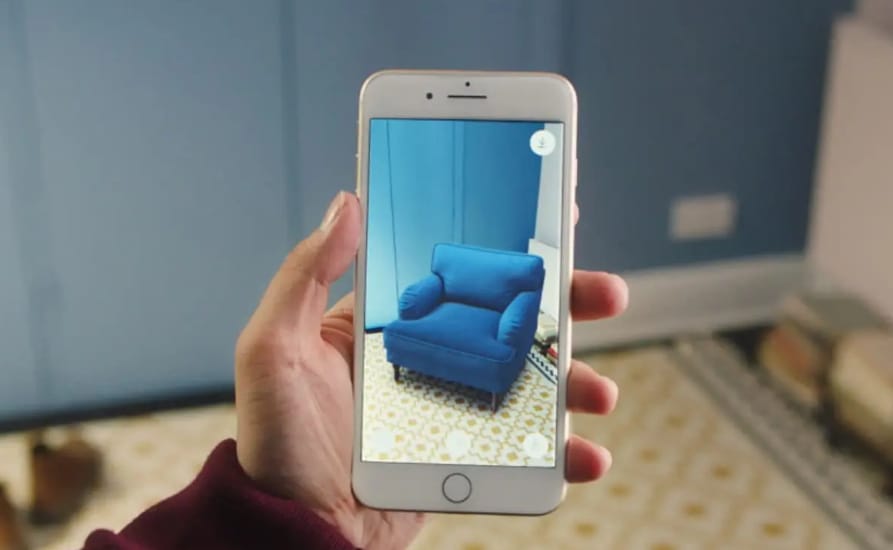
For example, IKEA launched the IKEA Place app in fall 2017, enabling customers to directly view 2000+ furniture products using their phones and check whether they are suitable for their homes.
As a practical AR app, this augmented reality retail application makes it easier for customers to visualize how furniture will look and fit in their homes.
Apart from virtual furniture placement and clothes try-on, there are other applications in retail and e-commerce, such as in-store AR experiences.
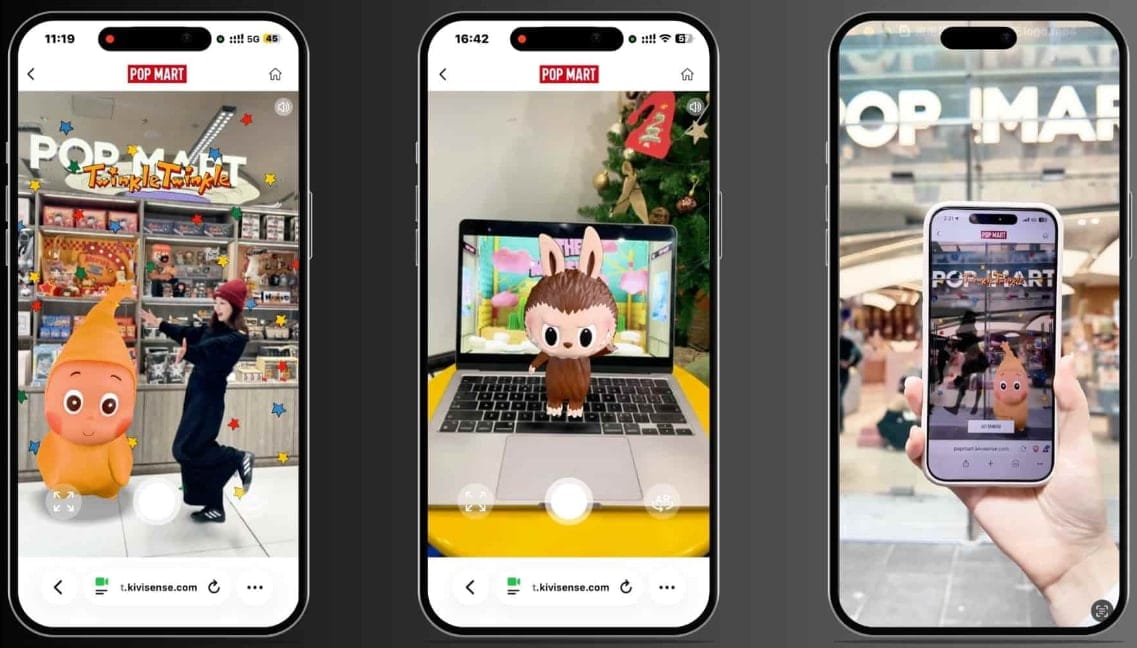
POP MART's Australian flagship store introduced a storewide AR experience created by Kivicube, where visitors can interact with featured characters, including Labubu, Molly, and Starman, through an in-store treasure hunt and interactive face filters.
2. AR Marketing & Advertising
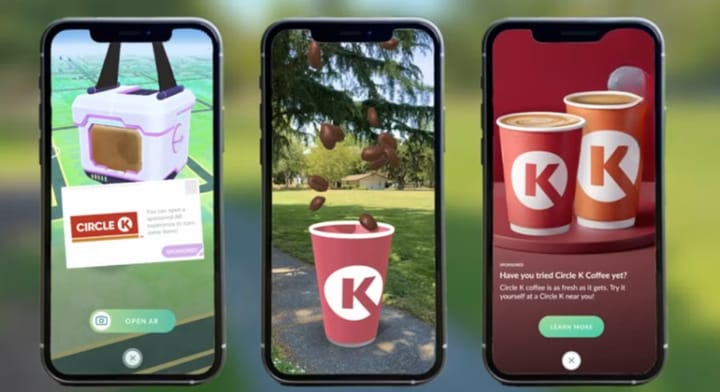
Since AR can turn passive ad viewing into an interactive experience, more brands are using AR campaigns to enhance user engagement, support conversions, and build customer loyalty.
Marketing Letters has researched how AR advertising is capable of producing more physiological reactions and greater willingness to pay compared to print advertising.
Some brands are changing the way they advertise through interactive AR experiences. To spread their brand message “Live For Now”, Pepsi Max created an interactive outdoor AR campaign: Pepsi MAX “Unbelievable” AR Bus Shelter.
The campaign transformed the bus shelter screen into a virtual window, blending the real-world street scene with 2D and 3D digital effects, such as a huge laser-shooting robot and a blazing asteroid hurtling towards the bus.
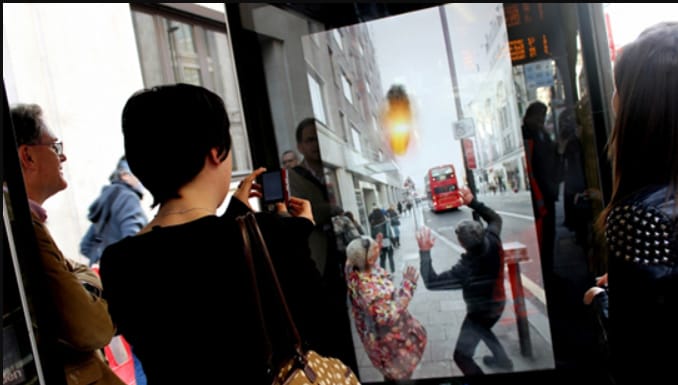
The campaign has received more than 8 million YouTube views.
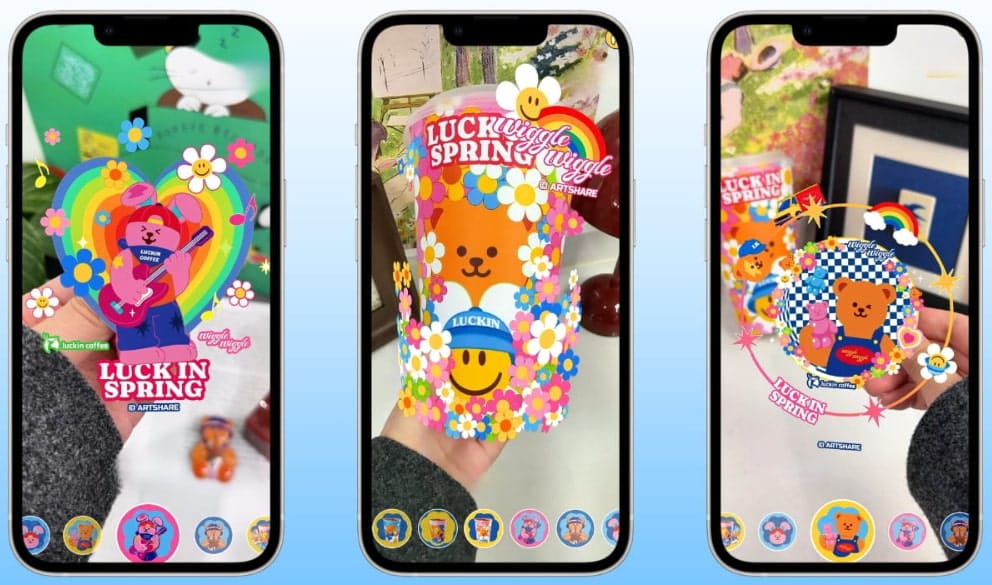
The AR packaging also works well in online marketing. Luckin Coffee launched a co-branded AR packaging campaign with Wiggle Wiggle, with the AR experience created by Kivicube. Users can scan the coffee cups and the related merchandise (badges and mirrors) to unlock the AR effects.
Explore more AR marketing ideas:
 Leonie
3. AR Education
Augmented reality educational applications also work well. Augmented reality can make traditional learning materials more engaging by adding animated 3D models and interactive visual effects. This can turn students from passive learners into active participants in the learning process.
A meta-analysis of 134 experimental and quasi-experimental studies in ScienceDirect showed that AR is beneficial for students in all outcomes, especially in their performance.
Google Expeditions AR was one of the applications that introduced 3D digital content to the classroom, where students were able to interact with 3D digital objects within their environment.
The teachers were able to teach students about various topics, including science, history, and geography, using interactive 3D models through the application.
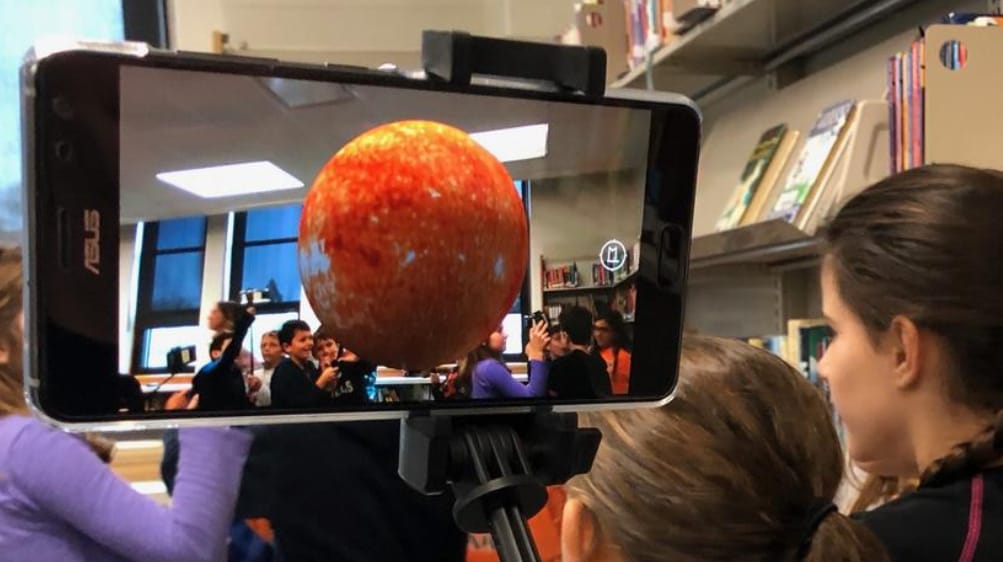
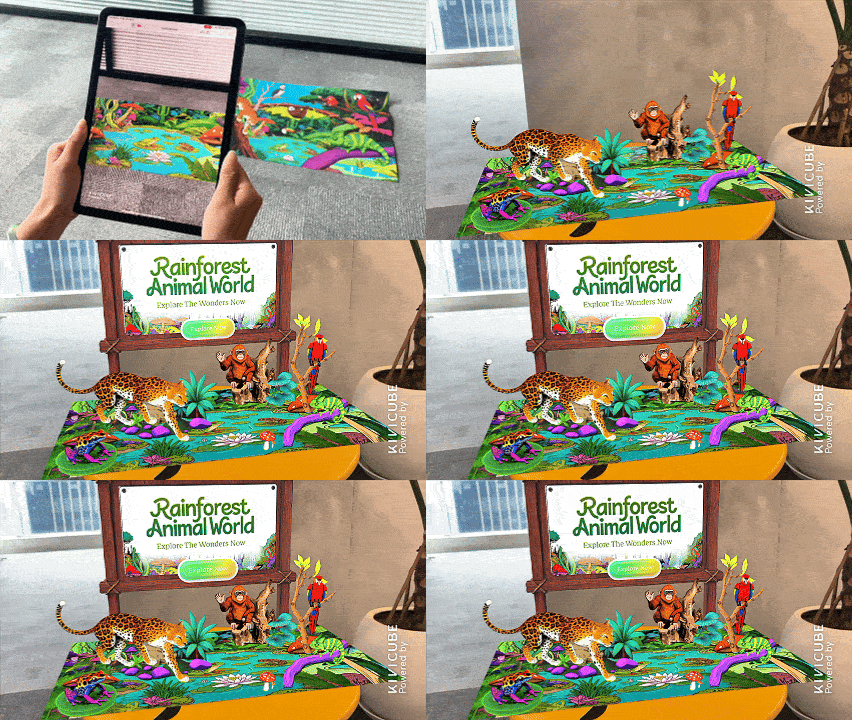
Interactive AR books are also widely used for improving students’ engagement. Kivicube has created multiple AR books to convert traditional book reading into interactive AR experiences.
4. AR for Fashion
AR is also transforming the fashion industry through interactive experiences. From product visualization to branded campaigns, AR can support a wide range of applications in fashion.
Virtual try-on experiences allow consumers to see how clothing, shoes, accessories, and makeup may look on them without physically trying them on.
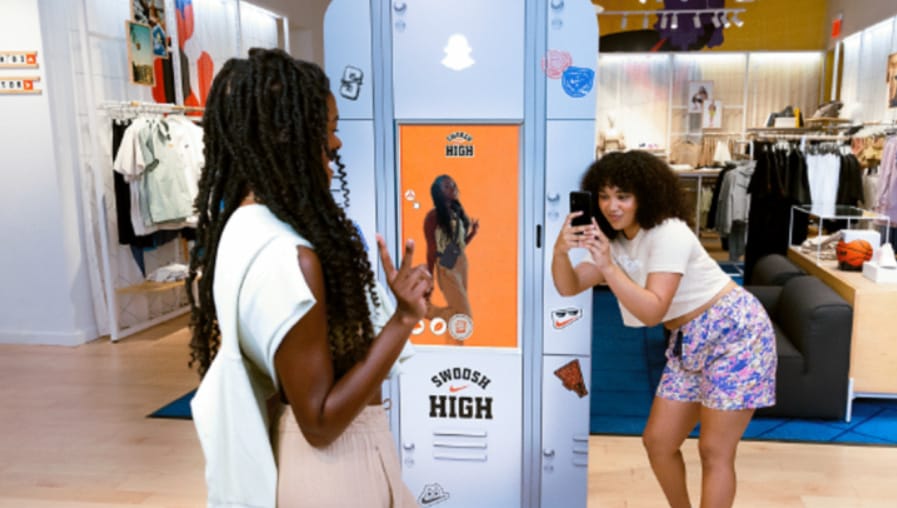
Nike × Snapchat AR Mirror allows shoppers to engage with the brand and visualize products through digital overlays. Rather than looking at products on shelves, shoppers can interact with 3D products even when they are not in the physical store.
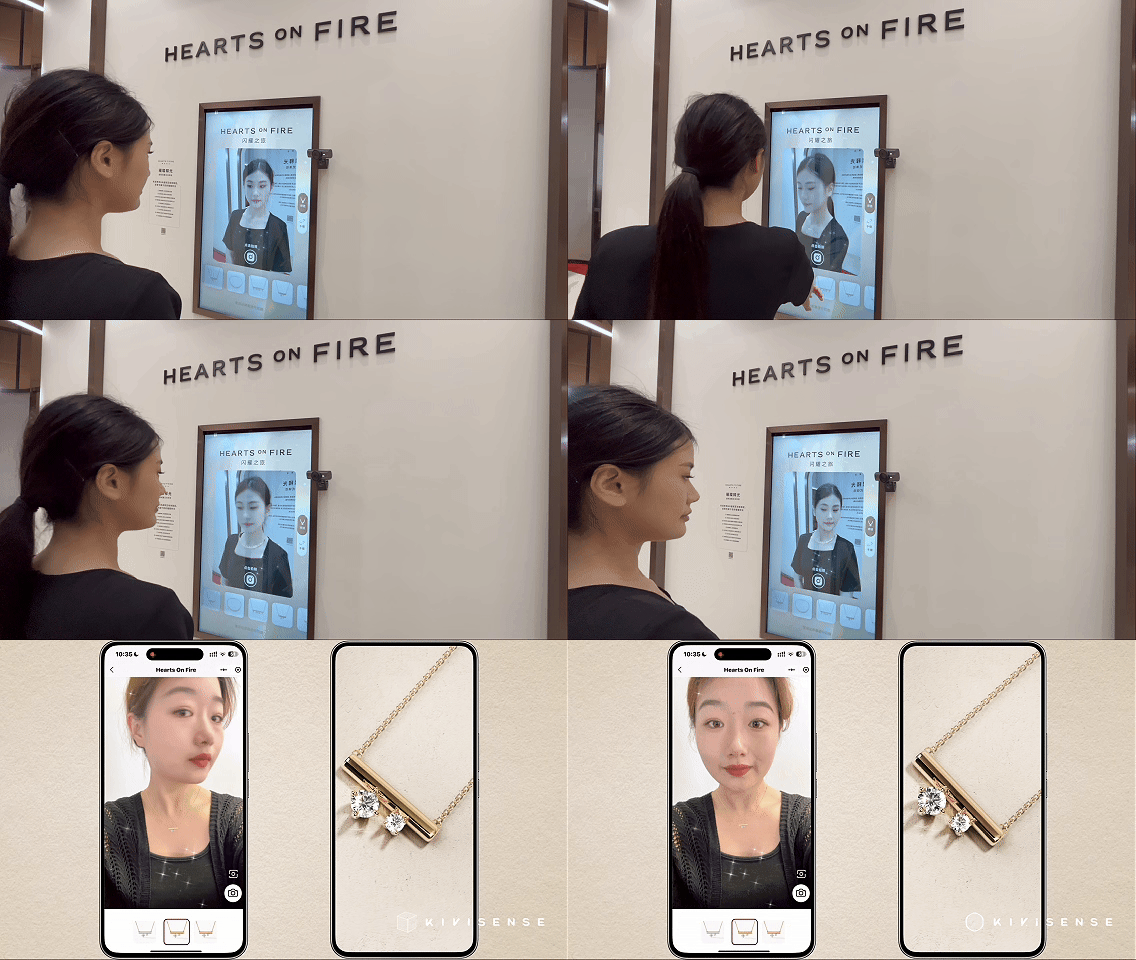
Working with brands like Hearts on Fire, Kivicube shows how WebAR can be used for AR jewelry try-on experiences without downloading an app.
5. AR in Art
For art lovers, the experience of viewing and interacting with an artwork can be just as important as the artwork itself. That's why AR is increasingly being used in the art industry to transform static artworks into interactive digital experiences.
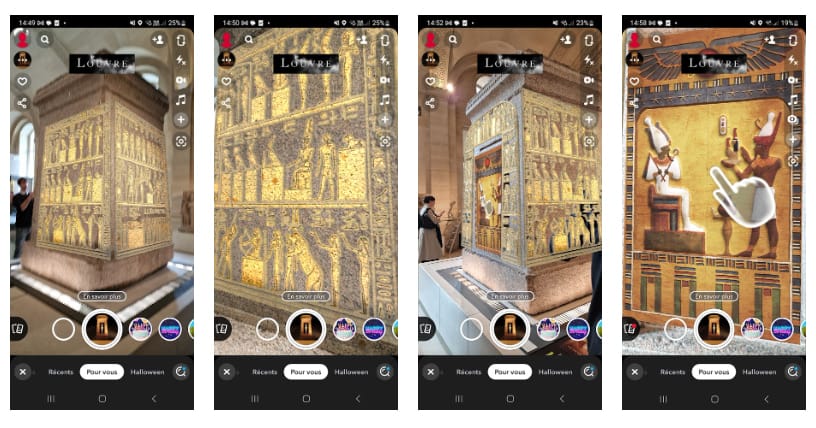
The Louvre partnered with Snapchat to bring 6 artworks to life with AR technology. Tourists can use the Snapchat lens to have animated and interactive versions of the selected works from the Ministry of Antiquities of Egypt, such as Cour Carrée and the Osiris statue.
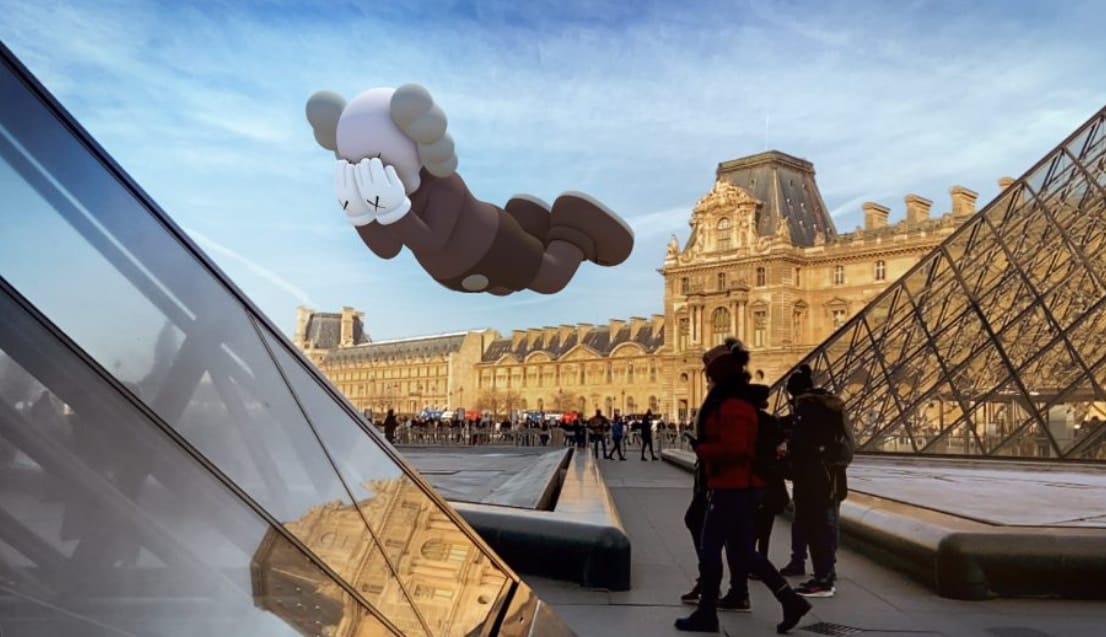
Working with Acute Art, KAWS brings his famous COMPANION character to life by allowing people to place it in the real world.
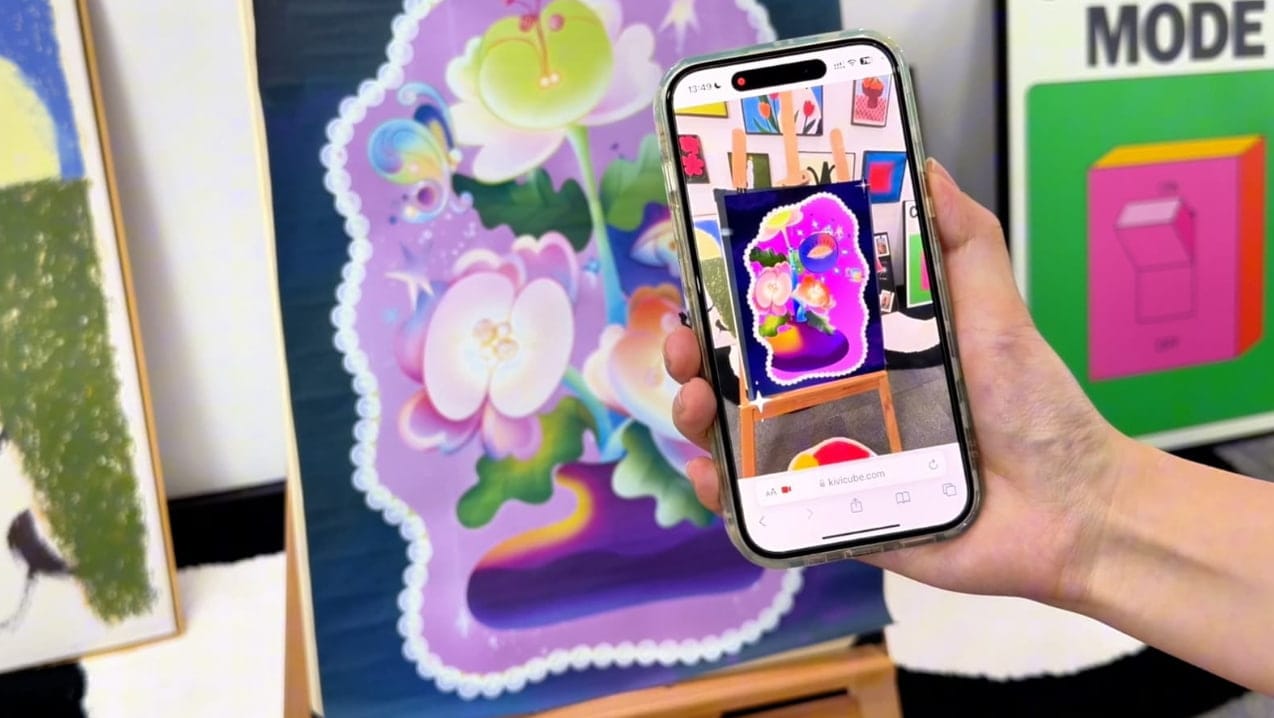
AR can also turn static artwork into interactive digital experiences. The Crystal in Bloom artwork from Kivicube shows that creators can add animated visual elements to physical artwork for a more immersive experience.
6. AR for News & Publishing
Another application of AR offers a new way to make printed material extremely interactive for newspapers, magazines, and publishers. By scanning any page or magazine cover with a smartphone, users can unlock videos, animations, 3D models, or extra information on the story that is not told on the printed page.
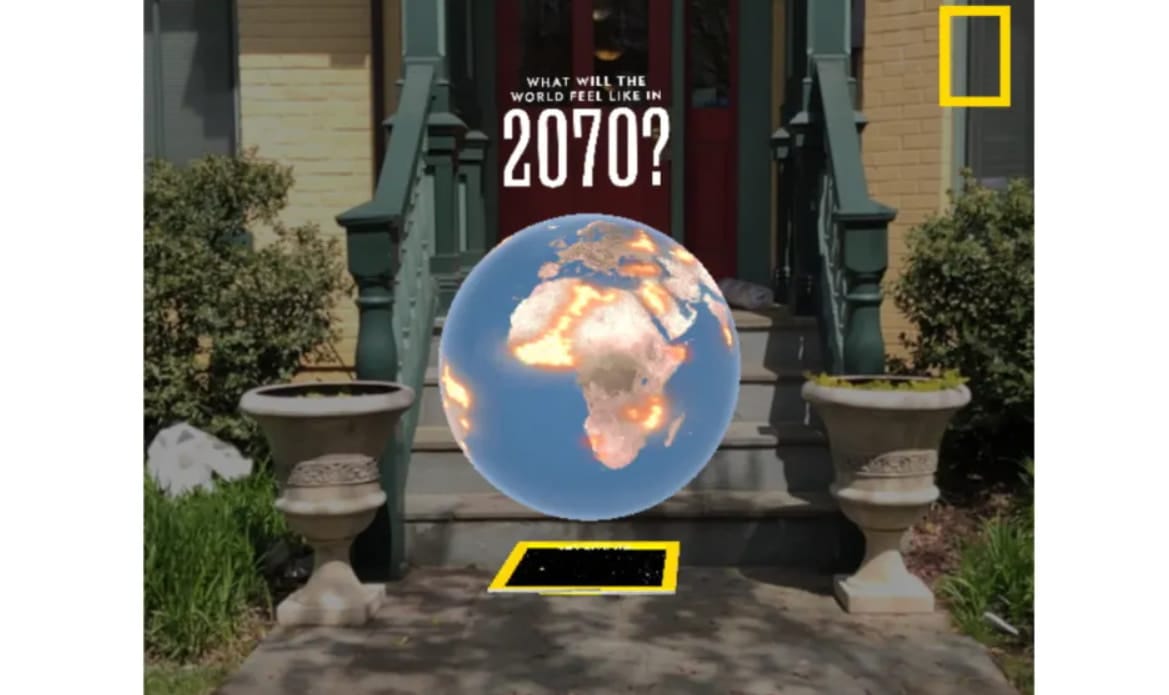
An example of AR being used outside the traditional use of the medium was seen in National Geographic. On Earth Day 2020, National Geographic incorporated AR into their content for the day by creating an AR experience on Instagram. Users can interact with digital content related to the environment and Earth Day directly using their phones.
Curious about how to create an augmented reality magazine cover, you can learn to make one in detail:
Leonie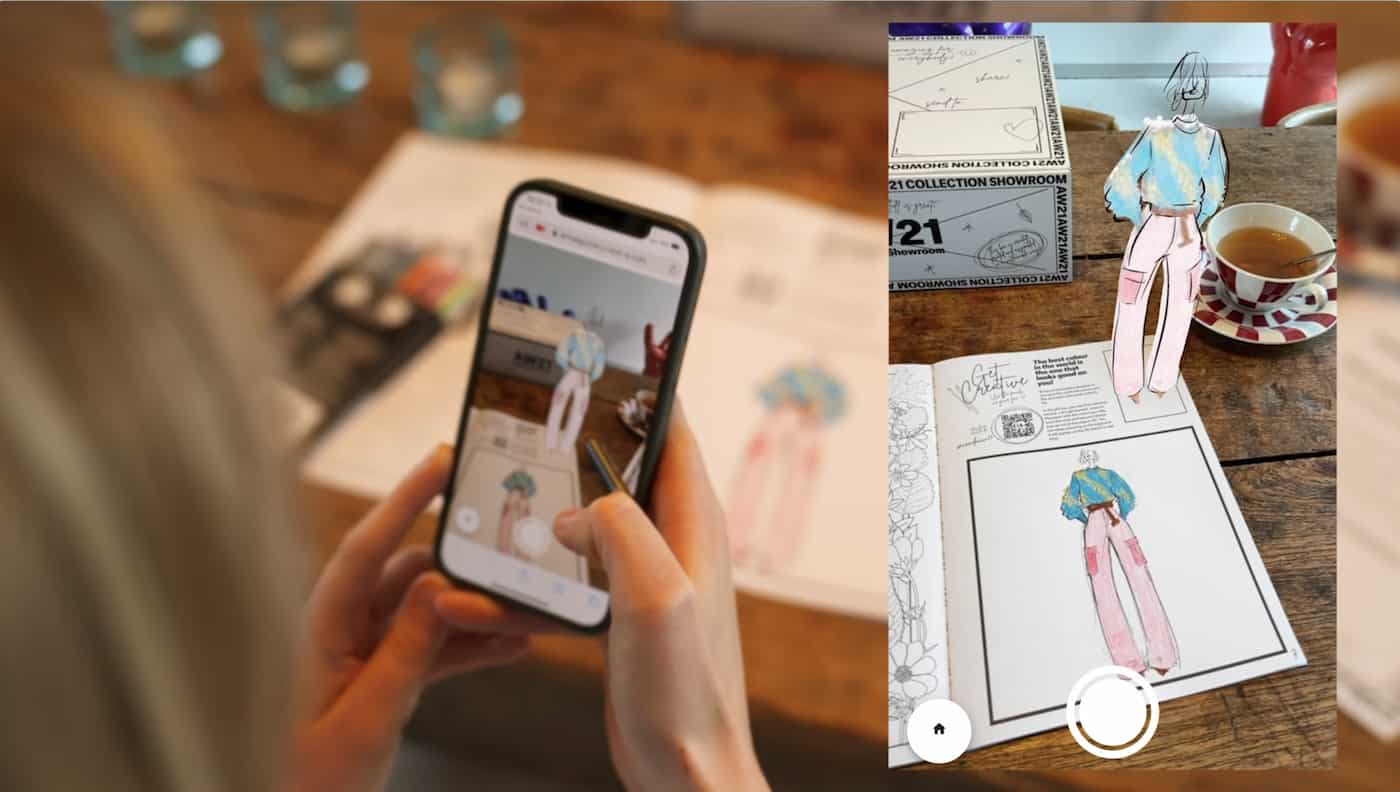
7. AR Sports
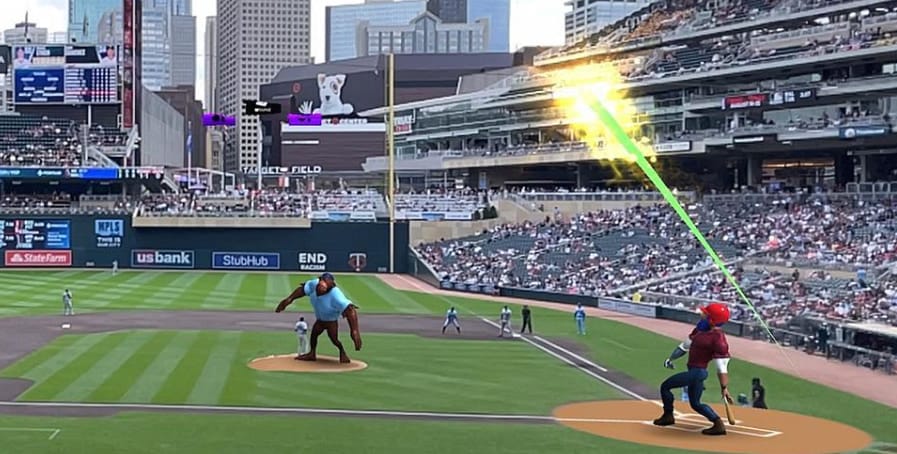
Some sports brands and companies have started integrating AR into their activities. Real-time stats, player data, video replays, and digital content are some of the features that AR technology introduces into live events, allowing fans to access statistics, replays, and other digital content while staying engaged with the live event.
The Minneapolis Twins have developed an AR experience at Target Field with ARound. In the AR experience, fans can access the digital content by using their mobile phones during the live games.
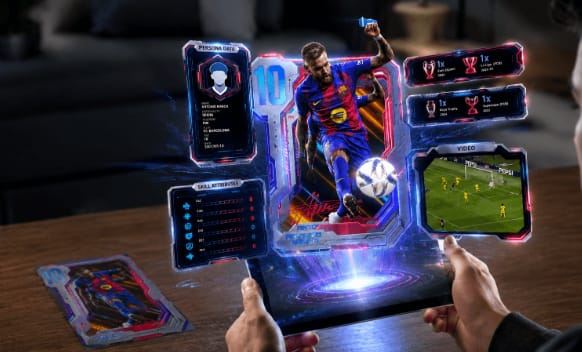
Other sports-related AR experiences, such as AR football cards and tickets, are created to deepen connections between fans and sports stars.
8. AR Gaming
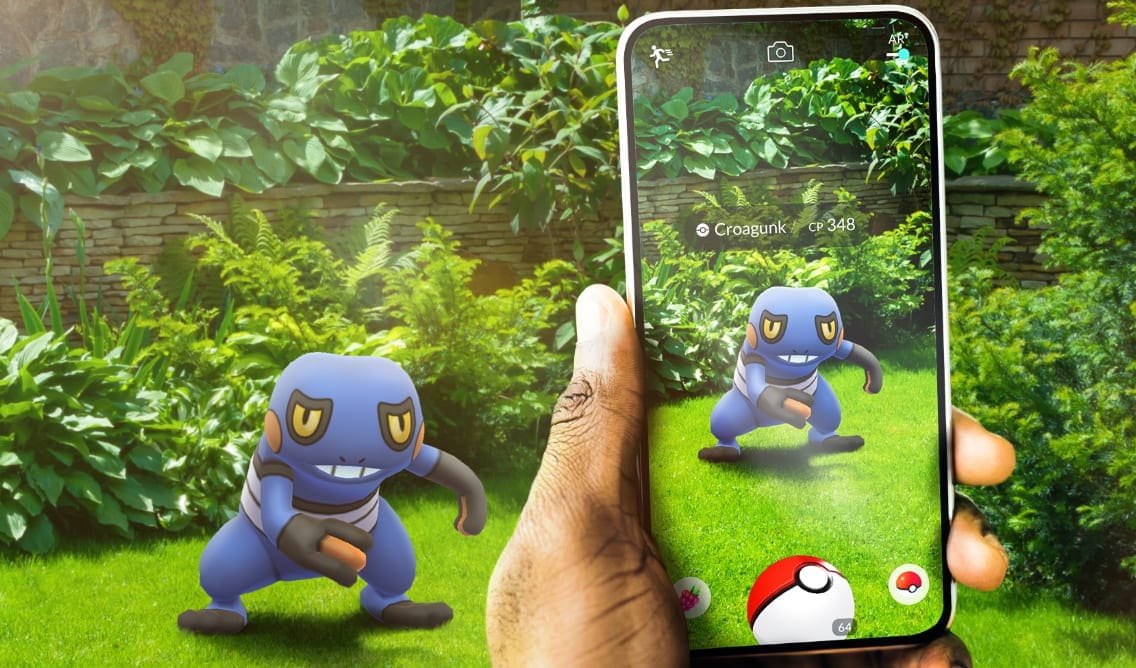
AR games enable players to encounter digital characters in the real world. This augmented reality application is now popular for both individual play and business use.
Pokémon GO is one of the most successful examples of AR gaming. Created by Niantic, the game enables players to put their Pokémon in the real-life environment by using their phone cameras. Players explore their surroundings to find and catch virtual creatures.
9. AR for Entertainment
Entertainment also benefits from the application of augmented reality. Whether used in movies, concerts, social media filters, or live experiences, AR can make entertainment more interactive and engaging.
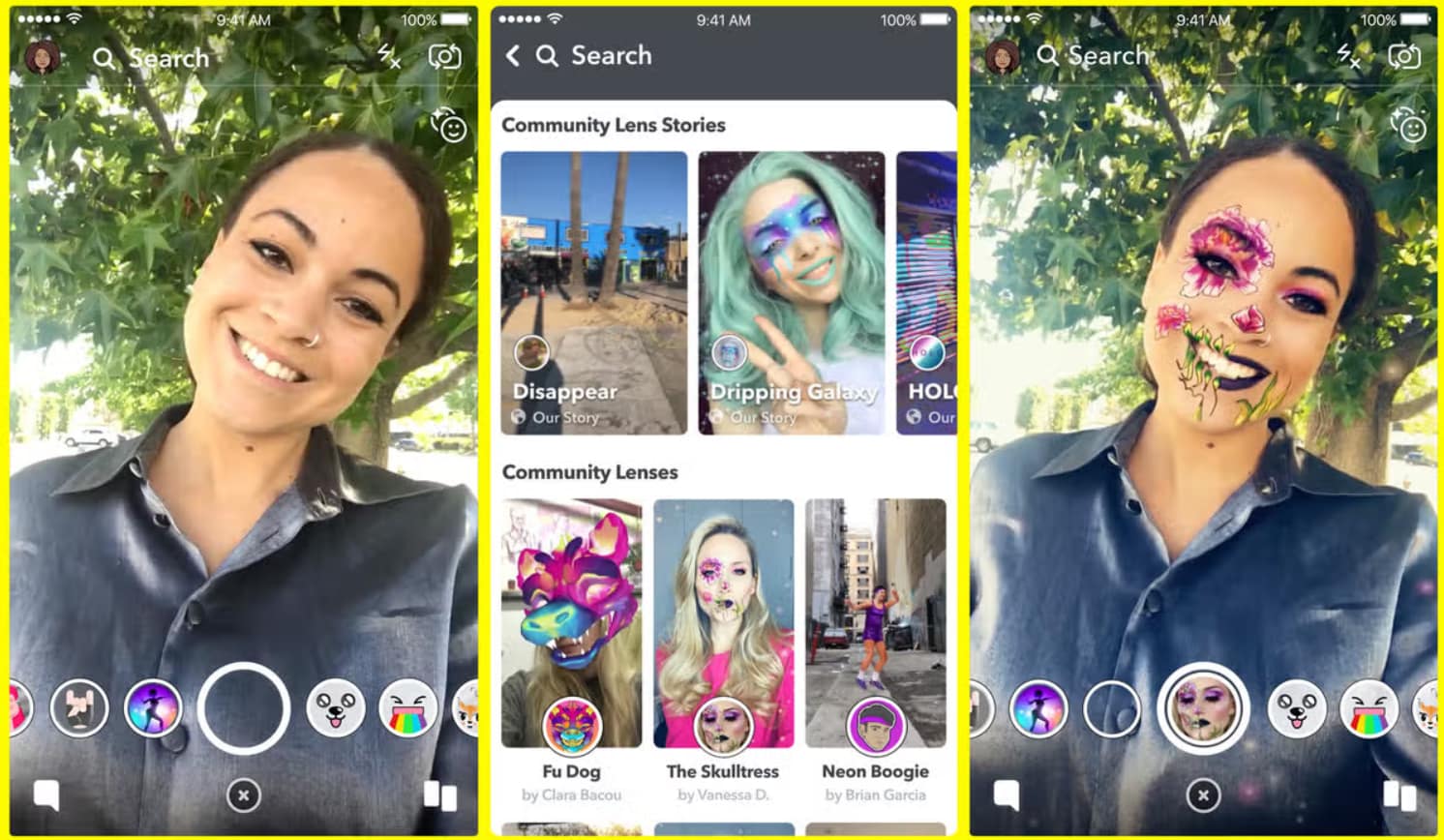
Snapchat AR Lenses enable users to apply virtual masks, effects, and other digital elements to their faces in real time. Users can try different lenses, capture photos and videos, and then share their creations with friends.
10. AR in Hospitality & Tourism
From navigation to historical reconstruction, augmented reality mobile applications in hospitality and tourism provide people with memorable and immersive travel experiences.
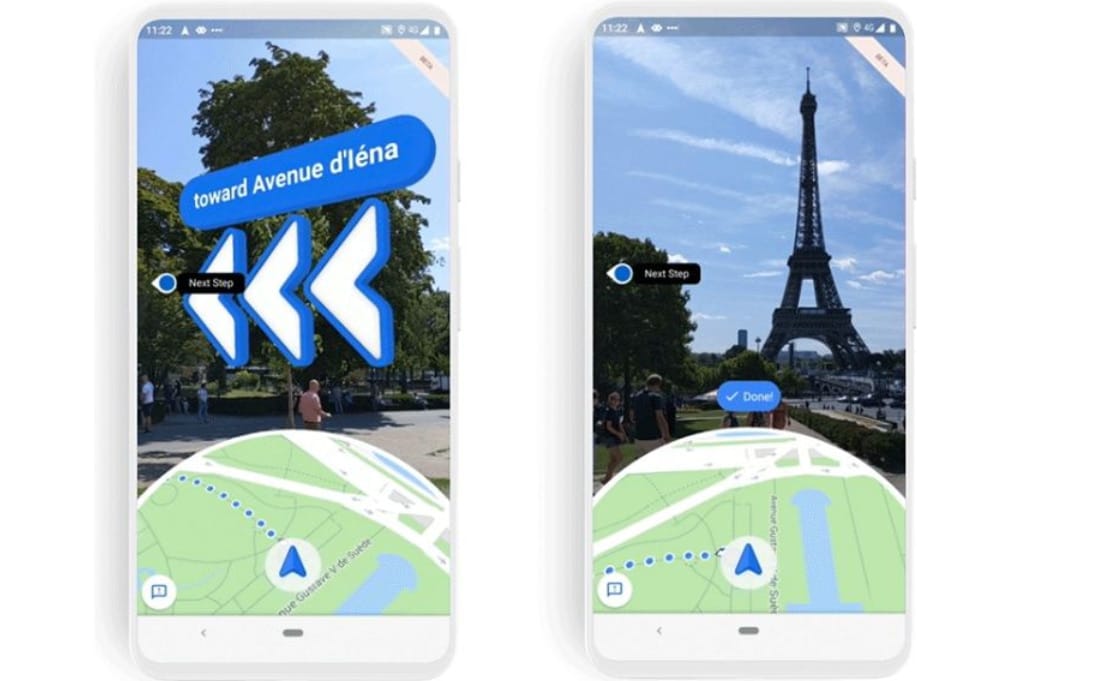
Live View on Google Maps incorporates AR to provide walking directions using the camera on users' phones. Direction pointers appear within the user’s surroundings, helping travelers know where to walk and when to turn.
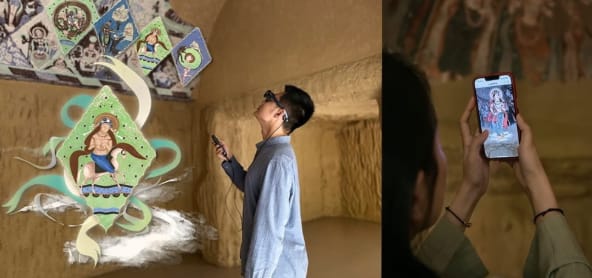
AR technology can help people to explore culturally significant sites by restoring historical objects or scenes that are no longer visible.
For instance, the Kucha Grottoes AR experience by Kivicube offers virtual restorations alongside the actual site for better historical understanding.
11. AR for Manufacturing
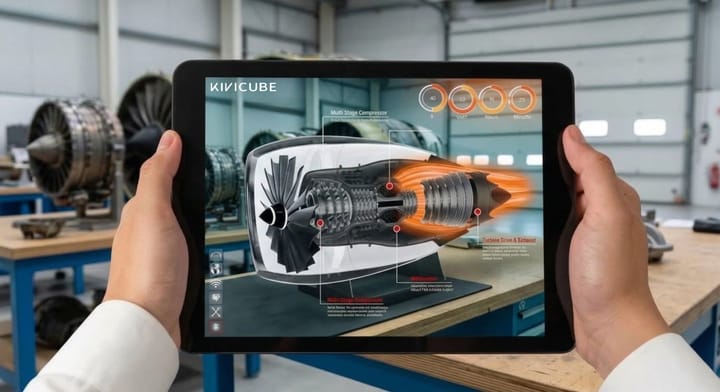
AR applications in manufacturing can improve productivity, accuracy, and workforce efficiency by providing digital technical information.
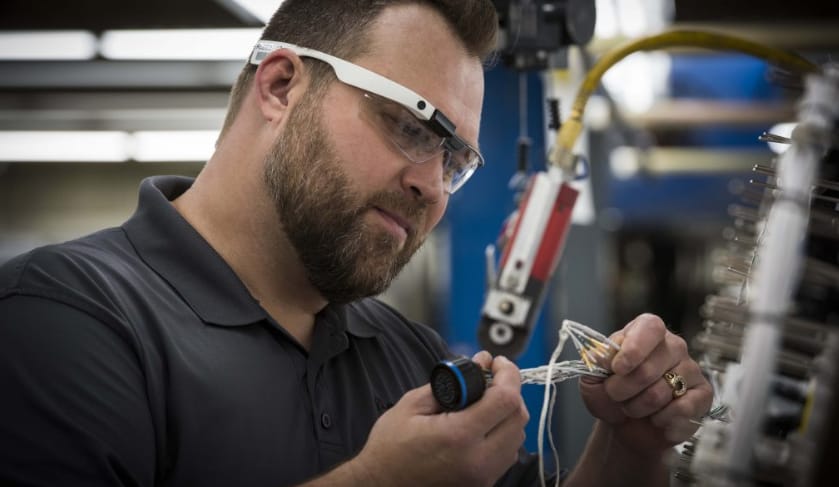
Devices like AR glasses can overlay schematics, assembly steps, and checklists directly onto physical equipment, reducing the need to switch between physical equipment and paper manuals or computer screens.
Boeing has used AR to assist technicians with aircraft wiring, replacing lengthy paper diagrams with digital wiring instructions displayed in their field of view.
12. AR for Healthcare
AR can make complex medical information easier to understand while helping clinicians keep their attention focused on patients.
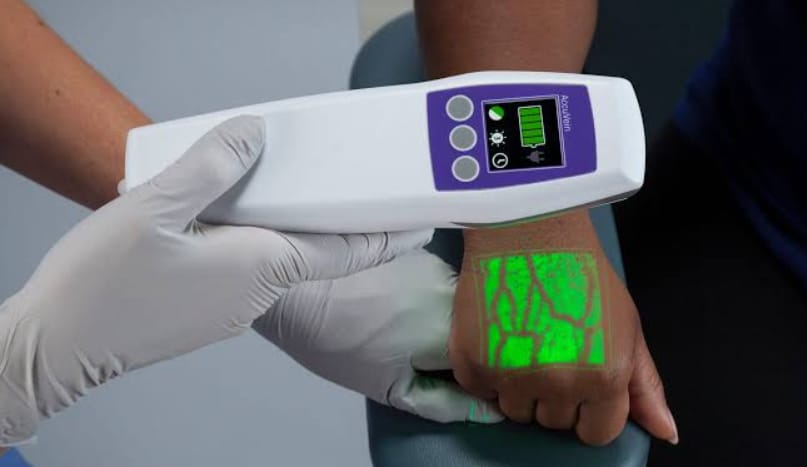
AccuVein is an AR medical application that uses near-infrared light to detect veins under the skin and visualize them on the patient's skin. According to AccuVein, more than 50 million procedures have been performed using the device.
13. AR for Logistics
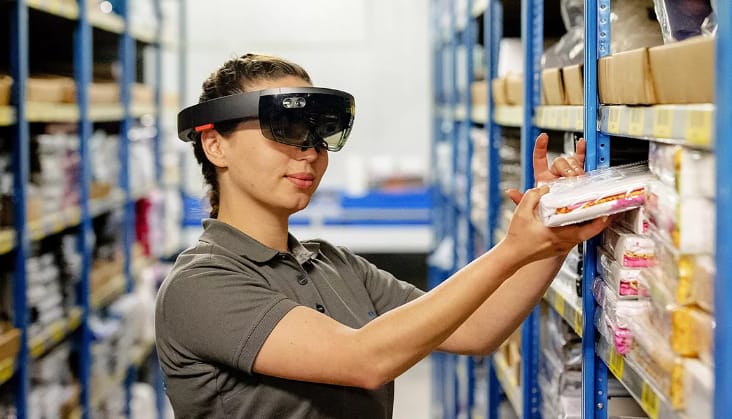
Augmented reality applications in warehouse management can simplify warehouse operations by providing workers with hands-free and real-time guidance. Smart glasses can display product locations, quantities, picking instructions, and optimized routes directly in a worker’s field of view.
DHL Supply Chain partnered with Ubimax and Ricoh to test AR-powered “vision picking” in a warehouse in the Netherlands. Smart glasses displayed aisle numbers, product location, and quantity information while workers picked orders hands-free.
14. AR for Remote Collaboration
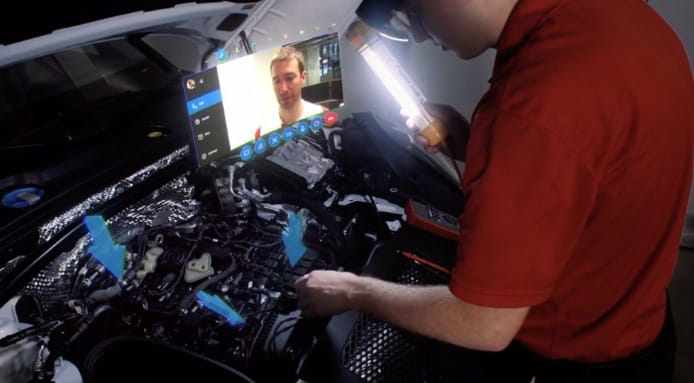
AR is enabling experts to see what field workers see and provide real-time instructions. AR-enabled devices can transmit live video streams, display annotations, and offer hands-free instructions to help troubleshoot problems, conduct inspections, and complete complex tasks without the need for experts to travel.
Porsche uses AR-enabled smart glasses to connect technicians at dealerships with remote experts. Through the Tech Live Look system, technicians can share a live view of a vehicle while remote specialists provide visual guidance and technical support.
15. Real-Time Language Translation
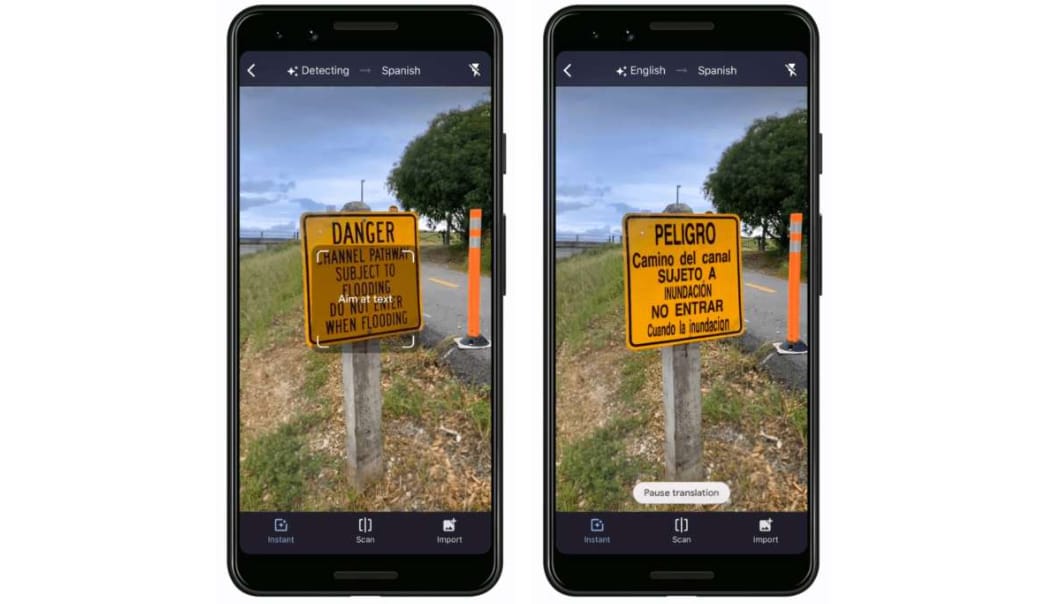
Augmented reality translation enables individuals to comprehend foreign languages without switching applications or manually typing the text. Camera-based translation translates the words and overlays them over signs, menus, and other texts in the real world, making it handy for travelers, international customers, and multilingual communication.
Google Translate's camera translation feature lets users point their phones at foreign-language text and view the translated text over the original image.
16. AR for Architecture & Design
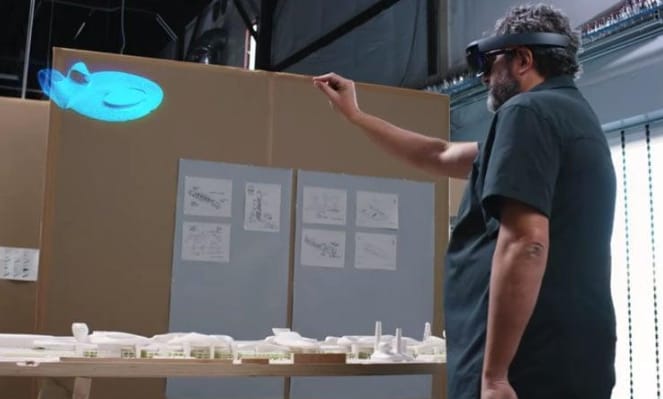
Architects and designers use augmented reality technology in architecture and design to visualize and evaluate structures before construction begins. With the help of digital modeling technology, architects and designers can place the model on top of the real world so that they can check the measurements and see possible problems.
Trimble and Microsoft demonstrated the use of HoloLens for architectural visualization through Greg Lynn's redesign of Detroit's historic Packard Plant. The mixed-reality experience allowed designers to view and manipulate full-scale digital models while standing within the physical environment.
17. AR in Aerospace & Defense
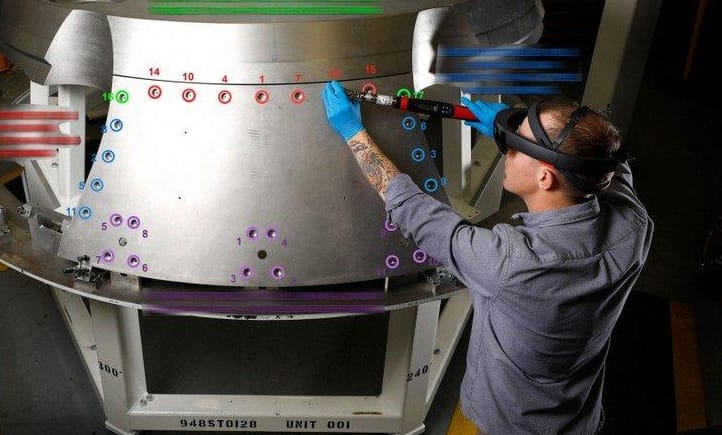
AR helps aerospace and defense teams improve the speed and accuracy of complex manufacturing, assembly, maintenance, and inspection tasks.
NASA and Lockheed Martin use AR glasses to support the assembly of NASA’s Orion spacecraft. Workers can see 3D instructions overlaid directly onto the spacecraft, including where to place components and how to orient them.
How Can You Create an AR Experience with Ease?
How can you turn an augmented reality idea into a real experience? WebAR platforms like Kivicube can be one of your best choices. Within the intuitive drag-and-drop editor, everyone can create an augmented reality scene. No coding or app downloading is required.
Main Features:
Extensive AR Template and Asset Library: Over 300 ready-to-use AR templates of different themes are provided, including education, entertainment, marketing, etc. It also provides multiple pre-made AR assets that can be used directly in projects.
High-Quality Interaction & Animation: It supports adding various interactions and animations to make the AR scenes more vivid and interesting, such as rotate, move, and swing. Besides, the keyframe animation function helps you to set motion paths according to your own requirements for the desired animation effects.
Practical AI Assistant: It includes built-in AI generators that can create AI AR assets, including images, 3D models, and even videos in a short time. If you want to make your own AR scene much better, you can ask the AI AR Agent for help, which can optimize AR scenes from prompts.
Data Analysis Dashboard: The built-in data analysis dashboard enables users to clearly track detailed data such as click counts, scan rates, and interaction duration, so they can make targeted adjustments for the AR scenes to align with current user interests.
Professional AR Project Customization Service: Beyond individual AR creation, it also provides customizable services for brands and businesses with an experienced team.
Final Thought
From education and entertainment to marketing, manufacturing, healthcare, and tourism, augmented reality is becoming a practical tool across industries. Here, we shared multiple examples of applying AR technology in industries.
If you want to create your own AR experience, WebAR platforms like Kivicube make it possible to build interactive AR scenes without coding or requiring users to download an app.